If you have ever watched your cat curl into a perfect circle on the couch at 9 a.m., nap until noon, relocate to a sunbeam, and sleep until 4 p.m., you have probably wondered whether something is wrong — or whether your cat has simply figured out a better way to live. The answer, as it turns out, is rooted in millions of years of evolutionary pressure, finely tuned physiology, and a predatory lifestyle that demands bursts of intense energy followed by long stretches of deep rest. Cats sleeping 12 to 16 hours a day is not laziness. It is biology doing exactly what it was designed to do.
Why It Happens: The Science and Instinct Behind Cat Sleep
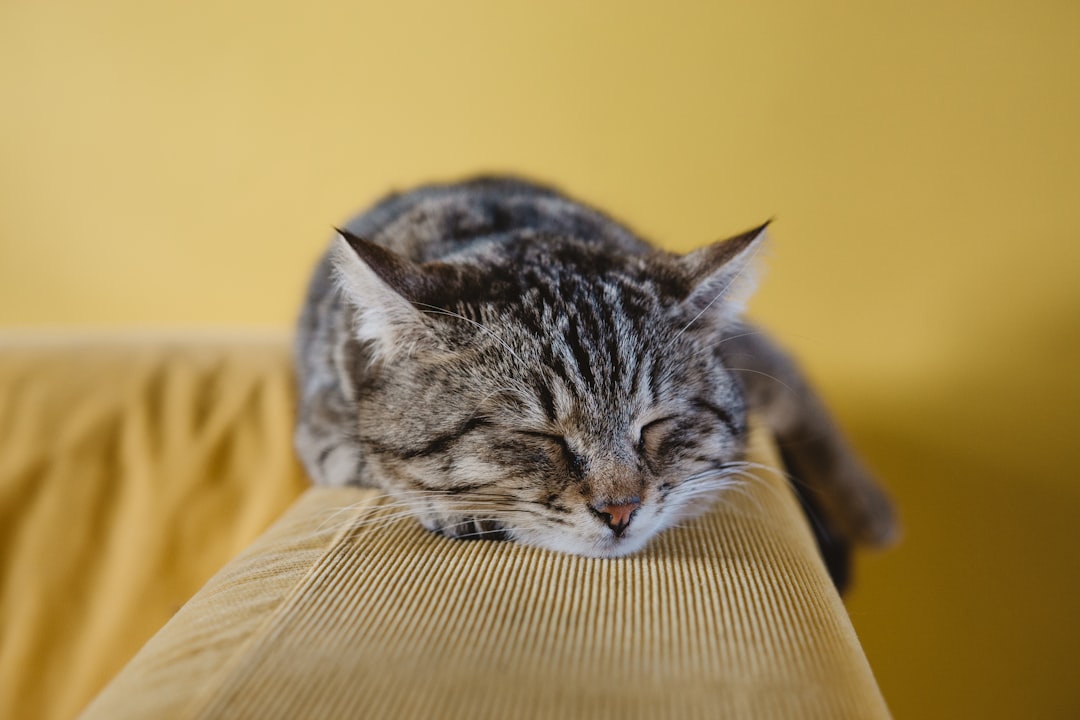
Cats are obligate carnivores, and their wild ancestors — from the African wildcat to larger felines — were ambush predators. Hunting requires explosive speed, razor-sharp reflexes, and intense muscular effort, but only for very short windows. A hunt might last seconds. The energy cost of that sprint, the pounce, the kill, is enormous relative to body size, and the most efficient way to recover that energy is sleep.
This pattern is called polyphasic sleep — multiple shorter sleep cycles distributed across the day rather than one long consolidated block. Unlike humans, who largely sleep in one extended nocturnal stretch, cats cycle in and out of rest constantly. During lighter sleep phases, their ears still rotate toward sounds and their whiskers may twitch. They are never fully off duty.
There is also a hormonal component worth understanding. A cat's body temperature drops during rest, metabolic rate slows, and growth hormone is released — all processes that support muscle repair and immune function. Kittens and senior cats sleep even more than the average adult, because growth and cellular repair demand more recovery time at both ends of the age spectrum. Weather plays a surprising role too: many cat owners notice their pets sleep noticeably longer on cold, overcast days, mirroring the energy-conservation instincts of their wild relatives during low-hunting-opportunity conditions.
Step-by-Step: Understanding Your Cat's Sleep Cycle at Home
Recognizing what normal cat sleep actually looks like helps you spot when something might be off. Cats move through several distinct states, and once you know what to watch for, their behavior starts making a lot more sense.
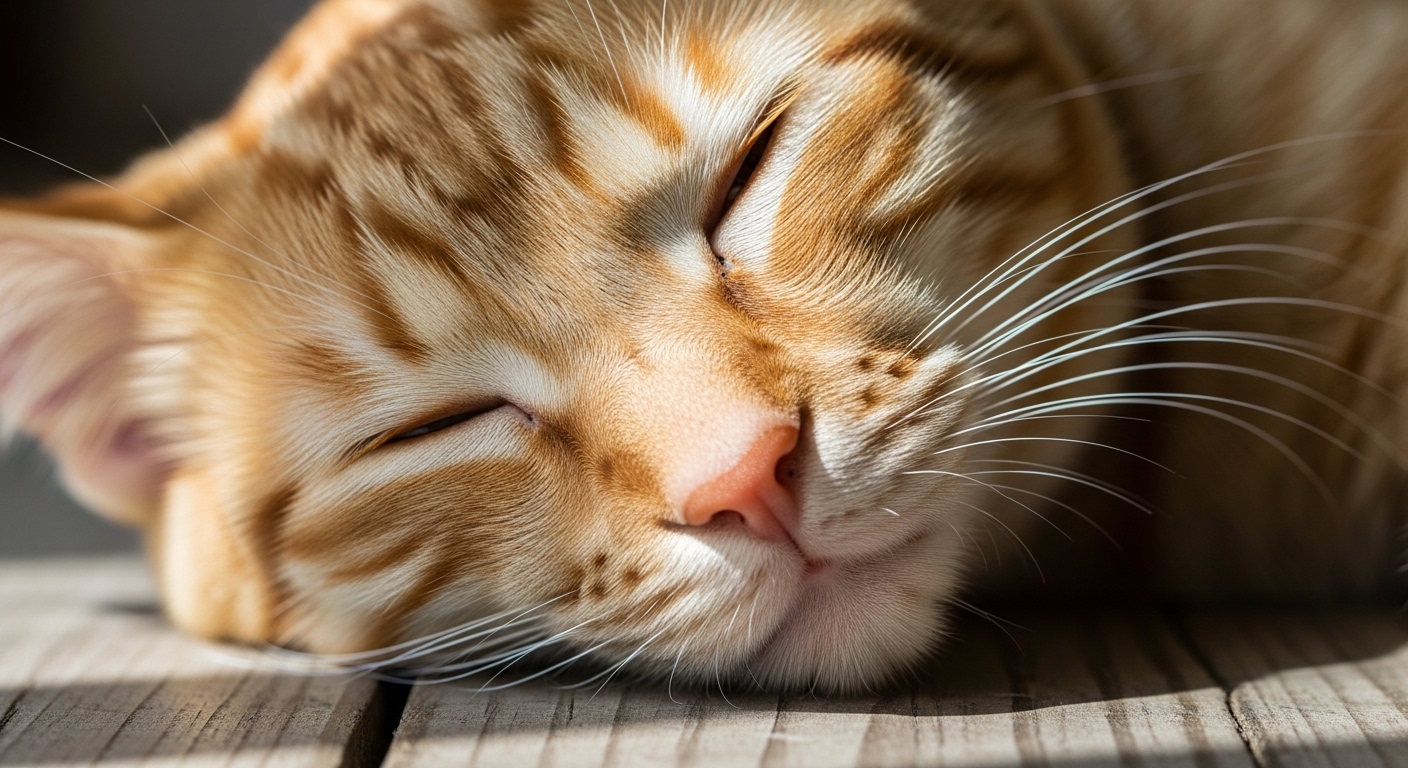
- Light dozing (the 'loaf' phase): Your cat is paws-tucked, eyes half-closed or fully shut, but ears are active. This is the most common resting state and accounts for a large portion of daily sleep time. A noise will bring them alert in under a second.
- REM sleep: Deeper cycles where you may notice twitching paws, rapid eye movement under closed lids, or small vocalizations. Cats do dream — researchers believe they replay hunting sequences and environmental experiences during REM phases.
- Deep slow-wave sleep: Full muscular relaxation, slower breathing, complete stillness. This is the genuinely restorative phase, though cats spend less time here proportionally than humans do.
- The crepuscular burst: Cats are naturally most active at dawn and dusk — the same windows when small prey animals are most vulnerable. If your cat goes absolutely feral at 5 a.m., that is not a behavioral problem. That is the ancestral schedule asserting itself.
Keeping a loose mental note of your cat's usual sleep patterns over a few weeks gives you a useful baseline. Changes in sleep duration or location — suddenly sleeping in unusual spots, or becoming unusually lethargic even by cat standards — can be early signals worth mentioning to your vet.
Common Mistakes Owners Make About Cat Sleep
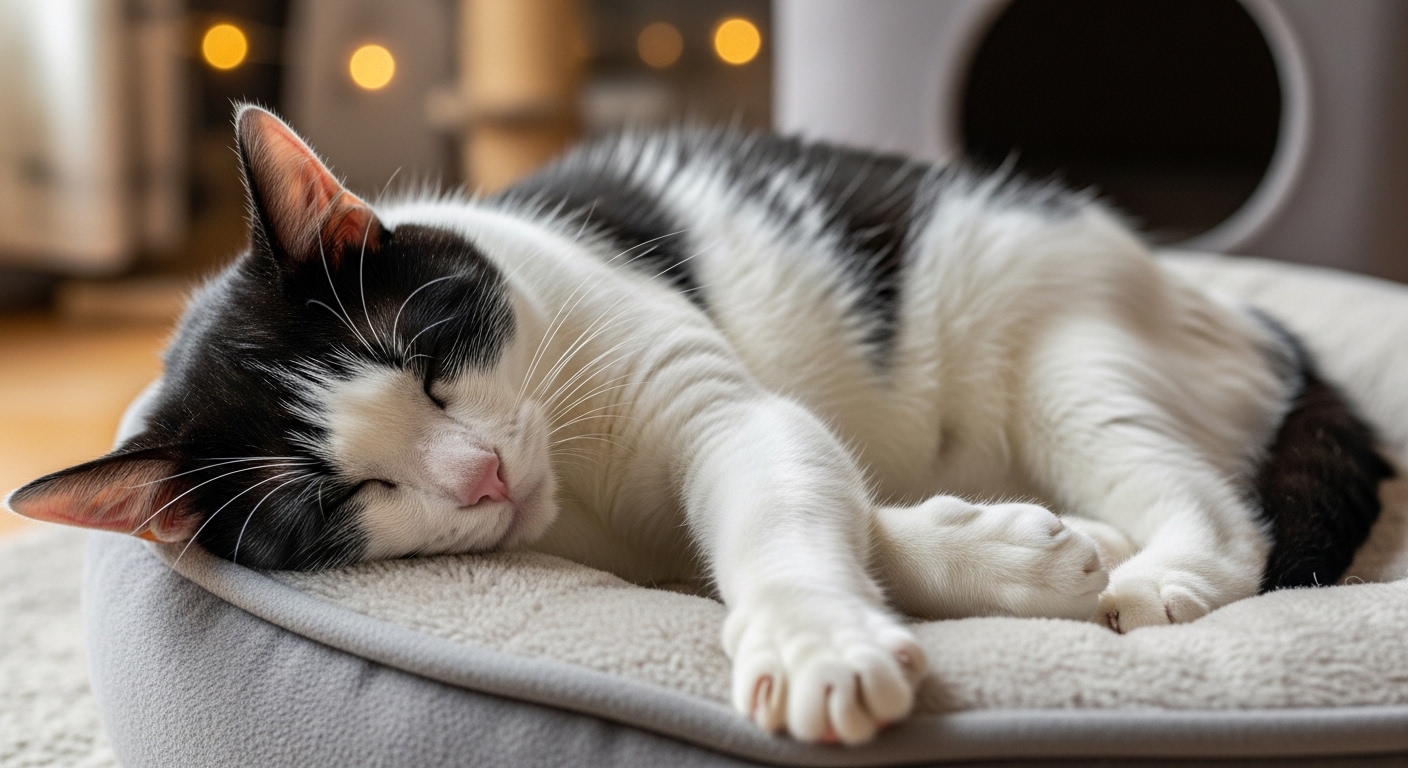
The biggest one: assuming a sleeping cat is a bored or depressed cat. Plenty of owners feel guilty watching their cat sleep all afternoon and start trying to force interaction — picking them up mid-nap, rattling toys in their face, or restructuring the entire household routine. Cats that are regularly interrupted during sleep can become irritable, and some may start avoiding their favorite rest spots altogether if those spots become associated with unwanted disturbance.
On the flip side, dismissing genuine lethargy as 'just normal cat behavior' is equally common. There is a meaningful difference between a cat sleeping 14 hours in its usual spots with normal appetite and energy during waking hours, versus a cat that has become suddenly unresponsive, is sleeping in unusual locations like the floor of a closet, or is sleeping far more than its personal baseline. The latter warrants a conversation with your veterinarian.
Another mistake is projecting human sleep quality standards onto cats. Many owners worry because their cat seems to wake up constantly through the night. That is normal polyphasic behavior, not insomnia. Cats are not broken humans. Their sleep architecture is genuinely different, and trying to consolidate it into a human-style schedule tends to frustrate both parties.
Expert Tips for Supporting Healthy Cat Sleep
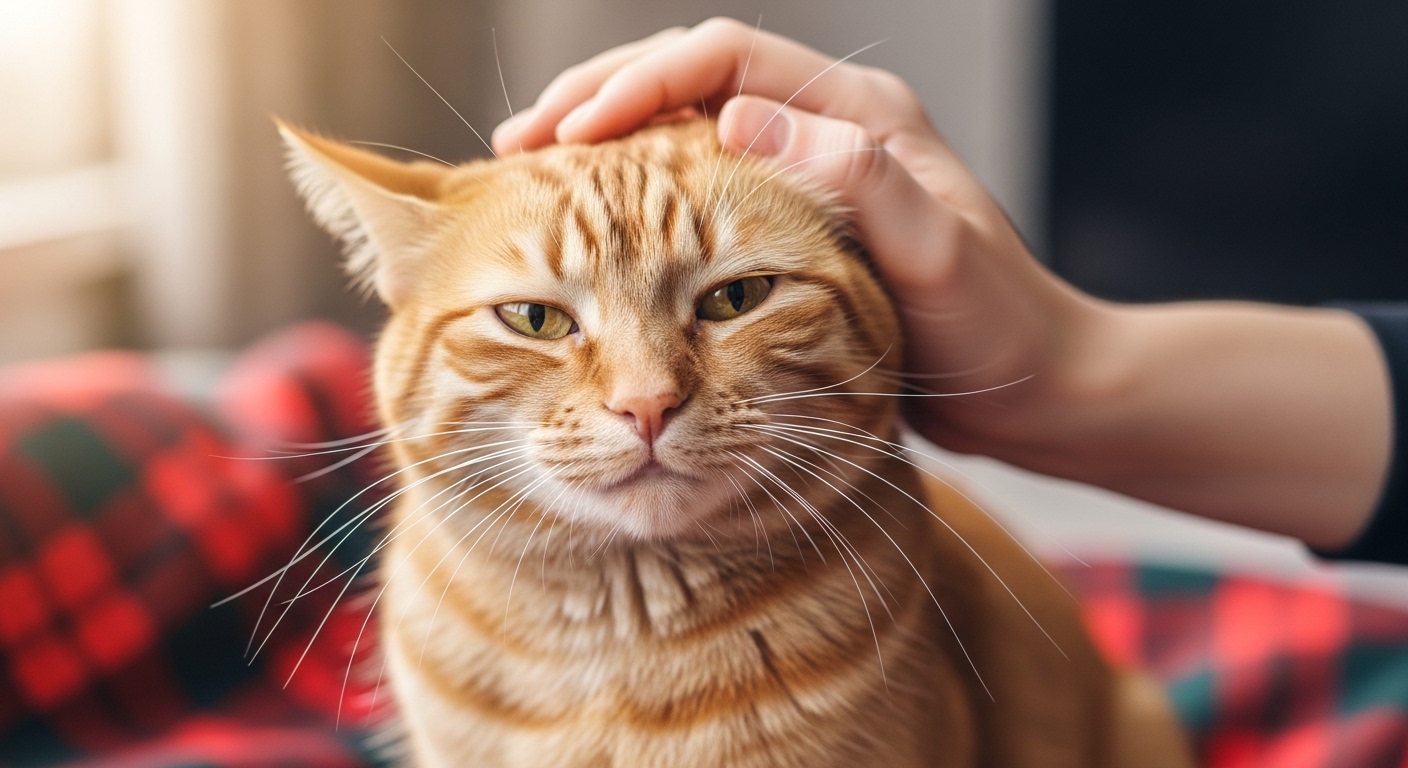
Good sleep for your cat is less about intervention and more about environment. A few practical adjustments make a real difference.
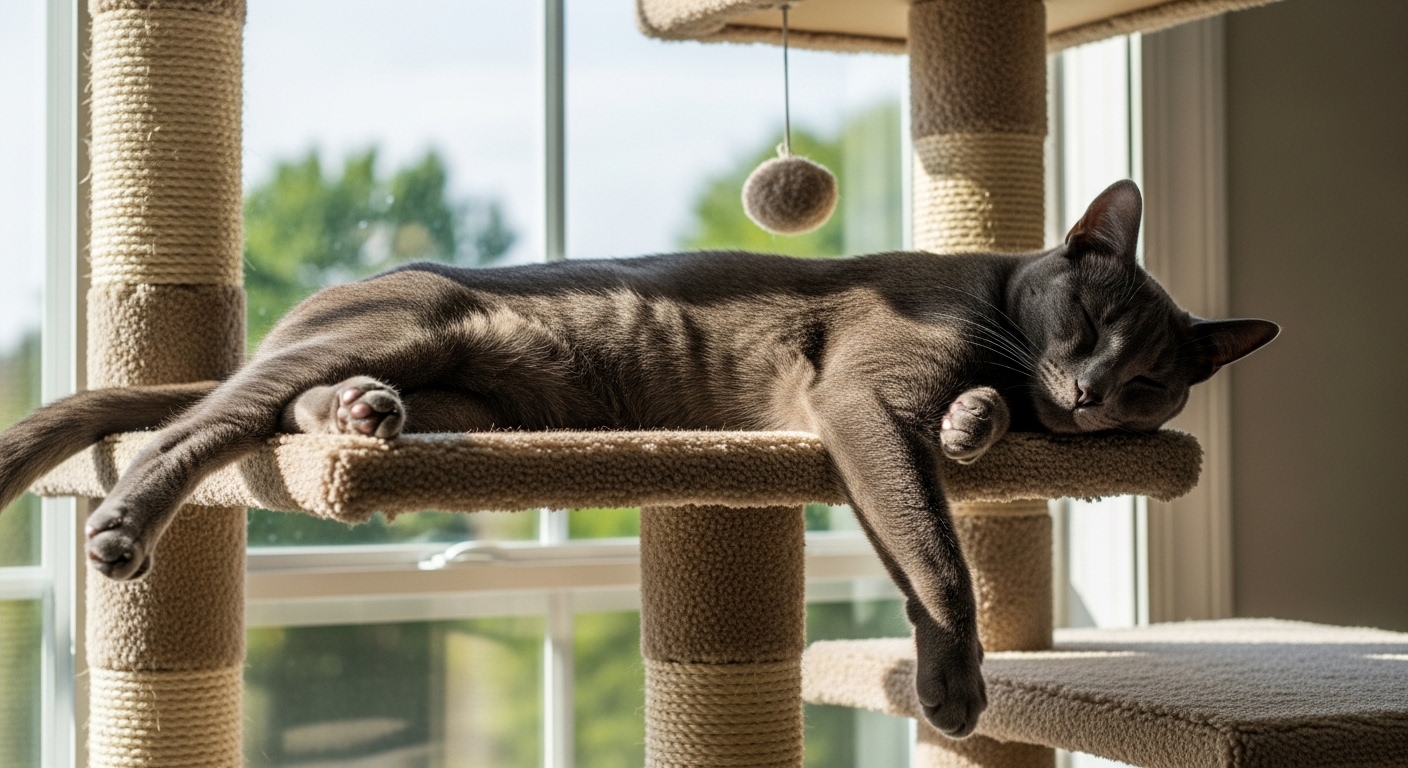
- Provide elevated resting spots: Cats feel safer sleeping at height, where they can observe their surroundings without being approached from behind. A cat tree, a cleared shelf, or a window perch will often become the preferred sleep location over any expensive cat bed placed on the floor.
- Protect their chosen spots: Once a cat has claimed a sleep location, try not to routinely displace them. Consistency in rest spots reduces low-level stress.
- Match playtime to their natural schedule: An interactive play session at dusk — mimicking a hunt with a wand toy — can satisfy crepuscular energy needs and may reduce the 3 a.m. zoomies that many cat owners know all too well.
- Keep the sleep environment stable: Loud household noise, frequent visitors, or rearranged furniture can disrupt a cat's sense of security and affect sleep quality even if total hours look normal.
- Monitor sleep location changes: Cats in pain sometimes seek out cooler hard floors or unusually isolated spots. A shift in preferred sleeping location, especially in older cats, is worth noting.
A well-rested cat is generally a calmer, more socially engaged cat during waking hours — the sleep is not wasted time, it is the foundation of everything else.
Diet also plays a quiet role here. Cats fed a high-protein diet aligned with their carnivore physiology tend to have more stable energy cycles than those on lower-quality food. This is not a dramatic effect you will notice overnight, but over time, nutrition and sleep quality are linked in ways many vets suggest are underappreciated by owners.
When to See a Pro
Most of the time, a sleeping cat is a healthy cat. But there are specific changes that should prompt a vet visit rather than a Google search.
- A sudden, notable increase in sleep duration beyond your cat's personal normal — especially combined with reduced appetite or weight loss
- Difficulty waking, unresponsiveness, or confusion upon waking
- Sleeping in cold, isolated, or unusual locations your cat has never chosen before
- Any sleep changes in cats over 10 years old, since senior cats may be masking pain or early organ changes through increased rest
- Visible twitching or convulsive movement during sleep that seems more intense than normal REM behavior
These are not reasons to panic — they are reasons to make a call. Your veterinarian can rule out thyroid issues, anemia, infections, and a range of other conditions that may show up first as changes in sleep behavior. Early conversations are almost always easier than delayed ones.
Frequently Asked Questions
Is it normal for my cat to sleep 20 hours a day?
In kittens under six months and in senior cats over 12 years, sleeping close to 20 hours can fall within a normal range, particularly during growth spurts or in colder weather. For a healthy adult cat, 20 hours consistently would be on the high end and worth mentioning to your vet, especially if appetite or behavior during waking hours has also changed.
Why does my cat sleep on me specifically?
Cats choose sleep locations based on warmth, scent familiarity, and perceived safety. Sleeping on a trusted human checks all three boxes simultaneously. It is also a position of mild vulnerability for the cat, so choosing to sleep on you is genuinely a trust signal — though it does make getting up for a glass of water considerably more complicated.
Should I wake my cat up to play more during the day?
Regularly interrupting sleep to force activity tends to backfire. A better approach is scheduling interactive play sessions during the natural activity windows — early morning and early evening — and letting the cat set the pace during the rest of the day. Cats that feel in control of their own schedule tend to be more relaxed and more willing to engage when play is offered.
Cats sleep a lot. That is simply the deal. Understanding the reasons behind it makes it easier to tell the difference between a cat that is thriving and one that might need attention — and it makes those long afternoon naps a little less mysterious to watch. If your cat's sleep patterns shift noticeably, trust your instincts and check with your vet. Otherwise, let them sleep.
Comments
Post a Comment