Ask five cat owners which litter they swear by and you will get five completely different answers — possibly delivered with the conviction of someone defending a religion. The truth is that no single litter works perfectly for every cat, every household, or every budget. Clumping clay has dominated shelves for decades, but silica gel, tofu, and various plant-based options have carved out real followings for good reasons. This comparison breaks down how each type actually performs on the things that matter most: odor control, cost, tracking mess, and safety for your cat and your home.
Quick Comparison Table
Before diving into the details, here is a straightforward side-by-side look at how these four litter types stack up across the most common owner priorities.
| Feature | Clumping Clay | Silica Gel | Tofu | Natural (Wood/Corn/Wheat) |
|---|---|---|---|---|
| Odor Control | Good | Excellent | Good | Moderate |
| Clumping | Excellent | None | Good | Varies |
| Dust Level | Moderate–High | Low | Very Low | Low–Moderate |
| Tracking | High | Low | Moderate | Moderate–High |
| Monthly Cost | Low | Moderate | Moderate | Low–Moderate |
| Flushable | No | No | Some brands, Yes | Some brands, Yes |
| Eco-Friendly | No | Moderate | Yes | Yes |
Clumping Clay Litter: The Old Reliable
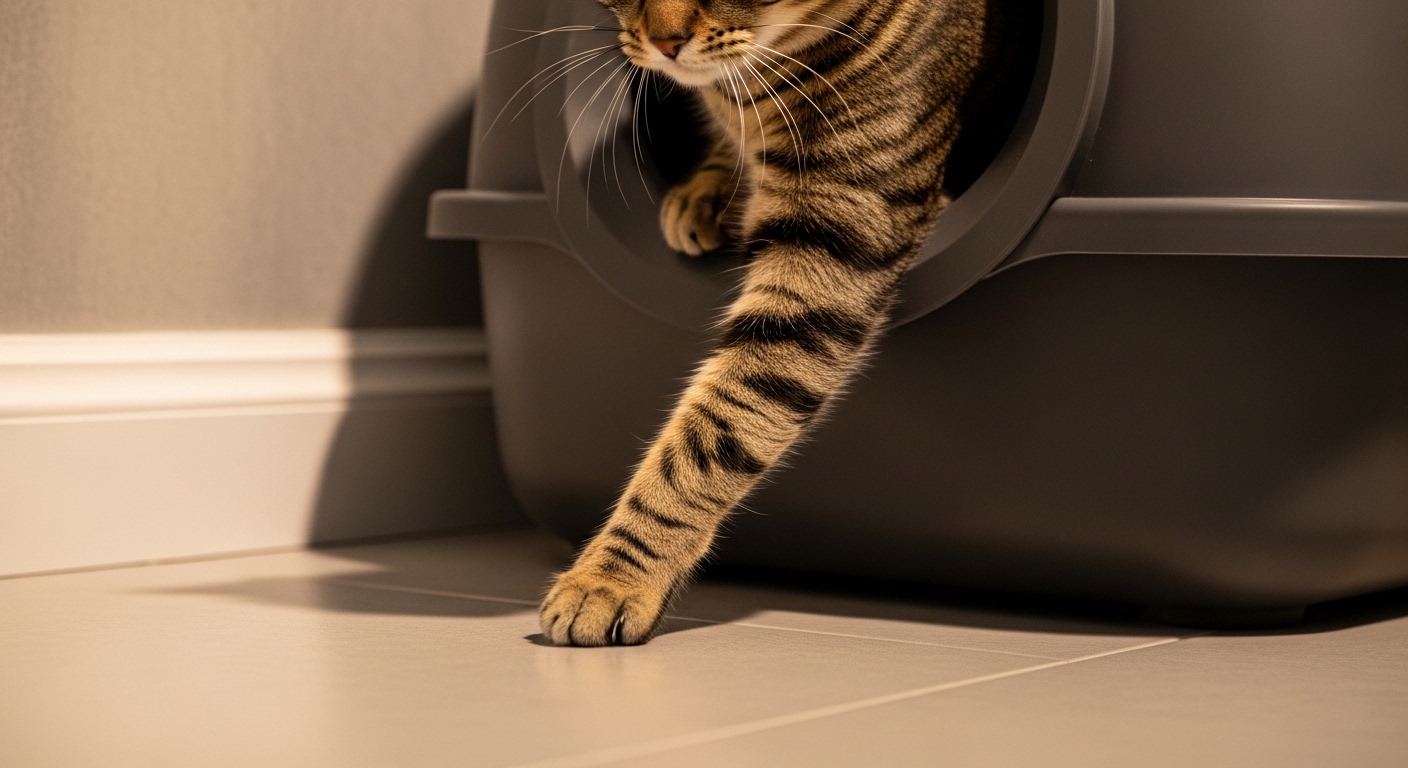
Clumping clay became the default for a reason. When sodium bentonite clay contacts liquid, it forms tight, scoopable clumps that make daily maintenance genuinely fast — which matters when you are scooping a box before your morning coffee. Most brands are widely available, inexpensive per pound, and cats tend to accept them without fuss because the fine texture mimics natural soil.
The downsides are real, though. Clay litter is heavy. A 40-pound bag is not fun to haul up apartment stairs, and you will be doing it regularly because clumping clay gets used up faster than people expect. Dust is the other persistent complaint — some formulas release a visible cloud every time your cat digs, which can be a concern for cats with respiratory sensitivities or owners who keep the box in a small bathroom. Many vets suggest avoiding highly dusty formulas for cats with asthma or chronic upper respiratory issues.
Tracking is also significant. Fine clay granules cling to paws and end up across your floors in a radius that will surprise you the first time you step on gritty litter in the dark at 2 a.m.
Clumping clay is the budget-friendly workhorse of cat litter — practical and proven, but not without trade-offs in dust and environmental impact.
From an environmental standpoint, sodium bentonite is strip-mined and not biodegradable. If sustainability matters to you, this is the category where clumping clay falls shortest.
Silica Gel Litter: Low Maintenance, Higher Upfront Cost
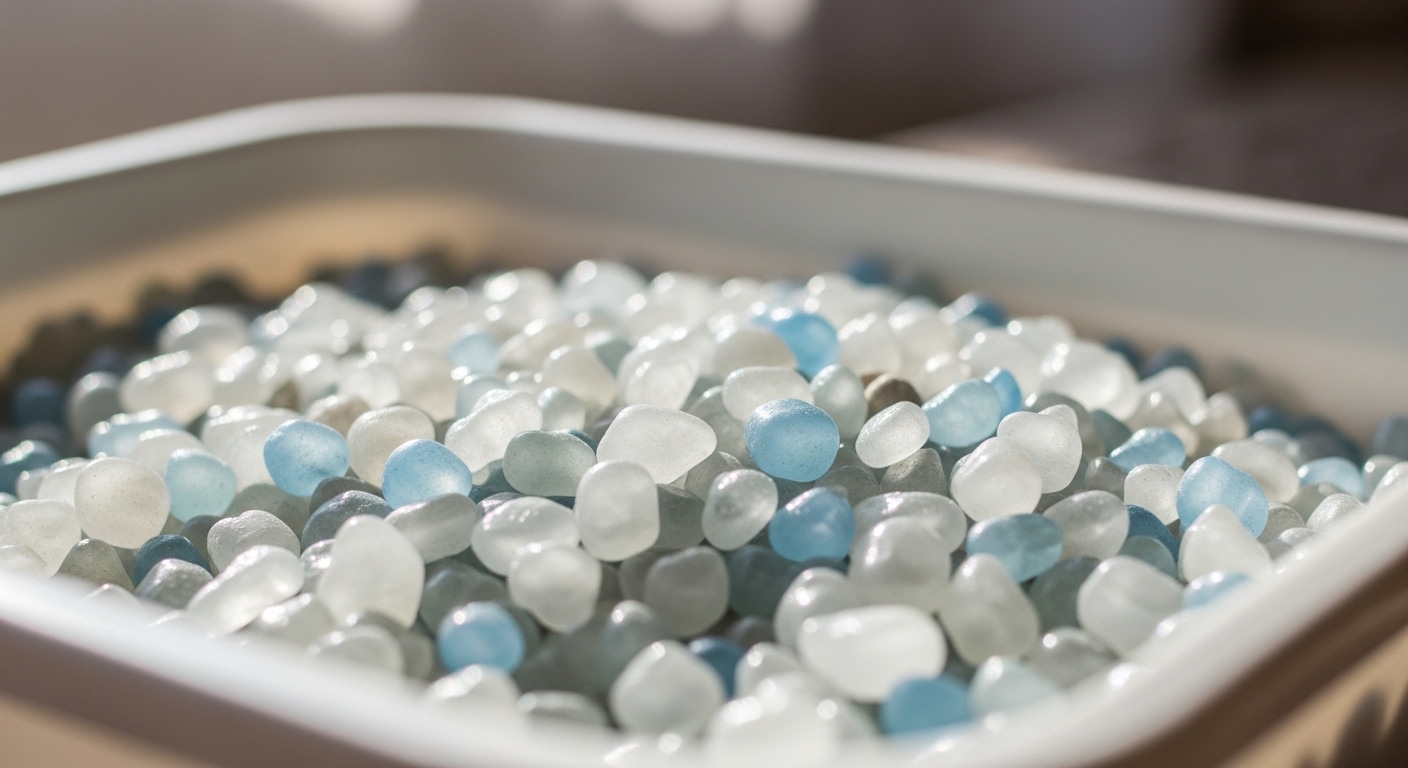
Silica gel litter works differently from every other type on this list. Instead of clumping, the porous crystals absorb urine and lock in moisture, while solid waste sits on top to be scooped. The entire tray typically lasts one cat around three to four weeks before a full change is needed — which sounds appealing until you realize you still need to stir the crystals daily and remove solids every day.
Odor control is genuinely impressive. The absorption mechanism traps ammonia smells effectively, and many owners switching from clay notice a real difference in how the room smells after a few days. Dust is minimal, tracking is low because the larger crystal size does not cling to paws, and the bags are lightweight compared to clay.
The sticking point is cost per bag. Silica gel litter costs more upfront than clay, though the longer tray life partially offsets this. Some cats dislike the texture of the crystals under their paws and may resist using the box — a transition problem worth watching for. There are also ongoing questions about silica dust safety with long-term inhalation exposure, so consulting your veterinarian is a reasonable step if you have a cat with known respiratory sensitivities.
Tofu Litter: The Eco-Friendly Newcomer
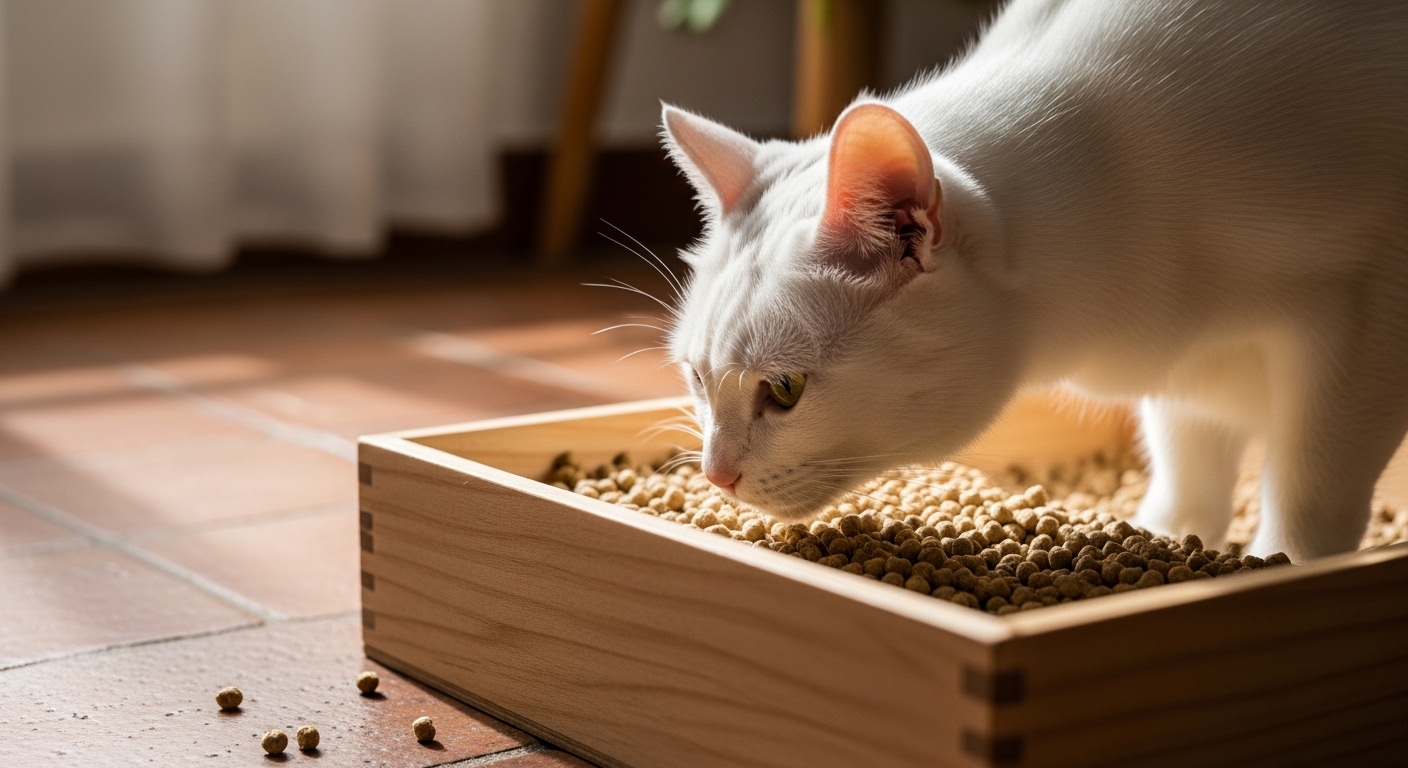
Tofu litter is made from compressed soybean fiber — a byproduct of tofu manufacturing — and it has built a loyal following among owners who want something biodegradable without sacrificing too much performance. The pellets clump when wet, though not as firmly as sodium bentonite clay, and the clumps are softer and easier to break apart accidentally if you are not careful with the scoop.
Dust levels are very low. This is one area where tofu litter genuinely stands out, making it a popular choice for owners of cats with respiratory sensitivities or for households where the litter box is in a living space rather than a utility room. The natural, mild scent is also less chemically aggressive than many scented clay litters.
Tracking sits in the moderate range — the pellets are larger than clay granules, so they do not spread as far, but they do fall off paws and end up under furniture. Some brands market their tofu litter as flushable in small quantities, which is convenient, though local plumbing and municipal guidelines vary, so checking before flushing regularly is wise.
Cost is comparable to silica gel — noticeably more than bulk clay. Availability has improved significantly in recent years, but you may still need to order online rather than grabbing it at a local grocery store.
Which Is Right for You?
The honest answer depends on what you are actually willing to manage day to day, not just what sounds appealing in a product description.
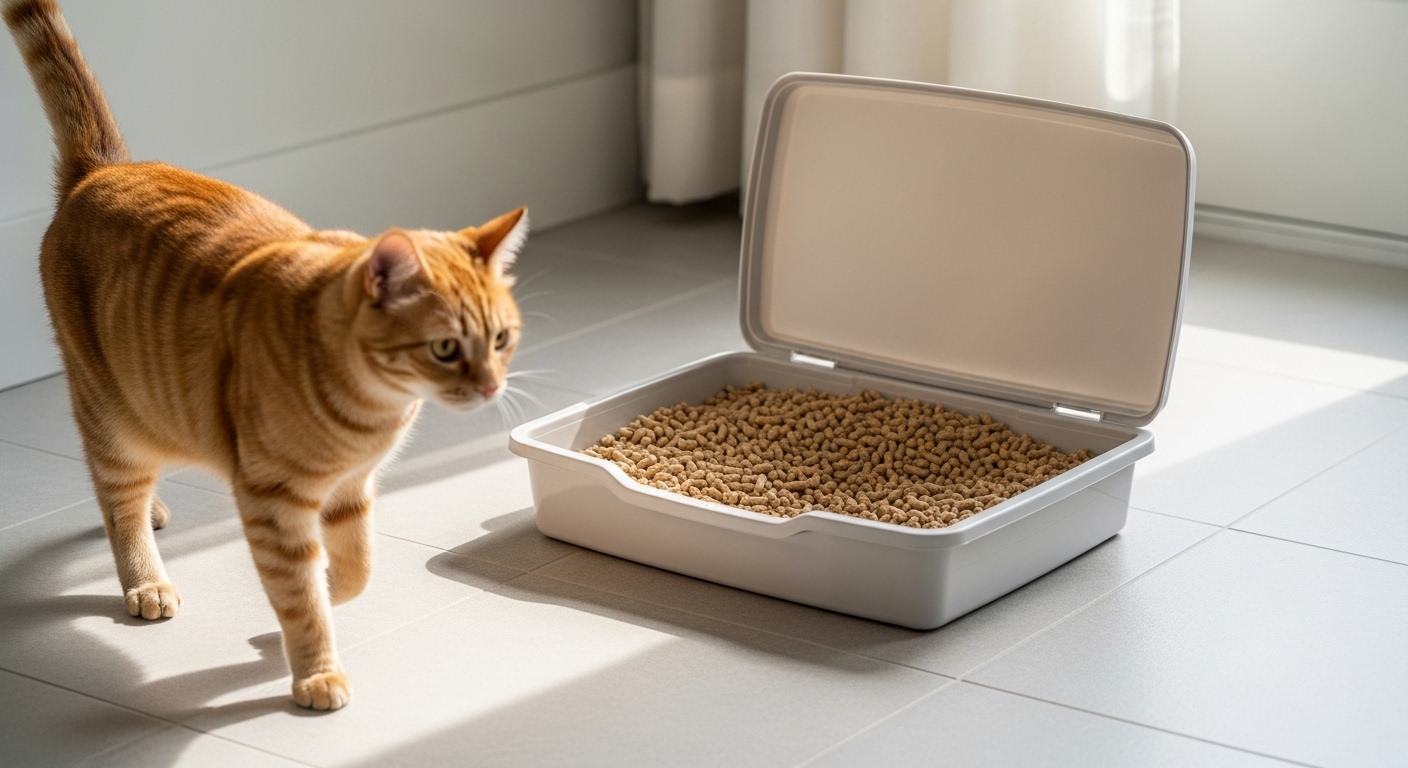
If budget is your primary concern and you do not mind sweeping litter off your floors regularly, clumping clay is still a solid, practical choice. If you have a cat with respiratory issues or you simply hate dust clouds every time the box gets used, tofu or silica gel are worth the extra cost. Silica gel suits owners who want the least frequent full-tray changes and do not mind the higher per-bag price. Tofu suits owners who want biodegradable litter with decent clumping and very low dust. Natural litters like wood, corn, or wheat pellets vary widely by brand — some perform well, others struggle with odor after a few days, so reading recent owner reviews for specific products matters more than trusting the category label.
Your cat also gets a vote. Some cats refuse to use a new litter texture, especially older cats who have used one type their whole lives. A slow transition — mixing the new litter gradually into the old — tends to work better than a sudden full swap. If your cat starts avoiding the box after a litter change, that is the clearest signal to reconsider.
- Budget-focused households: Clumping clay offers the lowest monthly spend and wide availability.
- Cats with respiratory sensitivities: Tofu or low-dust silica gel may be worth discussing with your vet.
- Busy owners who want less frequent changes: Silica gel trays can last several weeks per cat.
- Eco-conscious owners: Tofu and wood-based natural litters are the most biodegradable options.
- Multi-cat households: Clumping clay or high-performance tofu tends to hold up better with heavier use than silica gel.
Frequently Asked Questions
Is clumping litter safe if my cat accidentally ingests some?
Small accidental ingestion during grooming is common and generally not a major concern for adult cats, but large amounts of clumping clay may cause digestive issues. Many vets suggest avoiding clumping litter entirely for kittens under 3–4 months old, as they are more likely to eat litter out of curiosity. If you notice any vomiting, lethargy, or changes in appetite after a litter switch, consult your veterinarian.
Can I really flush tofu or natural litter down the toilet?
Some brands are marketed as flushable, and the material itself may dissolve, but flushing cat waste carries a separate concern: cat feces can contain Toxoplasma gondii, a parasite that water treatment systems may not fully eliminate. Many municipal water authorities advise against flushing any cat litter for this reason. Check your local guidelines and consider composting or bagging as alternatives.
How often should I fully replace the litter regardless of type?
With clumping clay and tofu, a full tray change every two to four weeks is typical for a single cat, assuming daily scooping. Silica gel trays may last three to four weeks before the crystals are saturated. Natural pellet litters vary — some break down into sawdust as they absorb moisture and need more frequent full changes. If odor persists despite regular scooping, that is usually a sign the tray needs a complete refresh.
Switching litters is rarely a one-and-done decision. Most owners go through at least two or three types before landing on something that works for their cat, their space, and their cleaning habits. Keep the transition gradual, watch how your cat responds, and do not be surprised if the litter your neighbor swears by turns out to be the one your cat refuses to touch. That is just cats.
Comments
Post a Comment