If you have ever watched your cat methodically drag the side of its face along a chair leg, a doorframe, your ankle, and then a cardboard box — all in the span of thirty seconds — you have witnessed one of feline behavior's most fascinating routines. It looks quirky. It is actually a highly deliberate communication system, and once you understand what your cat is saying, you will never look at a head-bump the same way again.
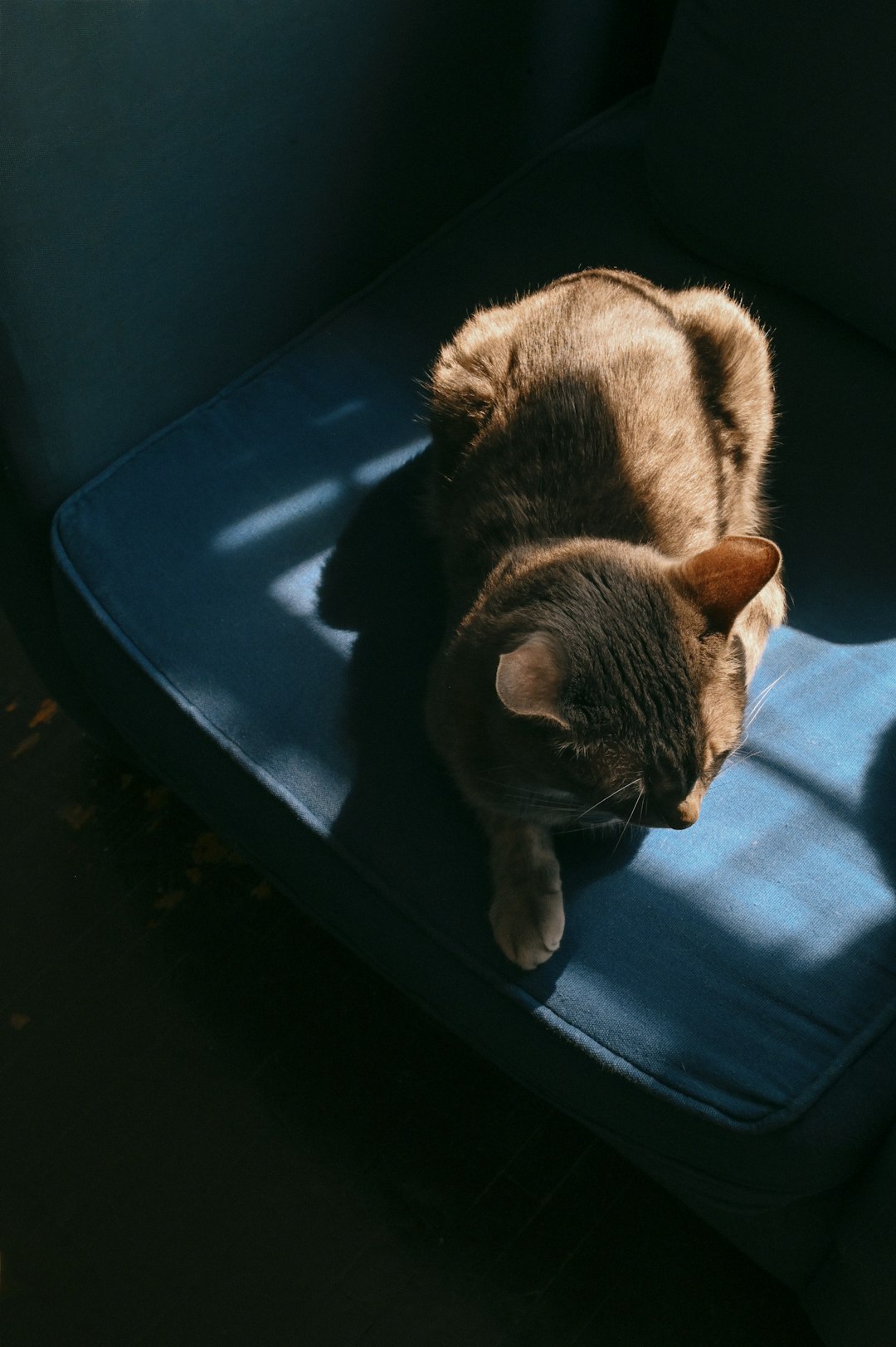
The Science Behind Scent-Marking
Cats have scent glands in several places across their bodies — paw pads, the base of the tail, and crucially, the face. Around the cheeks, chin, forehead, and the corners of the mouth sit clusters of glands that produce a complex cocktail of pheromones unique to each individual cat. When your cat rubs its face on an object, it is depositing that chemical signature onto the surface.
The technical term for this social rubbing is allorubbing. The physical act of pressing the head against a surface is often called bunting. These are not random twitches or grooming accidents. Cats use these behaviors with intention, applying scent to objects, spaces, and even people in a way that carries real meaning within their social world.
What the pheromones actually communicate is still an active area of research, but many animal behaviorists suggest the signals include territorial ownership, emotional state, and social bonding cues. A cat that rubs its face on your laptop bag before you leave for work may be doing something closer to leaving a note than simply being affectionate — though the two are not mutually exclusive.
Step-by-Step: Reading What Your Cat Is Communicating
Not every face-rub carries the same message. Context matters enormously, and learning to read the full picture — body posture, location, target, and timing — gives you a much clearer window into what your cat is actually expressing.
Here is a practical breakdown of the most common scenarios:
- Rubbing on you after you return home: This is almost certainly a greeting and a re-marking ritual. Your scent has faded or been replaced by outside smells, and your cat is refreshing its claim. Flattering, honestly.
- Rubbing on new objects or furniture: A new item smells foreign and potentially alarming. By depositing its own scent, your cat is essentially saying this thing is now part of the known world and therefore safe.
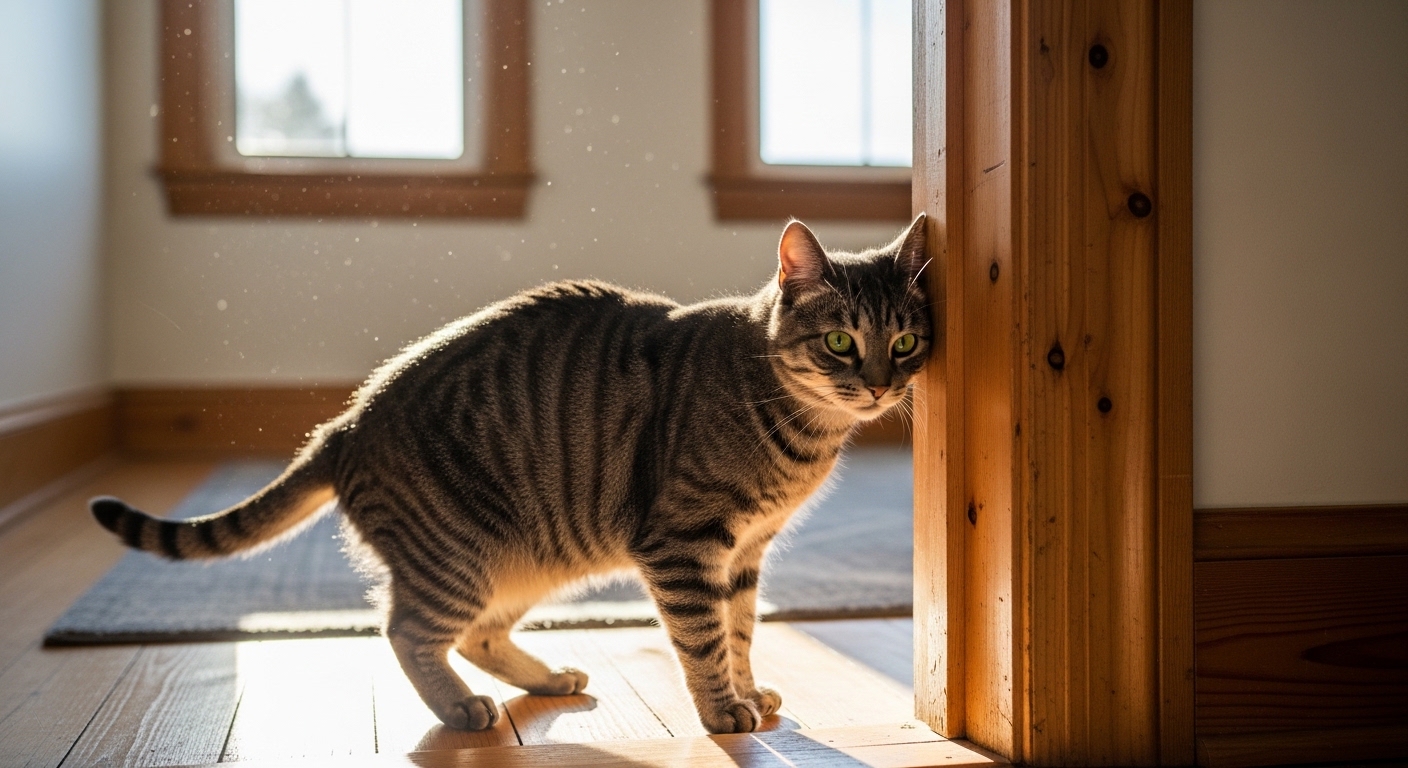
- Rubbing on doorframes and corners at cat-head height: These are scent-posting locations — high-traffic spots where the message will be encountered repeatedly. Think of it as a bulletin board.
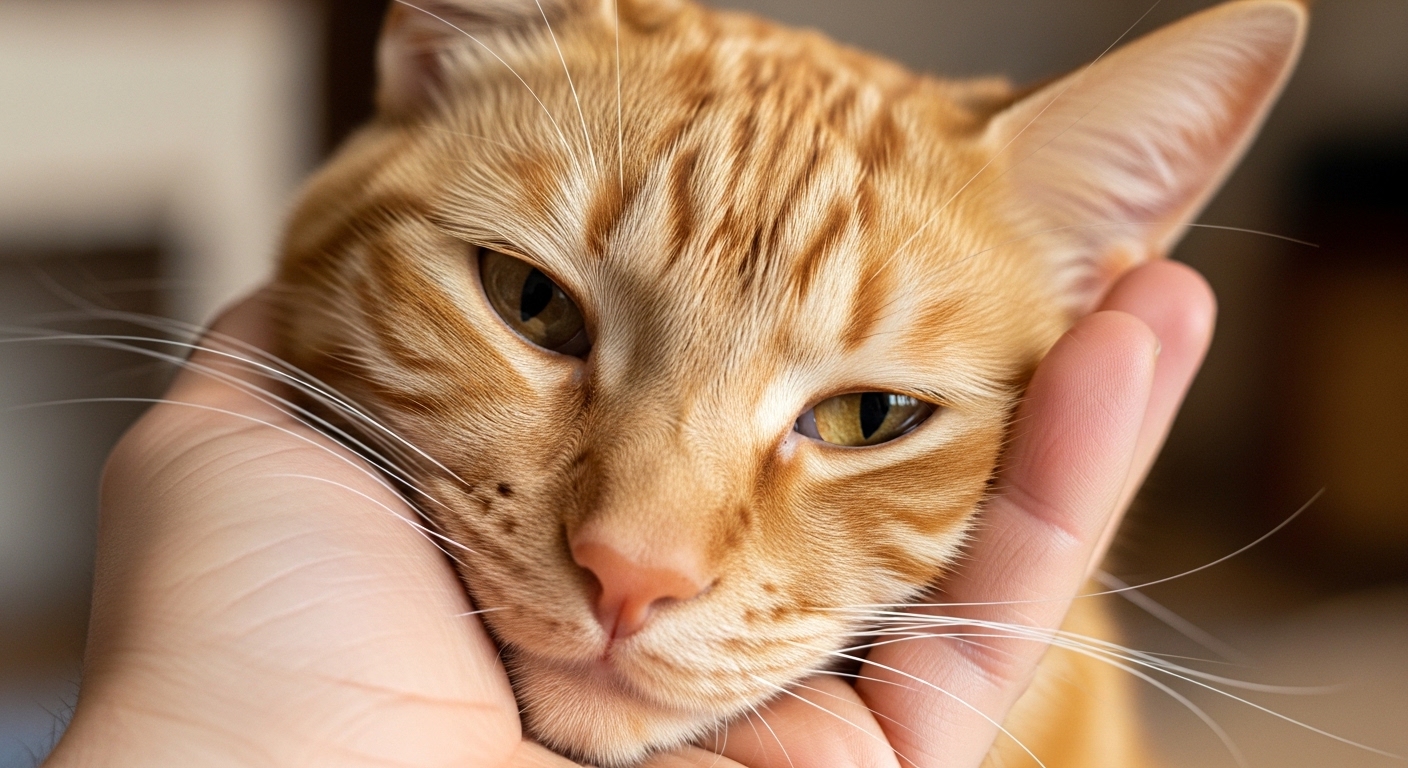
- Rubbing on other cats or pets: Allorubbing between cats who share a home is a social bonding behavior. Cats that do this regularly are generally comfortable with each other, though it is not a guarantee of harmony.
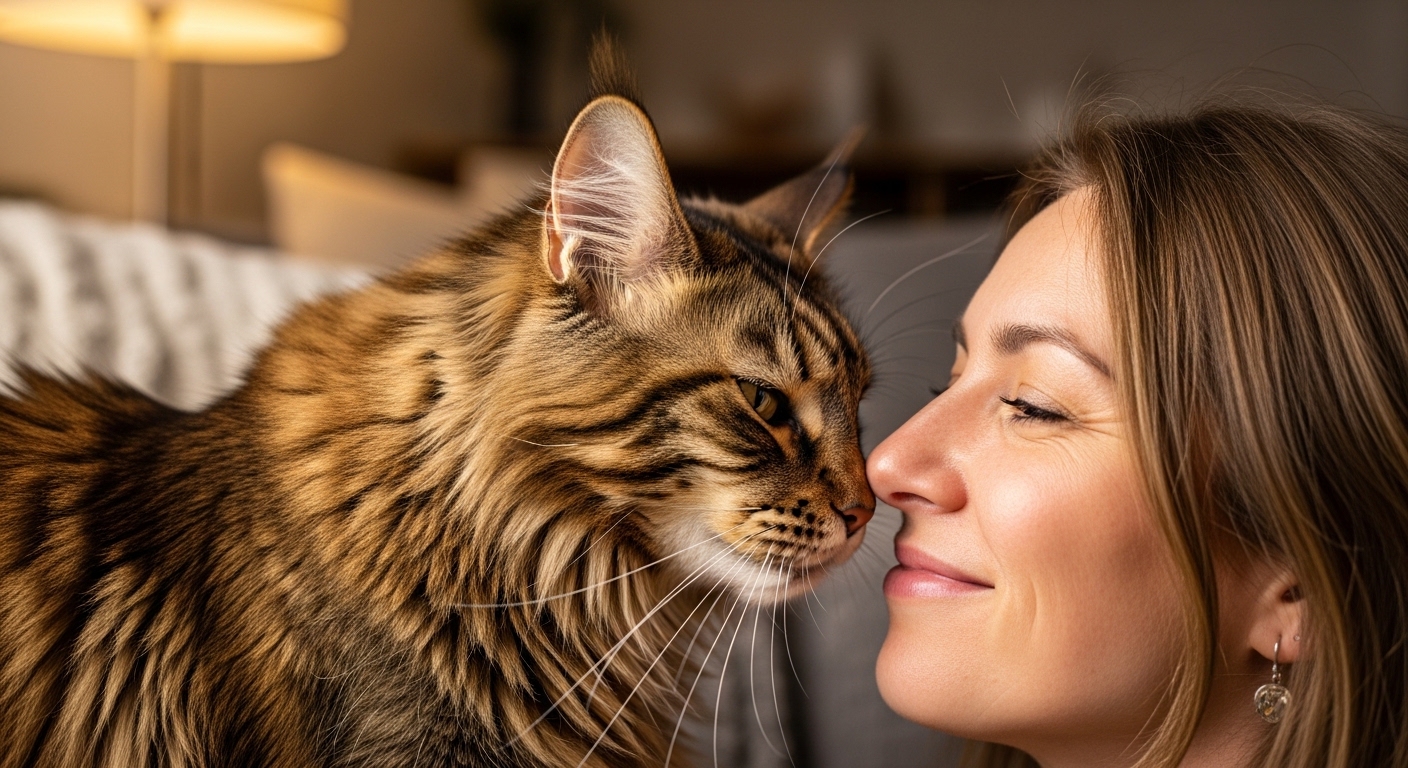
- Rubbing on you while you are sitting still: Combined with slow blinking or a relaxed tail, this is affiliation behavior — your cat is grouping you into its social unit.
Timing is a useful clue too. A cat that rubs frantically on everything after you rearrange the furniture is likely reclaiming a disrupted territory, not celebrating your interior design choices.
Common Mistakes Owners Make
The biggest misread is assuming all face-rubbing is purely affectionate. It can be — but treating every head-bump as a cuddle request sometimes means missing what your cat is actually trying to resolve. A cat that suddenly starts rubbing intensely on new spots, or stops rubbing on you altogether, may be signaling a shift in its comfort level worth paying attention to.
A few other mistakes that come up regularly:
- Punishing the behavior: Scent-marking is instinctive. Discouraging it creates anxiety without addressing the underlying need. If a cat is marking excessively in one spot, the question to ask is why that spot feels important — not how to stop the rubbing itself.
- Confusing face-rubbing with spraying: These are completely different behaviors. Spraying involves urine and is a separate territorial signal. Face-rubbing leaves no visible residue and is generally a benign, socially positive act.
- Ignoring changes in frequency: A cat that suddenly rubs its face on everything obsessively, or one that seems to rub and then shake its head repeatedly, may have a skin issue, ear problem, or dental discomfort. If the behavior changes noticeably, consult your veterinarian.
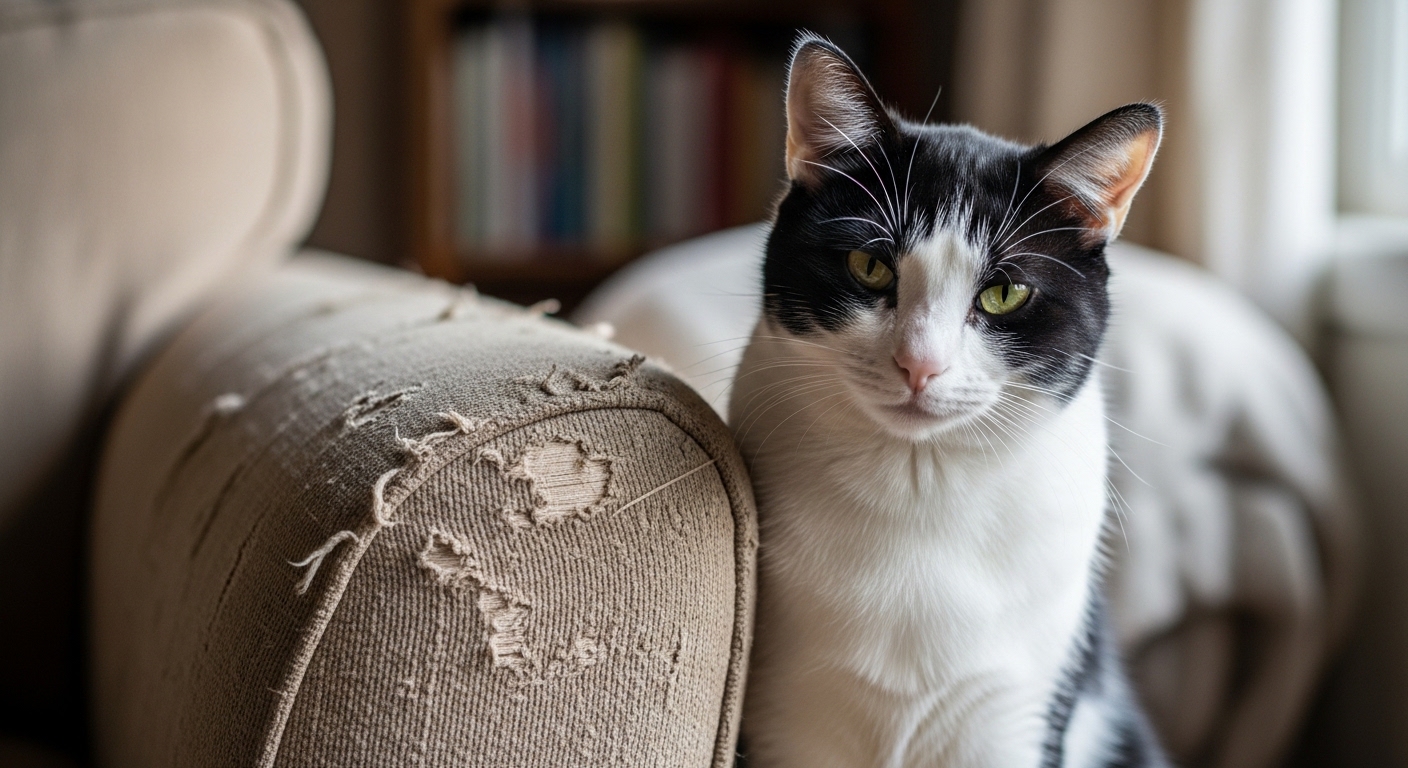
- Washing off the scent immediately: Some owners wipe down furniture right after a cat rubs on it. From the cat's perspective, this is a frustrating loop — the scent disappears, so the cat marks again. If the rubbing is happening in an acceptable location, leaving it alone is usually the path of least resistance.
Expert Tips for Living With a Scent-Marker
Understanding the behavior is one thing. Working with it day-to-day is another. A few practical adjustments can make life easier for both of you.
- Introduce new objects gradually: When you bring home new furniture or bags from a trip, give your cat time to investigate and rub before you expect it to relax around the item. Rushing this process tends to extend the marking phase.
- Use synthetic pheromone products thoughtfully: Products that mimic feline facial pheromones are available as diffusers and sprays. Many vets suggest these may help in high-stress situations like moving or introducing a new pet, though results vary between individual cats.
- Provide dedicated marking surfaces: Cat trees, cardboard scratchers, and even specific pieces of furniture that you designate as cat-friendly give your cat sanctioned outlets for scent-posting. This does not eliminate marking elsewhere, but it can reduce it.
- Reciprocate the social signal: When your cat bumps its head against you, a slow blink or a gentle forehead-to-forehead touch (if your cat tolerates it) reinforces the social bond. You are essentially participating in the same language.
When a cat rubs its face on you, it is not asking for attention — it is giving you something. That distinction changes how the whole interaction feels.
One thing experienced cat owners figure out eventually: the spots your cat chooses to mark most consistently are a map of what it values. The corner of the couch where you always sit. The edge of the food bowl. Your shoes by the door. It is a surprisingly honest portrait of a cat's priorities.
When to See a Professional
Face-rubbing is normal. But there are situations where it warrants a closer look from a vet or a certified animal behaviorist.
If your cat is rubbing its face on rough surfaces repeatedly and seems to be doing it out of irritation rather than marking — pawing at its face afterward, or rubbing one side more than the other — that pattern may suggest dental pain, an ear issue, or a skin condition. These are not things to diagnose at home.
A sudden and dramatic increase in marking behavior, especially in a cat that was previously calm and consistent, can sometimes be linked to stress, a change in household dynamics, or in some cases an underlying health issue. Your veterinarian is the right first call when behavior shifts sharply without an obvious environmental explanation.
If the behavior is purely social but has become disruptive — say, a cat that marks aggressively over a new pet's scent and is causing household tension — a certified cat behaviorist can help you work through the introduction process more systematically than most online guides allow for.
Frequently Asked Questions
Why does my cat rub its face on me but not on other family members?
Cats tend to scent-mark the individuals they feel most affiliated with or most comfortable around. If your cat consistently chooses you, it likely reflects the bond you have built — or possibly that you are the one who feeds it most reliably, which cats do factor in. It is not a slight against other household members so much as a reflection of the cat's own social hierarchy.
Is it a problem if my cat never rubs its face on anything?
Some cats are simply less demonstrative than others, and low-frequency face-rubbing on its own is not a red flag. If your cat is otherwise healthy, eating well, and showing other signs of comfort — relaxed posture, normal grooming, willingness to be near people — the absence of frequent bunting is probably just personality. If the change is sudden and accompanied by other behavioral shifts, that is worth mentioning to your vet.
Does face-rubbing mean my cat is claiming ownership of me?
In a functional sense, yes — though 'ownership' is a human frame for what is really a social inclusion signal. When your cat rubs its scent on you, it is placing you within its familiar, safe social group. Whether that feels like being claimed or being accepted probably depends on your relationship with your cat.
Face-rubbing is one of those behaviors that looks simple on the surface but turns out to be a fairly layered communication system once you start paying attention to the details. Your cat is not just being weird. It is keeping track of its world, and apparently, you are part of that world — marked and accounted for.
Comments
Post a Comment