If you have ever settled onto the sofa only to have your cat climb onto your lap and start rhythmically pushing their paws into your thighs, you already know the peculiar mix of warmth and mild discomfort that kneading produces. It is oddly hypnotic to watch — that slow, alternating push-and-pull motion, sometimes accompanied by purring, sometimes by a slightly glazed expression that suggests your cat has mentally left the building. Most owners assume it just means the cat is happy, and that is partly true, but the full picture is a bit more layered than that.
Why It Happens: The Science and Instinct Behind Kneading
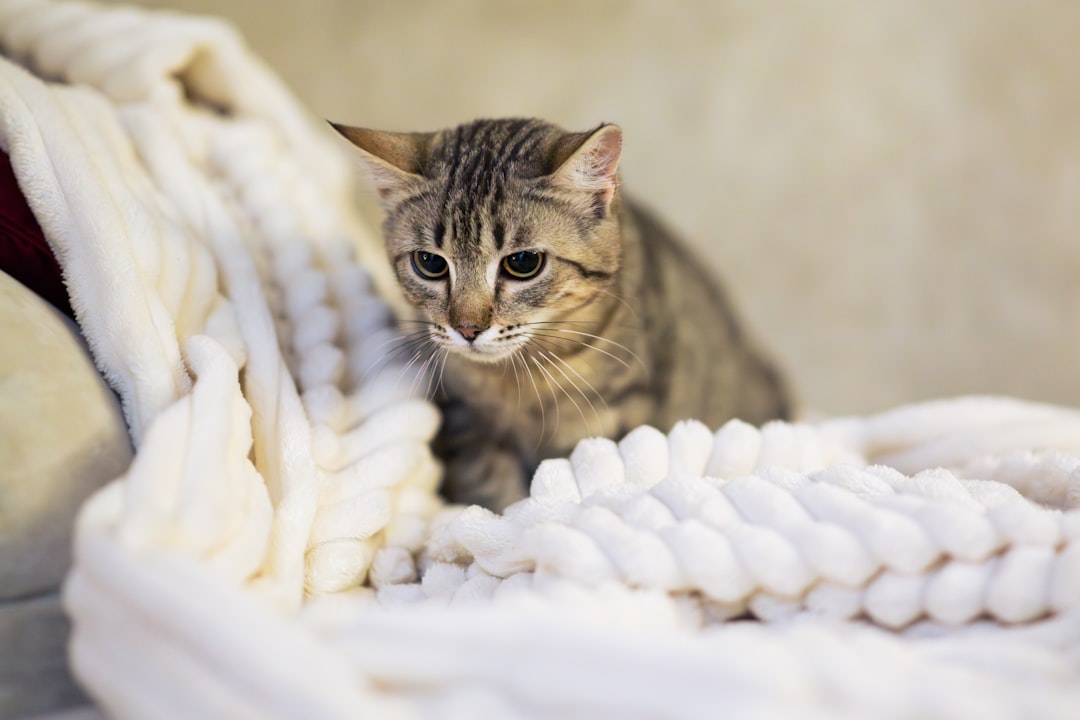
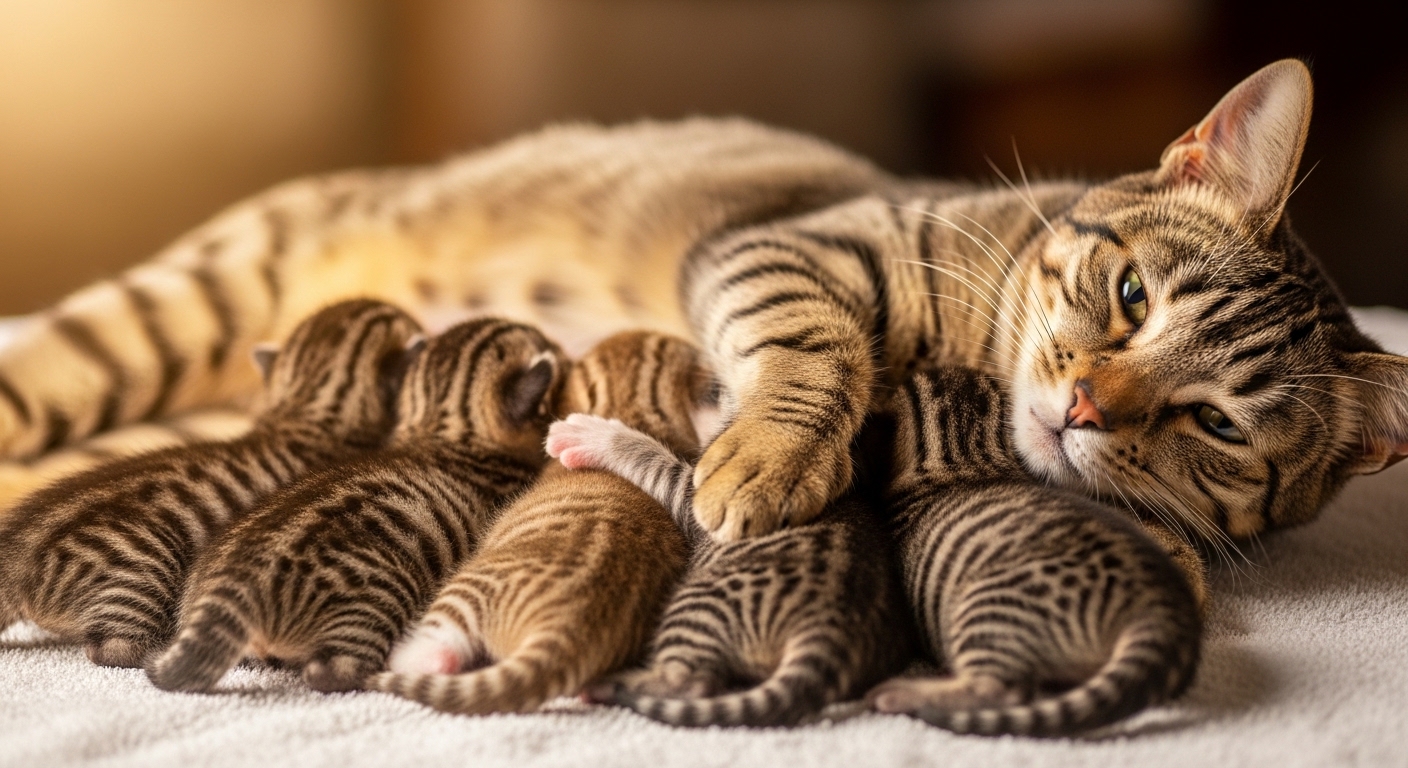
Kneading starts at birth. Newborn kittens press their paws against their mother's mammary glands to stimulate milk flow — a behavior that is entirely practical in those first weeks of life. The motion activates the milk supply and keeps the kitten fed. What makes it interesting is that this behavior does not simply disappear once a cat is weaned. Instead, it gets rewired in the brain and becomes associated with comfort, safety, and contentment rather than hunger.
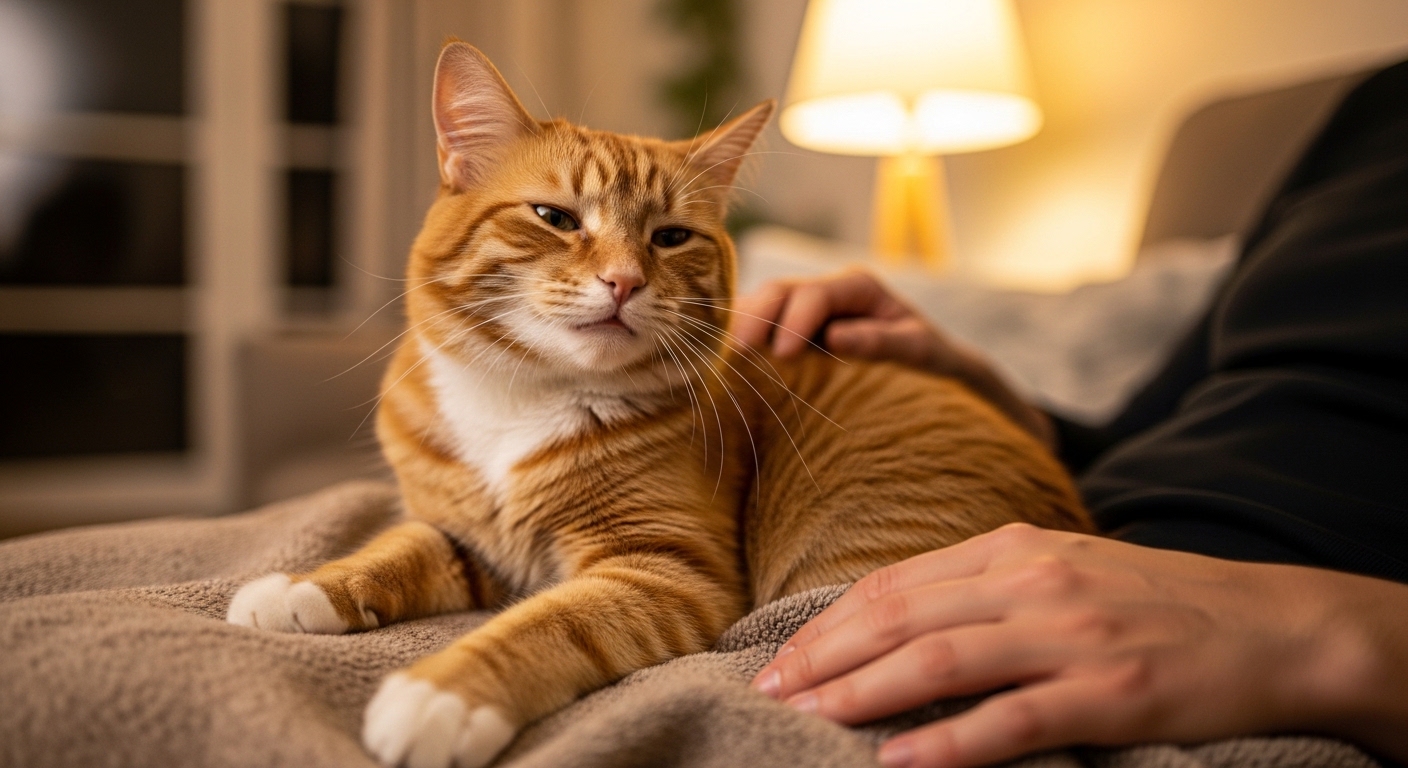
Adult cats knead when they feel secure. The neurological link between the physical motion and the emotional state of calm appears to persist well into adulthood, which is why a cat kneading on your lap is, in a fairly direct sense, treating you like a source of warmth and safety — the same way they once treated their mother. Some researchers suggest the behavior may also trigger the release of calming hormones, though the exact mechanism in cats is still being studied.
There is also a territorial angle worth knowing about. Cat paws contain scent glands, and kneading on a surface — your blanket, your leg, a favorite cushion — deposits the cat's scent. So while it looks purely affectionate, your cat is also quietly claiming you as theirs. Both things can be true at once.
Step-by-Step: Reading What Your Cat's Kneading Is Telling You
Kneading is not a single, uniform signal — the context around it tells you quite a lot about what your cat is actually feeling in that moment. Here is how to read the behavior more accurately:
- Check the purring: Kneading paired with steady purring almost always signals deep relaxation. Your cat is not asking for anything — they are simply content.
- Watch the eyes: Slow blinking or half-closed eyes during kneading indicate trust. A cat kneading while staring hard at something else may be self-soothing rather than expressing affection toward you specifically.
- Notice the surface they choose: Cats tend to knead on surfaces or people they feel bonded to. If your cat consistently picks your chest or your partner's lap but never the other, that preference is meaningful.
- Observe the intensity: Gentle, slow kneading usually means calm contentment. Rapid, intense kneading — especially if the cat seems restless — can sometimes indicate stress or overstimulation, and it may be worth giving them some space.
- Look for drooling: Some cats drool lightly while kneading, which sounds alarming the first time you see it but is generally considered normal. It is thought to be linked to the same early nursing memory. If drooling is excessive or new, consult your veterinarian.
Learning to read these small variations takes a few weeks of observation, but once you can tell the difference between a relaxed knead and an anxious one, you will understand your cat's emotional state much more clearly.
Common Mistakes Owners Make About Kneading
The most frequent mistake is punishing or abruptly stopping the behavior. Kneading is deeply instinctive — scolding a cat for it is a bit like scolding them for blinking. It will not stop the behavior, and it may confuse or stress the cat, particularly if they were kneading as a way to self-soothe.
Another common error is assuming that kneading always means the cat wants to be petted. Some cats knead as a kind of private ritual — they are in their own world, and reaching over to stroke them mid-knead can actually interrupt something calming for them. Read the other body language signals first before deciding whether to engage.
A few other mistakes worth avoiding:
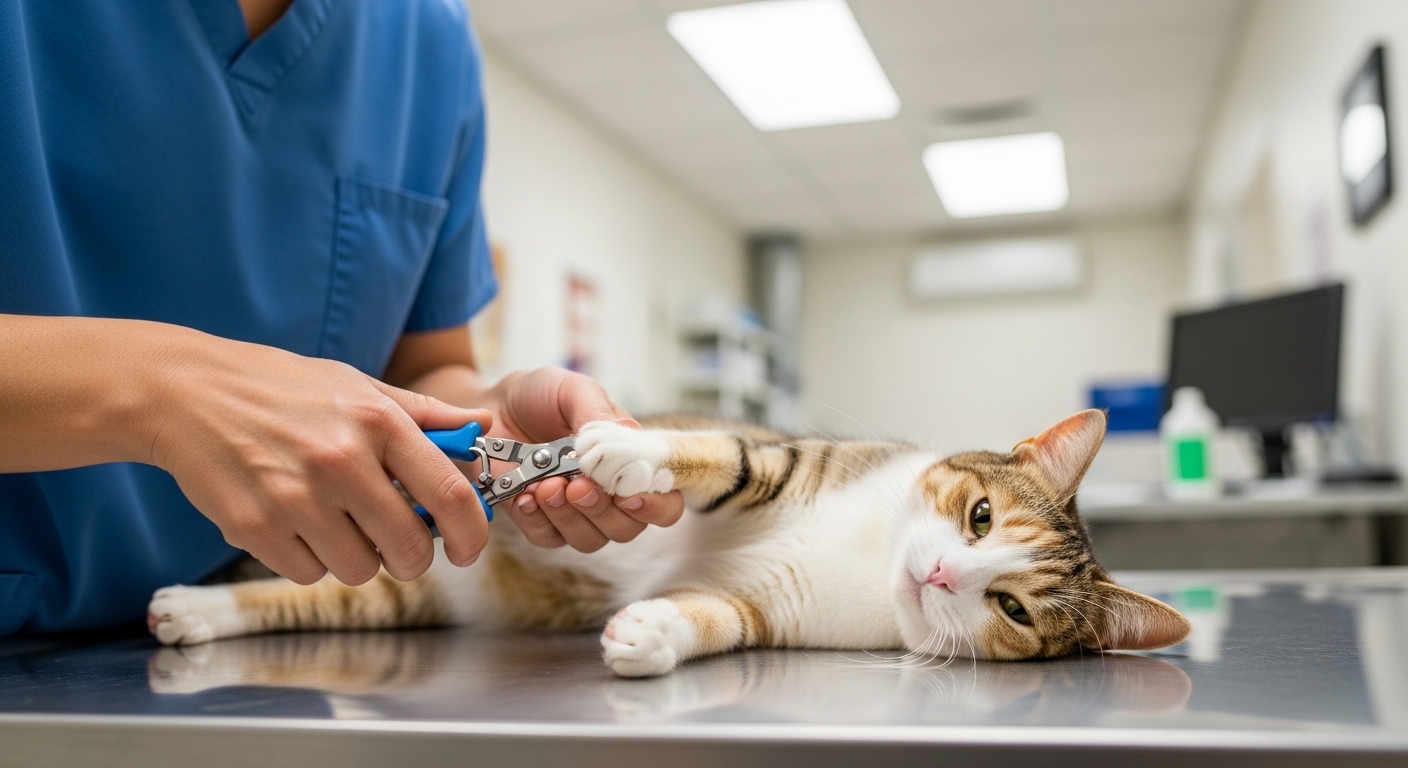
- Letting sharp claws go untrimmed and then resenting the kneading — trimming nails regularly is the practical fix, not discouraging the behavior itself.
- Assuming a cat that never kneads is unhappy or less bonded. Some cats simply do not carry the behavior into adulthood, and that is entirely normal.
- Confusing kneading with scratching behavior and responding the same way — they have different causes and need different responses.
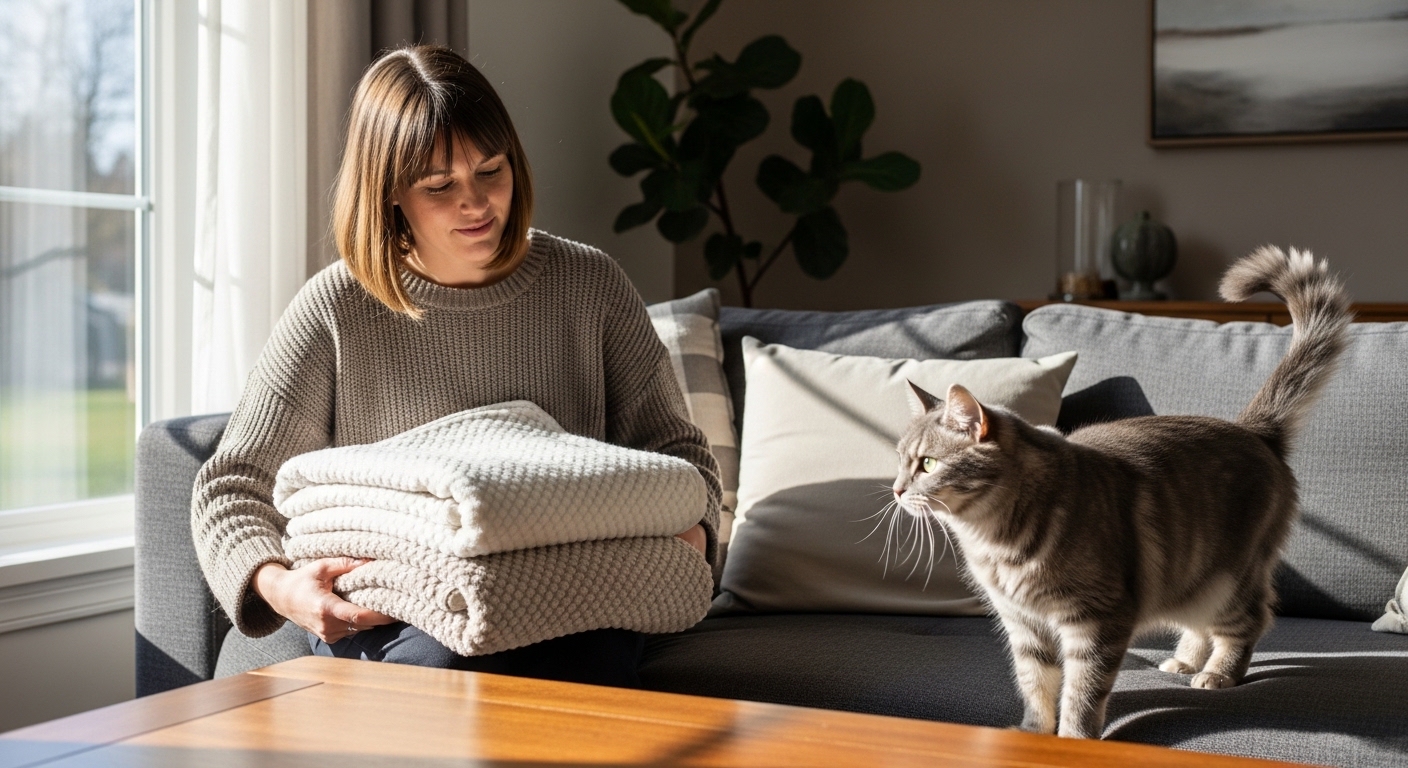
A thick folded blanket kept on your lap is genuinely the easiest solution to the claw problem — your cat still gets to knead, and your legs stay intact.
Expert Tips for Living Comfortably With a Kneading Cat
Trim your cat's nails every two to three weeks. This single habit changes the experience of kneading from something you dread to something you can tolerate — or even enjoy. Many vets suggest starting nail trims early in a cat's life so they become routine rather than a battle, though older cats can usually be conditioned to accept it with patience and treats.
Keep a dedicated kneading blanket. Cats are creatures of habit, and if you consistently place the same soft blanket on your lap before your cat settles in, many will begin to associate the blanket with kneading time and use it reliably. It protects your clothes and gives the cat a familiar, scent-marked surface — which they seem to prefer anyway.
Do not try to redirect kneading to a cat bed or separate surface if the cat is kneading on you specifically. The point, for them, is proximity to you. Redirecting them away defeats the purpose of what they are doing. If the location is genuinely inconvenient, gently shifting them to your side while keeping contact is usually more successful than moving them entirely.
If your cat kneads obsessively — many times a day, for long stretches, seemingly unable to stop — that pattern may be worth mentioning to your vet. In some cases, compulsive repetitive behaviors in cats can signal underlying anxiety, and a professional can help you figure out whether what you are seeing is normal variation or something that needs attention.
When to See a Professional
Kneading itself is not a medical concern. But there are a few situations where it makes sense to loop in your vet or a certified cat behaviorist:
- The kneading is accompanied by other signs of distress — hiding, changes in appetite, or increased vocalization — which may suggest anxiety or a health issue.
- Your cat has started kneading surfaces obsessively and cannot seem to settle, which in some cases may indicate a compulsive behavior pattern worth evaluating.
- There is drooling that seems excessive, sudden, or is paired with other unusual symptoms.
- Your cat is kneading and then biting or scratching you unpredictably — this may be overstimulation, and a behaviorist can help you identify the triggers.
A certified cat behaviorist (look for credentials through the International Association of Animal Behavior Consultants) can be genuinely useful if you are dealing with behavioral patterns you cannot figure out on your own. They are not just for problem cats — sometimes you just need someone to watch your cat for twenty minutes and tell you what you are actually looking at.
Frequently Asked Questions
Why does my cat knead me but not my partner?
Cats tend to knead the people or surfaces they feel most bonded to or most comfortable with. It may reflect who feeds them, who they spend the most calm time with, or simply whose scent they find most familiar and reassuring. It is not a slight against your partner — cats are just specific about their comfort sources.
Should I stop my cat from kneading?
There is rarely a good reason to stop the behavior entirely, since it is instinctive and generally harmless. If the claws are the issue, regular trimming and a lap blanket solve most of the problem without suppressing something that is clearly comforting to your cat. Redirecting or punishing the behavior tends to create more stress than it resolves.
My cat kneads and then falls asleep — is that normal?
Very common. Kneading appears to have a self-soothing effect, and many cats use it as a wind-down ritual before sleep, much the way some people need to read or listen to something quiet before they can settle. If your cat reliably kneads before napping, they have likely just built it into their routine.
Kneading is one of those behaviors that looks simple on the surface but carries a fair amount of history and emotional information once you start paying attention to it. Your cat is not performing for you — they are doing something that their nervous system finds genuinely regulating. The practical takeaway is straightforward: keep the nails trimmed, keep a blanket handy, and let the cat do its thing. A cat that feels safe enough to knead on you is, by most measures, a cat that is doing reasonably well.
Comments
Post a Comment