If your dog bolts under the bed the moment you reach for the brush, you are definitely not alone. Many dogs — from anxious rescues to stubbornly independent breeds — treat grooming sessions like a trip to the dentist. The good news is that with the right desensitization techniques, patience, and a generous supply of treats, you can transform brushing from a dreaded battle into a calm, even enjoyable ritual. The journey takes time, but the bond you build along the way makes every small step absolutely worth it — and your dog's coat will thank you too.
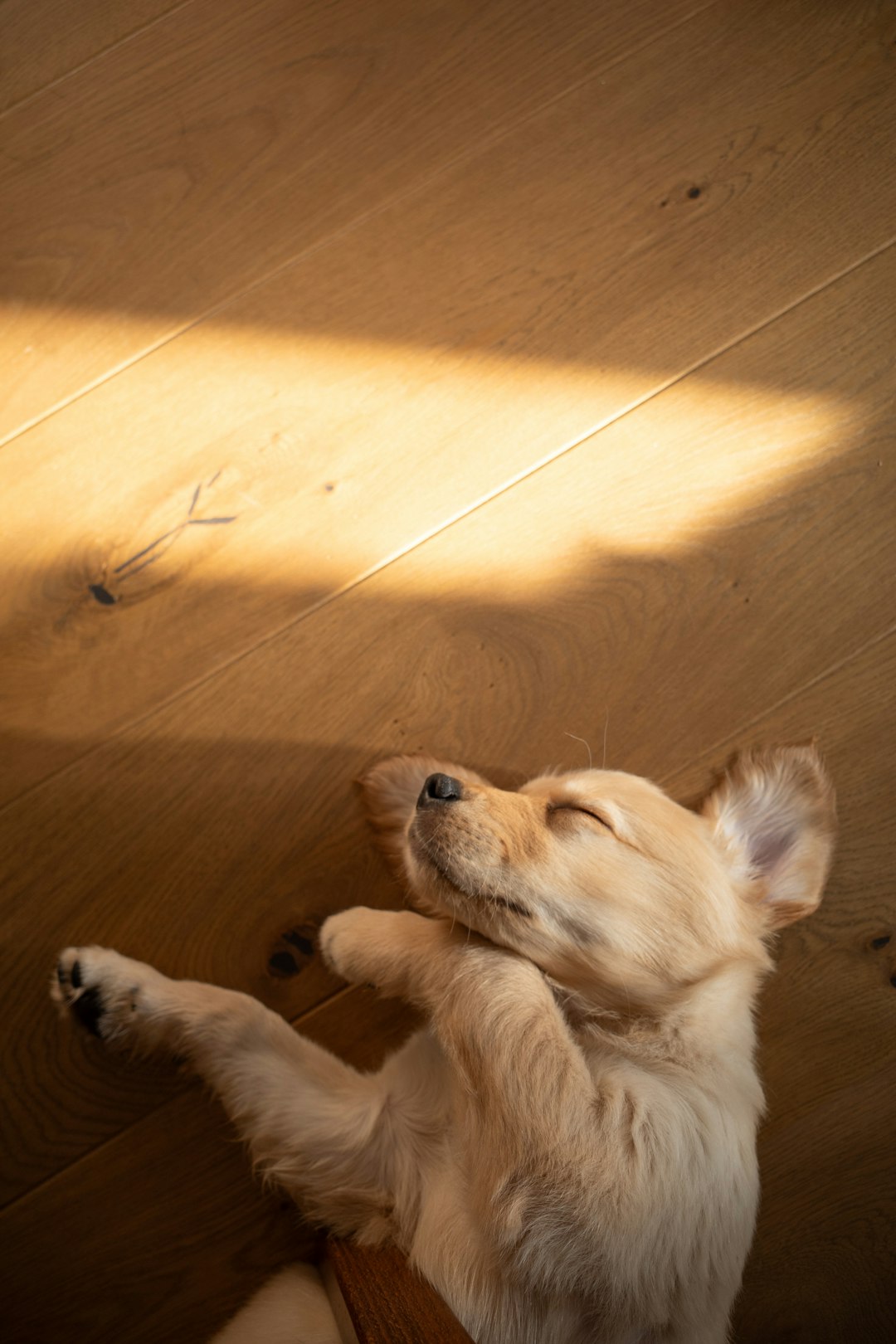
Why It Happens: The Science Behind Brush Aversion
Understanding why your dog hates being brushed is the first step toward fixing it. Dogs do not come pre-programmed to enjoy having a foreign object dragged through their fur — tolerance for grooming is almost entirely learned. Several factors may contribute to a dog's resistance:
- Negative past experiences: A painful mat being yanked out or an overly rushed grooming session can create a lasting negative association.
- Sensory sensitivity: Some dogs have more sensitive skin or nerve endings, making even gentle brushing feel uncomfortable or startling.
- Lack of early socialization: Puppies that were not gradually introduced to handling and grooming tools may grow into adults who find the experience deeply unsettling.
- Breed predisposition: Certain breeds, particularly those bred for independence or high alertness, may be naturally more resistant to prolonged physical handling.
- Anxiety or trauma: Dogs with general anxiety disorders or a history of trauma may generalize fear to many types of physical contact.
From a behavioral science perspective, a dog's aversion to brushing is often a classically conditioned fear response — the brush has become a reliable predictor of discomfort, so the dog reacts defensively before any discomfort even begins. Recognizing this helps us understand that punishment or force will only deepen the fear, while positive, gradual exposure is the key to lasting change.

Step-by-Step Desensitization Training Method
Desensitization works by slowly and systematically introducing the brush at a level your dog can handle, pairing each step with something wonderful, and only progressing when your dog is genuinely comfortable — not just tolerating. Think of it as building a ladder, one rung at a time, where every rung is paved with high-value treats and calm praise.
- Choose the right brush first. Make sure you are using a brush appropriate for your dog's coat type. A slicker brush, bristle brush, or deshedding tool all feel very different. Using the wrong one can cause unnecessary discomfort from the very start.
- Introduce the brush as a neutral object. Place the brush on the floor and let your dog sniff and investigate it freely. Reward any calm interaction with a treat. Do this for several short sessions before moving on.
- Touch the brush to your dog without brushing. Simply rest the brush gently against your dog's shoulder or back for one second, then immediately reward. Repeat until your dog looks relaxed or even expectant.
- Add a single, slow stroke. One gentle stroke along the back, followed immediately by a high-value treat. Keep sessions to two or three minutes maximum at this stage.
- Gradually increase duration and coverage. Over multiple sessions spanning days or weeks, slowly increase the number of strokes and the areas you cover — always watching your dog's body language and retreating a step if stress appears.
- Introduce more sensitive areas last. Ears, paws, tail, and belly are typically the most sensitive zones. Save these for when your dog is already comfortable with the rest of the process.
- Build a grooming routine. Consistency helps enormously. Short, predictable sessions at the same time of day can help your dog understand that brushing is just a normal, finite part of life.
Pro tip: Always end every session on a positive note — even if that means stopping after just one stroke. Ending while your dog is still calm and happy is far more valuable than pushing through until they shut down.
The most important rule throughout this entire process is to let your dog set the pace, because a dog who feels in control of the situation is a dog who learns to trust it.
Common Mistakes That Make Things Worse
Even the most well-meaning pet owners can accidentally reinforce their dog's fear or slow down progress. Being aware of these pitfalls can save you weeks of backtracking.
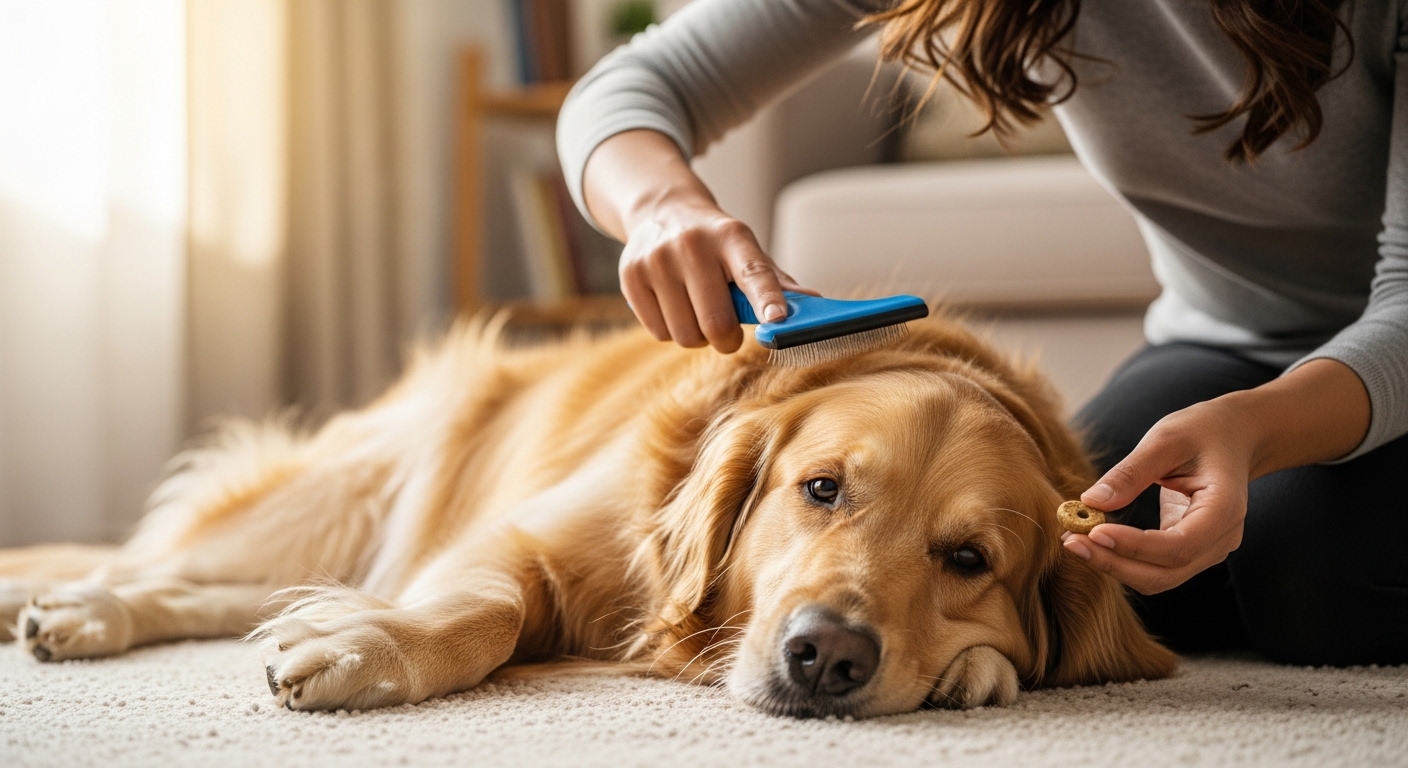
- Pushing through resistance. Forcing a struggling dog to "just get through it" may seem efficient, but it confirms the dog's fear and makes the next session harder. Always stop before your dog reaches their stress threshold.
- Using soothing, anxious voices. Saying "it's okay, it's okay" in a worried tone can actually reinforce anxiety. Use a calm, matter-of-fact voice instead — act like brushing is the most normal, boring thing in the world.
- Skipping the warm-up. Jumping straight into brushing without a short play session or calm petting beforehand means your dog starts the session already tense. A few minutes of relaxed connection first can make a significant difference.
- Inconsistent sessions. Brushing only when the coat is severely matted means your dog only ever experiences long, uncomfortable sessions. Regular short sessions are far less stressful and more effective.
- Rewarding fearful behavior at the wrong moment. Giving treats while your dog is actively struggling or whining may inadvertently reward the panic itself. Wait for even a brief moment of stillness before rewarding.
- Moving too fast through the steps. Desensitization is not a race. Many dogs need days or even weeks at a single step before they are truly ready to move forward.
Expert Tips to Make Brushing Easier
Beyond the core desensitization steps, experienced trainers and groomers have a toolkit of clever strategies that can dramatically smooth the process. Here are some of the most effective ones to add to your routine:
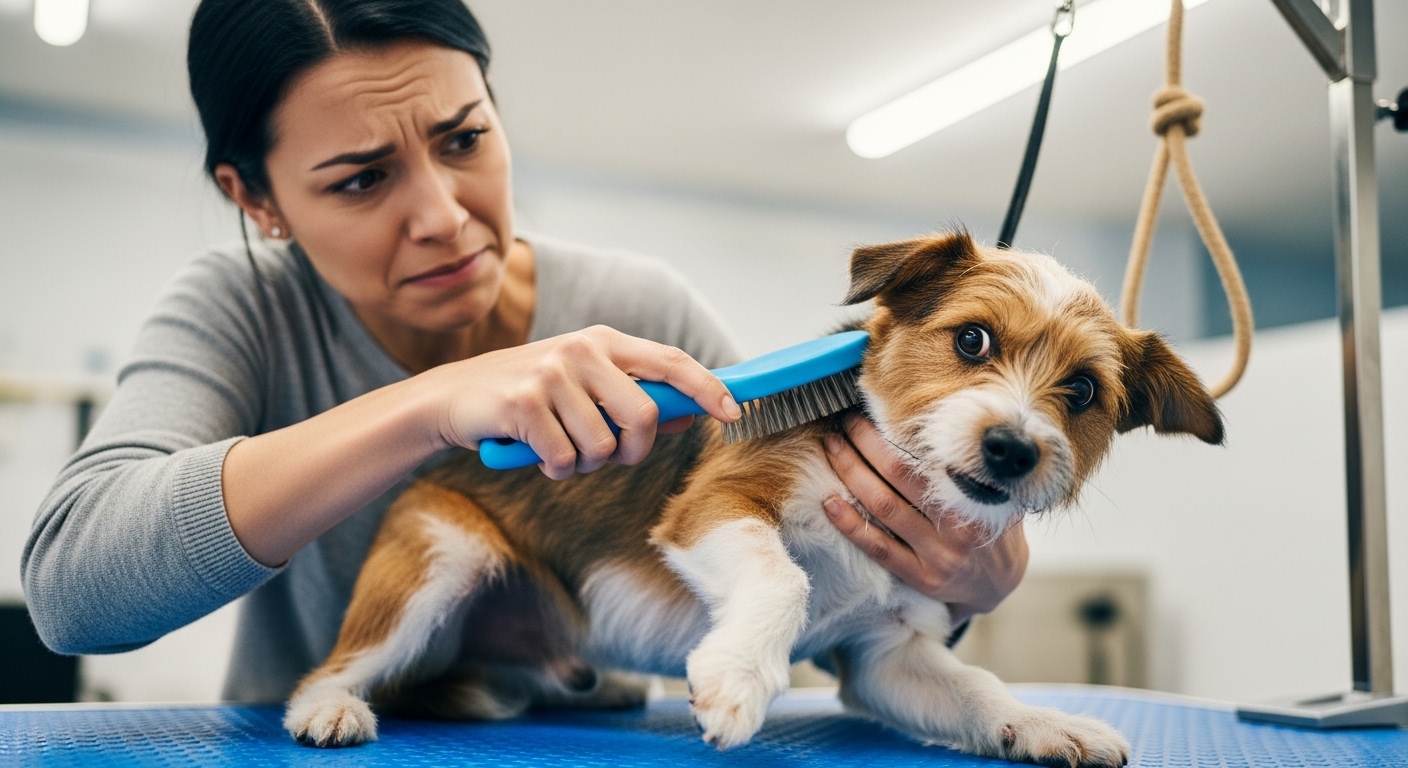
- Use a lick mat or snuffle mat: Smearing a lick mat with peanut butter (xylitol-free) or wet food gives your dog a delicious, absorbing task during brushing, effectively distracting them in the most positive way possible.
- Try a grooming arm or helper: Having a second person offer treats while you brush can help your dog associate the brush with a steady stream of rewards rather than focusing on the sensation.
- Brush after exercise: A well-exercised dog is a calmer dog. A brisk walk or play session before grooming can lower your dog's overall arousal level significantly.
- Warm up the brush: Cold metal tools can be startling. Warming a brush slightly in your hands before use can make the first contact far less jarring for sensitive dogs.
- Experiment with brush types: Some dogs who hate slicker brushes tolerate rubber grooming gloves beautifully, since the sensation is closer to being petted. Finding the right tool is sometimes half the battle.
- Keep sessions short and frequent: Three two-minute sessions spread across a day will almost always outperform one six-minute session in terms of both coat maintenance and emotional wellbeing.
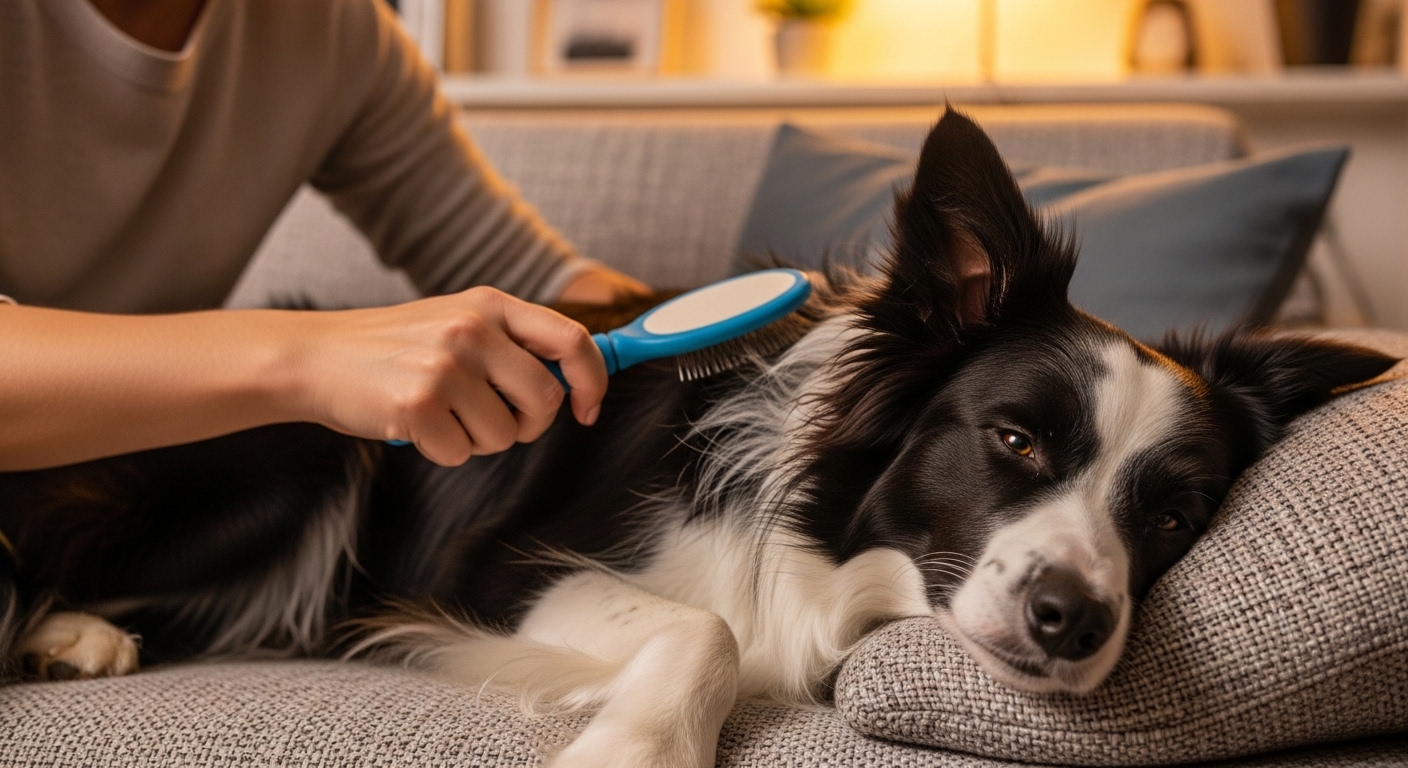
- Incorporate grooming into daily petting: Casually running a soft brush over your dog while you are relaxing together on the sofa blurs the line between grooming and affection, which many dogs find far less threatening.
When to See a Professional
Desensitization works for the vast majority of dogs, but there are situations where professional support is the wisest and kindest choice. Consider reaching out to an expert if:
- Your dog shows aggression — growling, snapping, or biting — during any part of the grooming process. This is a safety concern that warrants guidance from a certified professional trainer or veterinary behaviorist.
- Your dog's fear appears to be part of a broader anxiety disorder that affects many areas of daily life. In some cases, many vets suggest that behavioral medication may help create the emotional space needed for training to succeed — always consult your veterinarian for guidance on this.
- Your dog's coat has become severely matted and cannot be safely managed at home. A professional groomer experienced with anxious dogs may be able to address the immediate coat issue while you continue desensitization training in parallel.
- You have been working consistently for several weeks with no measurable improvement. A certified professional dog trainer (CPDT-KA) or a veterinary behaviorist can assess what might be blocking progress and offer a tailored plan.
There is absolutely no shame in asking for help — in fact, seeking expert support early often leads to faster, more lasting results than struggling alone for months.
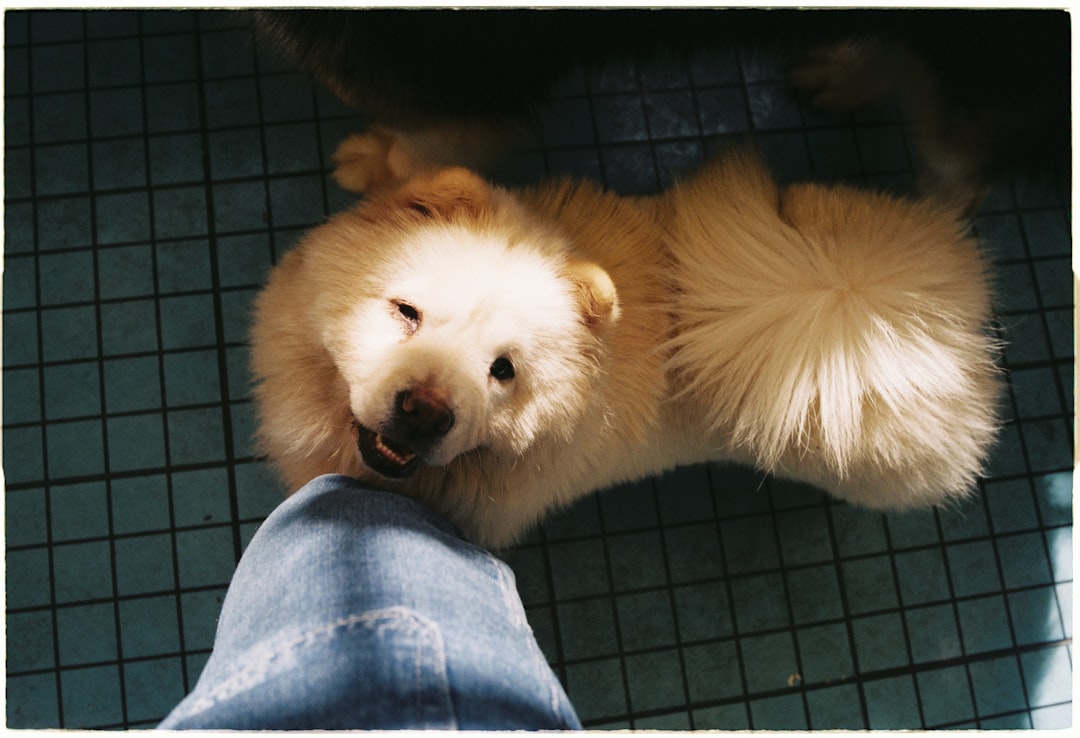
With patience, consistency, and a whole lot of treats, the dog who once fled at the sight of a brush can become one who trots over calmly and waits for the session to begin. It is one of the most rewarding transformations you will experience as a pet owner — proof that trust, built one gentle stroke at a time, can genuinely change everything. Here is a final look at the calm, happy grooming relationship you are working toward with your dog.
Comments
Post a Comment