We all love an enthusiastic greeting from our furry best friends, but a dog that constantly jumps on people can quickly become overwhelming. Whether you have a tiny terrier or a giant Great Dane, jumping is a common behavioral issue that can lead to scratched legs, knocked-over guests, and a whole lot of frustration. Fortunately, with a little patience and positive reinforcement, you can teach your pup to keep all four paws on the floor. Let's take a look at a happy, well-behaved dog calmly greeting a guest at the front door.

Why It Happens
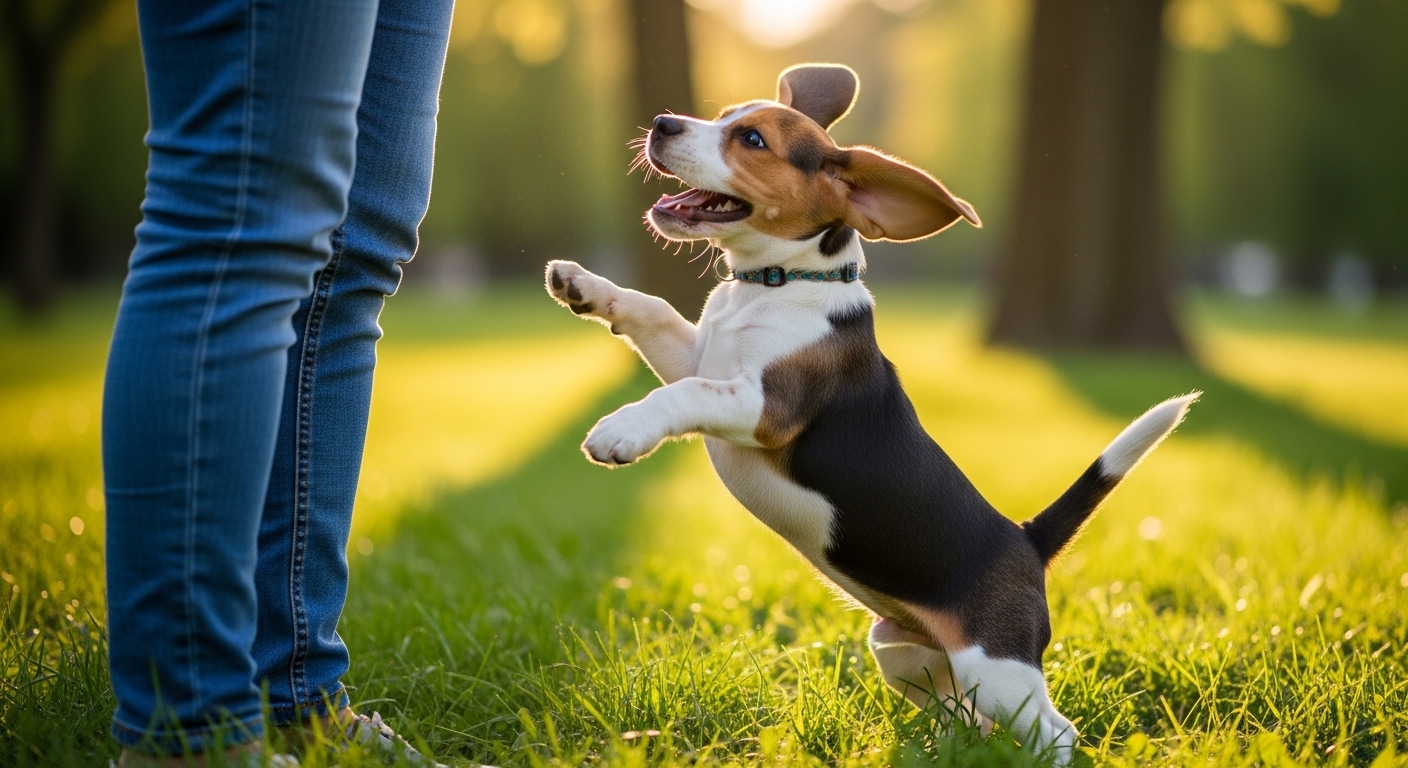
To fix the behavior, we first need to understand why dogs jump in the first place. For most dogs, jumping is simply a natural, instinctual way to say hello. Puppies jump up to reach their mother's face to lick and show affection, and this behavior naturally transfers to their human family. Since our faces are high up, dogs jump to get closer to our level. Furthermore, jumping often gets them exactly what they want: attention. Even if you are pushing them away or scolding them, to a dog, any attention is a reward. You can easily see this natural enthusiasm when a young puppy excitedly bounces up to greet its owner in the park.
Step-by-Step Training Method
The secret to stopping this behavior is teaching your dog that they only get attention when they are standing or sitting calmly. Here is a simple, positive reinforcement method to help you achieve this:
- Turn your back: The moment your dog jumps, immediately turn around and cross your arms. Do not speak, make eye contact, or touch them.
- Wait for calm: Wait patiently until your dog puts all four paws on the ground.
- Reward the good behavior: As soon as they are standing calmly or sitting, turn back around and offer calm praise and a high-value treat.
- Repeat consistently: If they jump again when you turn back, immediately turn away again. Consistency is the key to success.
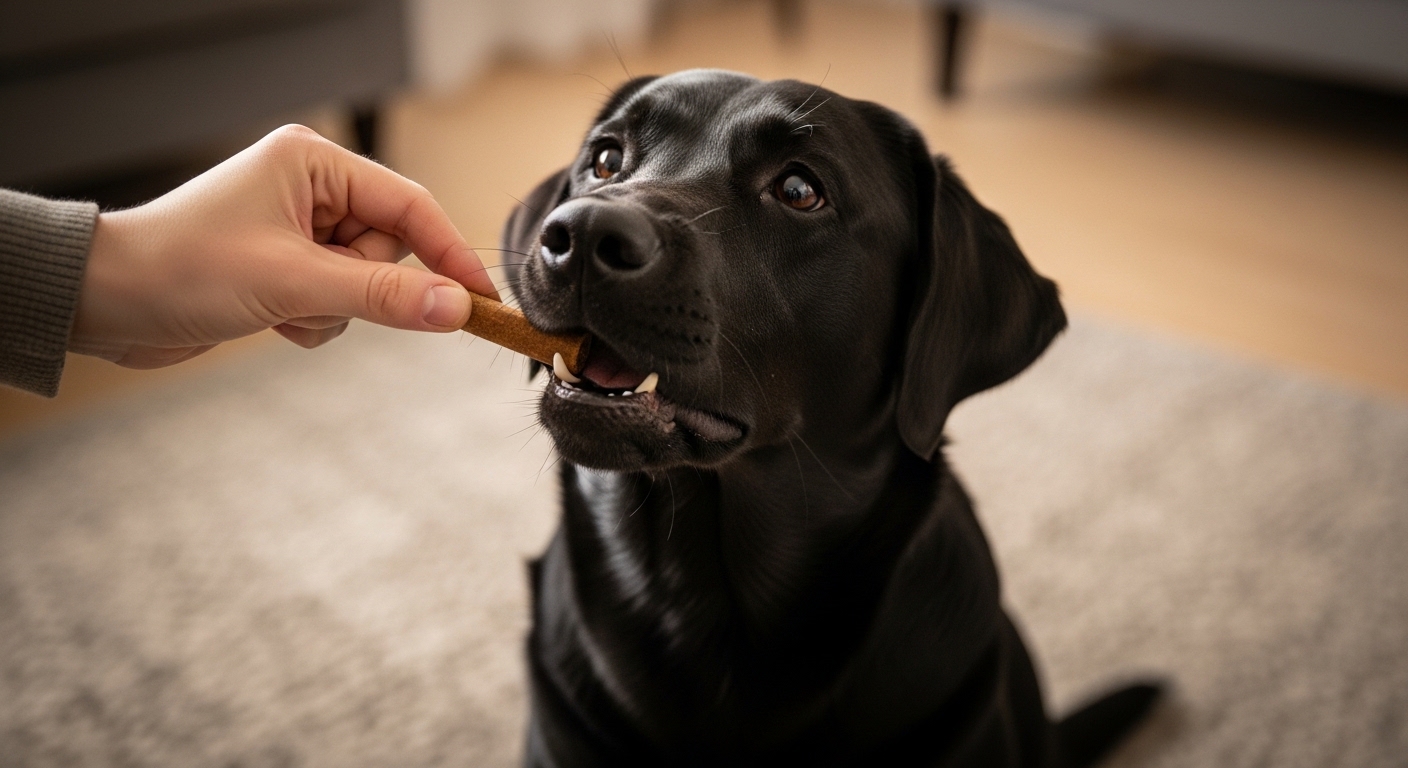
Practicing this routine daily will help your dog understand the new rules of engagement. It is incredibly rewarding to finally see your dog sitting patiently for a tasty training treat.
Common Mistakes
Training takes time, and it is easy to accidentally reinforce the wrong behaviors. Here are the most common pitfalls to avoid during your training journey:
- Inconsistency among family members: If one person lets the dog jump but another does not, the dog will remain confused. Everyone must follow the same rules.
- Using negative physical corrections: Pushing your dog away or kneeing them in the chest can be dangerous and often makes the dog more excited or anxious.
- Getting too excited during praise: If your praise is too loud or energetic, it might trigger the dog to start jumping all over again.
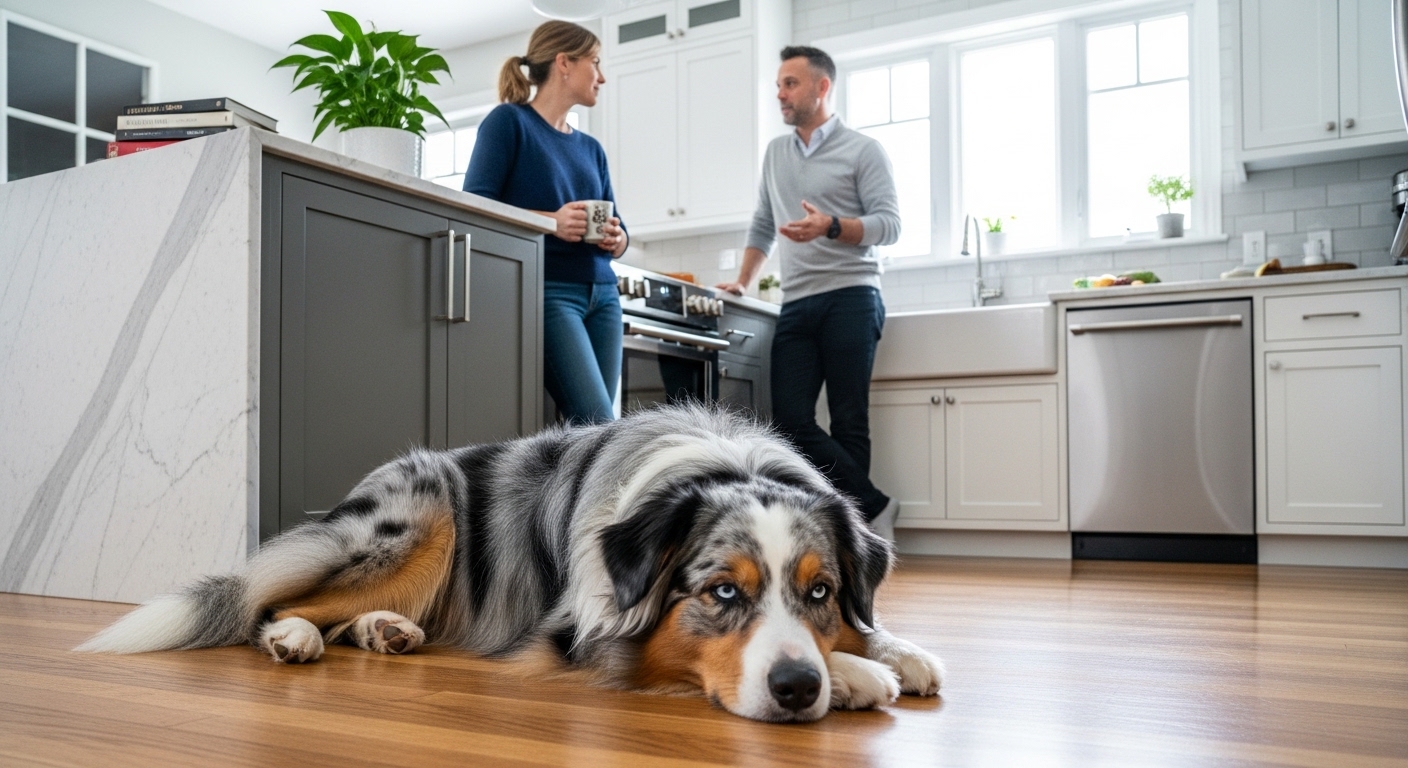
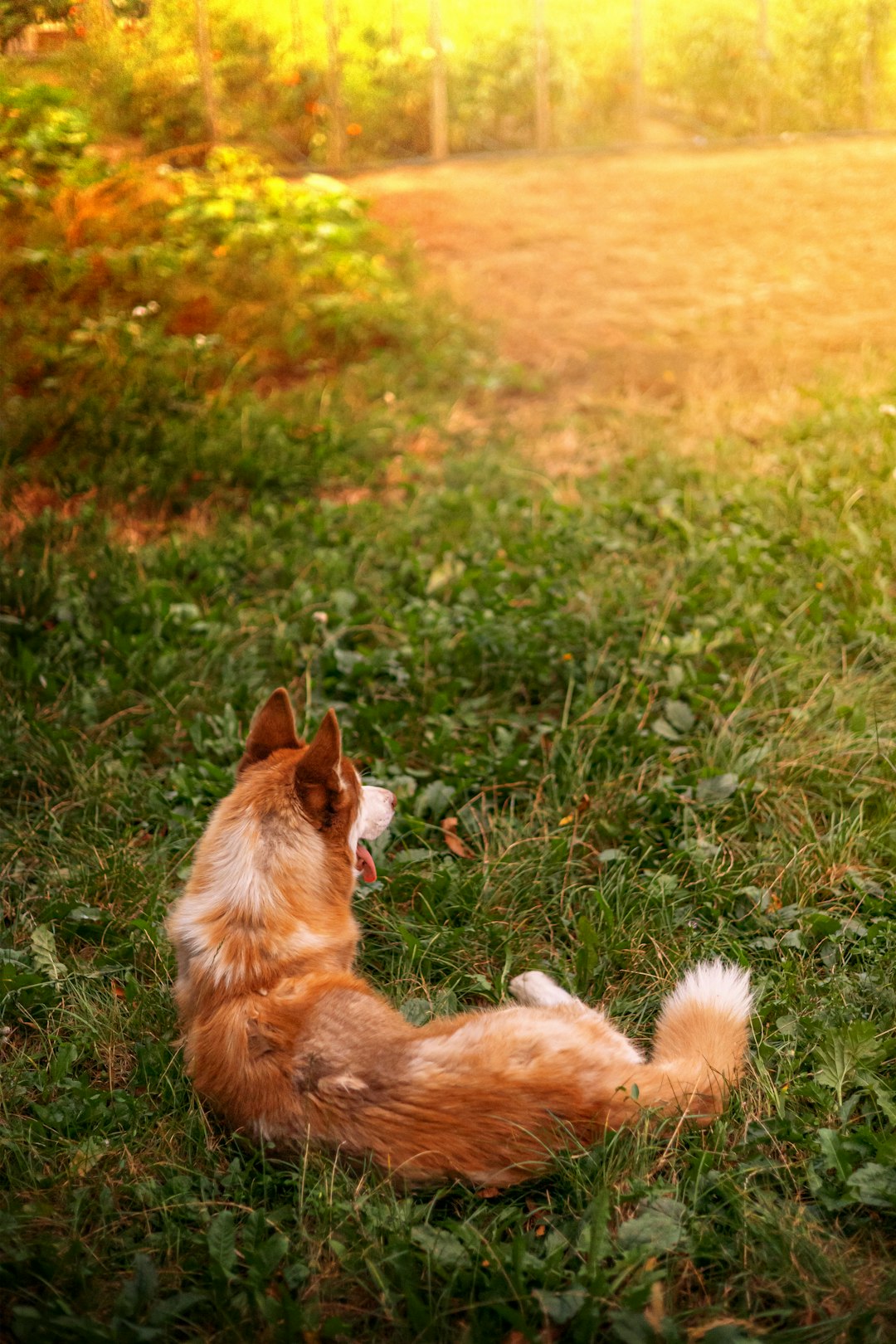
Avoiding these errors will make the learning process much smoother for your furry companion. Just imagine how peaceful your home will be when your dog learns to relax quietly by your feet while you chat with friends.
Expert Tips
To speed up your progress, try managing your dog's environment before they even have the chance to jump. If you know guests are coming over, consider putting your dog on a leash or behind a baby gate until they settle down.
Pro Tip: Keep a jar of treats right by the front door. When guests arrive, toss a handful of treats on the floor. This naturally keeps your dog's nose (and paws) on the ground while guests enter!
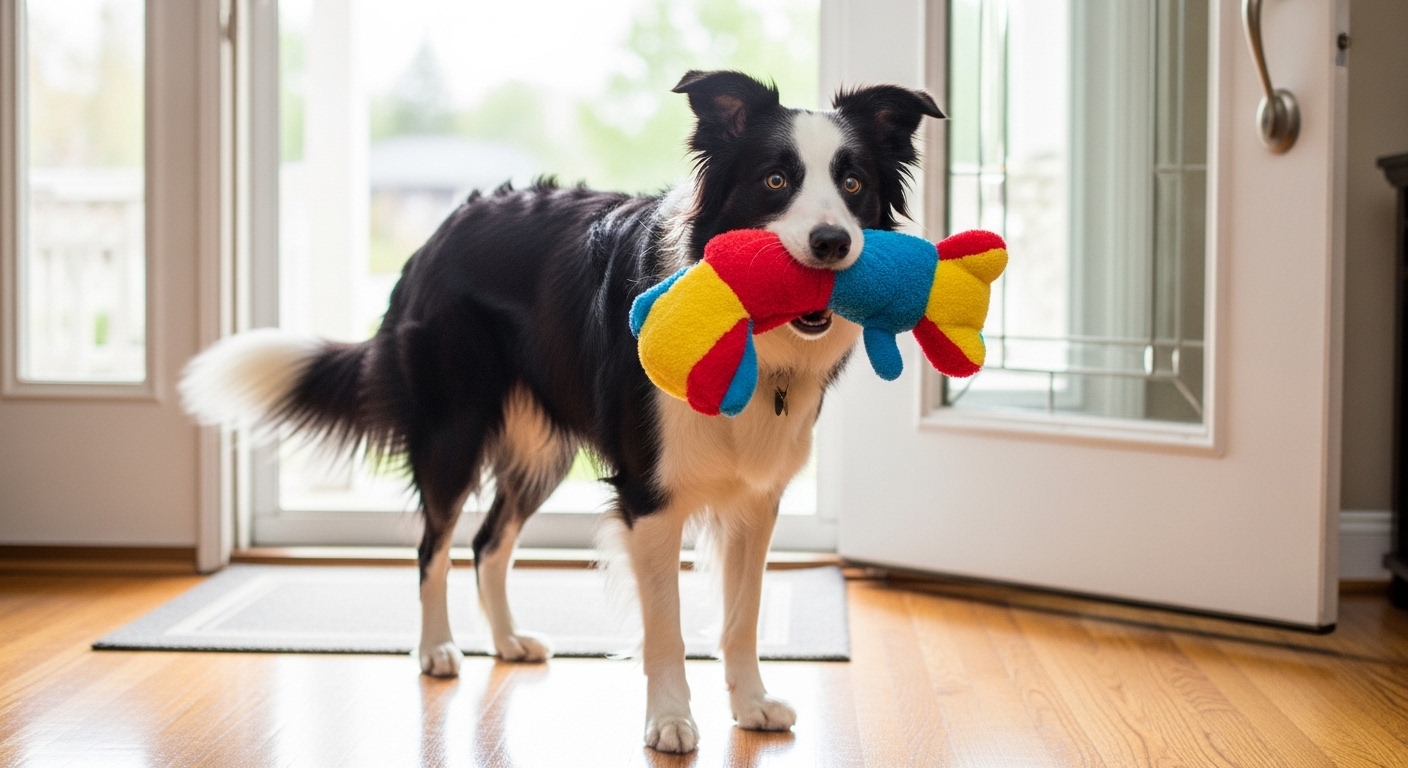
Providing an alternative behavior, like fetching a favorite toy, can also redirect their nervous or excited energy. Notice how happily a dog can carry a stuffed toy instead of jumping on arriving visitors.
When to See a Pro
While positive reinforcement works for the vast majority of dogs, some pups may struggle with extreme over-arousal or anxiety. If your dog's jumping is accompanied by aggressive nipping, frantic behavior, or if you feel overwhelmed, it may be time to seek outside help. In some cases, consulting a certified professional dog trainer or a veterinary behaviorist can provide you with a customized training plan. Always consult your veterinarian if you suspect your dog's hyperactivity might be linked to an underlying health or anxiety issue.
Teaching your dog not to jump requires patience, consistency, and plenty of positive reinforcement. Remember that your dog isn't trying to be bad; they just want to show you how much they love you! By changing how you react to their greetings, you can help them develop polite habits that will make them a joy to have around guests. Keep practicing, stay positive, and celebrate the small victories along the way. Here is a beautiful portrait of a well-mannered dog looking up lovingly, ready to be your best companion.
Comments
Post a Comment