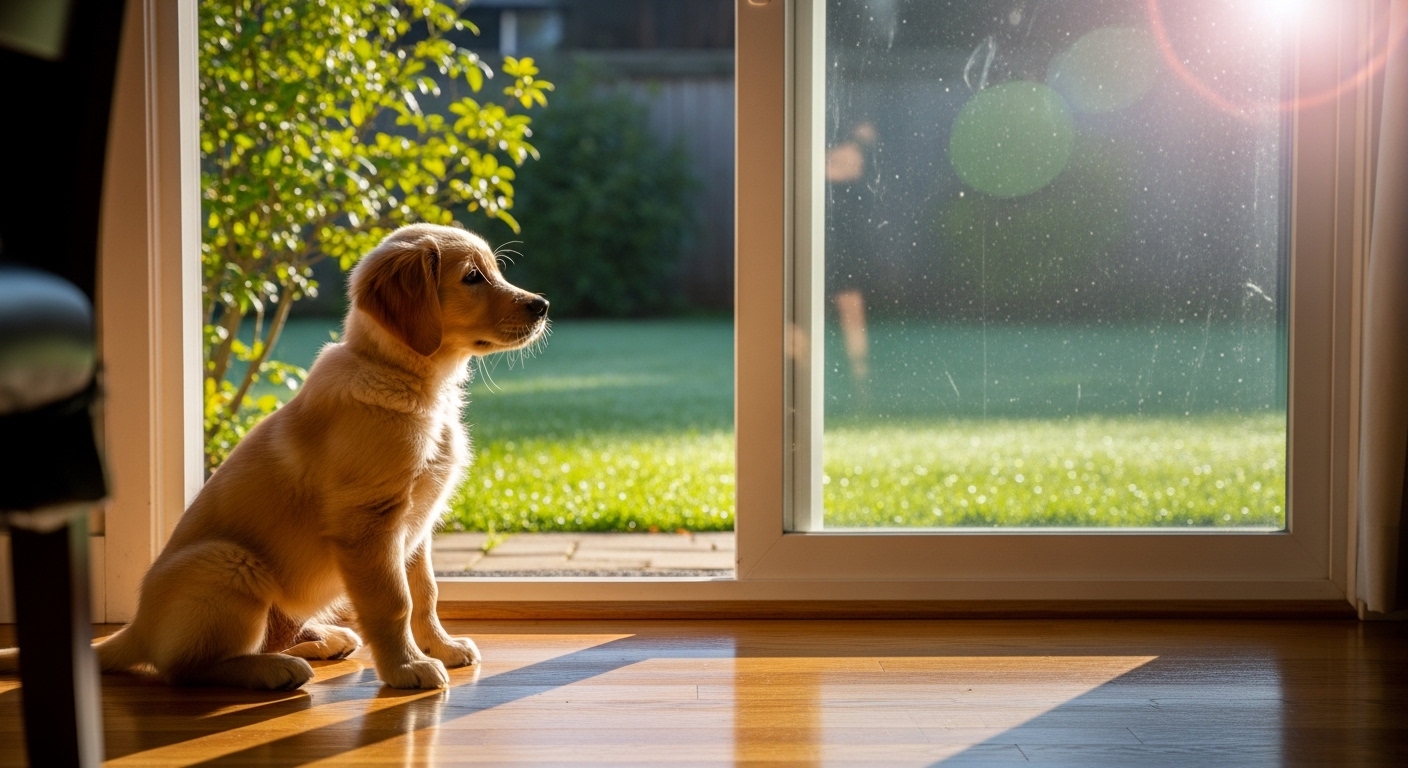
Welcoming a new puppy into your home is an incredibly exciting milestone, but it also brings the immediate challenge of potty training. If you are tired of cleaning up indoor puddles, you might be wondering if there is a fast track to success. While every dog learns at their own pace, utilizing a consistent crate-and-schedule method can help you house-train a puppy in as little as two weeks. You can almost picture your sweet little pup sitting proudly by the door, waiting patiently to go outside.
Why It Happens (The Science of Potty Training)
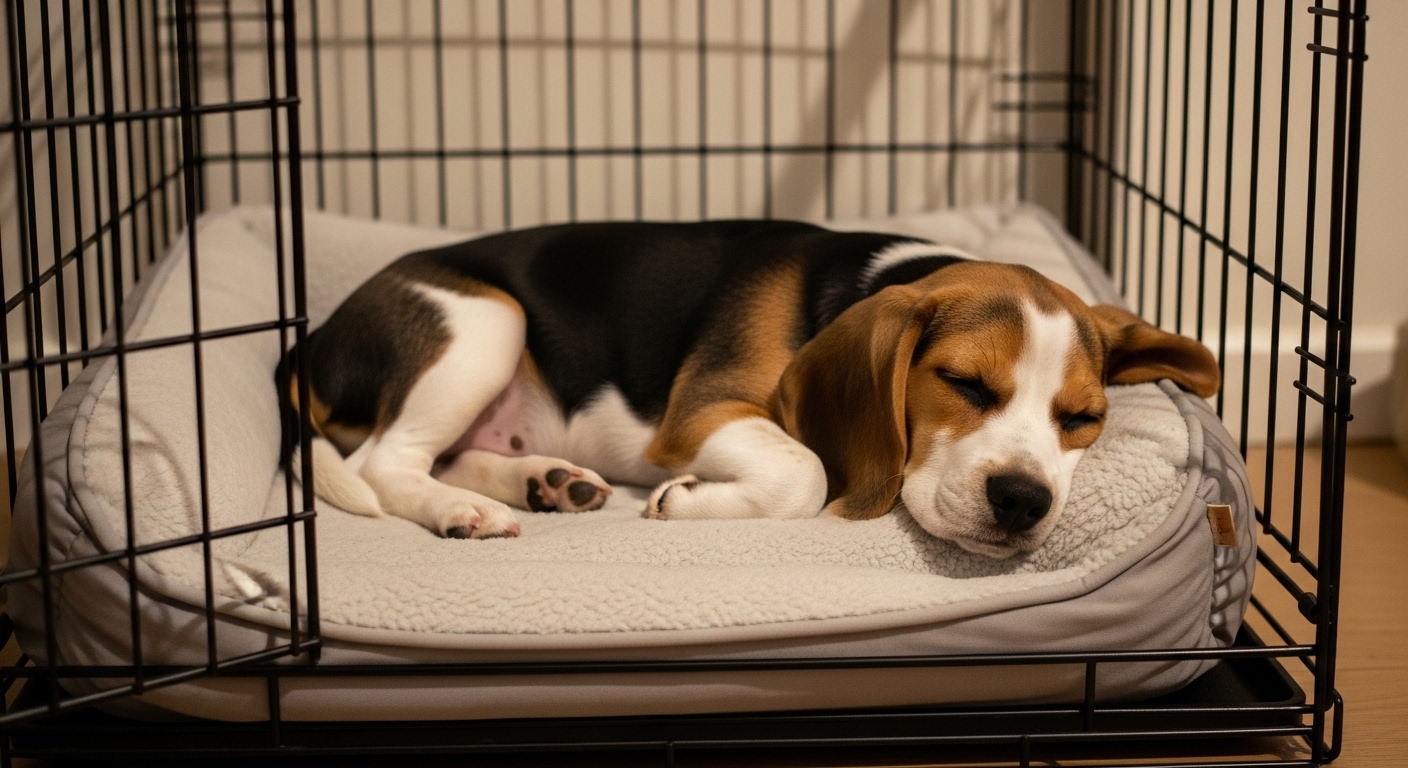
To train your puppy effectively, it helps to understand their biology and natural instincts. Puppies have incredibly small bladders and fast metabolisms, meaning whatever goes in must come out very quickly. However, dogs are also naturally clean animals with a strong denning instinct. In the wild, canines avoid soiling the area where they sleep and eat. This natural denning instinct is exactly why a cozy, properly sized crate becomes your best friend during this process.
Step-by-Step Training Method
The secret to the two-week timeline is absolute consistency. By managing their environment and predicting their needs, you set them up for success. Here is the daily routine you should follow:
- Establish a strict feeding schedule: Feed your puppy at the exact same times every day, and remove the bowl after 15 minutes to regulate their digestion.
- Use the crate wisely: When you cannot actively supervise your puppy with 100 percent attention, place them in their crate.
- Take frequent potty breaks: Take your puppy outside first thing in the morning, immediately after meals, after naps, after playtime, and right before bed.
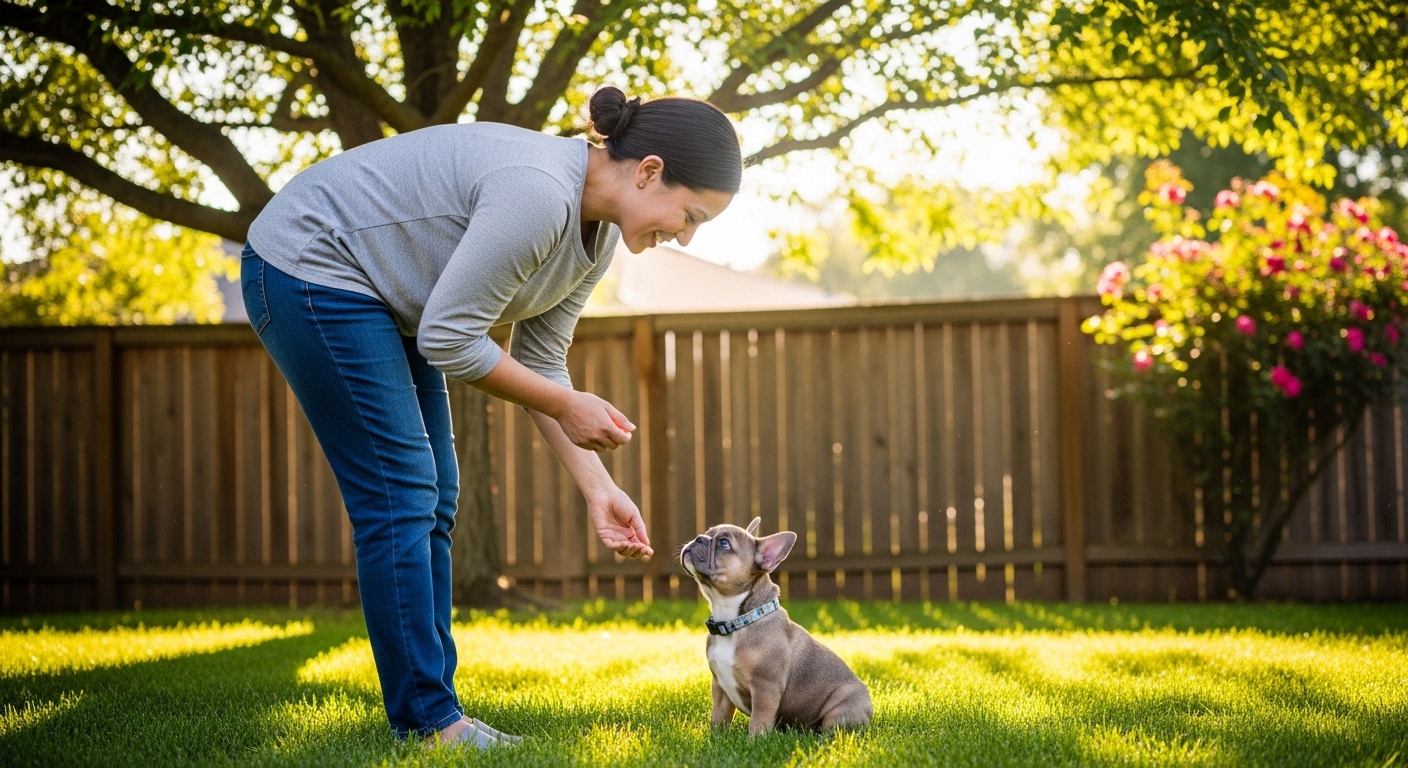
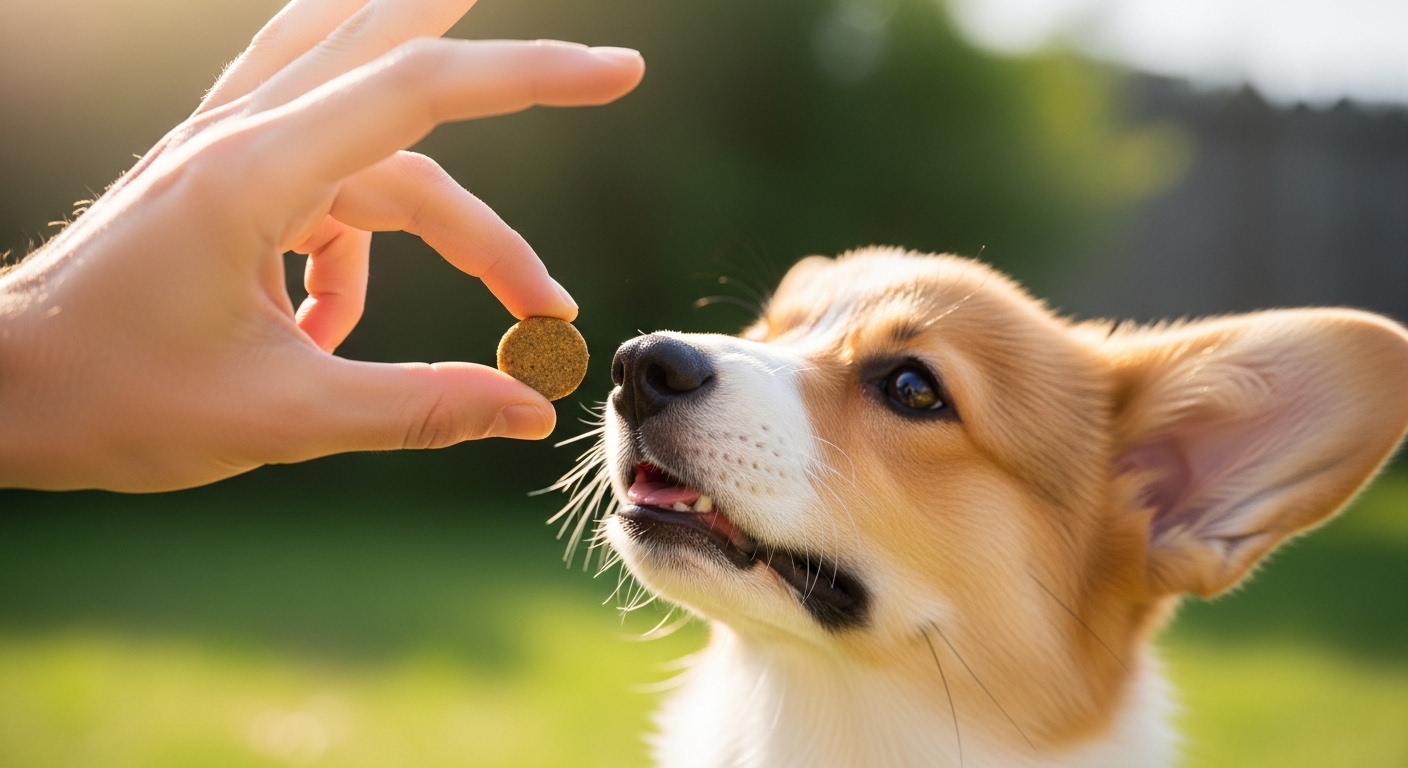
- Praise and reward immediately: The second your puppy finishes going to the bathroom outside, offer a high-value treat and enthusiastic verbal praise.
Following a strict schedule means you will often find yourself standing in the grass, cheering on your furry friend as they do their business.
Common Mistakes
Even with the best intentions, pet parents often unintentionally slow down the house-training process. Avoid these frequent pitfalls:
- Giving the puppy too much unsupervised freedom in the house too soon.
- Using a crate that is too large, allowing the puppy to pee in one corner and sleep in the other.
- Punishing or rubbing the puppy's nose in an indoor accident, which only creates fear.
- Waiting until you get back inside to give the potty treat, which confuses the dog about what they are being rewarded for.
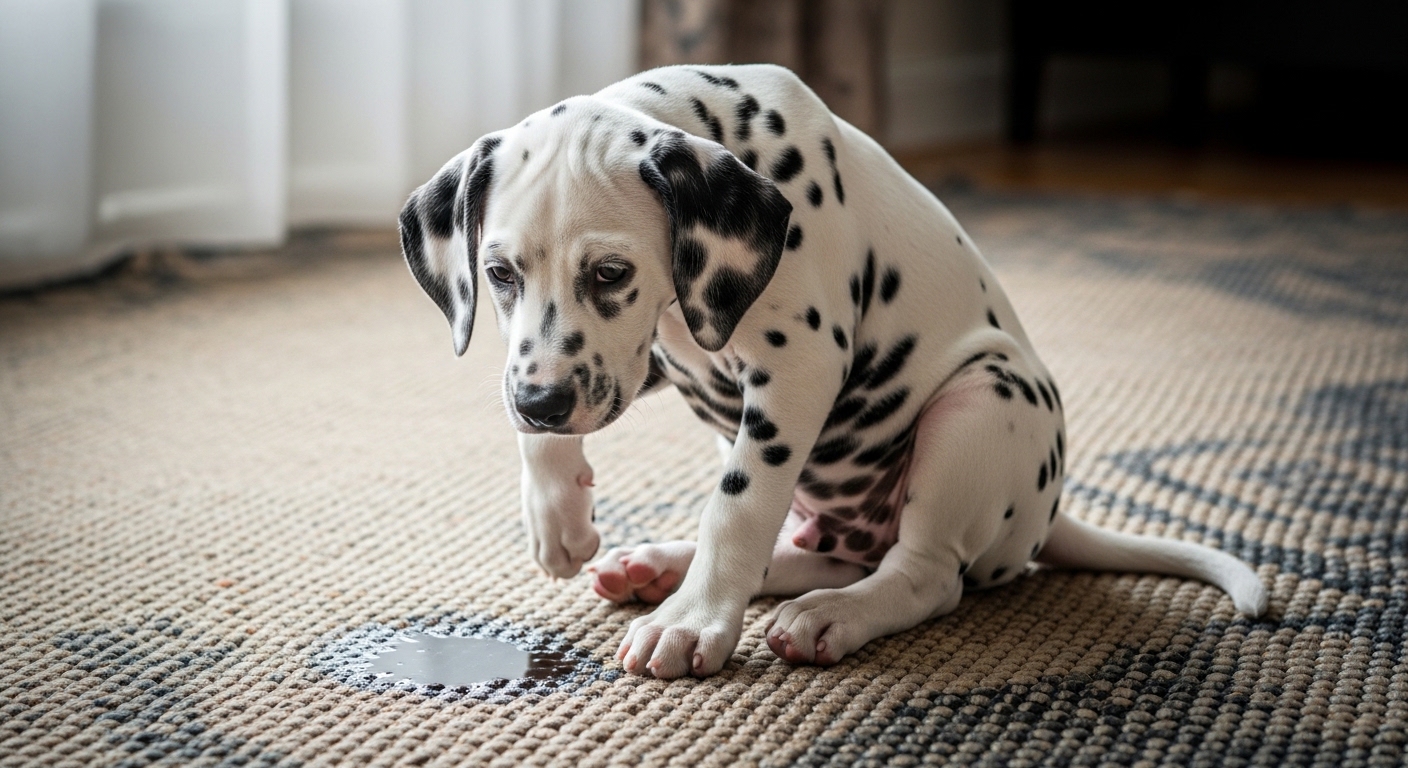
One of the most common sights after a mistake is a guilty-looking puppy sitting next to a puddle on the rug, but remember that scolding won't help.
Expert Tips
To accelerate your two-week goal, you need to become a master of observation. Learn your puppy's pre-potty signals, such as intense sniffing, circling, or suddenly wandering away from a play session. When you see these signs, calmly but quickly scoop them up and head outdoors.
The most crucial rule of house-training is that an indoor accident is a human management error, not a puppy behavioral flaw. Stay patient and adjust your schedule.
Keeping high-value treats in a handy pouch ensures you are always ready to reward that perfect outdoor potty moment.
When to See a Pro
While the crate-and-schedule method is highly effective, some puppies may take longer than two weeks due to breed differences, previous living conditions, or underlying health issues. If your puppy is constantly having accidents in their appropriately sized crate, or if they seem to be urinating with unusual frequency or discomfort, it may be a medical issue like a urinary tract infection. In these cases, always consult your veterinarian to rule out any health problems before assuming it is a behavioral stubbornness. If health issues are cleared, a certified positive-reinforcement dog trainer can help you troubleshoot your routine.
House-training requires a brief period of intense dedication, but the payoff is a lifetime of harmony with your dog. Stick to your timers, keep your treats ready, and maintain a positive attitude. Soon enough, your little companion will be fully trained and ready for all the indoor cuddles you can handle.
Comments
Post a Comment