When the temperature drops and the heating cranks up, your cat may be curled into a cozy ball looking perfectly content — but there is a hidden concern worth paying attention to. Many cats naturally drink less water during the colder months, and combined with the drying effects of indoor heating, this can quietly lead to dehydration and put stress on the kidneys and urinary tract. Understanding why this happens and knowing a handful of practical tricks can make a real difference in your cat's health and comfort all winter long.
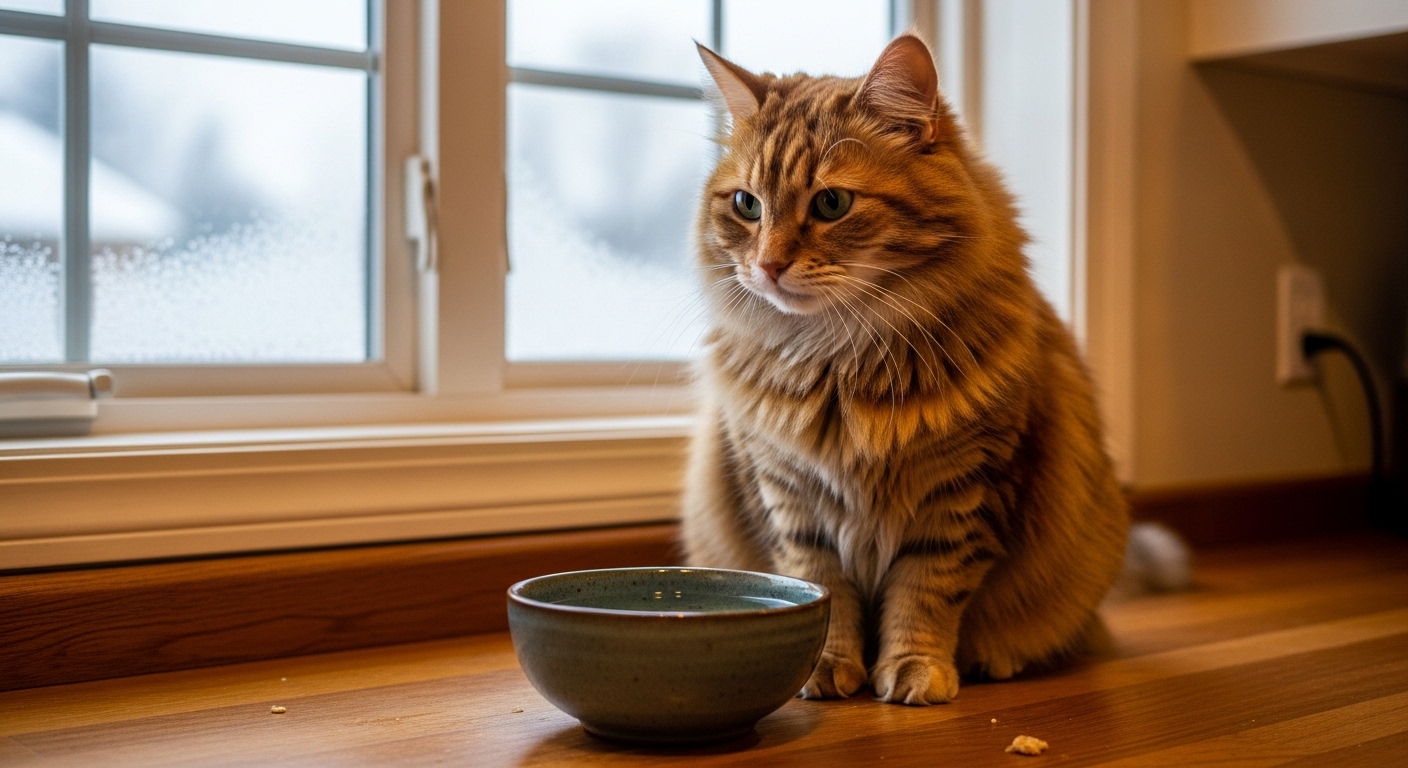
Why This Matters
Hydration is not just a summer concern. Water plays a critical role in nearly every function of your cat's body, from regulating temperature and supporting digestion to flushing waste through the kidneys and keeping joints lubricated. Cats are already notoriously low-thirst animals — a trait inherited from their desert-dwelling ancestors — which means they do not always drink enough even in ideal conditions. In winter, several factors compound this natural tendency and push daily water intake even lower.
Here is what typically happens during the colder months:
- Reduced activity levels: Cats tend to sleep more and move less in winter, which lowers their perceived need for water.
- Central heating and dry air: Indoor heating systems strip moisture from the air, increasing insensible water loss through breathing and skin without your cat realizing it.
- Cold water aversion: Many cats find cold water less appealing when the ambient temperature drops, and may simply walk away from a chilly bowl.
- Seasonal instinct: Some researchers suggest cats may have a mild seasonal reduction in thirst drive, similar to other mammals that evolved in climates with cold winters.
- Dry food reliance: If your cat eats primarily kibble, they are already getting very little moisture from food — a gap that widens when drinking decreases.
Chronic mild dehydration in cats may contribute to urinary crystals, kidney strain, and constipation over time, so keeping water intake up during winter is well worth the effort. If you ever notice signs like lethargy, sunken eyes, dry gums, or changes in litter box habits, consult your veterinarian promptly.
Guidelines & Frequency
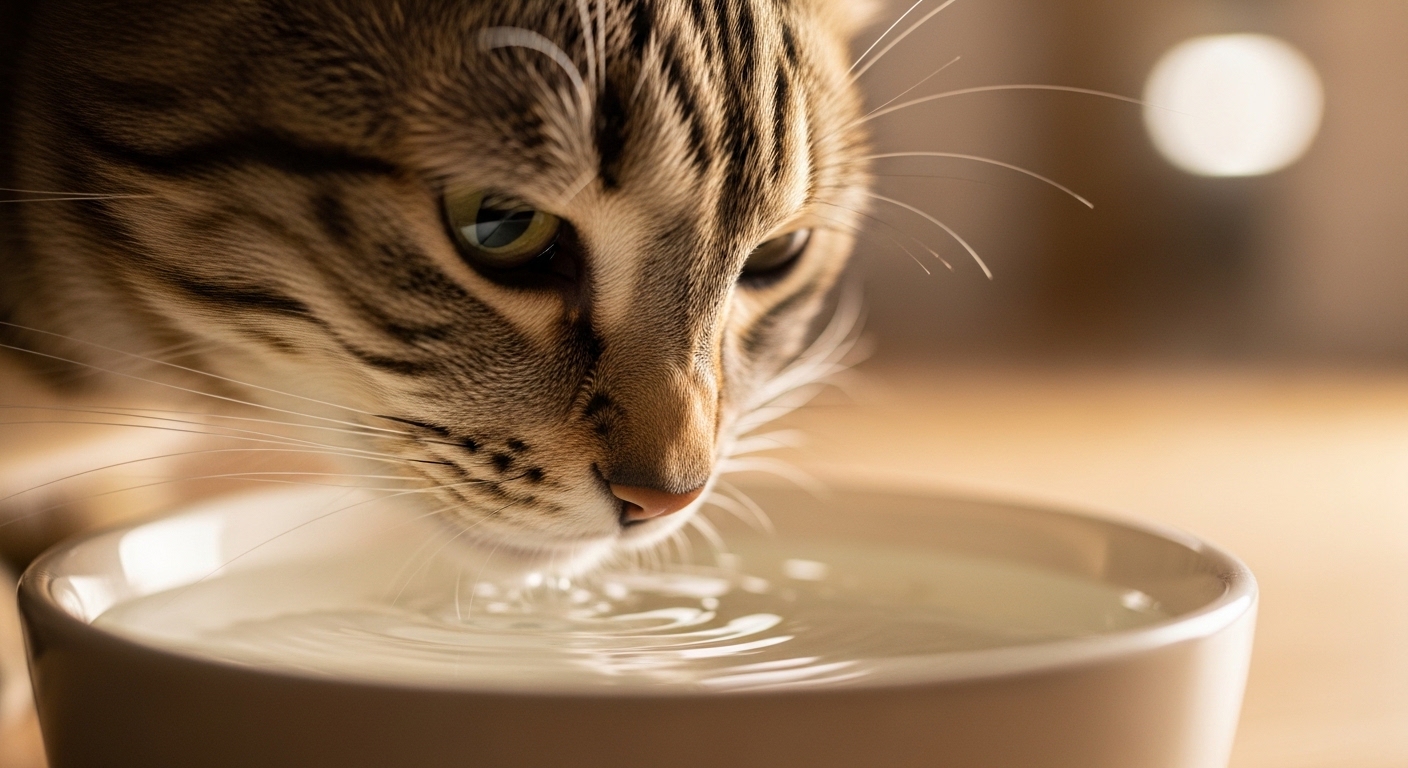
Knowing roughly how much water your cat should be drinking gives you a useful baseline to work from. Many vets suggest that cats need approximately 3.5 to 4.5 ounces (about 100–130 ml) of water per 5 pounds of body weight each day, though this figure varies depending on diet, activity level, and individual health. A 10-pound cat on a dry food diet may need closer to 200–250 ml per day from drinking alone, since kibble contributes almost no moisture.
To stay on top of your cat's winter hydration, consider the following routine guidelines:
- Refresh water at least twice daily: Stale or room-temperature water that has been sitting for hours is less attractive to cats. Fresh water encourages more frequent sipping.
- Use multiple water stations: Place bowls in two or three locations around the home so your cat does not have to travel far, especially on lazy winter days.
- Monitor litter box output: Healthy, well-hydrated cats typically urinate two to four times a day. A noticeable decrease can be an early signal to act — or to call your vet.
- Weigh your cat monthly: Sudden weight loss in winter can sometimes be linked to dehydration and reduced food intake; tracking weight helps you catch changes early.
- Do a gentle skin-tent test: Lightly pinch the skin at the back of your cat's neck — in a well-hydrated cat it snaps back immediately. Slow return may indicate dehydration, and warrants a vet visit.
Pro tip: Keep a small notebook or phone note for one week and jot down roughly how often you see your cat drinking. You may be surprised how infrequently it happens in winter — and that awareness alone can motivate helpful changes.
Recommended Options
The good news is that there are many simple, affordable ways to make water more appealing to your cat during the winter months. Here are the most effective options to try:
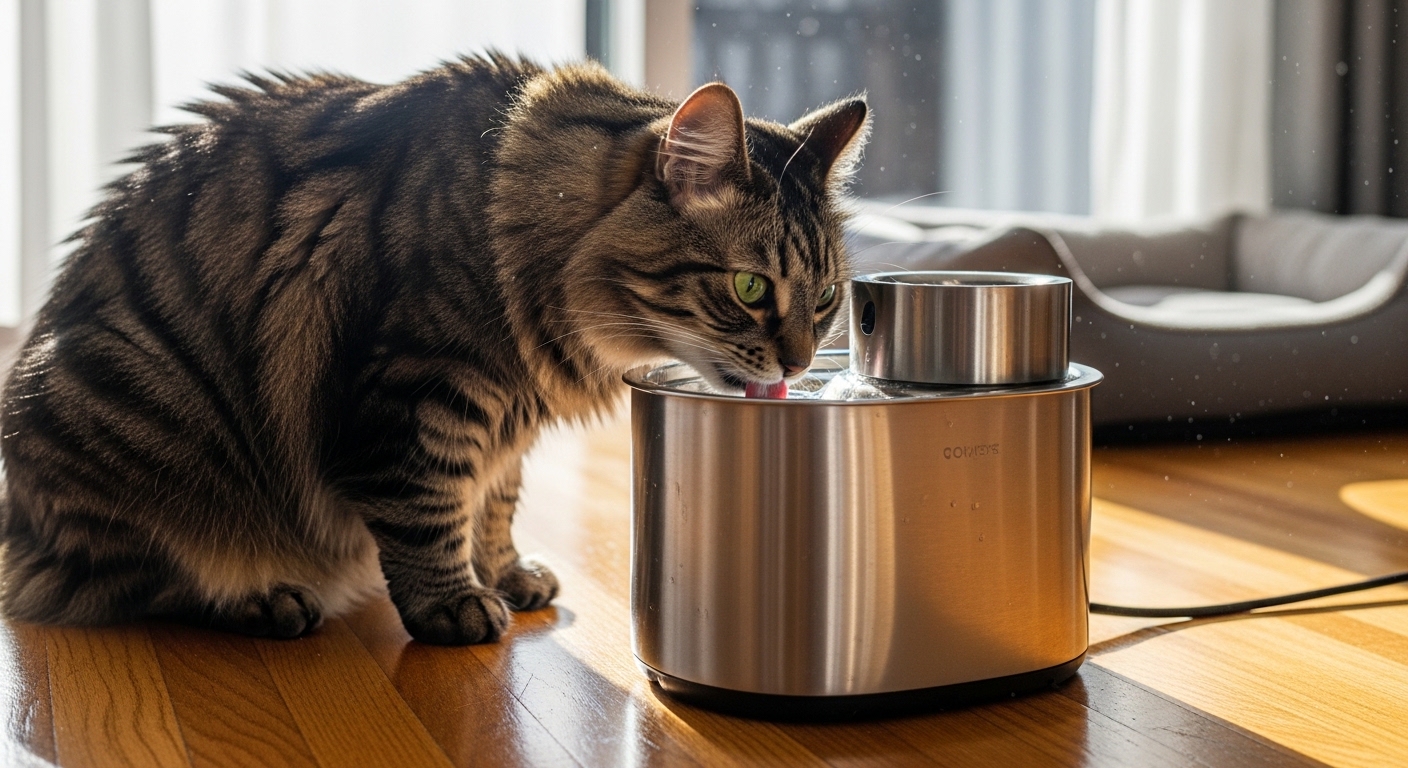
- A pet water fountain: Circulating water stays fresher, is naturally cooler, and the movement appeals to cats' instinct to seek running water — many owners report a noticeable increase in drinking after switching to a fountain.
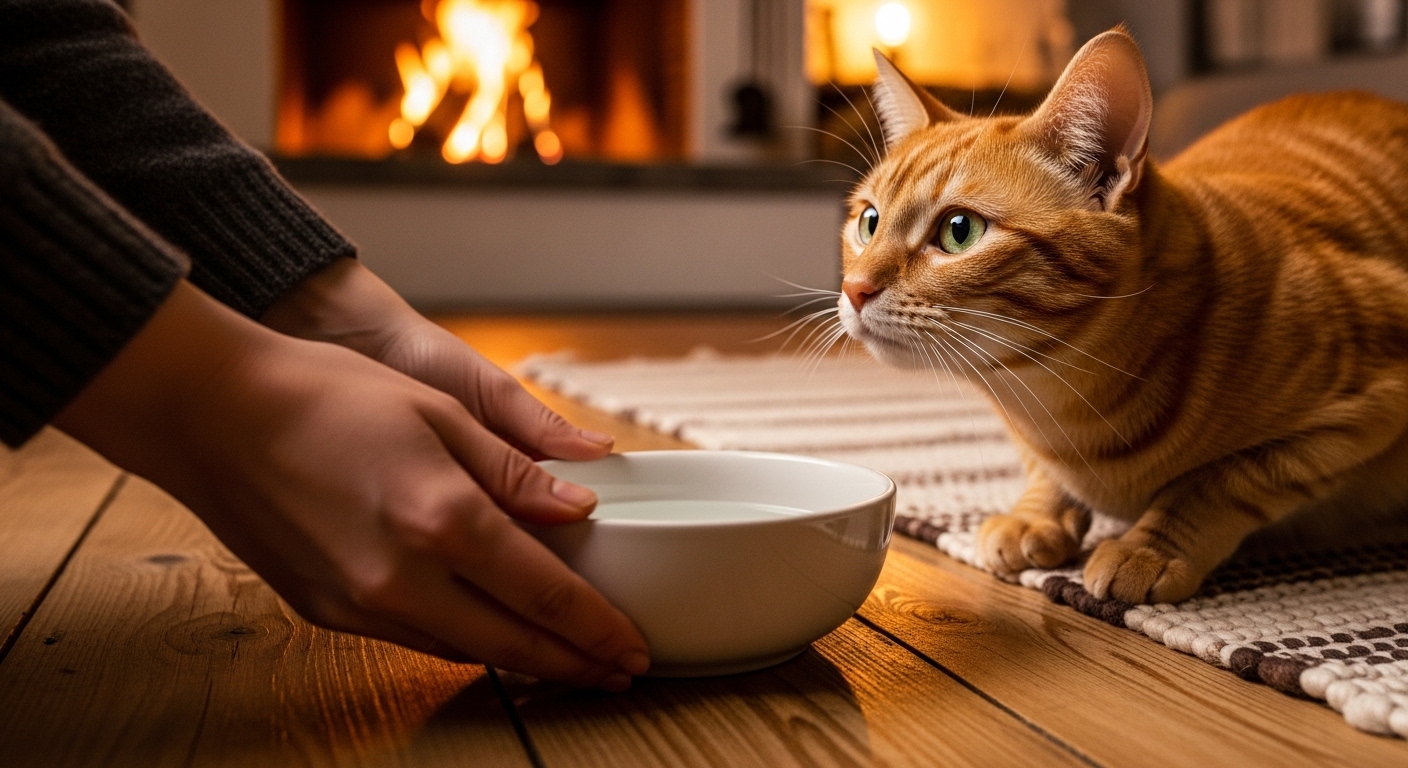
- Slightly warmed water: Offering water that is lukewarm (not hot) can make it more inviting when the house is cold; simply add a small splash of warm water to the bowl at each refill.
- Wet food or food toppers: Canned cat food is roughly 70–80% moisture, making it one of the easiest ways to boost daily water intake without relying on your cat to drink more voluntarily.
- Bone broth (cat-safe, unsalted): A small amount of low-sodium, onion-free and garlic-free bone broth added to water or food can entice even the fussiest drinker — many cats find the aroma irresistible.
- Wide, shallow bowls: Cats often dislike having their whiskers touch the sides of a bowl; a wide, shallow dish may encourage longer drinking sessions.
- Ceramic or glass bowls: These materials do not retain odors the way plastic can, and many cats show a clear preference for them, especially in winter when scents are more concentrated indoors.
- A humidifier in the home: Adding moisture back into the air reduces the drying effect of central heating and can subtly support your cat's overall hydration without any extra effort on their part.
What to Avoid
Just as important as knowing what to do is knowing what to steer clear of. Some well-meaning habits can actually discourage your cat from drinking enough in winter:
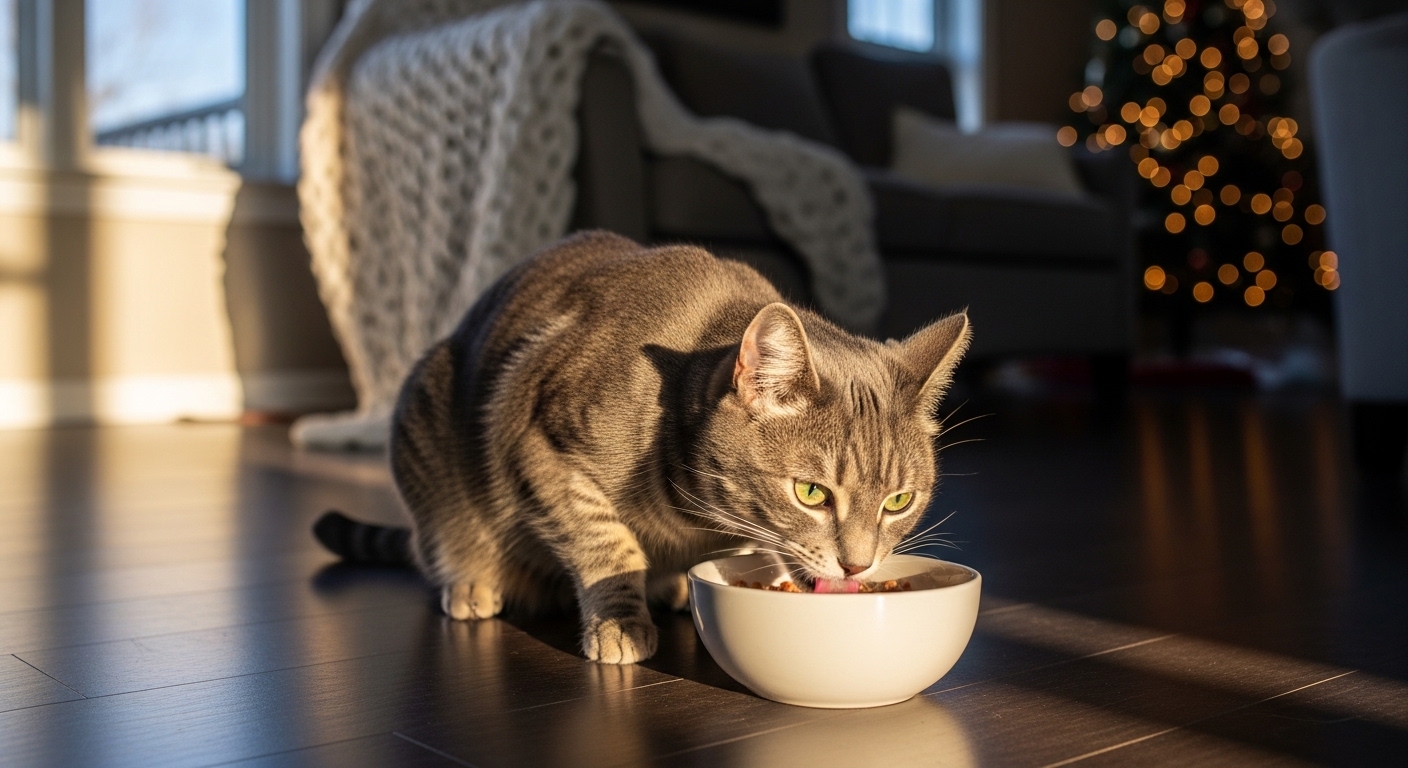
- Leaving water near the food bowl: In the wild, cats instinctively avoid water sources close to prey or food due to contamination concerns — placing the water bowl in a separate location often leads to more drinking.
- Using plastic bowls long-term: Plastic scratches easily, harboring bacteria and odors that cats find off-putting; switch to stainless steel, ceramic, or glass for best results.
- Offering only one water source: A single bowl in one corner of the house is easy to ignore, especially for a sleepy winter cat; variety and placement matter more than you might think.
- Forgetting to clean the bowl daily: Biofilm — the slippery residue that builds up inside water bowls — develops quickly and can deter cats from drinking; rinse and scrub bowls every day.
- Adding flavored supplements without vet guidance: Some cat-specific water additives marketed for hydration may contain ingredients that do not agree with every cat; always check with your veterinarian before introducing new supplements.
- Assuming your cat will self-regulate perfectly: Unlike dogs, cats do not always drink enough even when water is freely available — passive monitoring is not sufficient in winter, especially for older cats or those with a history of urinary issues.
Frequently Asked Questions
How can I tell if my cat is dehydrated in winter?
Common signs that may indicate dehydration include lethargy, dry or tacky gums, reduced skin elasticity (the skin-tent test), decreased urination, and sunken-looking eyes. If you notice any of these signs, consult your veterinarian rather than trying to manage it at home.
Is it safe to give my cat warm water?
Yes, offering lukewarm water is generally safe and can make drinking more appealing in cold weather. Avoid hot water, which can startle or burn your cat. Think of it as bringing the water to a comfortable room temperature rather than heating it significantly.
Can I add low-sodium chicken broth to my cat's water?
Many pet owners do this with good results, and many vets suggest it can be a helpful short-term encouragement tool. However, always ensure the broth contains no onion, garlic, chives, or excessive sodium, as these are toxic or harmful to cats. When in doubt, ask your vet for a brand or recipe recommendation.
My cat only eats dry food. How do I increase moisture intake?
Gradually introducing wet food — even just a small portion mixed with kibble — is one of the most effective strategies. You can also try adding a small amount of water directly to dry food to create a soft, moist texture some cats enjoy. A pet water fountain may also help encourage more frequent drinking throughout the day.
Are certain cats more at risk of winter dehydration?
Senior cats, cats with chronic kidney disease, and cats with a history of urinary tract issues may be more vulnerable to the effects of reduced water intake. If your cat falls into any of these categories, it is especially worth discussing a winter hydration plan with your veterinarian.
Keeping your cat well-hydrated through the winter months does not require a dramatic overhaul of your routine — small, consistent changes can add up to a meaningful improvement in their daily water intake and long-term wellbeing. From swapping out that old plastic bowl for a ceramic one, to warming up their water slightly before bed, each little step you take is an act of care your cat will benefit from even if they never quite say thank you. Stay observant, stay proactive, and do not hesitate to loop in your vet if anything seems off — because a hydrated cat is a happy, healthy cat all year round.
Comments
Post a Comment