A friend once described her Maine Coon as 'the cat that ruined all other cats for me.' That sounds dramatic until you actually spend time with one. These are large, talkative, oddly dog-like cats that will follow you from room to room, chirp at you when you open the fridge, and somehow make you feel guilty for closing the bathroom door. If you are researching this breed before committing, that instinct is smart — Maine Coons are wonderful, but they come with real needs, real fur, and a real personality that does not suit every household.
Origins & History
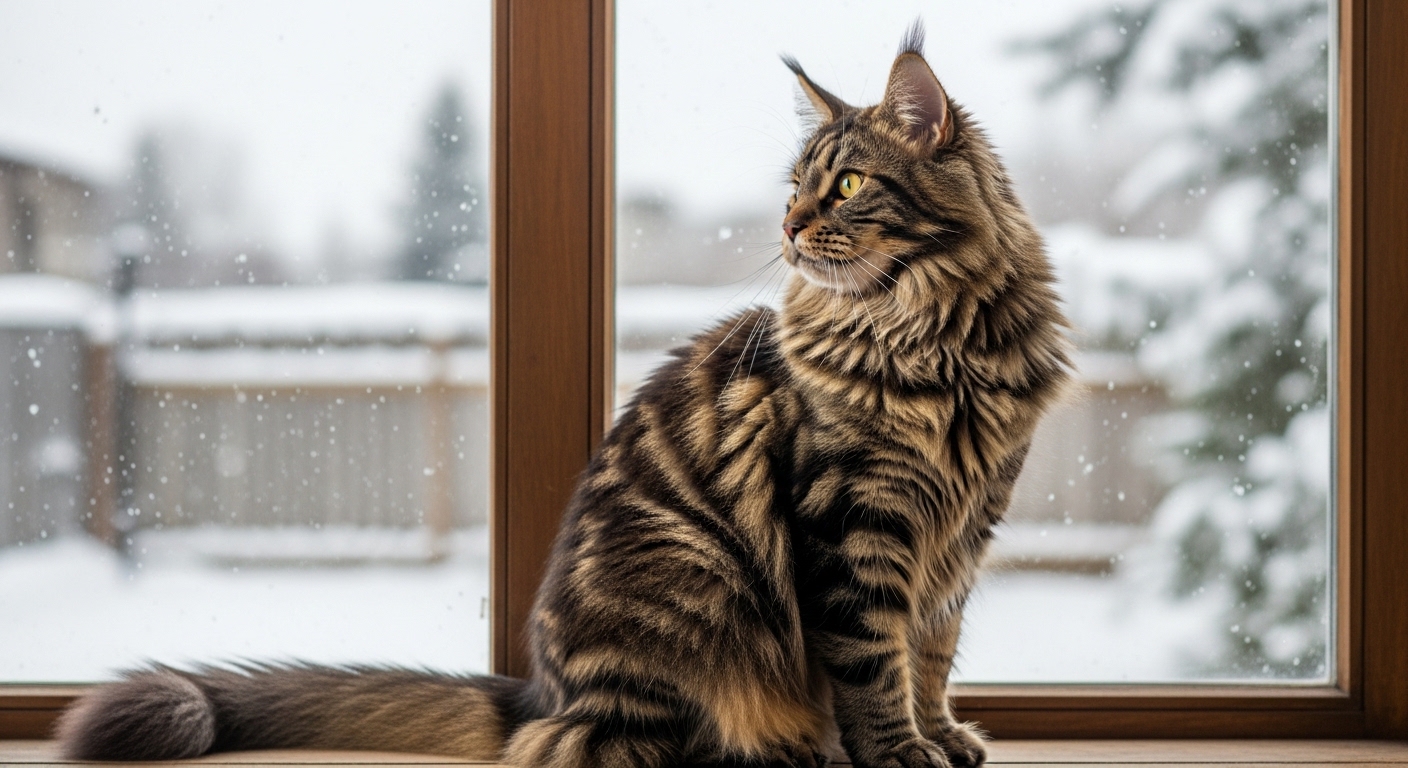
The Maine Coon is one of the oldest natural cat breeds in North America, and its exact origins have been debated for well over a century. The most grounded explanation is that long-haired cats brought over by European sailors interbred with local domestic shorthairs in the northeastern United States, gradually developing the thick, water-resistant coat and sturdy build that suited the harsh New England winters. Maine, unsurprisingly, became the breed's namesake state.
There are wilder theories — one involves Marie Antoinette shipping her cats to America before her execution, another links the breed to Norwegian Forest Cats via Viking explorers. Neither holds up to serious scrutiny, but they persist because people enjoy a good story. What is historically documented is that Maine Coons were popular show cats in the late 1800s, then fell out of fashion when Persian cats arrived on the scene, and eventually made a strong comeback through dedicated breeding programs in the mid-20th century. The Cat Fanciers' Association officially recognized the breed in 1976.
Their working-cat roots show in their personality. These were barn cats and ship cats before they were show cats, and that heritage left them curious, adaptable, and surprisingly unfussy for such an impressive-looking animal.
Appearance & Size
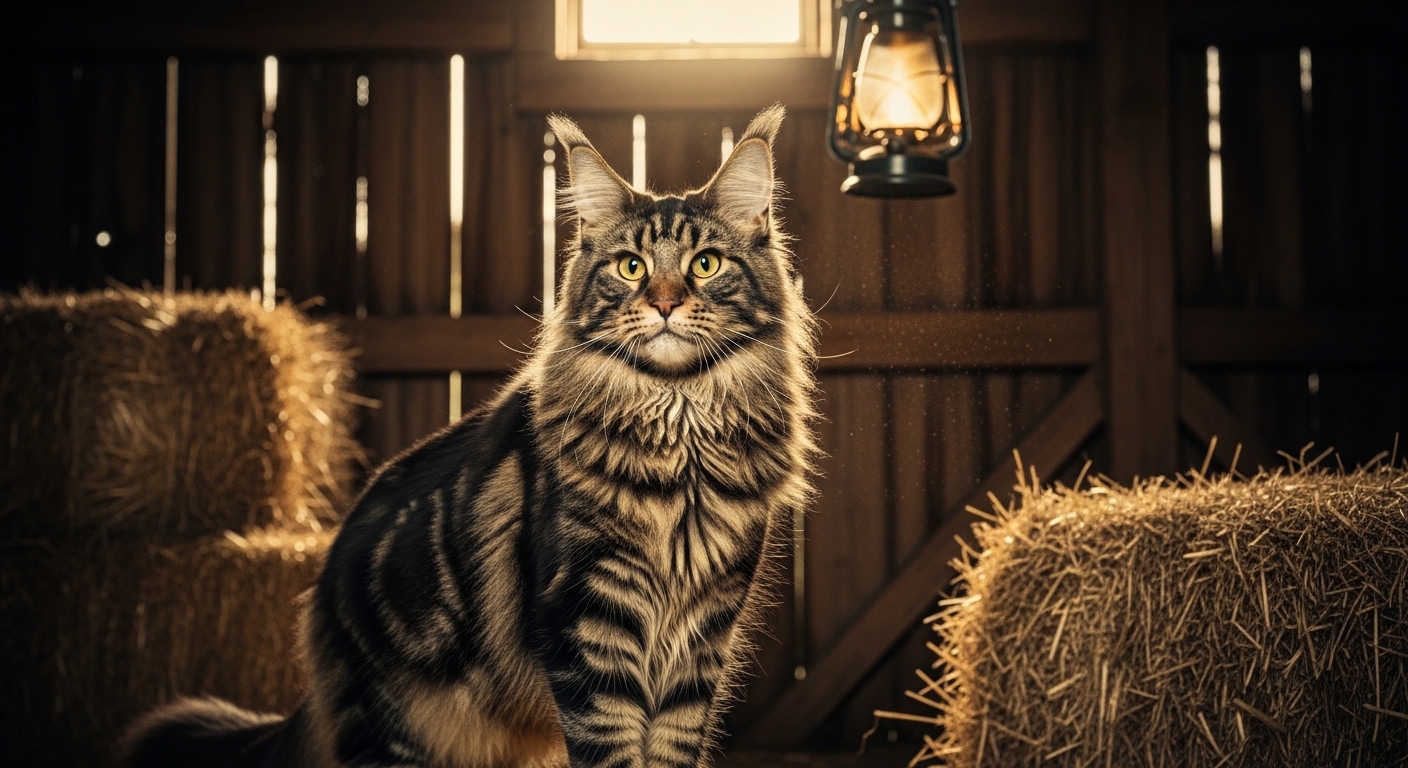
Maine Coons are genuinely big cats — not just 'big for a domestic cat' in the way people say that about any slightly chunky tabby. Adult males commonly weigh between 13 and 18 pounds, with some reaching beyond 20 pounds. Females are smaller, typically 8 to 12 pounds, but still substantial. They also mature slowly, not reaching full size until around three to five years of age, which means that kitten you bring home will keep growing for longer than you expect.
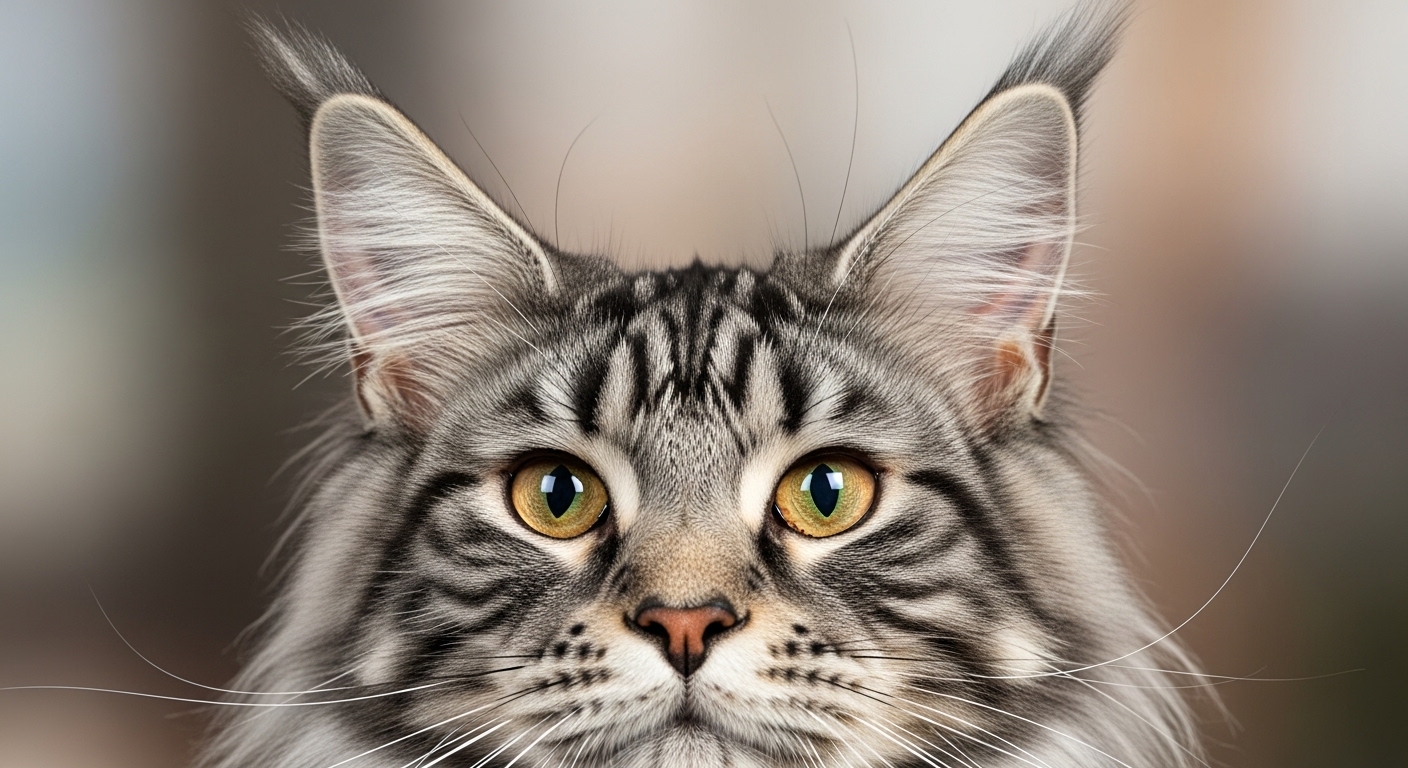
The coat is semi-long, dense, and shaggy in a way that looks almost intentionally unkempt. It is heavier around the ruff, chest, and belly, and the tail is famously full and plume-like. The ears are large and wide-set, with tufts of fur at the tips that give them a lynx-like appearance. Paws are large and often tufted between the toes — an adaptation that historically helped them walk on snow. They come in an enormous range of colors and patterns, from classic brown tabby to solid black, white, cream, and everything in between.
One thing prospective owners underestimate: that coat sheds. A lot. You will find fur on your dark clothing, in your coffee, and in places that defy explanation.
Temperament
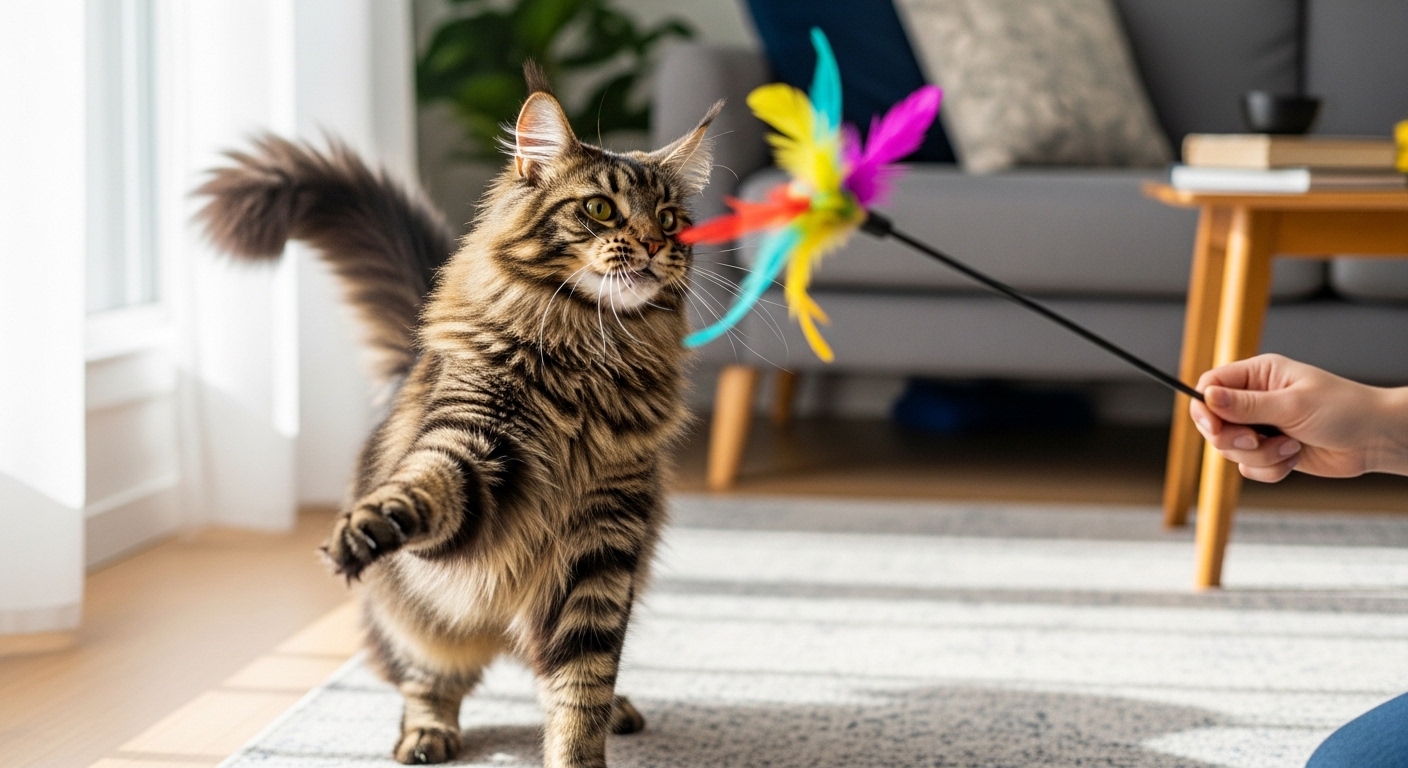
The 'dog-like' label gets applied to Maine Coons constantly, and it is mostly earned. They tend to follow their owners around the house, greet people at the door, and show genuine interest in whatever you are doing — not in an anxious way, but in a curious, participatory way. Many will play fetch, walk on a leash with some patience in training, and come when called by name.
They are social without being clingy. A Maine Coon will want to be in the same room as you, but it may choose the armchair across from you rather than your lap. Some individuals are very affectionate lap cats; others prefer proximity over contact. Personality varies between cats, and early socialization plays a real role in how outgoing an individual becomes.
Maine Coons are also notably vocal, but not in the loud, demanding way of a Siamese. They chirp, trill, and make small conversational sounds rather than yowling. Living with one feels a bit like having a running commentary on your daily life from a creature who is deeply invested in your routine but cannot quite explain why.
They generally get along well with children and other pets, including dogs, provided introductions are handled sensibly. They are patient cats, but that patience is not unlimited.
Real Owner Reality: The social nature that makes Maine Coons so appealing also means they do not do well with long hours of isolation. Owners who work full-time often find that getting a second cat — or even a calm dog — makes a noticeable difference in their Maine Coon's contentment. A bored Maine Coon will find ways to entertain itself, and those ways are not always convenient for the furniture.
Health & Lifespan
Maine Coons typically live 12 to 15 years, with well-cared-for individuals sometimes reaching beyond that. They are generally a hardy breed, but there are a few health conditions that prospective owners should know about before choosing a breeder or adopting.
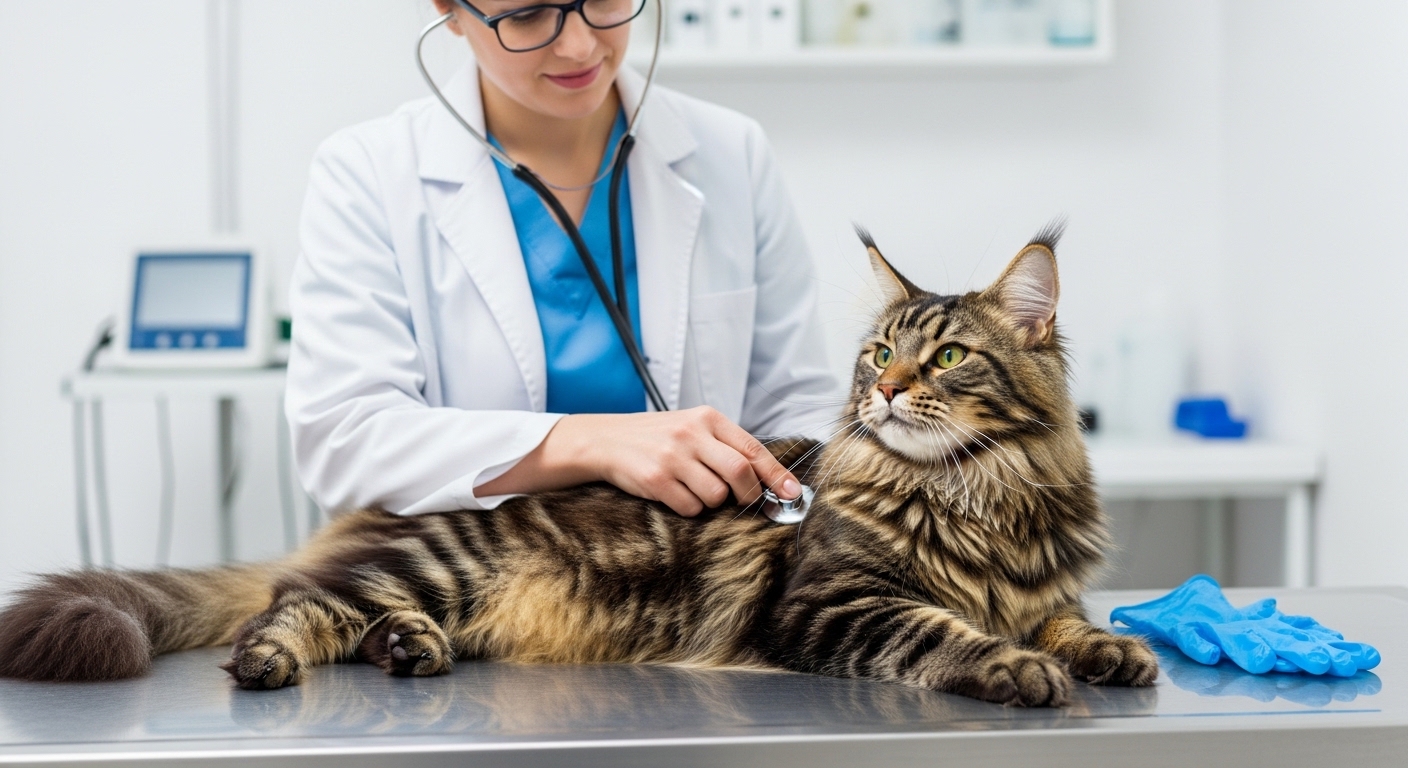
Hypertrophic cardiomyopathy (HCM) is the most significant concern. This is a heart condition that affects many cat breeds, and Maine Coons have a known genetic predisposition to it. Responsible breeders test their breeding cats for the HCM-associated gene mutation (MyBPC3), though it is worth knowing that a negative test does not entirely eliminate risk — it only addresses one known mutation. Many vets suggest annual cardiac screenings for Maine Coons as they age.
Spinal muscular atrophy (SMA) is another hereditary condition seen in the breed, affecting muscle development in the hindquarters. It is not painful, but it does affect mobility. Again, reputable breeders test for this. Hip dysplasia may also occur given the breed's size, and polycystic kidney disease (PKD) has been reported, though less commonly than in some other breeds.
If you are buying from a breeder, ask specifically for documentation of HCM and SMA genetic testing on both parents. A good breeder will have this readily available and will welcome the question.
Dental hygiene matters more than most cat owners realize. Maine Coons, like many cats, are prone to periodontal disease, and starting a tooth-brushing routine early — or at minimum, regular professional dental cleanings — can make a meaningful difference in long-term health. Consult your veterinarian about the right health screening schedule for your individual cat.
Is This Breed Right for You?
Maine Coons suit people who actually want an interactive cat. If your ideal feline companion is independent and low-maintenance, this breed will likely frustrate you — or at least surprise you with how much it wants to be involved in your day. They need play, mental stimulation, and company.
Grooming is a real commitment. The coat needs brushing two to three times per week to prevent matting, and during seasonal shedding periods, daily brushing is not an exaggeration. Some owners find this meditative; others find it a chore they consistently put off until there is a mat behind the ear that requires a vet visit to address safely. Be honest with yourself about which type you are.
They adapt reasonably well to apartment living if they have enough vertical space — tall cat trees, wall-mounted shelves, and window perches go a long way. A large home is not required, but a stimulating environment is. They are not well-suited to being exclusively outdoor cats in most climates, and their trusting, curious nature makes them vulnerable to the hazards that outdoor life presents.
Budget matters too. Larger cats eat more, veterinary costs scale with size and breed-specific health monitoring, and quality food for a 16-pound cat adds up faster than it does for an 8-pound one. Factor that in realistically.
Frequently Asked Questions
Do Maine Coons really act like dogs?
In some ways, yes. They tend to follow their owners around, respond to their names, enjoy interactive play, and many can be leash-trained with patience. They are more engaged and people-oriented than the average domestic cat. That said, they are still cats — they have independent streaks, they sleep a lot, and they will absolutely ignore you when it suits them.
How much grooming does a Maine Coon actually need?
More than most people expect when they bring one home. Two to three brushing sessions per week is a reasonable baseline, with more during heavy shedding seasons. The coat is prone to matting around the armpits, belly, and behind the ears if neglected. Starting grooming routines when the cat is young makes the whole process significantly easier as an adult.
Are Maine Coons good with children and other pets?
Generally, yes — they are patient, social, and adaptable by breed standards. They tend to tolerate the energy of children better than many other breeds, and they often coexist well with dogs when introduced gradually. Individual temperament varies, and no cat should be expected to tolerate rough handling regardless of breed. Supervised introductions and teaching children how to interact respectfully with cats are always worthwhile steps.
Maine Coons are not a low-effort breed dressed up in impressive fur. They are engaging, personable cats that genuinely reward attentive ownership — but they will also test your lint roller supply, demand your attention on their schedule, and occasionally knock something off a shelf just to see what happens. Go in with accurate expectations, find a responsible breeder or rescue, and get your cat tree assembled before they arrive home.
Comments
Post a Comment