Ask ten cat owners what they feed their cats and you will get ten different answers — and probably a few strong opinions. The dry-versus-wet debate has been running in veterinary waiting rooms and online forums for years, and the honest answer is that neither option is universally superior. What matters is understanding what each format actually delivers nutritionally, how it fits your cat's life stage, and what the trade-offs look like in practice. If you have ever watched your cat ignore a full bowl of kibble while screaming at the fridge, you already know this choice is rarely simple.
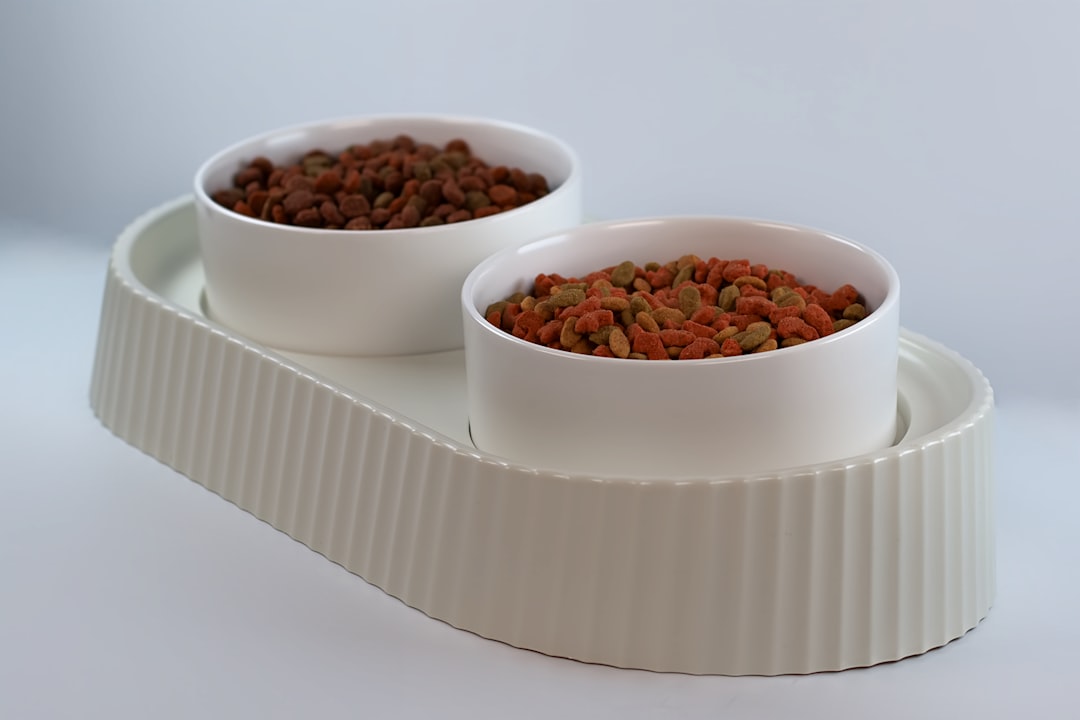
Quick Comparison Table
Before diving into the details, here is a side-by-side snapshot of how dry and wet cat food stack up across the most important categories.
| Category | Dry Food (Kibble) | Wet Food (Canned) |
|---|---|---|
| Moisture Content | 6–10% | 70–80% |
| Protein (typical) | Moderate–High (dry matter) | High (animal-based) |
| Carbohydrate Content | Higher (starch binders needed) | Lower |
| Caloric Density | High per gram | Lower per gram |
| Cost | Generally lower | Generally higher |
| Shelf Life (unopened) | 12–18 months | 2–5 years |
| Dental Benefit | Mild (some brands) | Minimal |
| Convenience | High (free-feeding possible) | Moderate (refrigerate after opening) |
| Palatability | Variable | Generally higher |
Key Takeaway: Neither format wins outright. The right choice depends on your cat's age, health status, hydration habits, and your household budget — and many owners find a combination of both works best.

Dry Food (Kibble): A Deep Dive
Kibble is the default choice for a huge portion of cat owners, largely because of convenience and cost. A bag of quality dry food can last weeks, does not require refrigeration, and can be left in a bowl without spoiling within an hour — which matters a lot if you have a cat who grazes throughout the day rather than eating meals.
Nutritionally, the picture is more complicated. Dry food requires starch to hold its shape during the extrusion process, which means most kibbles carry a higher carbohydrate load than a cat's natural diet would include. Cats are obligate carnivores, and their digestive systems are not particularly well-designed for processing large amounts of plant-based carbohydrates. Some many vets suggest this may contribute to weight gain and, in some cases, blood sugar fluctuations in cats prone to metabolic issues — though the research is still evolving and individual cats respond very differently.
The moisture deficit is the other major concern. Cats evolved in arid environments and have a naturally low thirst drive, relying historically on prey for most of their water intake. A cat eating only dry food may chronically under-drink, which some veterinary nutritionists link to urinary tract issues over time. That said, plenty of cats thrive on well-formulated kibble their entire lives, particularly when fresh water is always available and intake is monitored.
On the practical side, kibble does offer a mild mechanical abrasion effect on teeth — though it is easy to overstate this benefit. Most cats do not chew kibble in a way that meaningfully reduces tartar, and dental-specific kibble formulas are the exception rather than the rule. If you have ever tried to brush your cat's teeth and lost, you know dental health requires more than just crunchy food.
- Best for: Busy households, multi-cat homes where free-feeding is practical, cats with healthy urinary tracts and good water-drinking habits.
- Life stage note: Kitten formulas are calorie-dense and higher in protein — appropriate for rapid growth. Senior kibbles often reduce phosphorus to support kidney health.
- Watch for: Overfeeding is easy with kibble. Measuring portions rather than eyeballing is worth the extra thirty seconds.
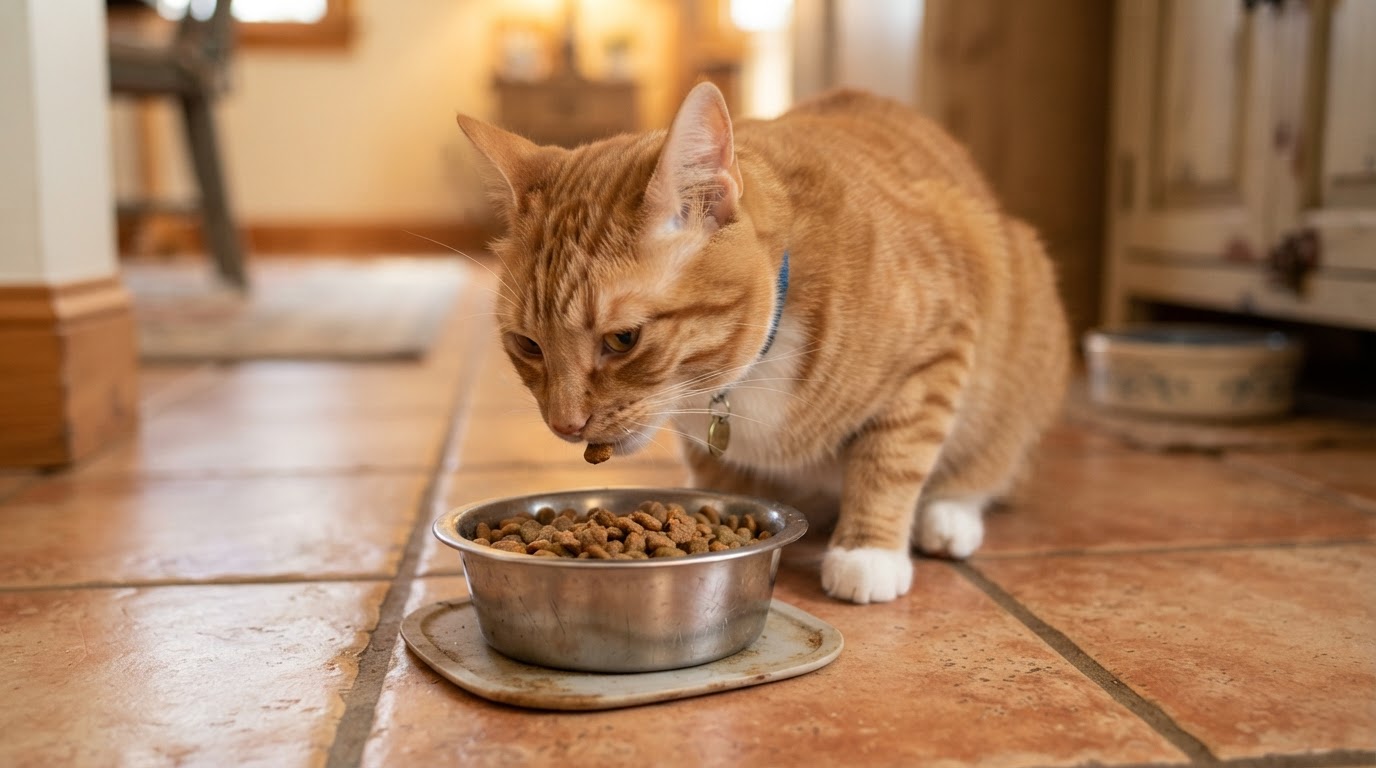
Wet Food (Canned): A Deep Dive
Open a can of cat food and your cat will appear from three rooms away. Palatability is one of wet food's clearest advantages — the aroma, texture, and higher fat content make it genuinely more appealing to most cats, which matters when you are dealing with a picky eater or a sick cat who needs encouragement to eat.
The hydration benefit is real and significant. With 70–80% moisture content, wet food essentially delivers water alongside nutrition, which can meaningfully support urinary and kidney health — particularly in cats who have already shown signs of urinary issues or who are middle-aged and older. Many vets suggest transitioning cats with a history of urinary crystals or chronic kidney disease toward a primarily wet diet, though you should always discuss your specific cat's needs with your veterinarian rather than making that call alone.
Protein quality in canned food tends to be higher in animal-sourced ingredients, and the lower carbohydrate content aligns more closely with what a cat's metabolism is designed to handle. Calorie-for-calorie comparisons can be misleading, though — wet food looks cheaper per can but delivers fewer calories per gram, so you may go through more of it than you expect. A single can rarely covers a full day's needs for an adult cat, and the cost adds up faster than most people anticipate when they first switch.
The downsides are real too. Opened cans need refrigerating and most cats refuse cold food straight from the fridge, so you end up warming it slightly before serving — a minor but daily inconvenience. Wet food left in a bowl for more than a couple of hours can spoil, attract flies in warmer months, and smell considerably less pleasant than kibble. If you have ever forgotten a half-eaten can on the counter overnight, you know exactly what this means.
- Best for: Cats with urinary tract issues, kidney disease, low water intake, dental problems that make chewing difficult, or underweight cats who need calorie encouragement.
- Life stage note: Particularly valuable for senior cats, whose kidney function may benefit from increased hydration; also useful for kittens transitioning from mother's milk.
- Watch for: Portion control still matters — wet food can absolutely cause weight gain if overfed, despite the lower caloric density per gram.
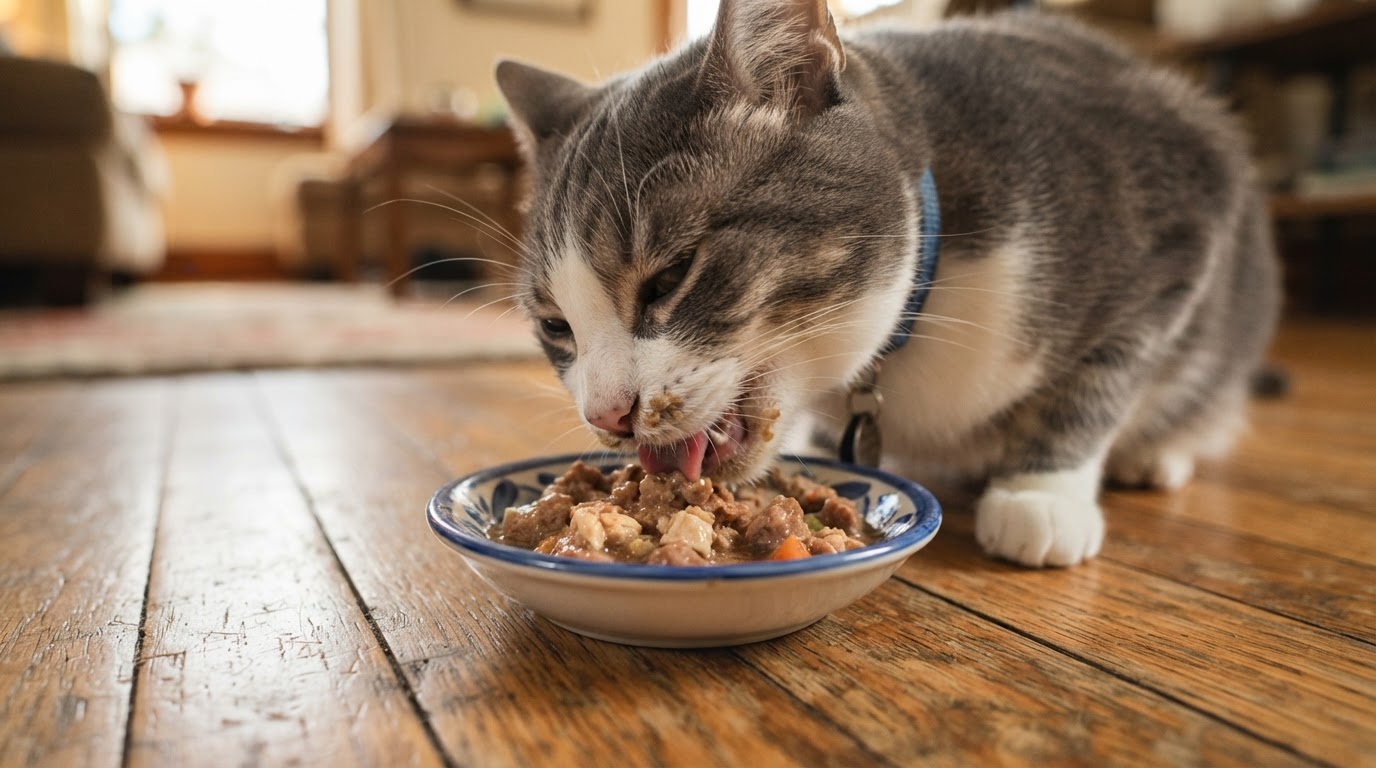
Which Is Right for You?
The honest answer for most cats is: probably both. A mixed feeding approach — wet food once or twice a day alongside measured kibble — gives you the hydration and palatability benefits of canned food while keeping costs manageable and maintaining the convenience of dry food for overnight or when you are away. Many owners settle into this rhythm naturally without realizing it is actually a well-regarded feeding strategy.
Life stage matters more than most food marketing suggests. Kittens need high protein and fat for growth, and wet food's softer texture is easier on developing teeth. Adult cats in good health can do well on either format as long as portions are controlled and water is always fresh. Senior cats — roughly seven years and older — often benefit most from wet food's hydration support, particularly as kidney function naturally declines with age.
Health conditions change the calculation entirely. Cats with diabetes, obesity, urinary issues, or kidney disease may have specific dietary requirements that go beyond the dry-versus-wet question. Consult your veterinarian before making significant diet changes for a cat with any diagnosed condition.
Budget is a legitimate factor and there is no shame in acknowledging it. A high-quality dry food with a wet food supplement a few times a week is a reasonable middle ground for households where cost is a constraint. What matters most is that the food is nutritionally complete, appropriate for your cat's life stage, and actually being eaten.
Frequently Asked Questions
Can I mix dry and wet food in the same bowl?
You can, though many cats prefer them served separately. Mixing them means the kibble absorbs moisture quickly and can become unappetizing within an hour. A more practical approach is to offer wet food as a meal and keep dry food available separately, rather than combining them in one bowl.
How do I transition my cat from dry to wet food without causing digestive upset?
Gradual transitions work best — most vets suggest mixing a small amount of the new food with the current food over seven to ten days, slowly increasing the proportion of the new food. Cats can be resistant to texture changes, so patience matters here. If your cat refuses entirely, warming the wet food slightly may help with acceptance.
Does dry food actually clean my cat's teeth?
The dental benefit of kibble is frequently overstated. While some cats may get mild abrasion from chewing, many swallow kibble whole or crack it minimally, which provides little to no tartar reduction. Dental-specific kibble formulas may offer some benefit, but regular veterinary dental check-ups and, where possible, tooth brushing remain the more reliable approaches to feline oral health.
At the end of the day, feeding your cat well is less about picking the "correct" format and more about choosing a nutritionally complete food, managing portions, keeping water fresh, and paying attention to how your individual cat looks and feels over time. Your vet is your best resource for fine-tuning the approach as your cat ages or if health issues arise. A cat who is eating consistently, maintaining a healthy weight, and drinking adequately is doing well — regardless of whether that comes from a bag or a can.

Comments
Post a Comment