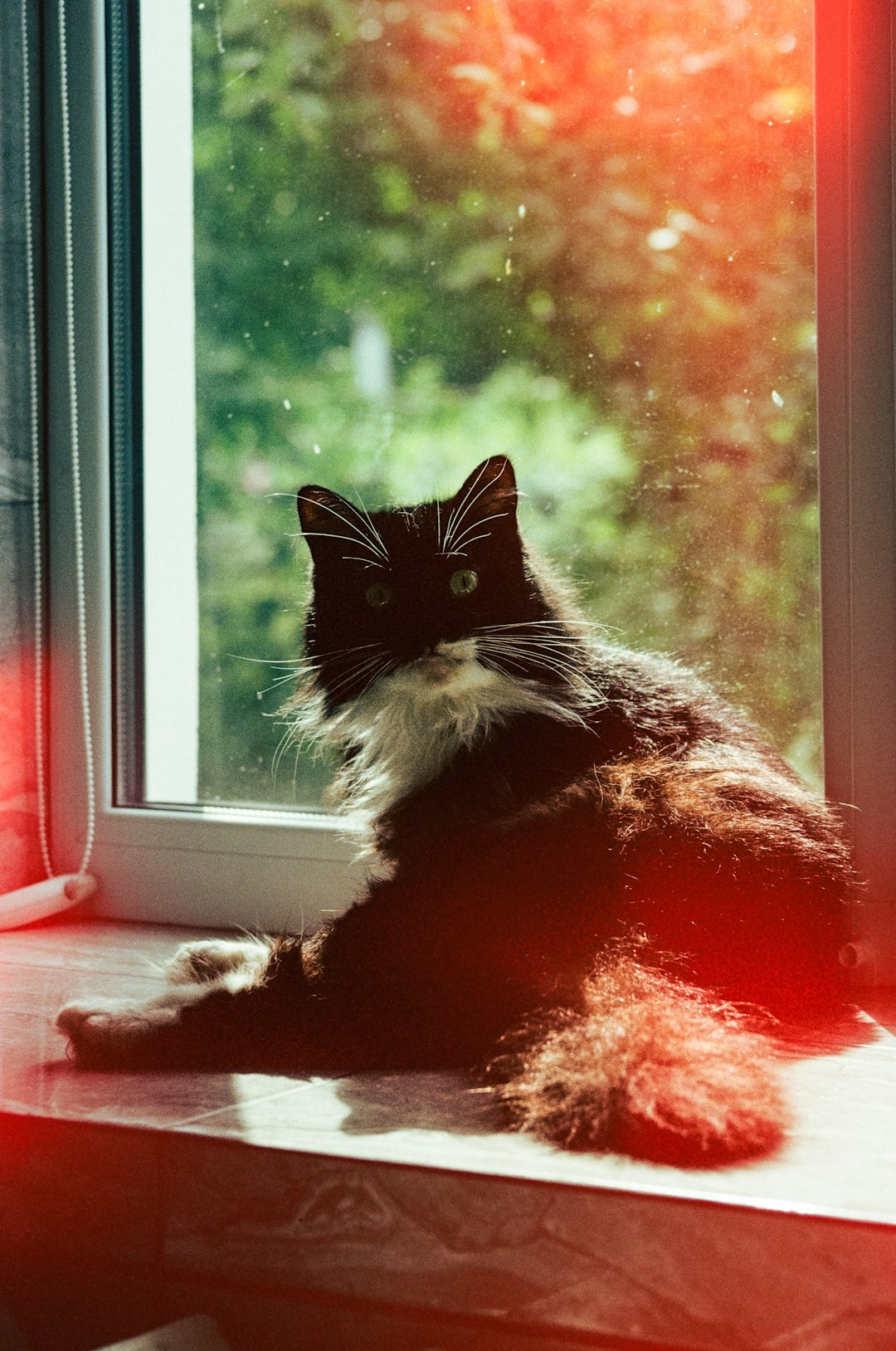
There is something undeniably satisfying about running your hand along a cat's coat and feeling that silky, lustrous softness beneath your fingers. A gleaming, healthy coat is one of the most visible signs that your feline companion is thriving — and it is about so much more than good looks. Coat quality reflects what is happening on the inside: nutrition, hydration, stress levels, and overall wellness all leave their mark on those beautiful fur strands. Whether you share your home with a sleek Siamese or a fluffy Maine Coon, understanding the grooming routines and environmental factors that contribute to coat health can make a real difference in your cat's comfort and confidence. Here is everything you need to know to help your cat put their best fur forward.
Why This Matters
A cat's coat is far more than a cosmetic feature — it is a functional organ system in its own right. The fur acts as insulation, regulating body temperature in both hot and cold conditions. It also serves as a protective barrier against environmental irritants, minor abrasions, and UV exposure. Perhaps most importantly for pet owners, the condition of the coat is one of the earliest and most reliable indicators of underlying health changes.
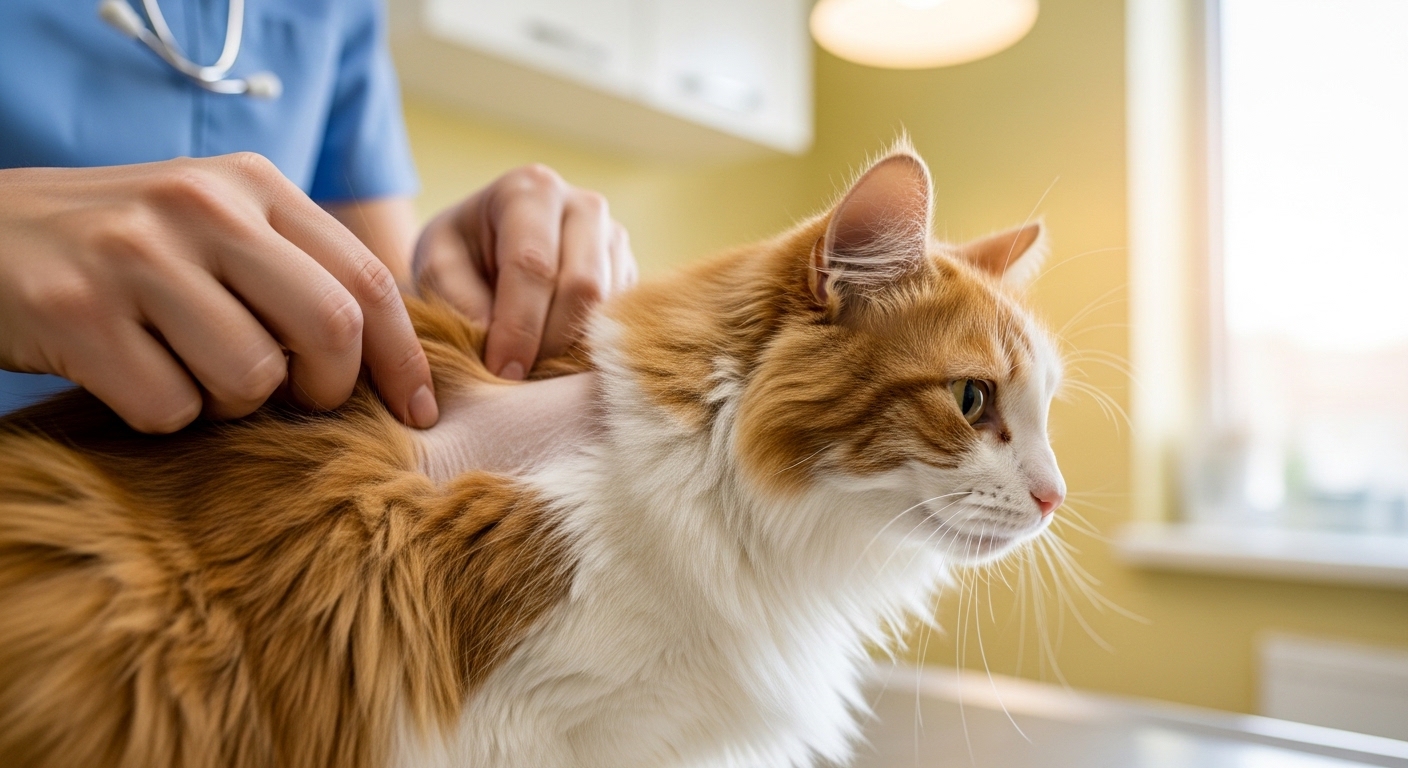
When a cat's coat begins to look dull, greasy, matted, or patchy, it may signal a range of concerns, including nutritional deficiencies, parasites, allergies, hormonal imbalances, or even stress. Many vets suggest that changes in coat quality are among the first things they assess during a wellness exam. Conversely, a coat that is consistently bright, smooth, and free of excessive shedding suggests that your cat's diet, grooming habits, and environment are all working in harmony.
Understanding the 'why' behind coat health empowers you to make smarter choices — from the food you buy to the brush you reach for — and helps you spot potential problems before they escalate. Think of coat care as a window into your cat's whole-body wellness, and you will approach it with the attention it truly deserves.
Guidelines & Frequency
Establishing a consistent grooming routine is the cornerstone of a healthy coat, but the right schedule depends heavily on your cat's breed, coat length, and individual temperament. Here are the core guidelines to follow:
- Short-haired cats generally benefit from brushing once or twice a week using a fine-toothed comb or rubber grooming mitt to remove loose fur and distribute natural skin oils.
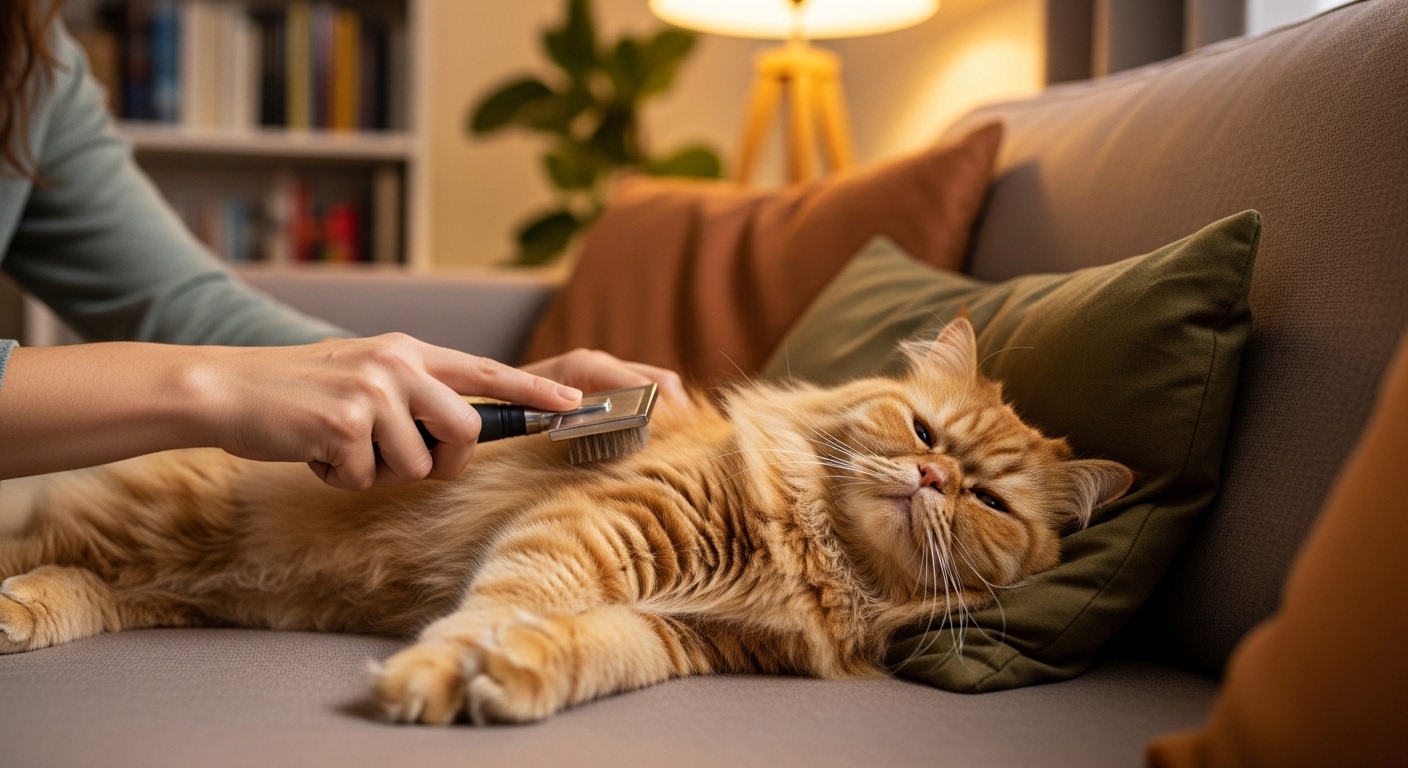
- Medium to long-haired cats may need daily brushing to prevent tangles, mats, and the discomfort that comes with them — breeds like Persians and Ragdolls are especially prone to matting.
- Bathing is rarely necessary for most cats, as they are meticulous self-groomers, but in some cases — such as after exposure to a sticky substance or for cats with skin conditions — a gentle, cat-formulated shampoo bath every few months may be recommended by your vet.
- Nail trimming every two to three weeks indirectly supports coat health by reducing the risk of self-inflicted scratching injuries that can damage the skin and fur.
- Ear and eye cleaning as needed helps prevent infections that can sometimes spread and affect the surrounding coat quality.
- Professional grooming every three to six months can be a valuable option for long-haired breeds or cats who resist home grooming sessions.
Beyond physical grooming, hydration plays a surprisingly significant role in coat condition. Cats who drink adequate water — or who eat moisture-rich wet food — tend to have more supple skin and shinier fur. Encouraging water intake through a cat fountain or by adding wet food to their diet is a simple but effective strategy.
Pro tip: Always brush in the direction of fur growth using gentle, short strokes. Rushing or pulling against the grain can cause discomfort and make your cat associate grooming with stress.
Recommended Options
Choosing the right products and dietary supports can significantly elevate your cat's coat quality. Here are some of the most effective options to consider:
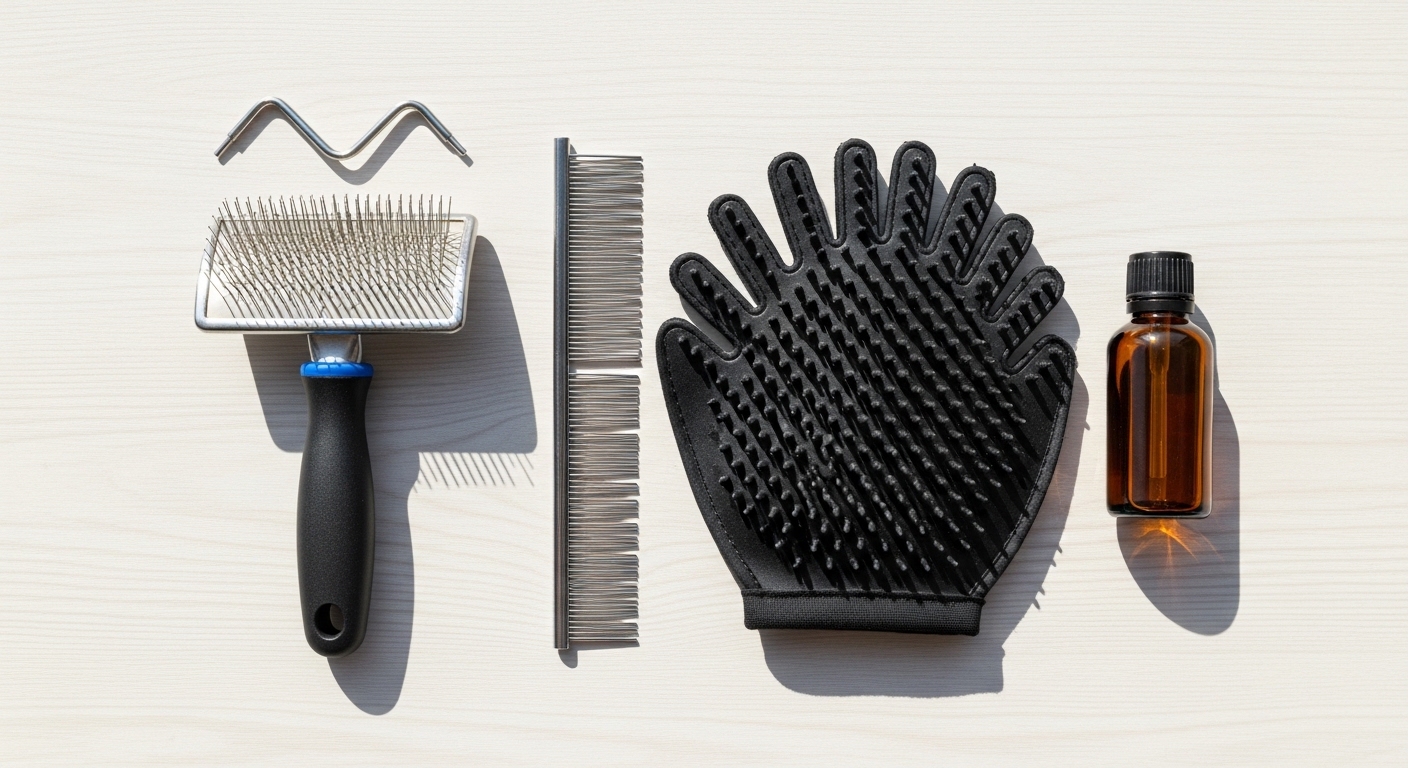
- Slicker brushes — ideal for medium to long-haired cats, these fine wire bristles gently detangle and remove loose undercoat fur without scratching the skin.
- Rubber grooming mitts — a favourite for short-haired breeds, these slip over your hand and use gentle friction to lift dead fur while mimicking the feel of a pet.
- Stainless steel combs — excellent for working through mats and checking for fleas or skin irregularities, especially in dense-coated breeds.
- High-quality, protein-rich cat food — a diet with real animal protein as the first ingredient supports keratin production, the structural protein that makes fur strong and shiny.
- Omega-3 and omega-6 fatty acid supplements — fish oil or flaxseed-based supplements may help reduce dryness and add a noticeable sheen to the coat; always consult your veterinarian before adding supplements.
- Cat-specific dry shampoos or grooming wipes — useful for spot-cleaning between baths, especially for senior cats or those who dislike water.
- Water fountains — many cats prefer moving water, and staying well-hydrated directly supports skin elasticity and coat moisture.
- Probiotic supplements — in some cases, gut health and coat health are closely linked, and many vets suggest that a balanced microbiome may contribute to reduced shedding and improved fur texture.
What to Avoid
Just as important as knowing what to do is knowing what to steer clear of. Some common mistakes can actively harm your cat's coat and skin health:
- Using human shampoo or conditioner — human hair products have a different pH balance than cat-safe formulas and can strip the skin's natural oils, leading to dryness, irritation, and a dull coat.
- Over-bathing — bathing too frequently removes the protective oils that give a cat's coat its natural lustre and can cause flaky, itchy skin.
- Ignoring mats — leaving mats unaddressed allows them to tighten against the skin, causing pain, restricting circulation, and creating a warm, moist environment where bacteria and parasites can thrive.
- Feeding a low-quality diet — foods heavy in fillers, artificial additives, or with vague protein sources may lack the essential amino acids and fatty acids needed for healthy fur growth.
- Skipping flea and parasite prevention — flea infestations are a leading cause of excessive scratching, hair loss, and coat damage; consistent parasite prevention is non-negotiable.
- Allowing chronic stress — cats who are chronically stressed may over-groom, leading to bald patches and coat thinning; environmental enrichment and a stable routine are key preventive measures.
- Using the wrong brush for the coat type — a slicker brush used too aggressively on a short-haired cat can cause 'brush burn' on the skin, while a rubber mitt used on a long-haired cat may miss deep tangles entirely.
Frequently Asked Questions
How do I know if my cat's coat is truly healthy?
A healthy coat typically looks smooth, shiny, and lies flat against the body without excessive clumping or greasiness. The fur should feel soft to the touch, and you should not notice large amounts of dandruff, bald patches, or a persistent unpleasant odour. If you are unsure, your veterinarian can assess coat condition during a routine exam.
Can diet alone improve my cat's coat?
Diet is one of the most powerful levers you can pull for coat health. Switching to a high-quality, protein-rich food and ensuring adequate omega fatty acid intake may produce noticeable improvements in coat shine and texture within a few weeks. However, diet works best alongside regular grooming and a low-stress environment — no single factor works in isolation.
My cat hates being brushed. What can I do?
Start slowly and keep sessions very short — even 30 seconds counts in the beginning. Use a soft rubber mitt rather than a bristle brush, as many cats find it less intimidating. Pair grooming with a treat or a favourite activity immediately afterward to build positive associations. If your cat remains highly resistant, a professional groomer experienced with anxious cats may be a worthwhile investment.
Is excessive shedding a sign of a health problem?
Some shedding is completely normal, particularly during seasonal transitions in spring and autumn. However, sudden or dramatic increases in shedding, especially when accompanied by bald patches, skin redness, or changes in behaviour, may indicate an underlying issue such as allergies, hormonal changes, or parasites. Consult your veterinarian if you notice a significant change in your cat's shedding patterns.
Do indoor cats need as much coat care as outdoor cats?
Yes — and in some ways, indoor cats may need more attention. Indoor environments with central heating or air conditioning can be quite dry, which may contribute to skin dryness and a duller coat. Indoor cats also tend to shed year-round rather than seasonally, making regular brushing especially important for managing loose fur and preventing hairballs.
Caring for your cat's coat is one of the most rewarding aspects of pet ownership — it deepens your bond, keeps your home cleaner, and gives you a regular opportunity to check in on your cat's overall health. By combining a nutritious diet, a consistent grooming routine, a low-stress environment, and the right tools for your cat's specific coat type, you are setting the stage for a lifetime of soft, shiny, healthy fur. Remember, when in doubt about any changes you notice in your cat's coat or skin, always consult your veterinarian — they are your best partner in keeping your feline friend looking and feeling their absolute best.
Comments
Post a Comment