Welcome back, fellow dog lovers! One of the most common questions new and experienced pet parents ask is about bath time. Finding the sweet spot between a smelly pup and a dog with dry, itchy skin can feel like a guessing game. Whether your pup loves the water or hides under the bed at the sound of running taps, getting them into a sudsy tub is an essential part of their care routine.
Why This Matters
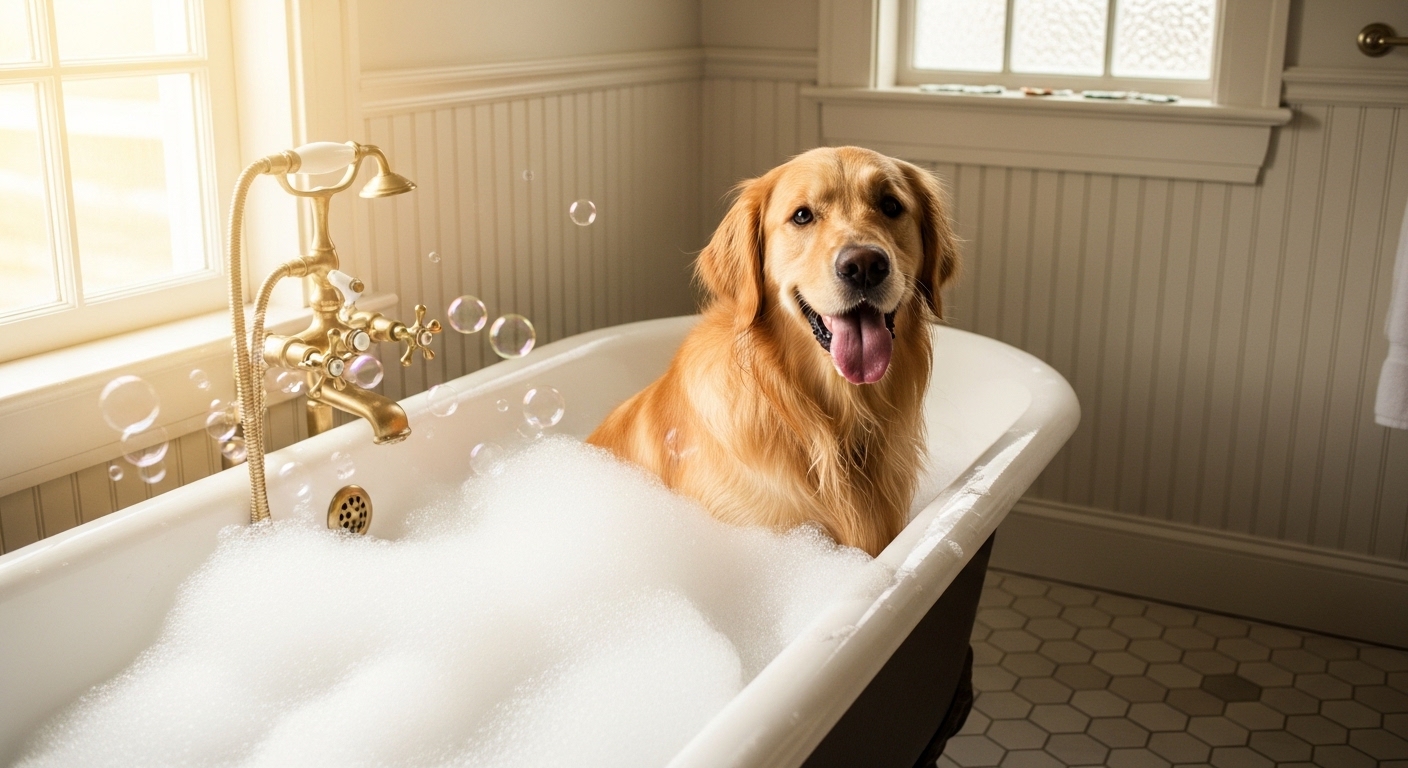
Dogs have a very different skin pH compared to humans. While we might shower every day, doing the same to our canine companions can strip their coat of natural oils. These oils are crucial for protecting their skin from environmental irritants and keeping their fur water-resistant. Maintaining that delicate balance helps keep their coat looking as shiny and healthy as a freshly groomed golden retriever.
Guidelines & Frequency
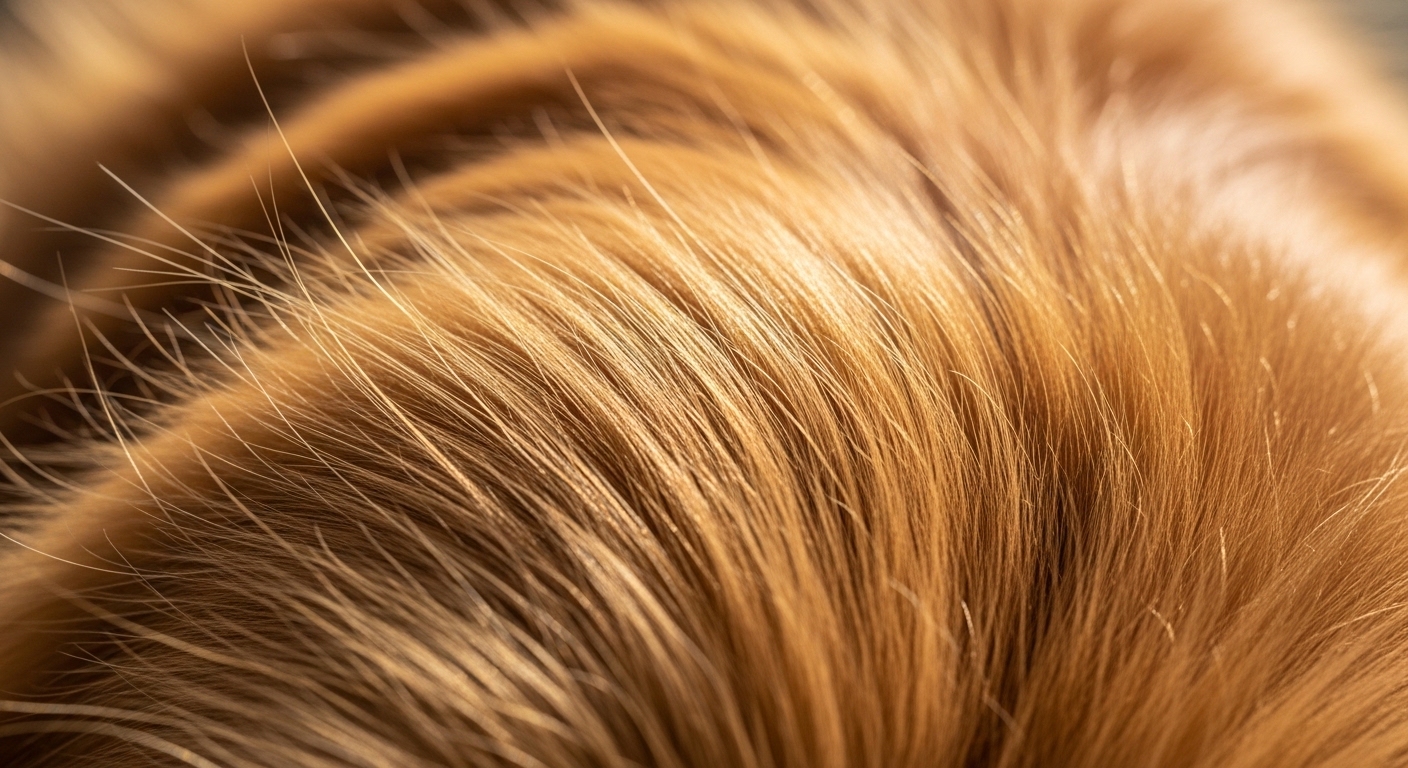
There is no one-size-fits-all answer to bathing frequency, as it heavily depends on your dog's breed, coat type, and lifestyle. A dog that loves rolling in mud puddles will naturally need more baths than a senior dog who prefers the sofa. Here is a general breakdown based on coat types:
- Hairless Breeds: Dogs like the Chinese Crested require weekly baths to prevent acne and oil buildup on their exposed skin.
- Short-Haired Breeds: Pups like Beagles or Boxers usually only need a bath every one to three months, unless they get into something smelly.
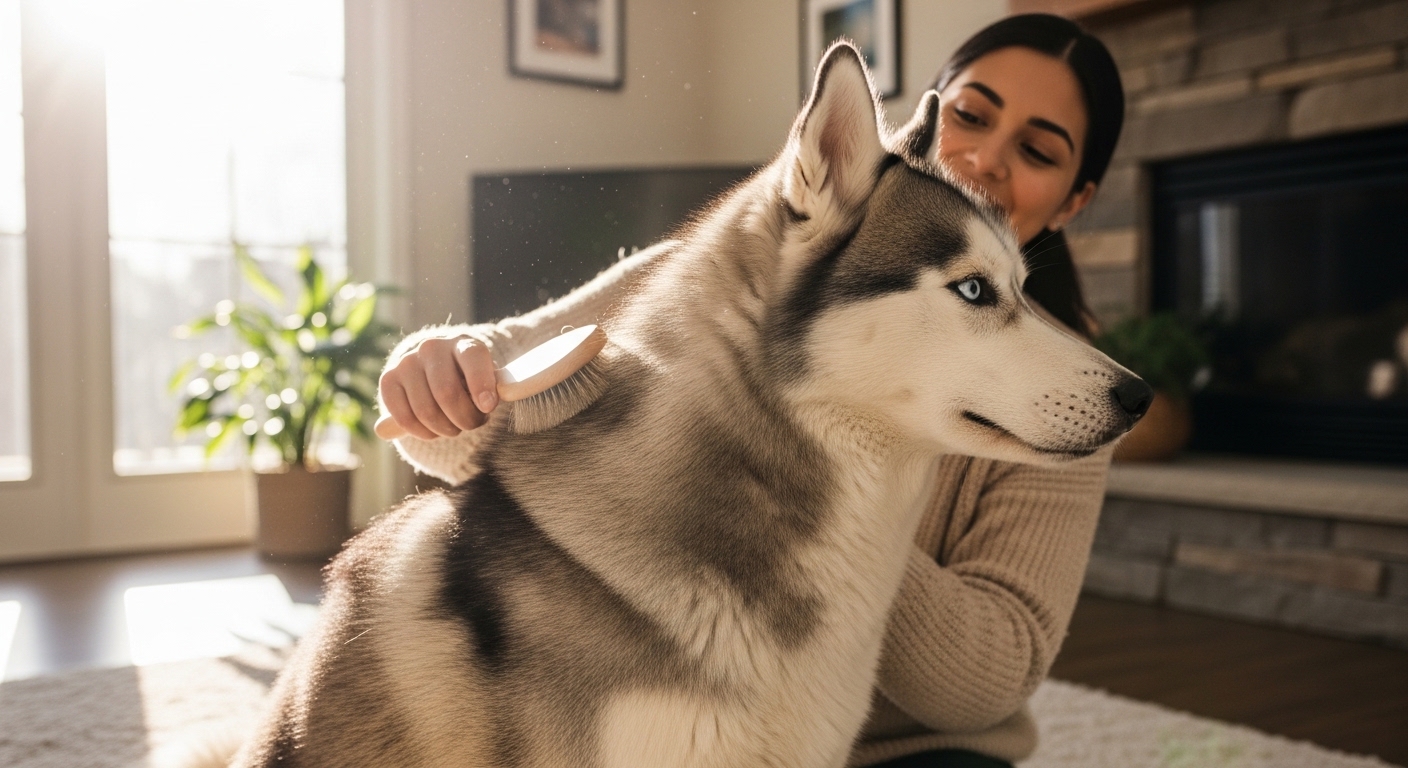
- Double-Coated Breeds: Huskies and Golden Retrievers do well with a bath every 8 to 12 weeks, as over-bathing can damage their insulating undercoat.
- Curly or Oily Coats: Poodles and Cocker Spaniels often benefit from a bath every 4 to 6 weeks to prevent matting and manage oil production.
A good rule of thumb is to bathe your dog only when they are visibly dirty or have a noticeable odor, rather than sticking to a strict calendar schedule.
For instance, a thick-coated husky will have vastly different grooming needs compared to a sleek greyhound lounging indoors.
Recommended Options
When it is finally time for a wash, the products you use are just as important as the water temperature. Human shampoos are far too acidic for dogs and can cause severe irritation. Choosing the right supplies, like a gentle oatmeal shampoo, can make all the difference for your dog's sensitive skin.
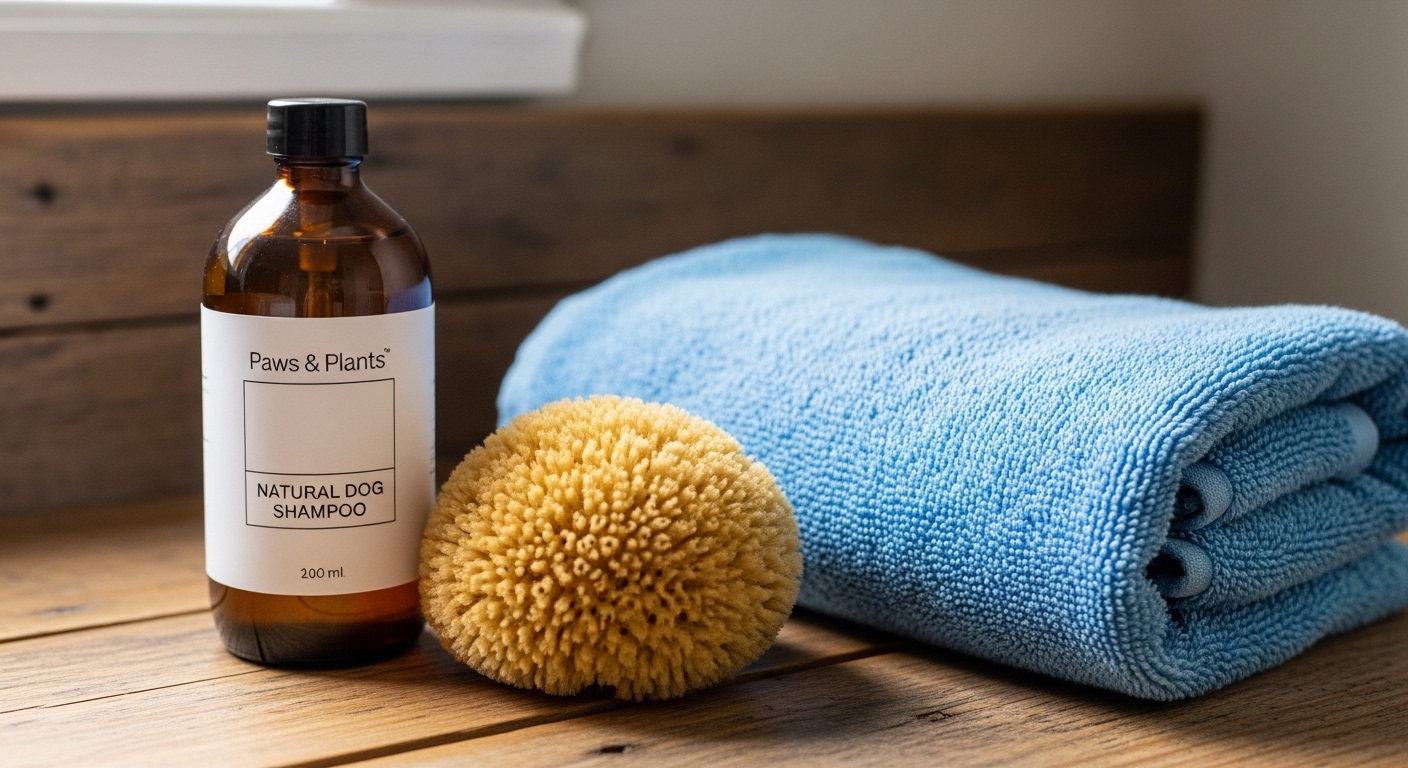
- Oatmeal-based shampoos: These are excellent for soothing dry, itchy skin and providing gentle moisture.
- Hypoallergenic formulas: These fragrance-free options are ideal for dogs with known allergies or highly sensitive skin.
- Conditioning sprays: A light, dog-safe leave-in conditioner can help detangle curly coats and lock in hydration after a bath.
- Rubber bath brushes: These handy tools help massage the shampoo down to the skin and loosen dead fur during the wash.
What to Avoid
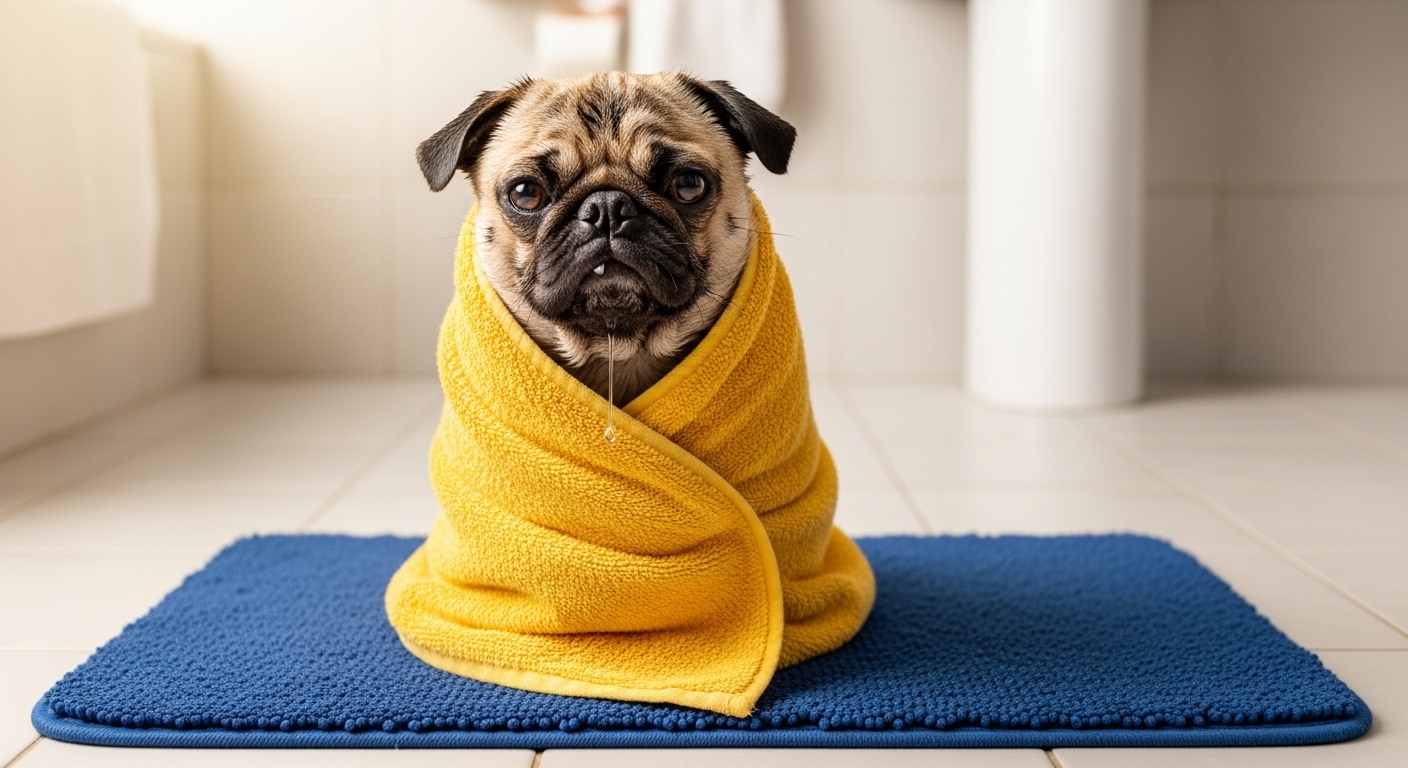
Even with the best intentions, bath time can go wrong if you aren't careful. Certain practices can lead to skin infections, anxiety, or discomfort. Avoiding these common pitfalls will ensure your furry friend stays happy and comfortable, rather than shivering and stressed after bath time.
- Using human shampoo or dish soap: These strip essential oils and disrupt the canine skin barrier, leading to dryness and irritation.
- Bathing with hot water: Dogs are sensitive to heat; always use lukewarm water to prevent burns and overheating.
- Getting water in the ears: Moisture trapped in the ear canal can easily lead to yeast or bacterial infections.
- Skipping the brush-out: Bathing a matted dog will only tighten the knots; always brush your dog thoroughly before getting them wet.
Frequently Asked Questions
Can I bathe my dog every week?
For most breeds, weekly bathing is too frequent and may lead to dry, flaky skin. However, in some cases, a veterinarian might recommend frequent medicated baths for specific dermatological issues. If you are unsure, consult your veterinarian for personalized advice.
What should I do if my dog hates baths?
Take it slow and use plenty of positive reinforcement. Smearing dog-safe peanut butter on a lick mat attached to the shower wall can be a great distraction. Many vets suggest gradually desensitizing your dog to the sound of running water before attempting a full bath.
How do I know if I'm using the wrong shampoo?
Signs of a negative reaction include excessive scratching, redness, flaking, or hives after a bath. If you notice persistent redness or itching, it is always best to consult your veterinarian to rule out allergies or infections.
Bath time doesn't have to be a chore for you or a nightmare for your dog. By understanding your specific breed's needs and choosing high-quality, skin-safe products, you can turn grooming into a positive bonding experience. With the right routine, your freshly washed dog will be ready to proudly show off their clean, fluffy coat to the world.
Comments
Post a Comment