A Bengal cat will rearrange your priorities fast. You might think you are getting a pretty cat who sits on windowsills looking photogenic — and they do look photogenic — but within a week you will also find them inside your kitchen cabinets, batting your phone off the nightstand at 3 a.m., and demanding interaction with an intensity that most dogs cannot match. They are genuinely unlike any other domestic cat breed, and that is not a compliment or a criticism so much as a fair warning. If you are considering bringing one home, or you already have and are trying to make sense of what you signed up for, this guide covers everything you need to know.
Origins & History
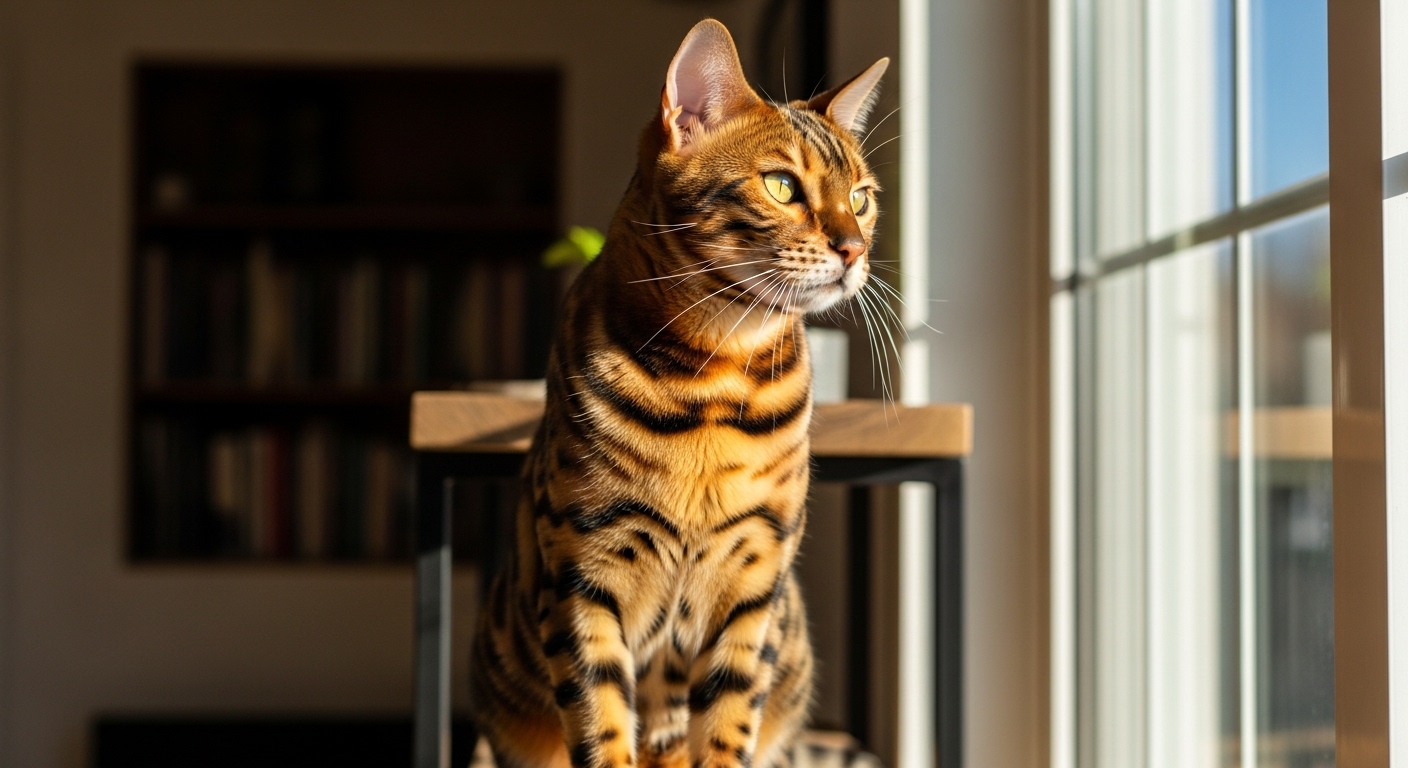
The Bengal is a relatively young breed with a genuinely unusual origin story. In the early 1960s, geneticist Jean Mill crossed a domestic cat with an Asian Leopard Cat — a small wild felid native to South and Southeast Asia — with the goal of creating a cat that carried the visual drama of a wild animal but the temperament of a pet. The project stalled, then resumed in the 1980s when Mill acquired cats from a research program at UC Davis and continued selective breeding in earnest.
The International Cat Association (TICA) granted the Bengal full recognition in 1991. Today's Bengals are many generations removed from their wild ancestors — most reputable breeders work with cats that are at least four generations from the Asian Leopard Cat, which is designated as F4 or higher. Below that threshold, the cats are sometimes called "early generation" Bengals and may exhibit significantly more unpredictable behavior. Some jurisdictions have restrictions on owning early-generation Bengals, so it is worth checking your local regulations before purchasing.
The breed's name comes from the Asian Leopard Cat's scientific name, Prionailurus bengalensis, not from the Bengal tiger, though the confusion is understandable given how the coat looks.
Appearance & Size
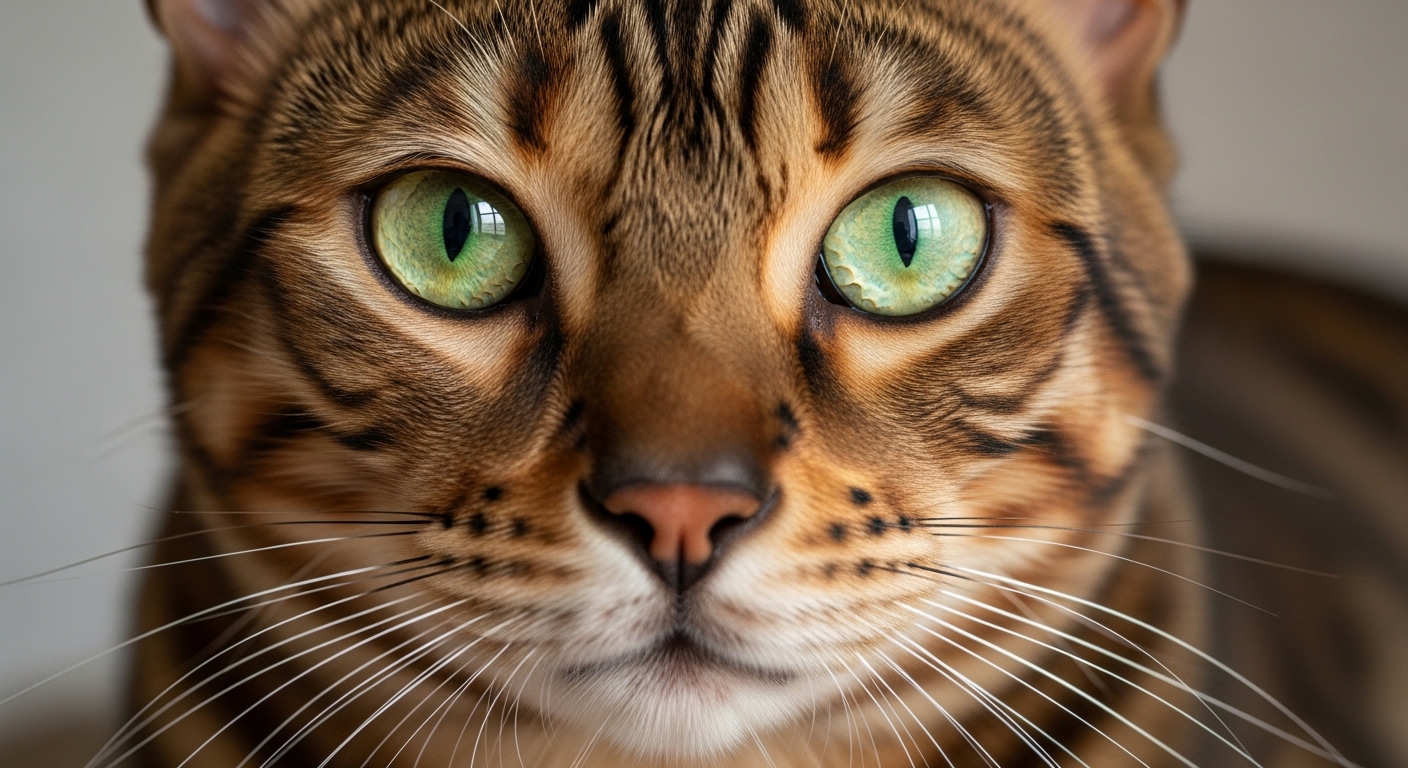
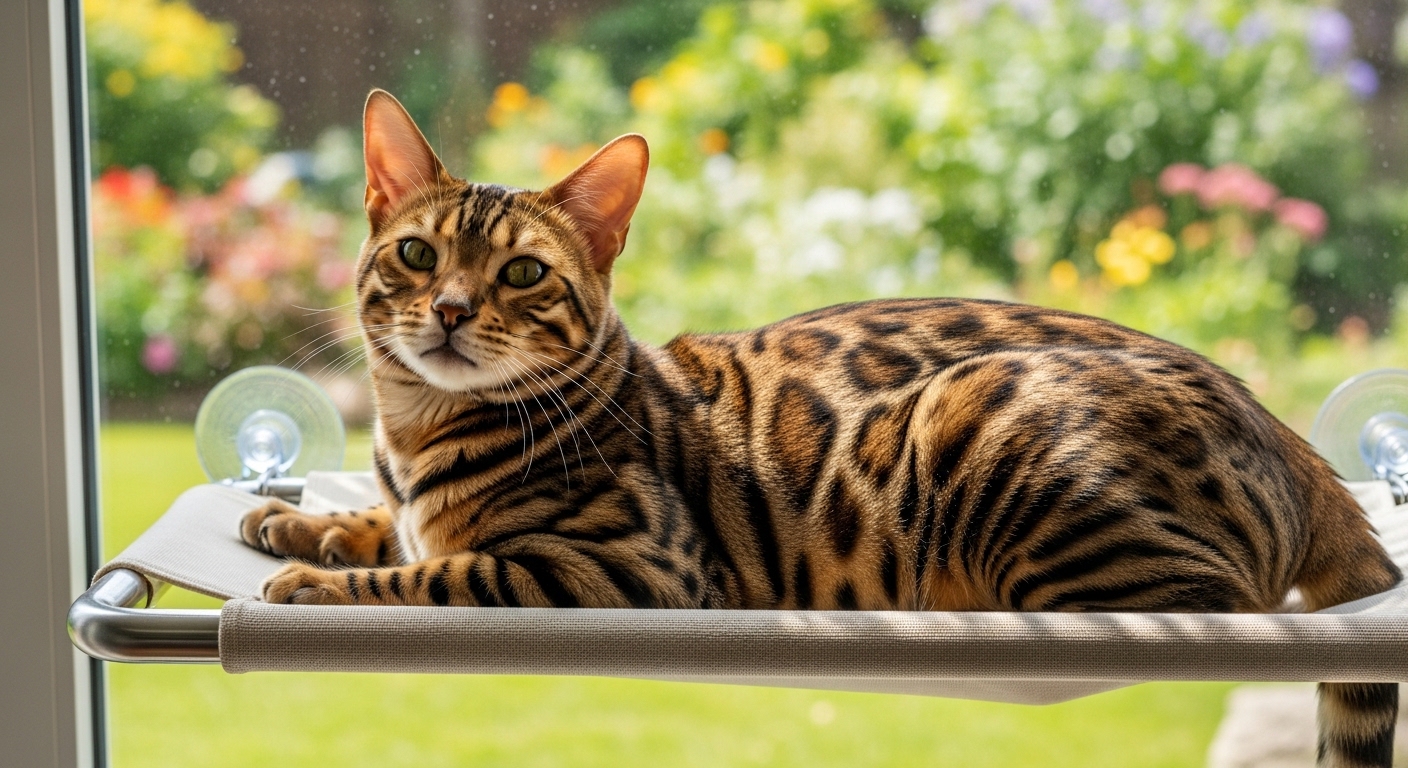
The coat is the first thing anyone notices, and it earns every bit of the attention. Bengals come in several pattern types — spotted, rosetted, and marbled — with rosettes being the most prized. Rosettes are two-toned spots that resemble the markings of a leopard or jaguar, and a well-bred Bengal with clear, high-contrast rosettes is a genuinely striking animal. The coat itself has a quality sometimes described as "glitter," a sheen caused by translucent hair tips that catches light in a way that looks almost metallic.
Base colors range from golden-brown and orange to silver, charcoal, and snow (a pale cream or ivory). The belly is typically lighter, often spotted as well. One practical note: despite the exotic appearance, the Bengal coat is short, dense, and low-maintenance compared to many long-haired breeds. Shedding still happens — you will find hairs on your dark clothing — but it is manageable with a weekly brush.
Size-wise, Bengals are medium to large cats. Males typically weigh between 10 and 15 pounds; females usually fall between 7 and 10 pounds. They are muscular and athletic, with a long, lean body and a thick tail. The head is broad with high cheekbones and prominent whisker pads, giving them a slightly wild facial structure that matches the rest of the package.
Temperament
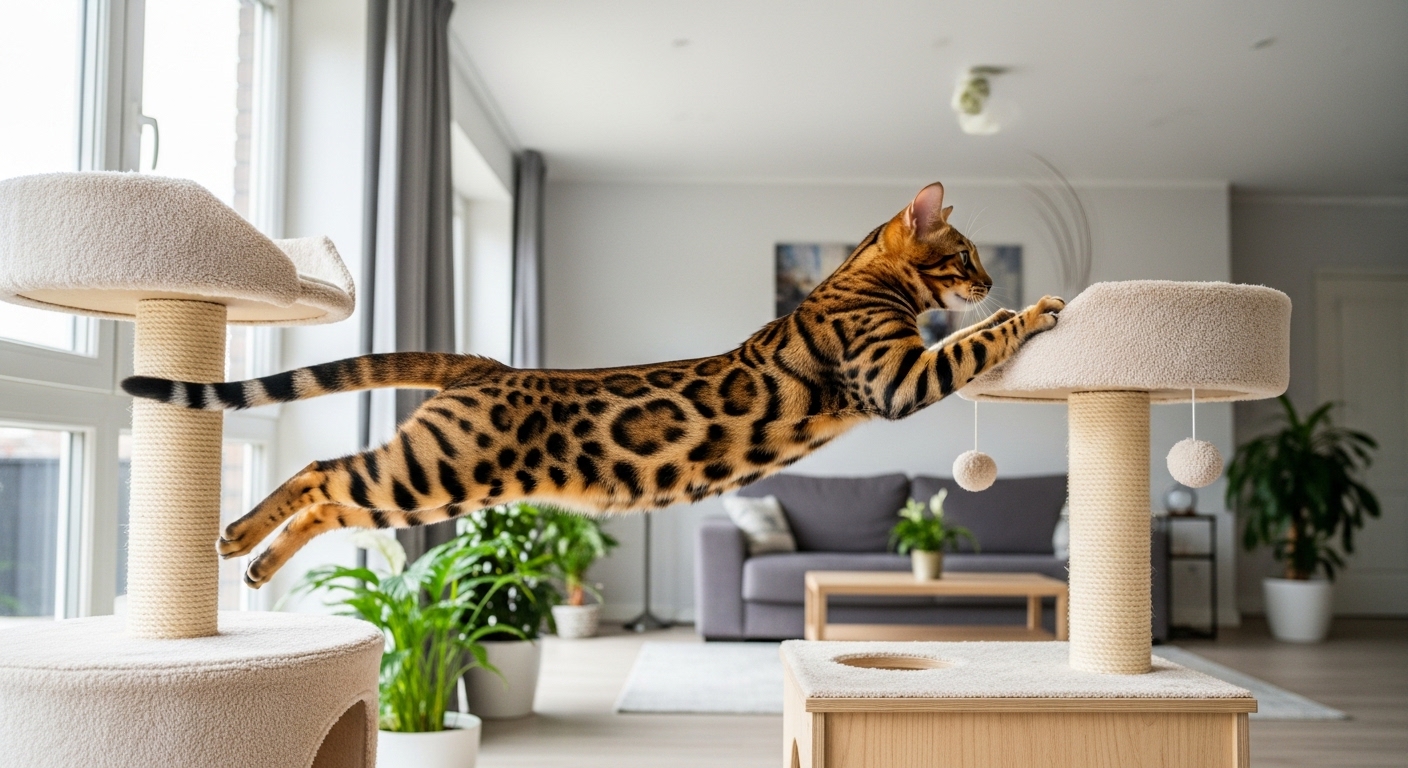
Bengals are not lap cats. Some individual cats may tolerate or even enjoy being held, but as a breed they are wired for movement, exploration, and engagement rather than passive companionship. They are highly intelligent, which means they learn quickly — including how to open doors, turn on faucets, and figure out that knocking things off shelves gets your attention reliably.
They are also vocal. Not in the yowling way of a Siamese, but they will chirp, trill, and chatter at you throughout the day, particularly when they want something. And they usually want something. Food, play, access to a room you have closed off, or just acknowledgment — Bengals are not content to exist quietly in the background of your life.
Water is a notable quirk. Many Bengals are fascinated by it. Running faucets, full water glasses, and even shallow puddles can hold their attention for extended periods. Some owners end up buying pet water fountains not for hydration reasons but because it keeps the cat occupied and away from the kitchen sink.
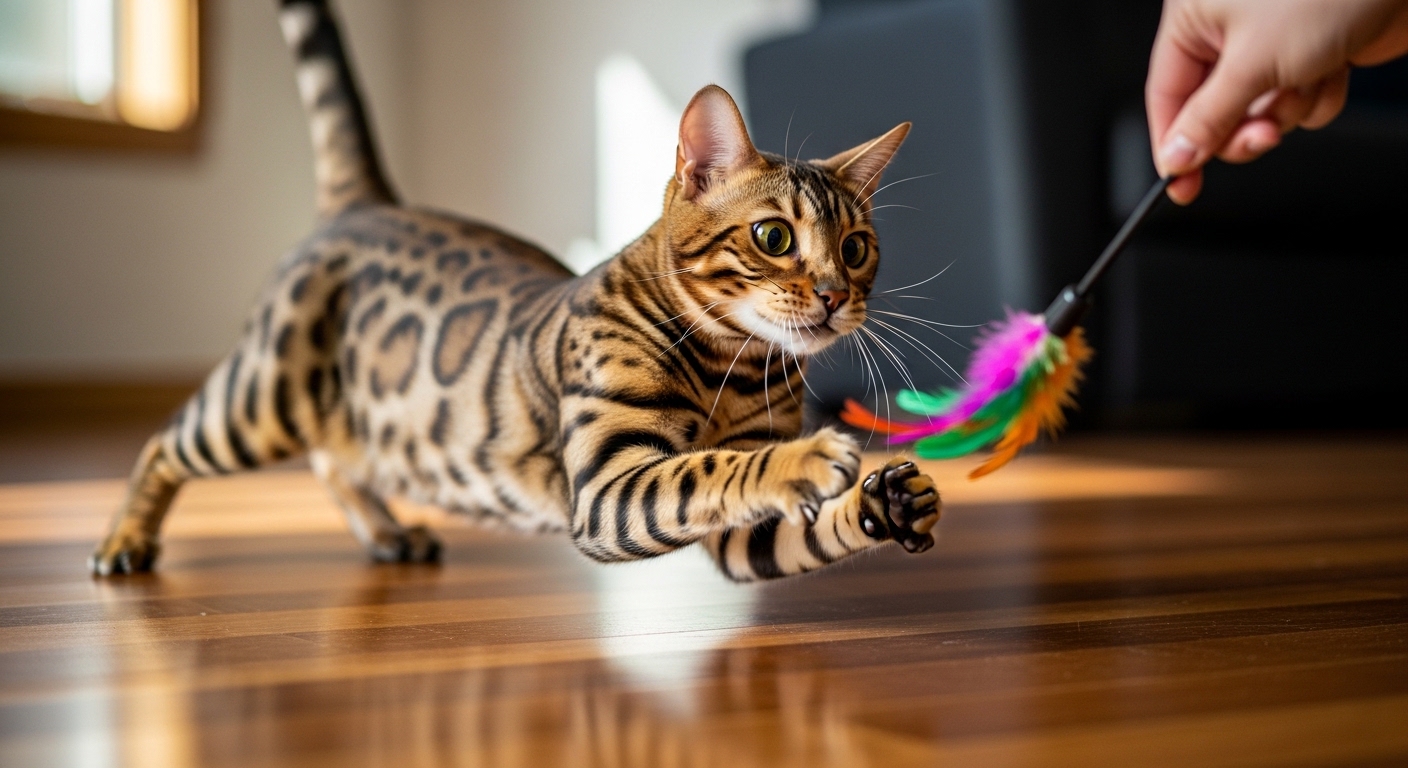
Bengals thrive on interaction and mental stimulation. A bored Bengal is a destructive Bengal — plan enrichment into your daily routine, not as an afterthought.
They generally do well with other cats and even dogs if introduced carefully and early, though they tend to be dominant and may bully more passive animals. With children, they can be great companions for kids who are old enough to engage in active play, but they are not particularly tolerant of being carried around or dressed up.
Real Owner Reality: Living with a Bengal means accepting that your home will be organized around the cat to some degree. High shelves get cleared because the cat will knock things off them. Certain rooms may need to be off-limits with actual latching hardware, not just a pulled-to door. One common owner complaint is that the Bengal's intelligence makes them resistant to being ignored — they escalate until they get a response, and "escalate" can mean a lot of things at 5 a.m.
Health & Lifespan
Bengals generally live between 12 and 16 years, which is consistent with most domestic cat breeds. They are considered a relatively robust breed, but there are a few health conditions that appear more frequently in Bengals than in the general cat population, and any prospective owner should be aware of them.
- Progressive Retinal Atrophy (PRA-b): A hereditary eye condition that may lead to vision loss over time. Reputable breeders test for this genetically, so ask for documentation.
- Hypertrophic Cardiomyopathy (HCM): A form of heart disease that affects many cat breeds. Bengals may have an elevated risk, and many vets suggest regular cardiac screening for the breed.
- Bengal Progressive Retinal Atrophy (b-PRA): Distinct from the general PRA, this variant is specific to Bengals and causes early-onset blindness in affected cats.
- Tritrichomonas foetus: A gastrointestinal parasite that can cause chronic diarrhea in Bengals, possibly linked to their wild ancestry and gut microbiome differences. Consult your veterinarian if you notice persistent digestive issues.
- Flat-chested kitten syndrome (FCKS): Occasionally seen in Bengal litters, this is a developmental condition in kittens that varies in severity.
None of these conditions are guaranteed to affect your cat, and a kitten from a health-tested breeding program starts with significantly better odds. Always ask breeders for genetic health screening results on both parents. For any specific health concerns, consult your veterinarian rather than relying on breed generalizations alone.
Is This Breed Right for You?
Honestly? Not for everyone. Bengals are rehomed at a higher rate than many breeds because people underestimate the energy and engagement they require. That is not the cat's fault — it is a mismatch between expectation and reality.
A Bengal is likely a good fit if you:
- Work from home or spend significant time at home and can provide regular interaction throughout the day
- Have experience with cats and understand that "independent" does not describe this breed
- Can provide vertical space — cat trees, wall-mounted shelves, or dedicated climbing structures
- Are willing to invest in puzzle feeders, interactive toys, and rotating enrichment to keep the cat mentally occupied
- Have the budget for a reputable breeder (expect to pay $1,500–$3,000+ for a well-bred kitten) or are open to adopting a Bengal from a rescue
A Bengal is probably not a good fit if you:
- Want a calm, low-maintenance companion who will mostly sleep and stay out of your way
- Have very young children or fragile elderly pets who may be overwhelmed by the Bengal's assertiveness
- Live in a small space with no enrichment options and are away for long hours daily
- Are sensitive to noise — the chirping and chattering is charming for about a week, then it becomes part of your permanent ambient soundscape
Some owners do keep Bengals in apartments successfully, but it requires deliberate effort: structured play sessions twice a day, plenty of vertical space, and ideally a second cat for company. A Bengal left alone in a bare apartment for eight hours will find its own entertainment, and you probably will not enjoy the results.
Frequently Asked Questions
Are Bengal cats hypoallergenic?
No cat is truly hypoallergenic, and Bengals are no exception. Some people with mild cat allergies report fewer reactions to Bengals, possibly because their short, dense coat produces less airborne dander than fluffier breeds. However, the primary allergen in cats is the protein Fel d 1, found in saliva and skin secretions, and Bengals produce this like any other cat. If you have allergies, spend time with the specific cat before committing, and consult your doctor about your individual sensitivity.
Can Bengal cats go outside?
Many Bengal owners choose to keep their cats indoors only, given the breed's value, their tendency to roam widely, and the risks of outdoor life. That said, Bengals often do very well with supervised outdoor access — a secure catio, a leash and harness for walks, or a fully enclosed garden can provide the stimulation they crave without the dangers of free roaming. Leash training a Bengal is more feasible than with many breeds; they tend to take to harnesses reasonably well when introduced young.
Do Bengal cats get along with dogs?
They can, with proper introductions. Bengals are confident enough that they rarely become fearful of dogs, which is actually part of what makes introductions manageable — they do not immediately flee and trigger a chase response. The more common issue is the Bengal asserting dominance over a dog that is larger but more passive. Slow, controlled introductions with separate spaces and gradual supervised contact give the best chance of a peaceful household. The dog's temperament matters as much as the cat's.
If you go into Bengal ownership with clear eyes about what the breed actually is — active, demanding, intelligent, and visually spectacular — you will be well-prepared. They are genuinely rewarding cats for the right household. They are also genuinely exhausting ones for the wrong household. The difference usually comes down to how much daily engagement you can realistically offer, and whether you find their particular brand of chaos entertaining or maddening.
Comments
Post a Comment