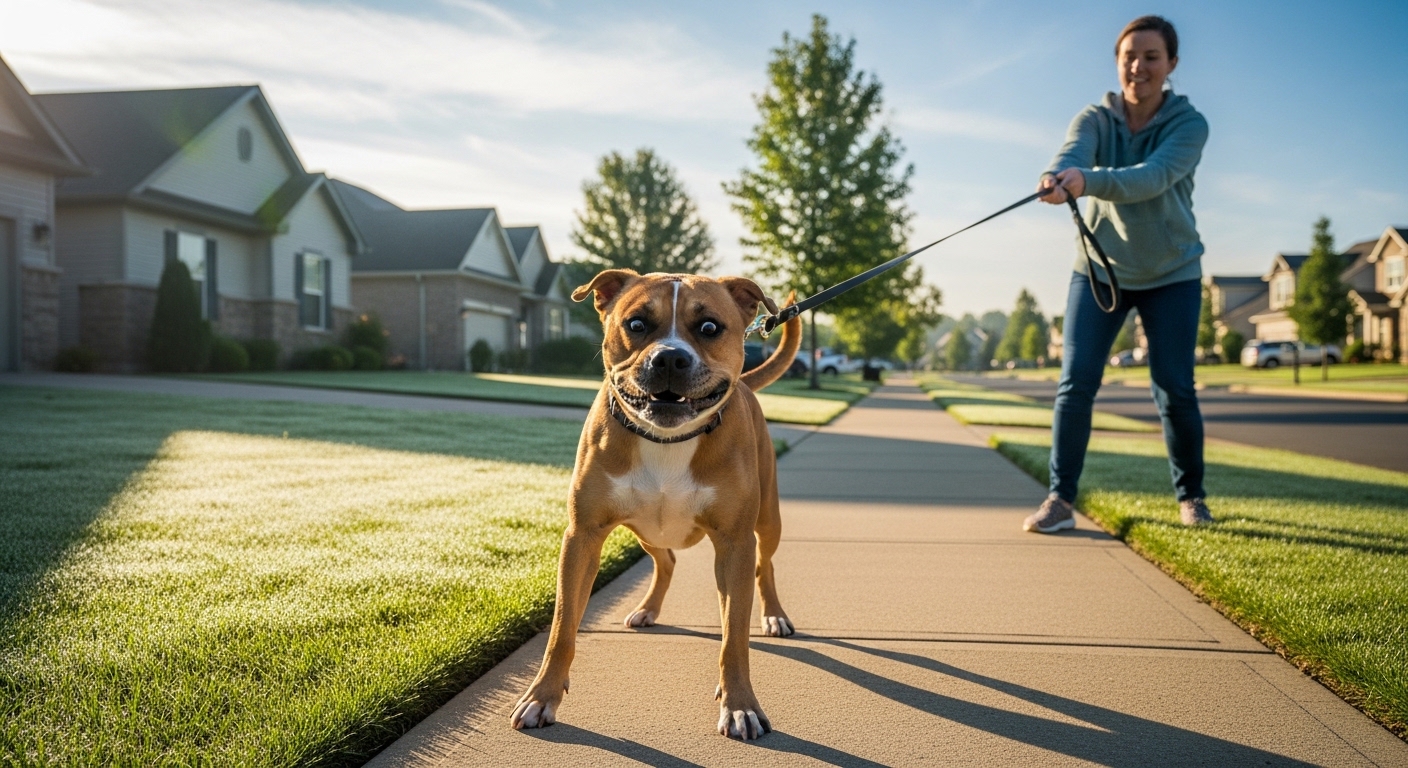
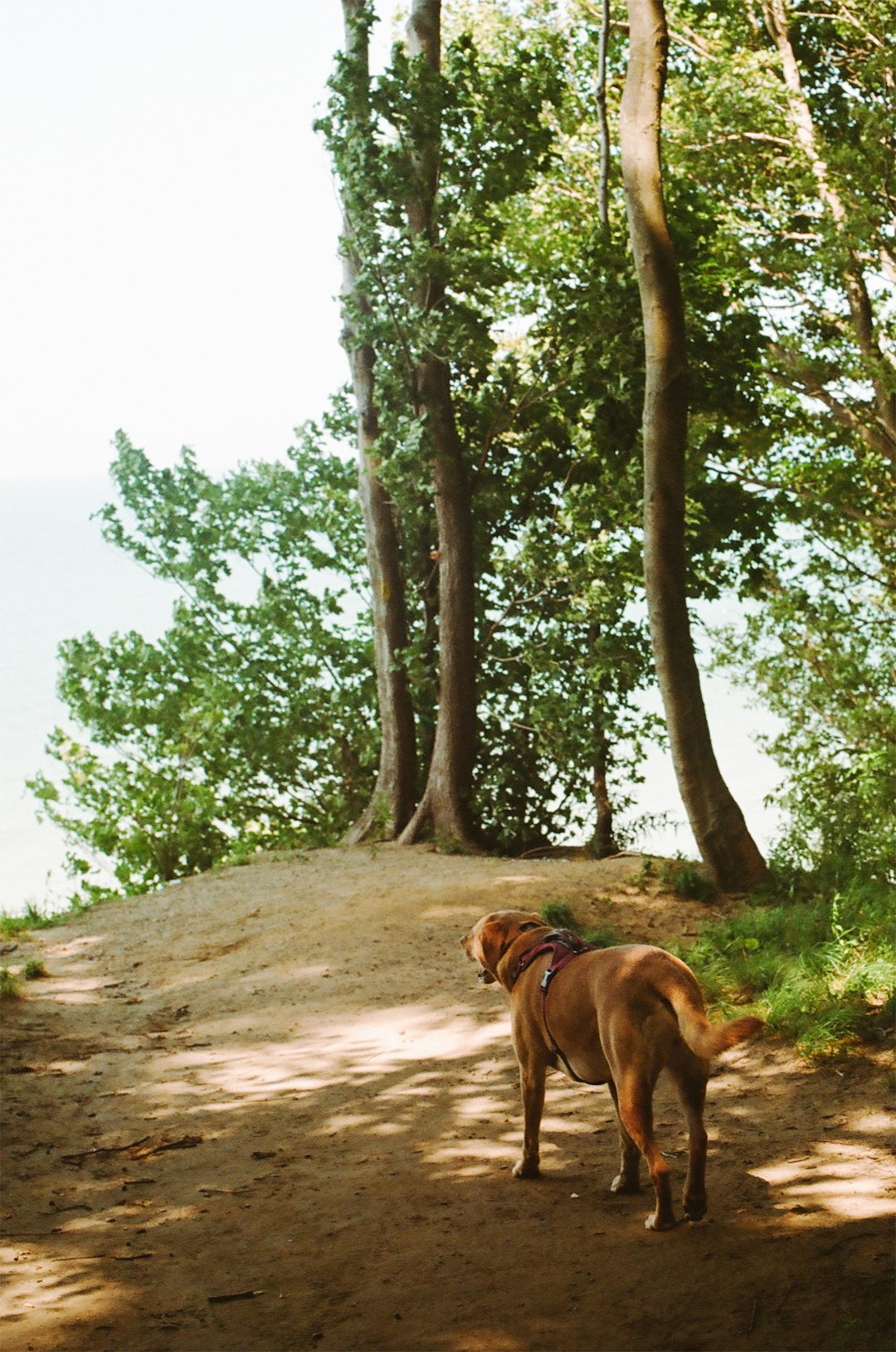
Walking your dog should be a relaxing bonding experience, but if your pup lunges, barks, or growls at other dogs, it can quickly become a stressful ordeal. This behavior, known as leash reactivity, is incredibly common among our canine companions. You are not alone, and more importantly, it is something you can work through together with patience and understanding. Let's take a look at a typical scenario where a dog is pulling hard on the leash during a walk.
Why It Happens
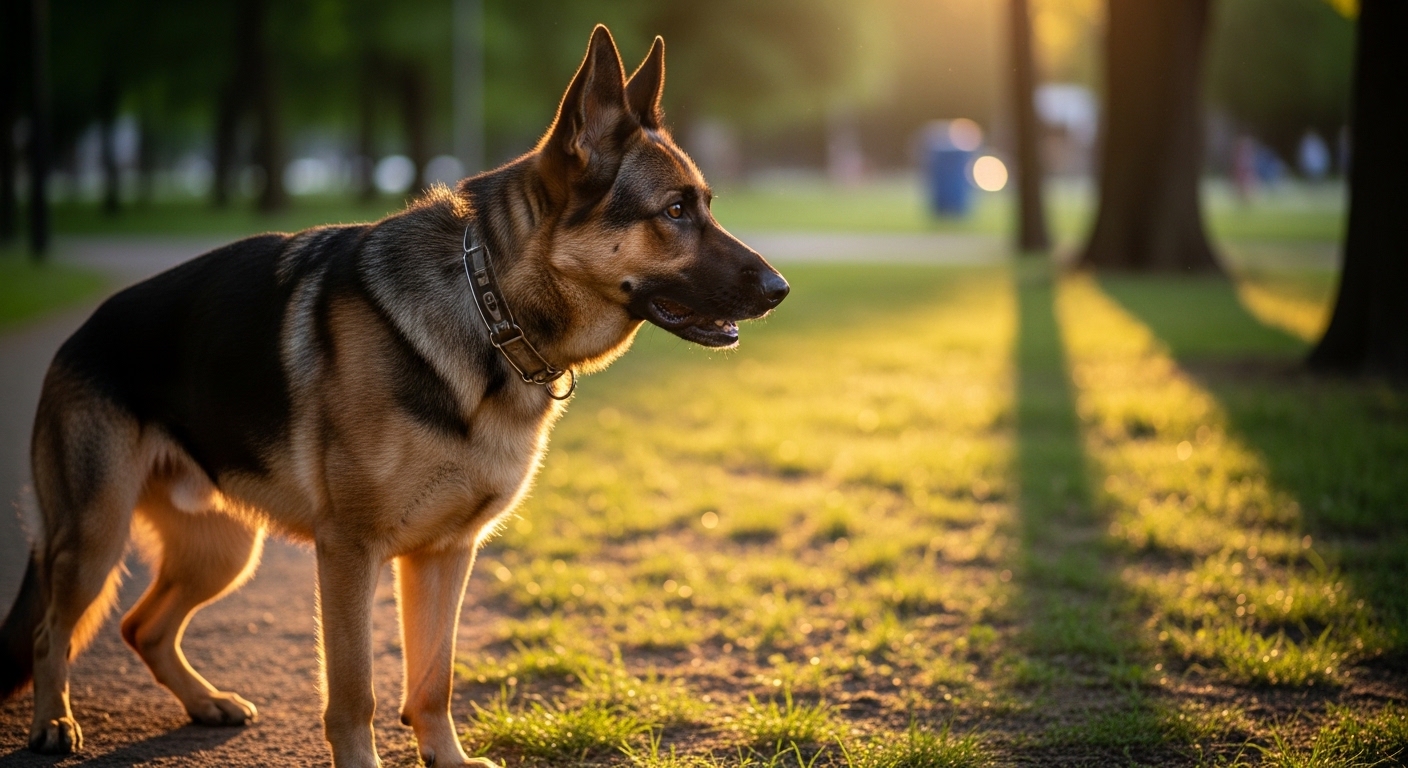
Reactivity is usually driven by an underlying emotional response rather than a desire to be stubborn or bad. In many cases, it stems from fear. When a dog feels trapped on a leash and cannot flee from a perceived threat, their fight-or-flight instinct may kick in, causing them to act aggressively to create distance. Another frequent cause is barrier frustration; a friendly dog may become overly excited to greet a passing pup, and the physical restriction of the leash causes that excitement to boil over into frustration and barking. You might notice your dog's body language stiffen as they spot another dog approaching from across the street.
Step-by-Step Training Method
The most effective way to address leash reactivity is through counter-conditioning and desensitization. This means gradually changing your dog's emotional response to the trigger from negative to positive. Here is a basic plan to get started:
- Find your dog's threshold: Figure out the exact distance at which your dog can see another dog without reacting or breaking focus from you.
- Play the look-at-that game: As soon as your dog spots the trigger at a safe distance, mark the behavior with a clicker or a cheerful verbal marker like "Yes!"
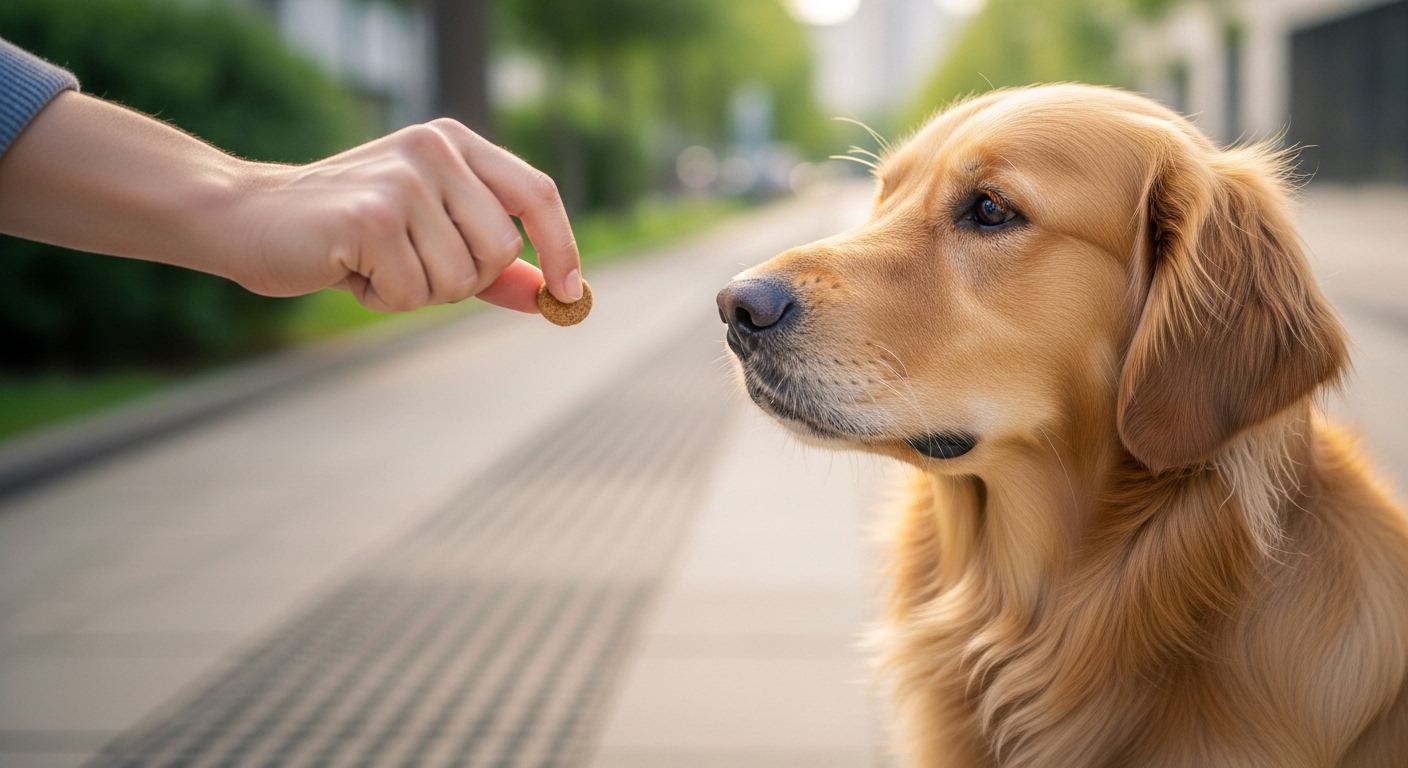
- Reward immediately: Give your dog a high-value treat right away, before they have a chance to react or bark.
- Decrease distance slowly: Over weeks or months of practice, gradually move closer to triggers, always ensuring you stay under your dog's threshold.
Here is a dog being rewarded with a tasty treat right after calmly looking at a trigger.
Common Mistakes
When dealing with a reactive dog, it is easy to make well-intentioned errors that can inadvertently set back your training progress. Be mindful of these common pitfalls:
- Punishing the reaction: Yelling or using corrective collars can validate your dog's fear, making the reactivity worse over time.
- Rushing the process: Moving too close to triggers too quickly will overwhelm your dog and break their focus.
- Inconsistent rewarding: Failing to reward every time your dog notices a trigger can confuse them during the early stages of training.
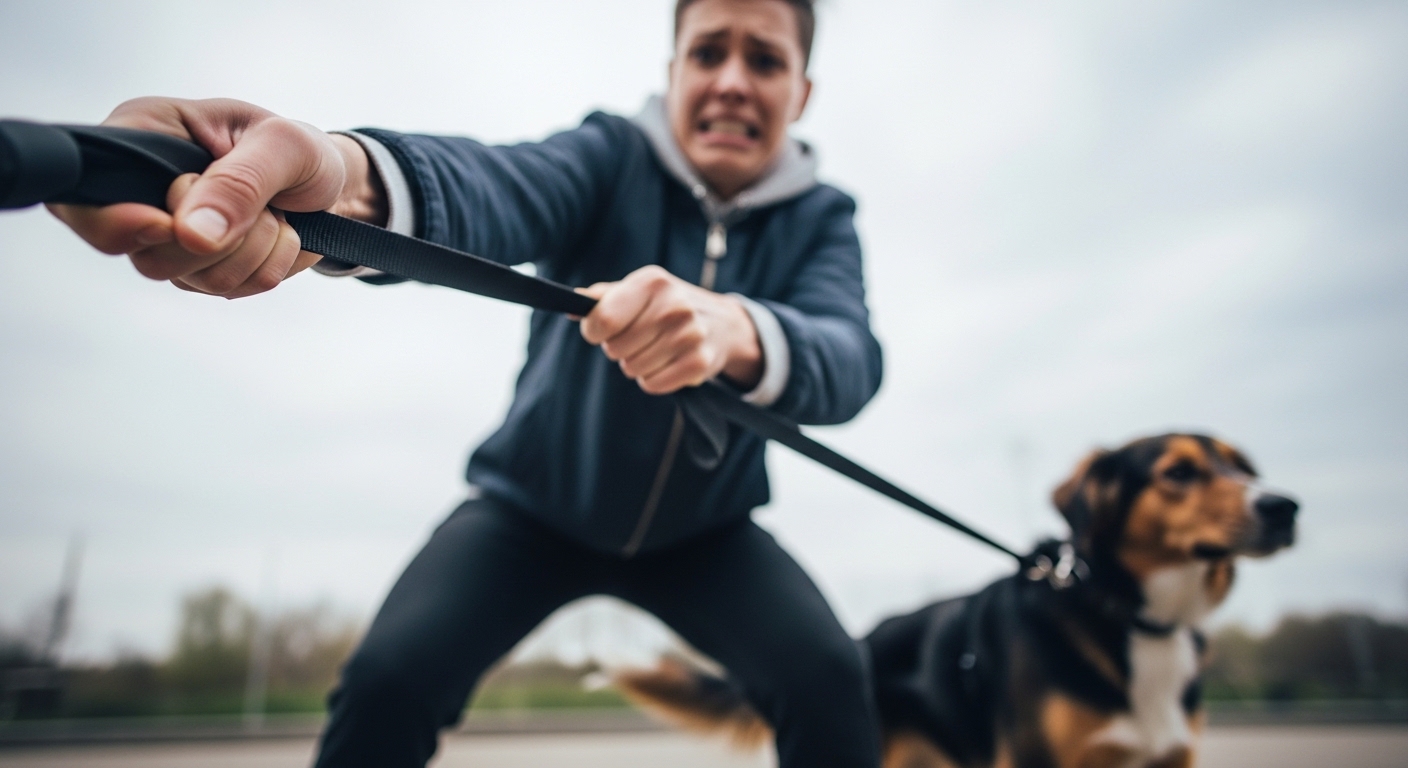
It is easy to accidentally tense up and pull back on the leash, which only adds to your dog's anxiety.
Expert Tips
Success with a reactive dog requires excellent management and preparation. Always carry treats that your dog finds absolutely irresistible, such as plain boiled chicken, hot dogs, or small bits of cheese. Standard kibble is rarely enticing enough to pull focus away from a major trigger.
The goal is not to force your dog to interact with others, but to teach them that the presence of another dog means wonderful things are about to happen from you.
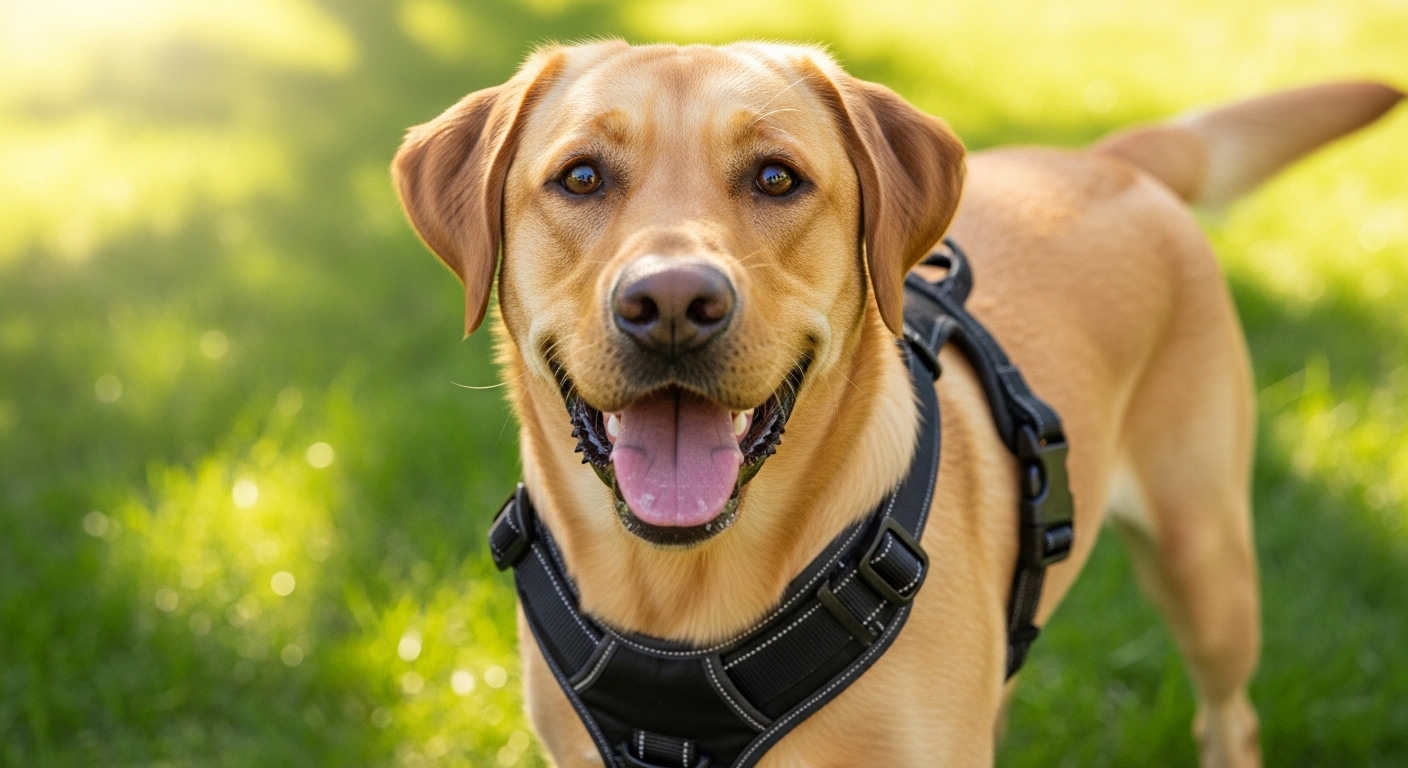
If you are struggling to maintain distance on narrow sidewalks, do not be afraid to do a swift U-turn or step behind a parked car to block your dog's line of sight. Using a well-fitted harness can give you better control and keep your dog comfortable while you practice these techniques.
When to See a Pro
If your dog's reactivity is severe, or if you feel unsafe managing their behavior, it is highly recommended to seek help from a certified positive reinforcement dog trainer or a veterinary behaviorist. Additionally, sudden behavioral changes may be linked to underlying medical issues. Pain or discomfort can make dogs irritable and reactive. If you suspect this might be the case, please consult your veterinarian to rule out any health problems. With patience and consistency, you can look forward to peaceful, relaxing strolls with your best friend.
Comments
Post a Comment