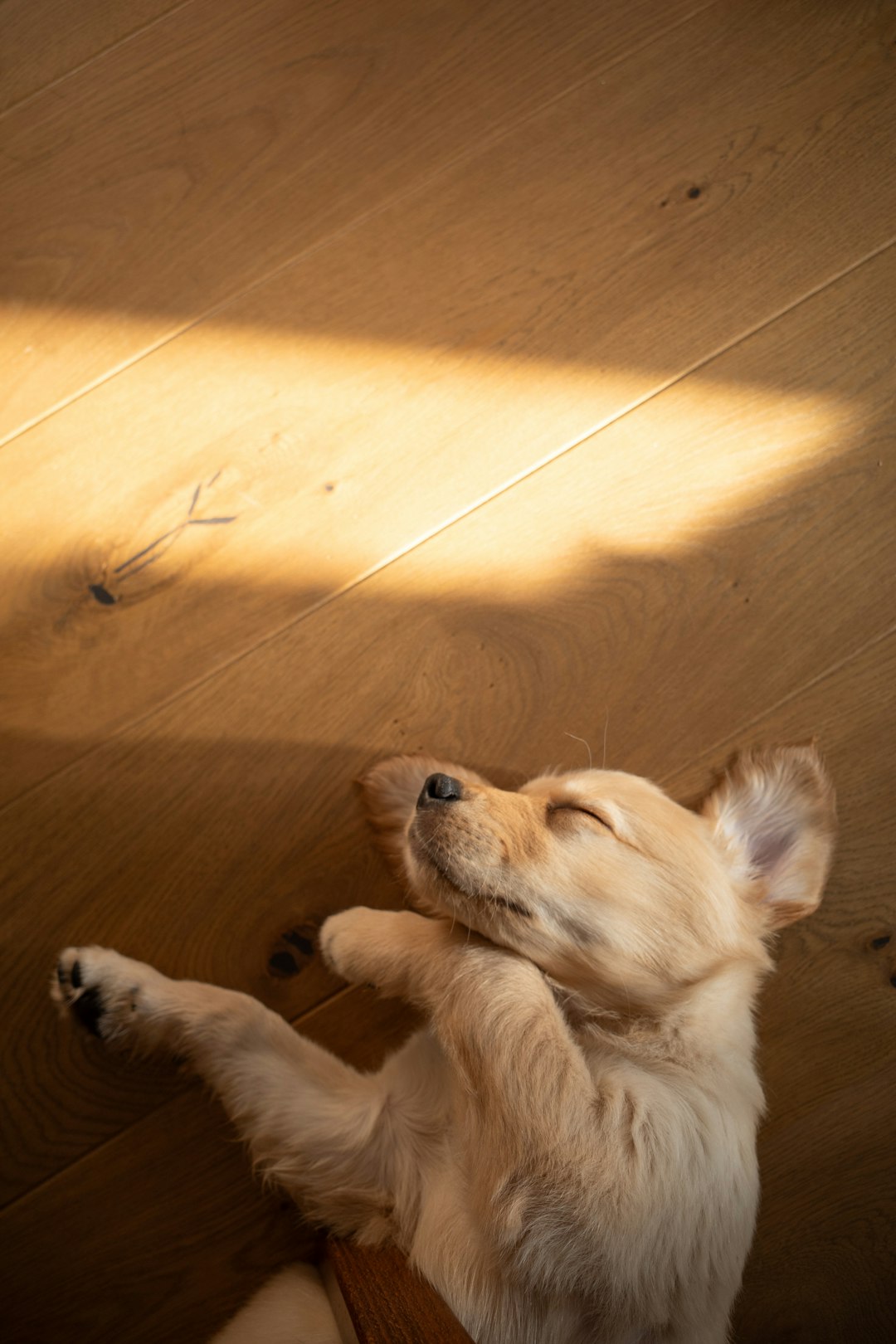
Coming home to a destroyed couch, scratched doors, or a frantic, panting dog is heartbreaking for any pet parent. Separation anxiety is incredibly tough on both of you, but it is important to remember that your dog isn't acting out of spite; they are simply in a state of panic. Fortunately, there is hope. By using a structured desensitization program, we can slowly teach your furry best friend that being alone is safe and temporary. Seeing a relaxed dog resting peacefully while you are away is the ultimate goal.
Why It Happens
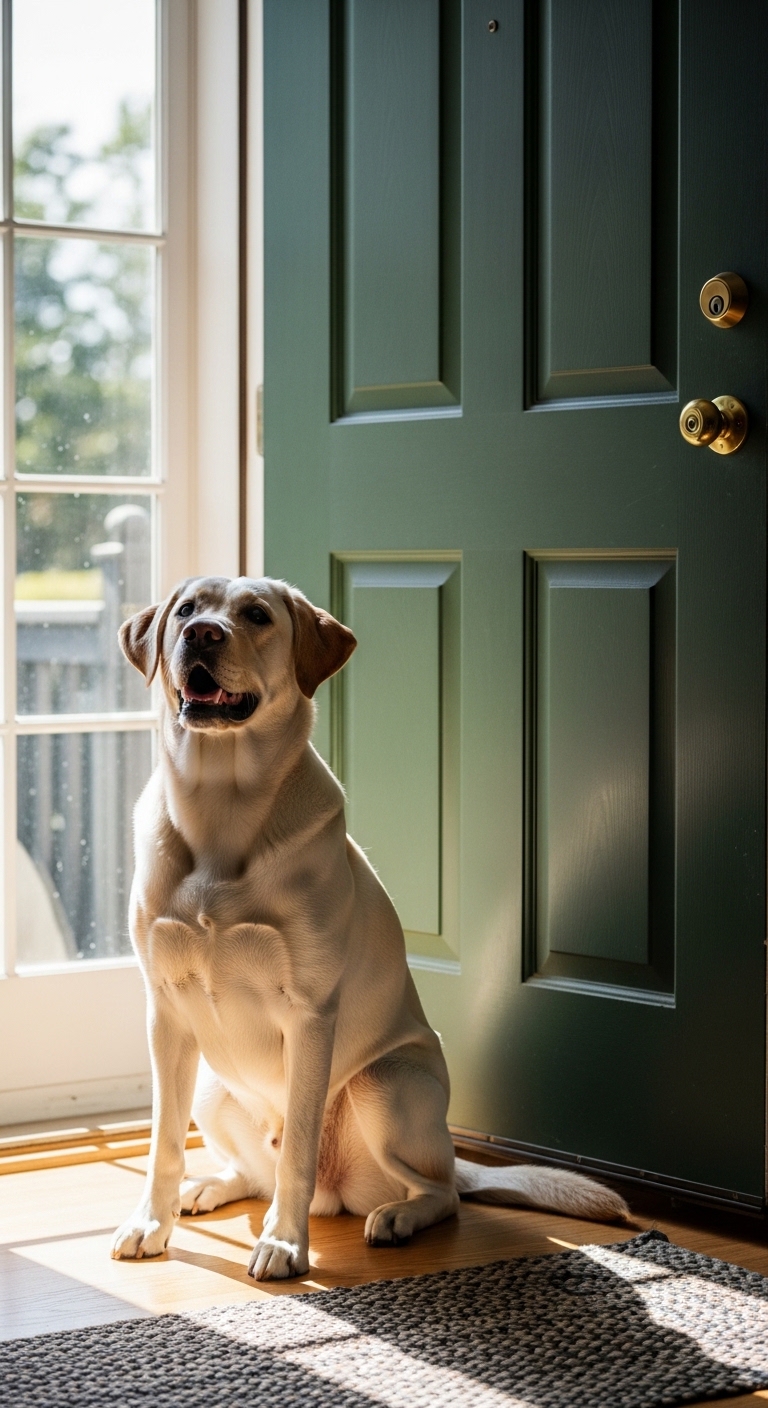
Dogs are pack animals by nature, and being separated from their family can trigger a deep-rooted survival fear. Changes in routine, moving to a new house, or a history of abandonment can all contribute to this distress. Before starting any behavioral training, it is crucial to rule out underlying medical issues that may cause discomfort or panic, so always consult your veterinarian first. Understanding that your dog is acting out of genuine fear, not anger, helps you approach their training with empathy, much like comforting a worried pup looking out the window.

Step-by-Step Training Method
The core of treating separation anxiety is desensitization. This means exposing your dog to the trigger (you leaving) at a level so low that they do not panic, and slowly building their tolerance over time. Here is a basic roadmap:
- Desensitize departure cues: Pick up your keys, put on your coat, and then just sit on the couch. Do this until your dog stops reacting to these triggers.
- Practice the "door game": Walk to the door, open it, close it, and sit back down. Do not step outside until your dog remains completely calm.
- Step outside for seconds: Step out, close the door, and immediately return before your dog has a chance to whine or bark.
- Gradually increase time: Slowly extend your absences from one second to five seconds, then to a minute, and so on, always returning before panic sets in.
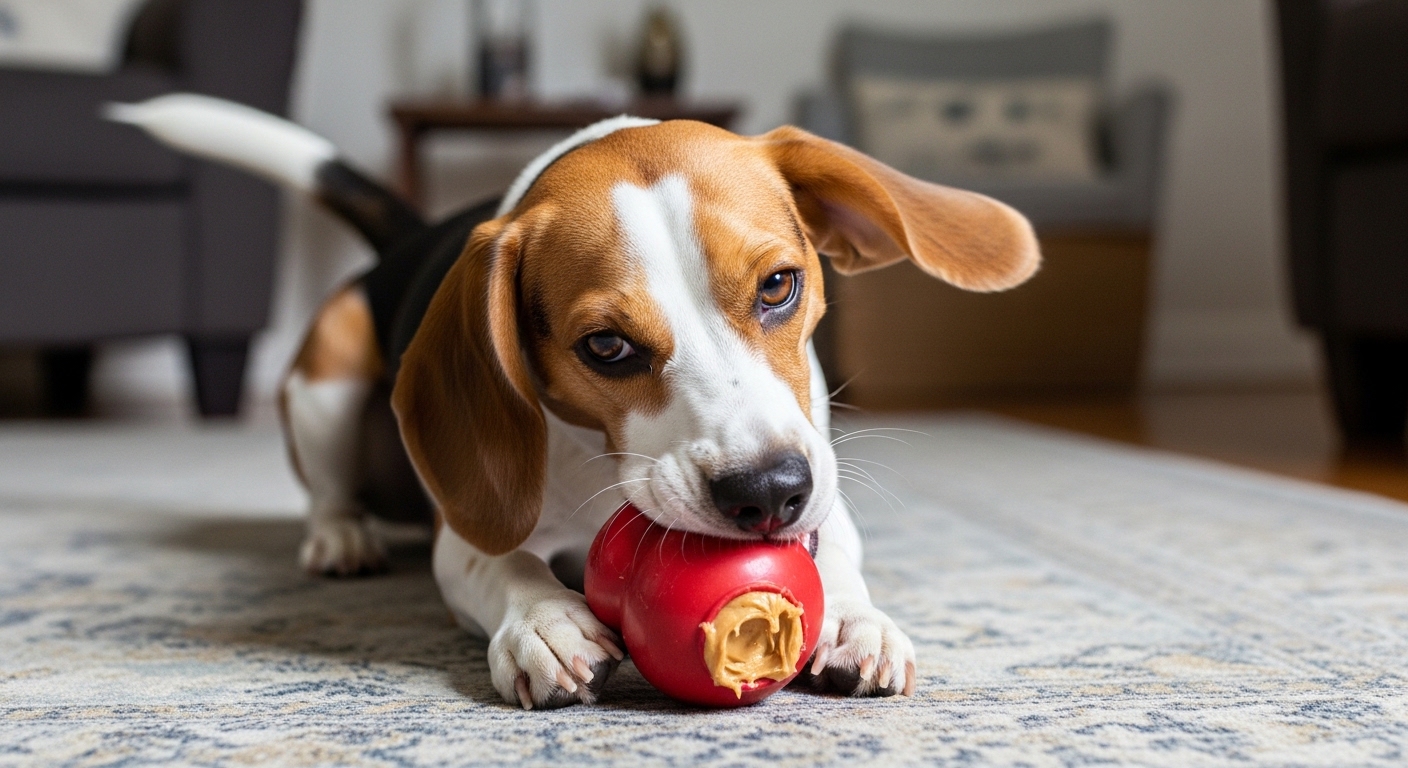
Remember to go at your dog's pace, which may be agonizingly slow at first. A great way to keep them occupied and build positive associations during these short absences is by providing a high-value puzzle toy filled with their favorite treats.
Common Mistakes
When trying to help an anxious dog, it is easy to accidentally make things worse. Be sure to avoid these common pitfalls:
- Making a big, emotional fuss when leaving or returning home.
- Pushing the time limit too fast and allowing the dog to reach a state of panic.
- Using a crate if the dog has confinement anxiety (which often mimics or accompanies separation anxiety).
- Punishing the dog for destruction or accidents that happened while you were gone.
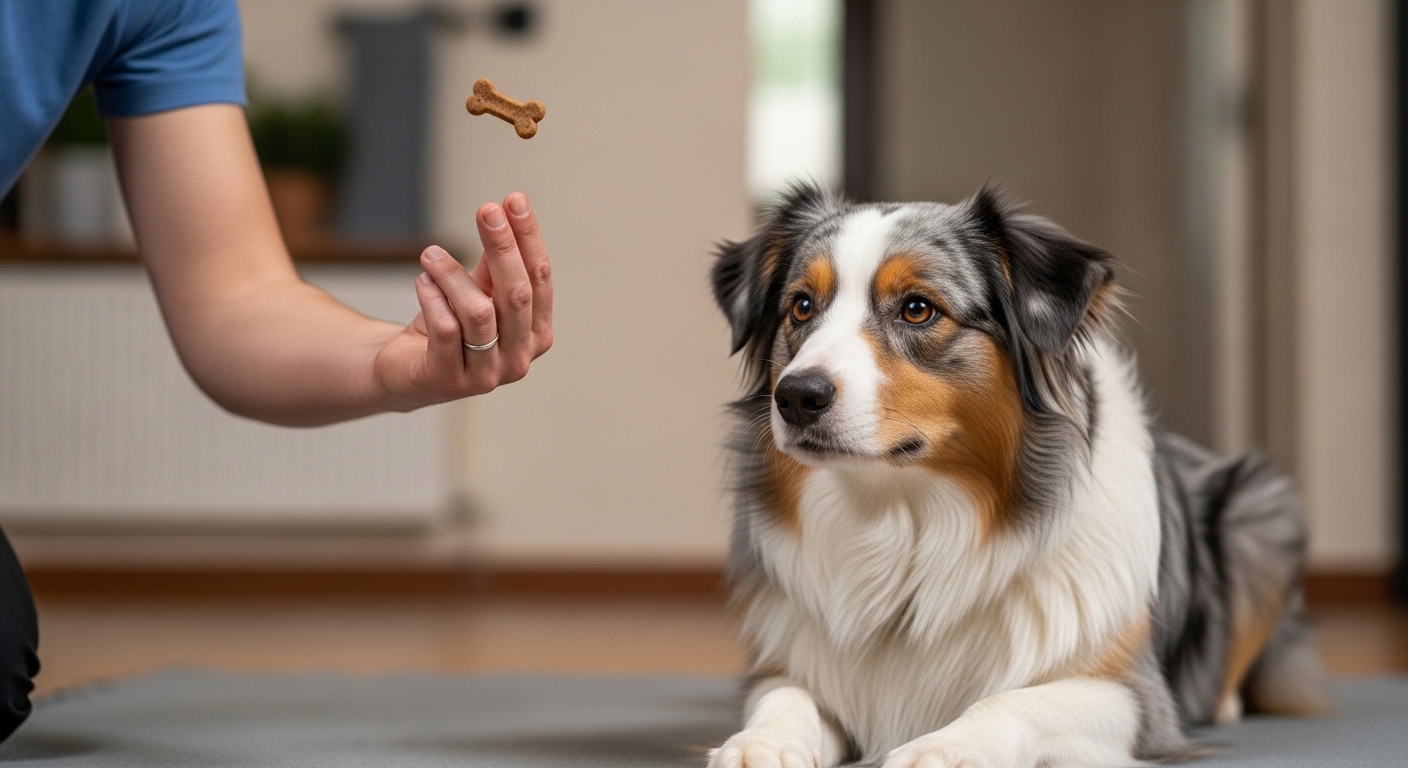
Punishing a dog for anxiety-driven behavior will only increase their fear and damage your bond. Instead, focus entirely on rewarding calm behavior, like tossing a treat to a dog resting quietly on their mat.
Expert Tips
Patience is your greatest tool; progress in separation anxiety training is measured in seconds, not hours.
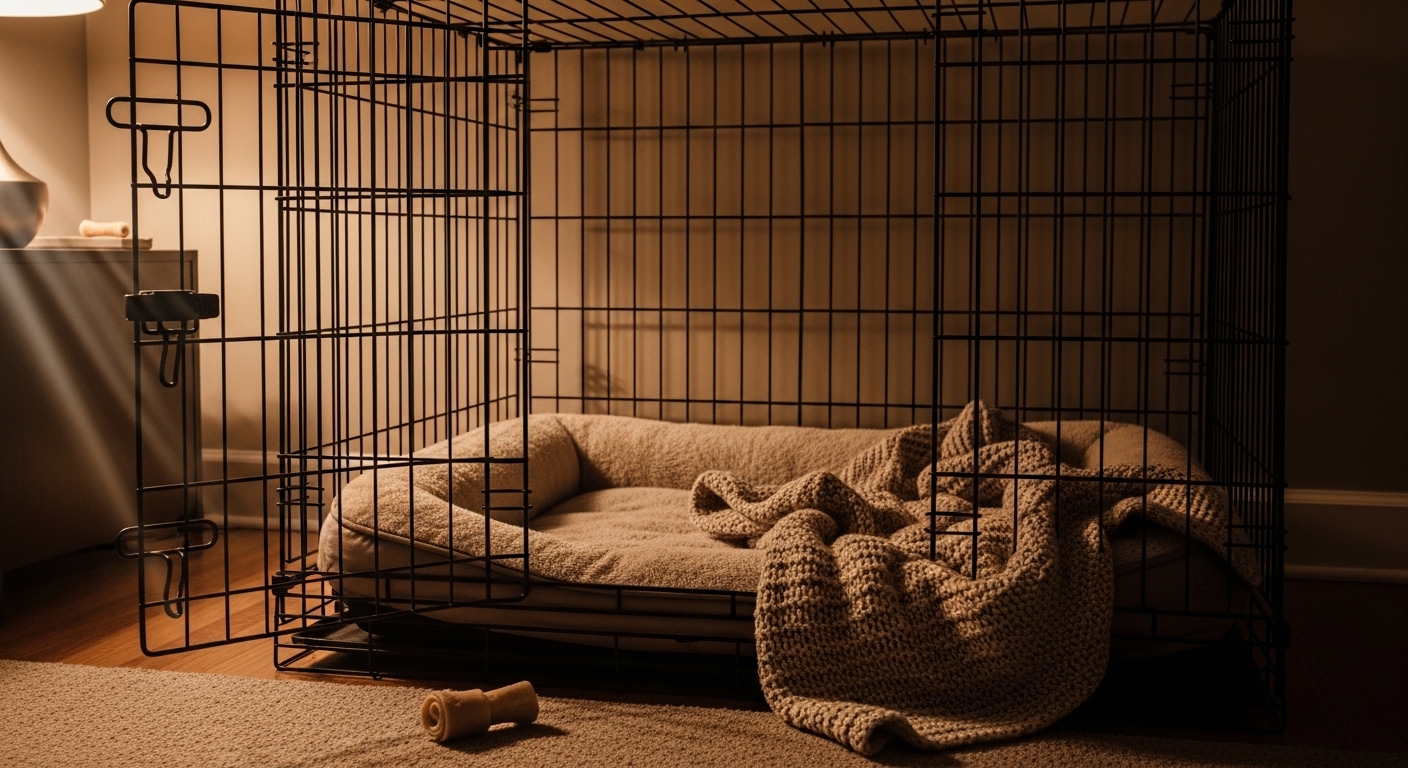
Always try to exercise your dog thoroughly before you leave for a training session. A physically and mentally tired dog has less excess energy to fuel their anxiety. You can also leave calming music or white noise playing to muffle outside sounds that might startle them. Setting up a safe, den-like space where they naturally feel secure can also work wonders, such as a comfortable crate with the door left open.
When to See a Pro
If your dog is harming themselves, escaping your home, or showing severe, unmanageable panic, it is time to call in backup. A certified veterinary behaviorist or a professional positive-reinforcement dog trainer can create a tailored, safe plan for your specific situation. In some cases, anti-anxiety medication may be recommended alongside training to lower the dog's baseline fear enough for learning to occur, so consult your veterinarian to explore all safe options.
Overcoming separation anxiety is a marathon, not a sprint. Celebrate the small victories, even if it's just stepping outside for ten seconds without a bark. With consistency, love, and the right approach, you can help your best friend feel secure and confident. Imagine the relief of coming back to a happy, well-adjusted dog greeting you at the door.
Comments
Post a Comment