Every dog owner has asked it at least once: Am I walking my dog enough? The honest answer is — it depends entirely on your dog. A Border Collie and a Cavalier King Charles Spaniel may both wag their tails at the sight of a leash, but their daily exercise needs could not be more different. Understanding your dog's breed group is one of the most reliable ways to estimate how much activity keeps them healthy, happy, and out of trouble. Below, we break down daily exercise requirements across all seven official AKC breed groups, so you can build a routine that truly fits your dog's biology.
Why Exercise Requirements Vary So Much
Dogs were selectively bred for centuries to perform specific jobs — herding livestock, hunting game, guarding estates, or simply providing companionship. Those working instincts are still very much alive in modern dogs, and they directly influence how much physical and mental stimulation a dog needs each day. Ignoring a breed's built-in drive can lead to boredom, anxiety, and destructive behaviors that many owners mistakenly label as 'bad temperament.' In most cases, a tired dog is a well-behaved dog — but 'tired' looks very different depending on the breed group.
A dog's exercise needs are not just about burning calories — they are about fulfilling instincts that have been refined over hundreds of years of selective breeding.
Daily Exercise Guidelines by AKC Breed Group
The American Kennel Club recognizes seven official breed groups, and each one carries its own general activity profile. Use these guidelines as a starting point, and always factor in your individual dog's age, health, and personality — your veterinarian can help you fine-tune a plan that is safe for your specific pet.
1. Herding Group
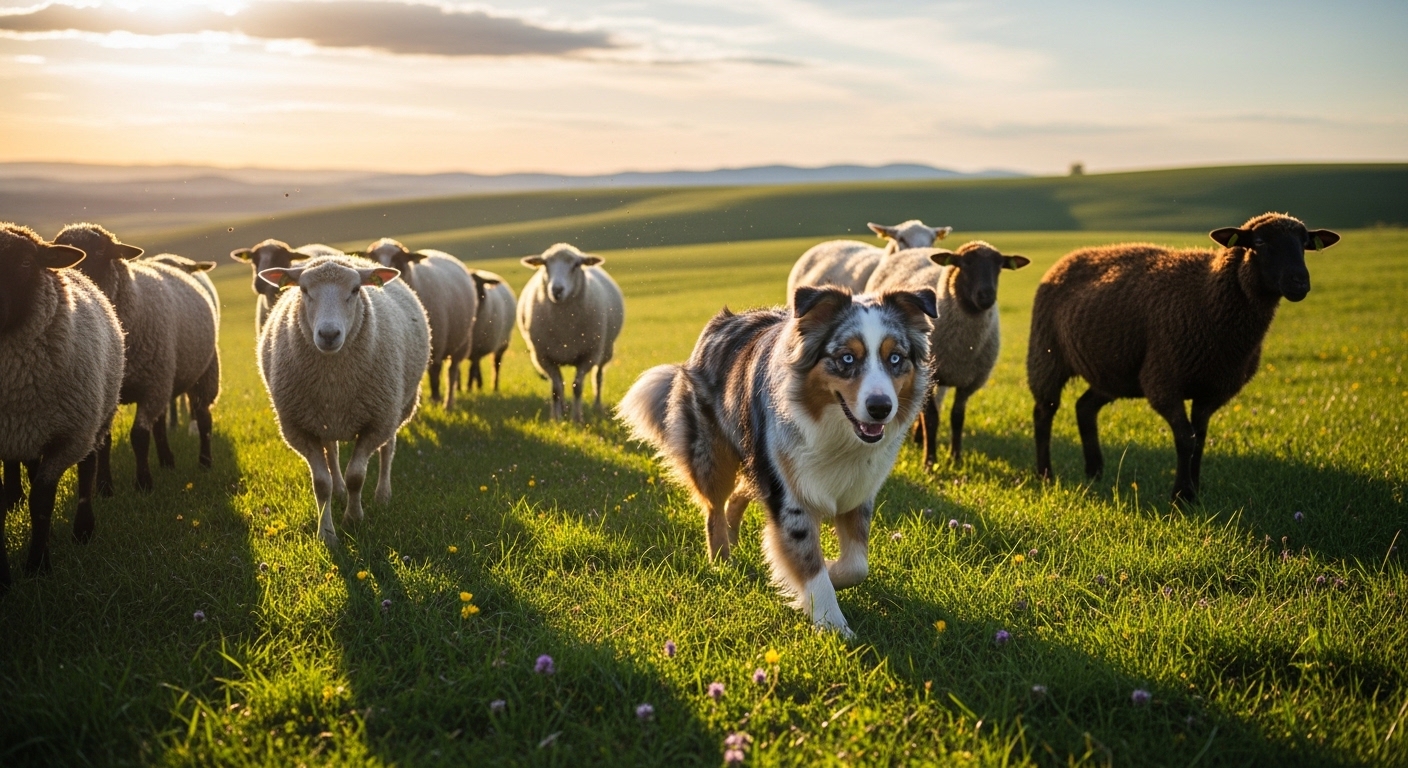
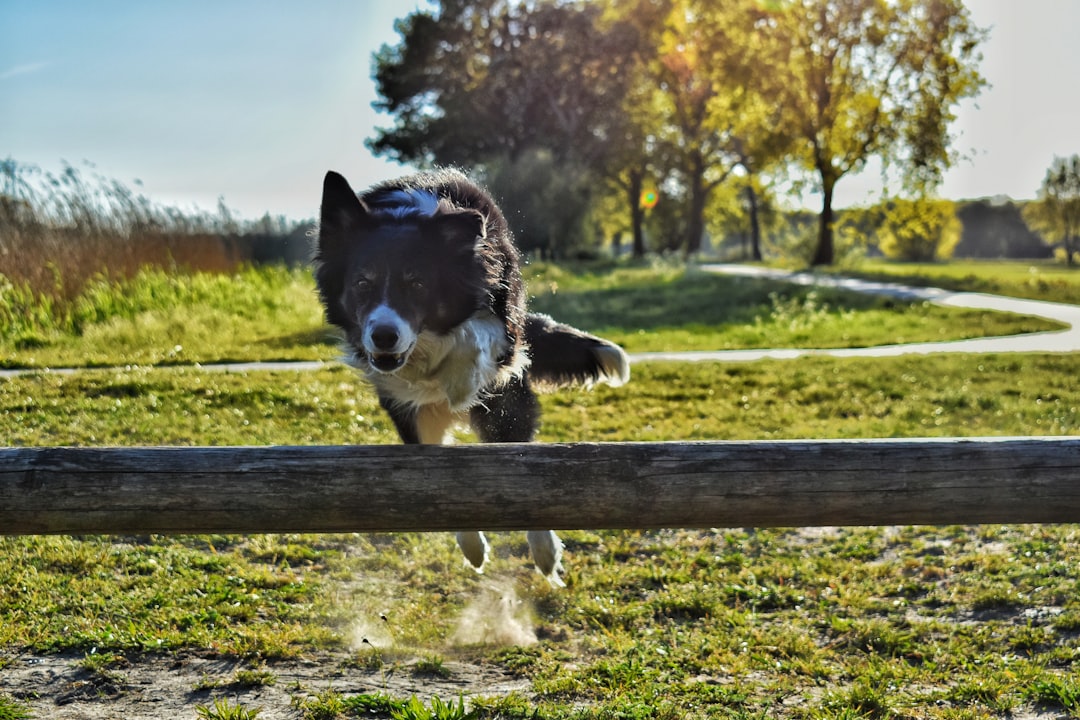
Breeds like Border Collies, Australian Shepherds, and German Shepherds were built to work all day alongside farmers. These dogs typically need 90 minutes to 2+ hours of vigorous daily exercise, ideally split into multiple sessions. Off-leash running, agility training, fetch, and mentally stimulating tasks like puzzle feeders are all excellent outlets. Without adequate activity, herding dogs may redirect their energy into chasing children, nipping at heels, or redecorating your furniture.
2. Sporting Group
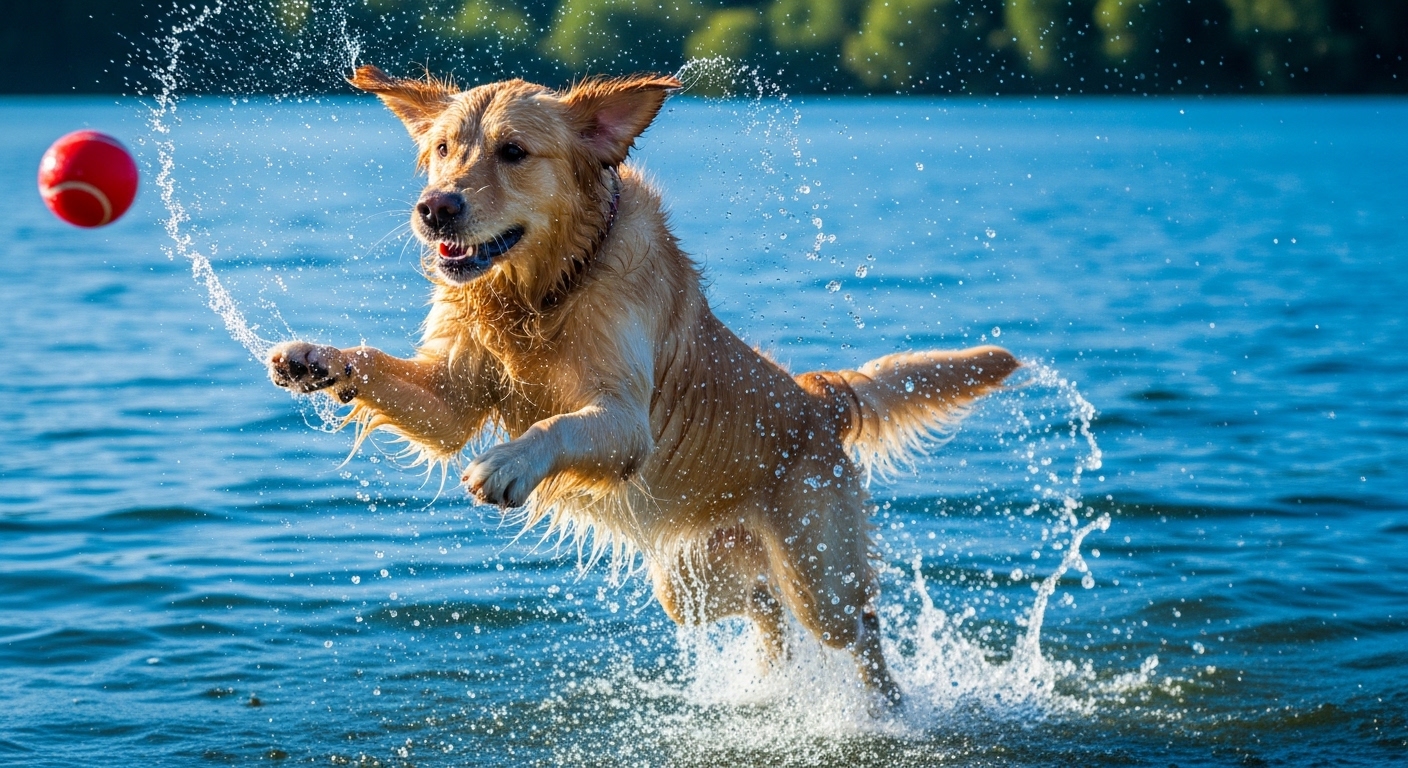
Golden Retrievers, Labrador Retrievers, Cocker Spaniels, and Weimaraners fall into this high-energy category. Originally bred to assist hunters in the field, Sporting dogs generally thrive on 60 to 90 minutes of exercise per day. Swimming, trail running, and retrieving games play directly into their natural instincts and provide both physical and mental satisfaction.
3. Working Group
Siberian Huskies, Bernese Mountain Dogs, Boxers, and Rottweilers belong to the Working Group — dogs bred for tasks like sledding, guarding, and search-and-rescue. Most Working breeds do best with 60 to 90 minutes of daily activity, though high-drive individuals like Huskies may push closer to two hours. Structured walks, weight pulling (under veterinary guidance), and obedience training all help channel their considerable strength and focus.
4. Terrier Group
Do not let their compact size fool you — Jack Russell Terriers, Airedale Terriers, and Scottish Terriers are tenacious, feisty, and surprisingly energetic. Most terriers benefit from 45 to 60 minutes of daily exercise, with a strong preference for activities that engage their digging and chasing instincts. Earthdog trials, flirt poles, and interactive play sessions are particularly well-suited to this group.
5. Hound Group
The Hound Group is divided into two broad sub-types: sighthounds like Greyhounds and Whippets, and scenthounds like Beagles and Bloodhounds. Sighthounds are sprinters by nature — they love short, explosive bursts of speed and may be surprisingly calm indoors afterward. Scenthounds, on the other hand, can trot for miles following a scent trail. On average, most hounds need 45 to 60 minutes of daily exercise, but always in a securely fenced area or on leash, as their prey drive can override even the best recall training.
6. Non-Sporting Group
The Non-Sporting Group is one of the most diverse, housing breeds as different as the Dalmatian, Bulldog, Poodle, and Bichon Frise. Because this group is a catch-all for breeds that do not fit neatly elsewhere, exercise needs vary widely. Dalmatians, originally bred to run alongside carriages, may need 60 to 90 minutes daily, while Bulldogs and Bichons Frises are generally content with 20 to 30 minutes of moderate activity. Always research your specific breed within this group and consult your vet, especially for brachycephalic (flat-faced) breeds who may be prone to breathing difficulties during exercise.
7. Toy Group
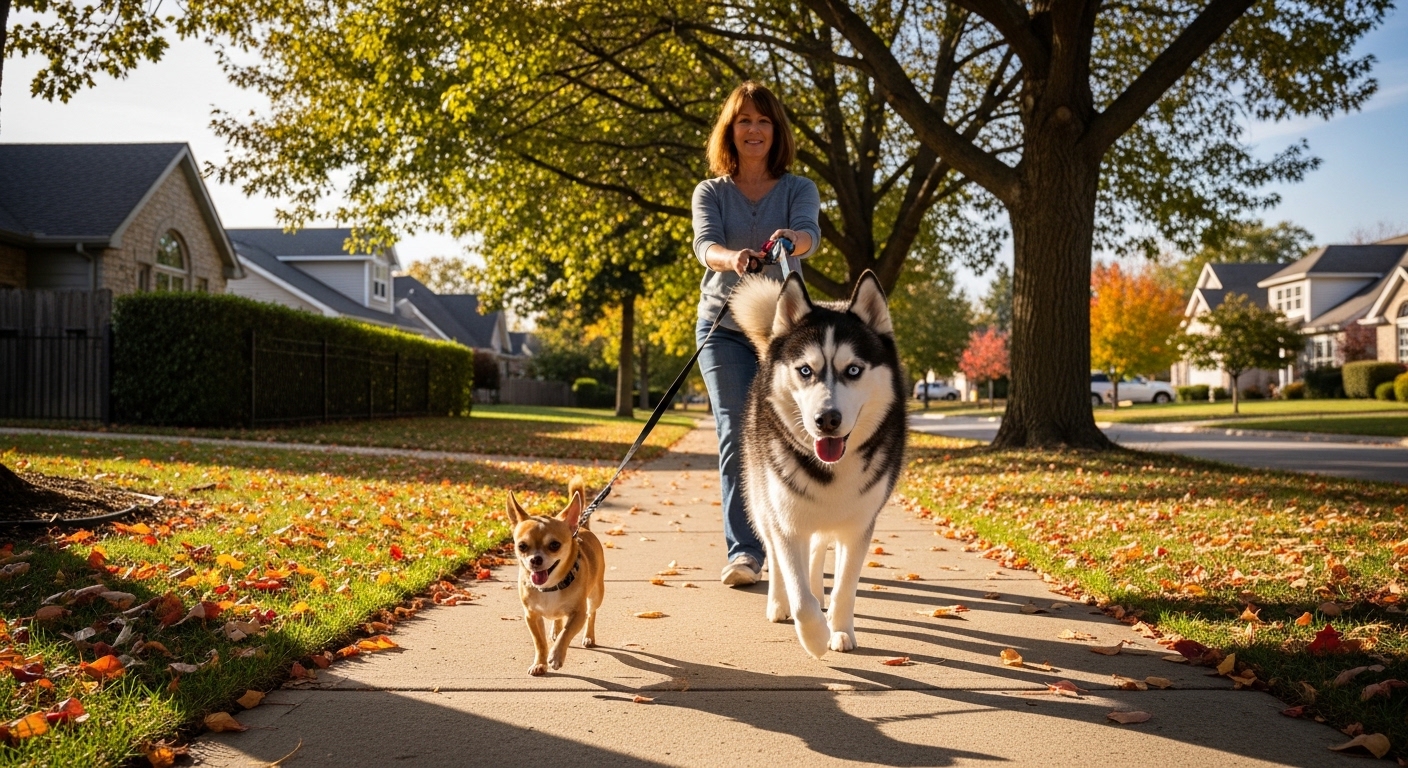
Toy breeds — including Chihuahuas, Pomeranians, Shih Tzus, and Cavalier King Charles Spaniels — were developed primarily as companions, and their exercise requirements reflect that. Most Toy dogs do well with 20 to 30 minutes of daily activity, which can often be met through indoor play and short neighborhood walks. That said, Cavalier King Charles Spaniels in particular tend to enjoy longer gentle strolls, and Shih Tzus appreciate daily playtime to stay mentally engaged. Never skip exercise entirely — even small dogs need movement to maintain a healthy weight and joint function.
Recommended Ways to Exercise Your Dog
Choosing the right type of exercise is just as important as hitting the right duration — here are some of the best options to match your dog's breed group and energy level.
- Brisk leash walks: The foundation of any dog's routine, suitable for every breed group at varying lengths and paces.
- Off-leash fetch in a fenced yard: Ideal for Sporting and Herding breeds who love to chase and retrieve.
- Swimming: A low-impact, high-reward activity that many Sporting and Working breeds adore, and is especially gentle on older dogs' joints.
- Agility or obedience training: Combines physical exercise with mental stimulation — perfect for Herding, Sporting, and Working breeds.
- Scent work and nose games: Excellent for Hound breeds and any dog that needs mental enrichment alongside physical activity.
- Interactive indoor play: Tug-of-war, puzzle toys, and hide-and-seek are great supplements for Toy breeds or on low-energy days.
- Dog sports (flyball, disc, earthdog): Breed-specific sports that tap directly into natural instincts and provide intense, satisfying outlets.
What to Avoid When Exercising Your Dog
Good intentions can sometimes lead to exercise mistakes that put your dog's health at risk. Keep these common pitfalls in mind as you build your routine.
- Over-exercising puppies: Young dogs' growth plates are still developing, and excessive high-impact exercise may cause lasting joint damage. Many vets suggest limiting puppies to five minutes of exercise per month of age, twice daily, until they are fully grown.
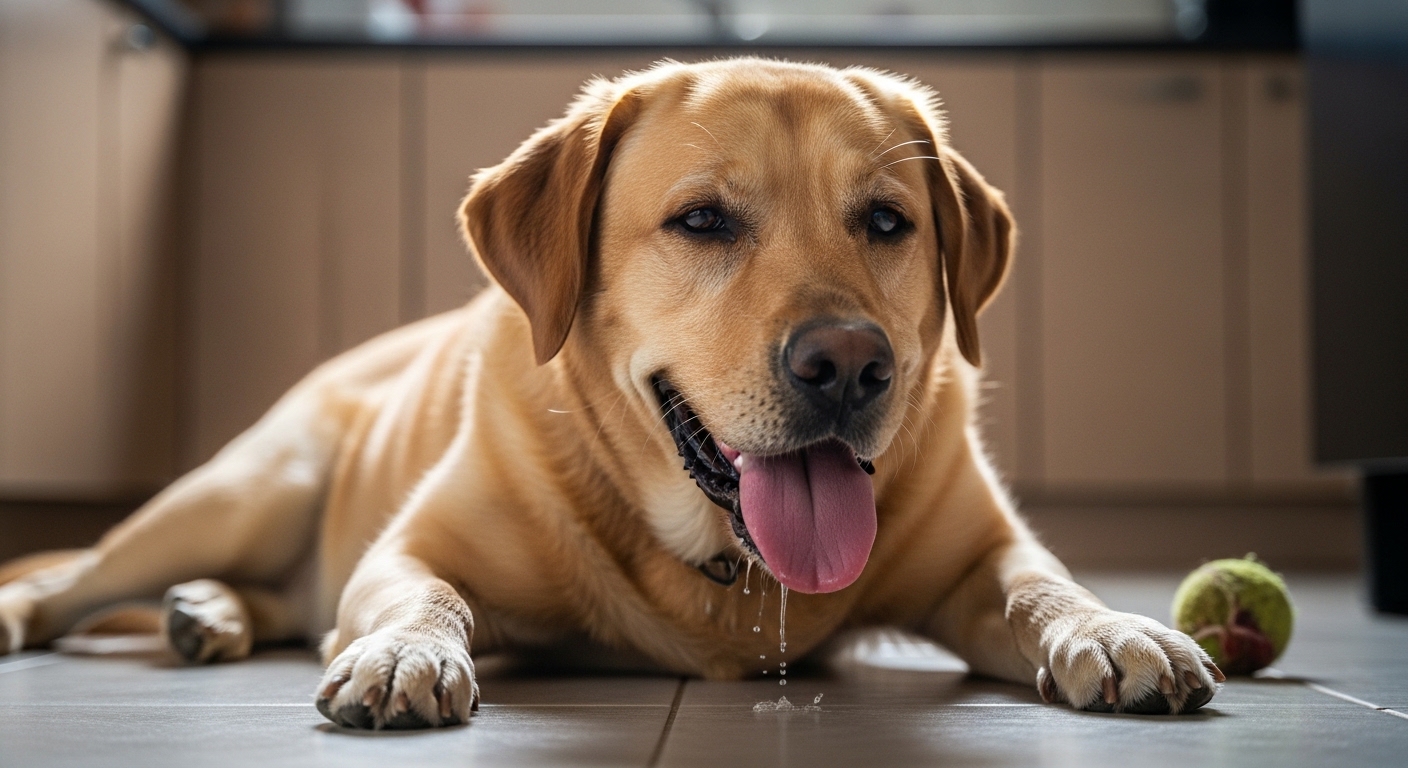
- Exercising in extreme heat: Dogs regulate body temperature far less efficiently than humans. Avoid midday walks in summer, and always watch for signs of overheating such as excessive panting, drooling, or stumbling — and contact your vet immediately if you suspect heatstroke.
- Skipping warm-up and cool-down time: Just like human athletes, dogs benefit from a few minutes of gentle movement before and after intense exercise to reduce the risk of muscle strain.
- Assuming small means low-energy: Some small breeds, particularly Terriers and certain Toy dogs, have surprisingly high energy levels. Underestimating their needs can lead to behavioral problems.
- Ignoring signs of fatigue or pain: Limping, lagging behind, excessive panting, or reluctance to move are signals your dog may be overdoing it or experiencing discomfort. Always consult your veterinarian if these signs appear.
- Using exercise as the only enrichment: Physical activity alone is not always enough. Mental stimulation through training, puzzle feeders, and social interaction is equally important for a dog's overall wellbeing.
Frequently Asked Questions
Can I split my dog's exercise into multiple shorter sessions?
Absolutely — and for many dogs, especially high-energy breeds, splitting exercise into two or three sessions throughout the day is actually preferable. It keeps energy levels more consistent and reduces the risk of your dog becoming restless or destructive in the hours between walks.
My dog seems tired after just 15 minutes. Is that normal?
It can be, particularly for brachycephalic breeds like Bulldogs or Pugs, older dogs, or dogs who are just starting a new exercise routine. However, if your dog seems unusually fatigued or is struggling to breathe, it is always worth a conversation with your veterinarian to rule out any underlying health concerns.
Does mental exercise count toward my dog's daily needs?
Yes — mental stimulation through training sessions, puzzle toys, scent games, and social interaction can meaningfully complement physical exercise. For some breeds, particularly those bred for problem-solving like Poodles or Border Collies, mental enrichment may be just as tiring as a long run.
How does age affect exercise requirements?
Puppies need carefully managed, shorter bursts of activity to protect developing joints. Adult dogs are generally at their peak exercise capacity. Senior dogs may need shorter, gentler sessions and may benefit from low-impact activities like swimming. Your veterinarian is the best resource for adjusting your dog's routine as they age.
What if I have a mixed-breed dog?
Look at the dominant breed traits in your mixed-breed dog and use those as your guide. A DNA test can offer helpful insight into your dog's breed makeup, and observing your dog's natural energy level and behavior will tell you a great deal about what they need.
Finding the right exercise balance for your dog is one of the most rewarding investments you can make in their long-term health and happiness. Whether your companion is a spirited Husky who lives for trail runs or a laid-back Bichon Frise who considers a sunny stroll a grand adventure, matching your routine to their breed group's needs will make a noticeable difference in their mood, behavior, and overall wellbeing. When in doubt, your veterinarian is always your best partner in building a safe and effective exercise plan tailored to your unique dog.
Comments
Post a Comment