If you share your home with a Husky, Golden Retriever, or any other double-coated breed, you already know the seasonal ritual: tufts of fur drifting across hardwood floors, fur-covered sofas, and the unmistakable feeling of wearing your dog's coat yourself. Twice a year — typically in spring and fall — these breeds go through a process called 'blowing their coat,' releasing the dense undercoat in dramatic fashion. The good news? With the right tools and a solid technique, you can manage this furry storm at home, keep your dog comfortable, and maybe even reclaim your couch. Here is everything you need to know about deshedding a double-coated dog like a pro.
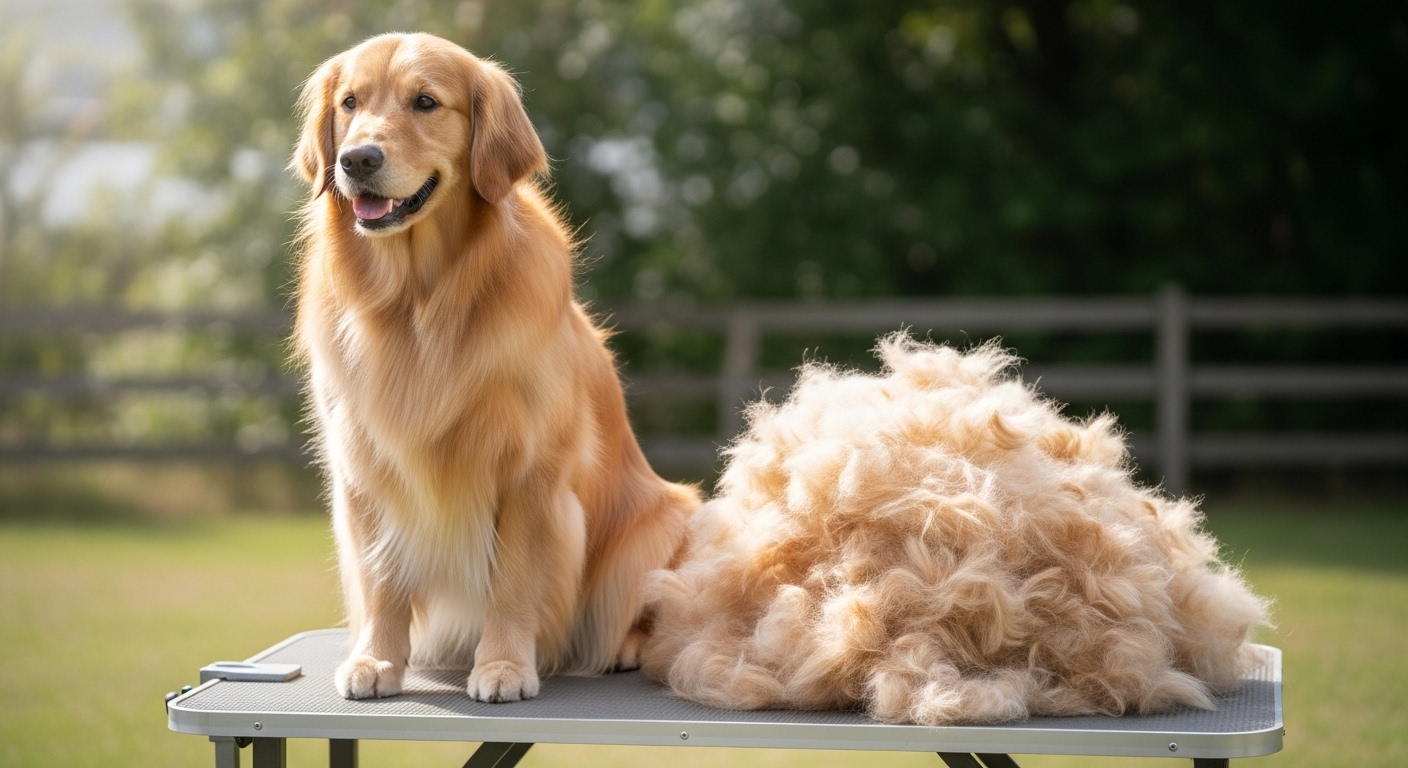
Why This Matters: Understanding the Double Coat
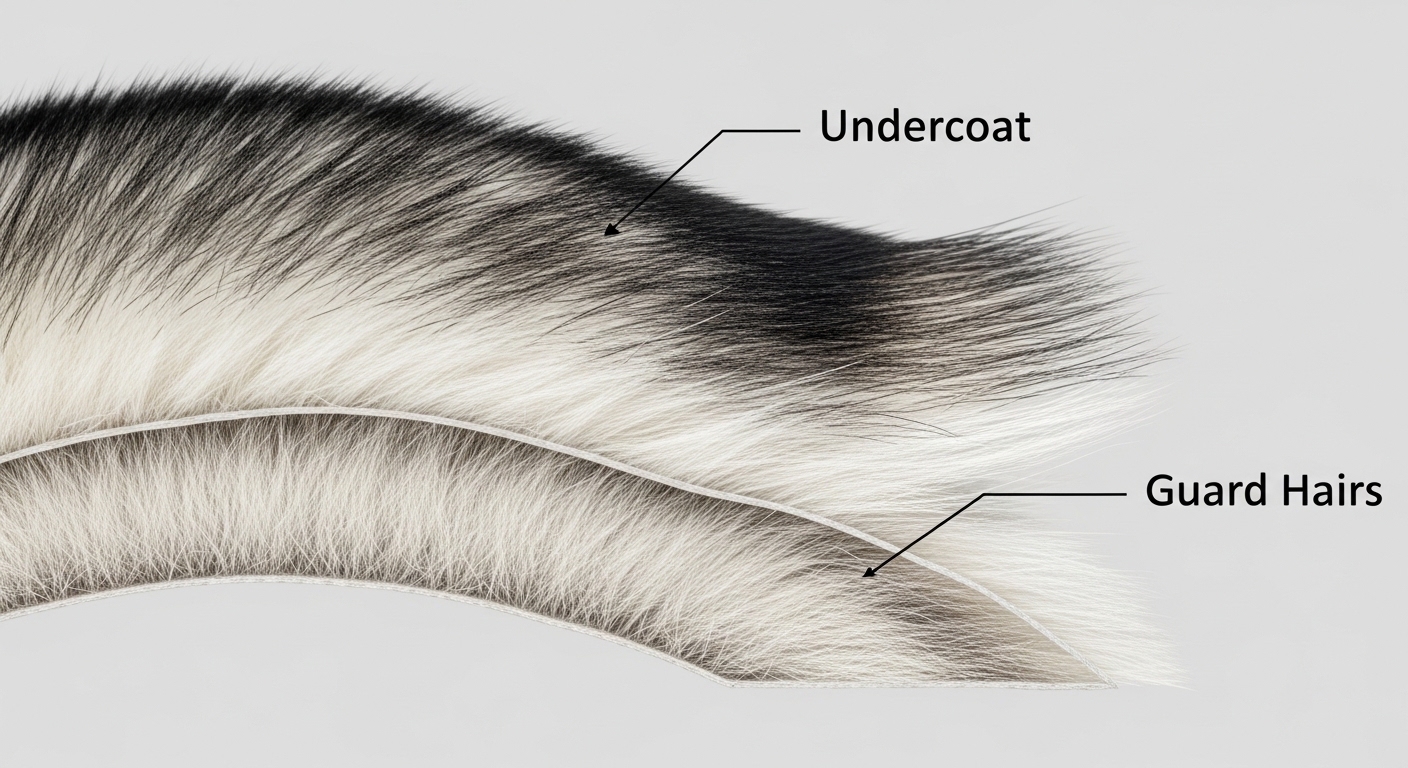
Before reaching for a brush, it helps to understand what you are actually working with. Double-coated breeds have two distinct layers of fur, each serving a specific purpose:
- The undercoat — a soft, dense, wool-like layer that insulates your dog against both cold and heat, regulating body temperature year-round.
- The topcoat (guard hairs) — longer, coarser hairs that repel water, dirt, and UV rays, acting as a protective shield.
During seasonal shedding, the undercoat loosens and pushes outward, but without regular deshedding sessions, it can become matted against the skin. Matting traps moisture and heat, which may in some cases lead to skin irritation, hot spots, or discomfort. Many vets suggest that a well-maintained coat actually helps double-coated dogs stay cooler in summer — which is why shaving these breeds is generally discouraged. Regular deshedding keeps air circulating through the coat and removes dead fur before it becomes a problem, making your dog more comfortable and your home considerably cleaner.
Guidelines & Frequency: How Often Should You Deshed?
Consistency is the secret weapon against overwhelming shedding. The right schedule depends on your dog's breed, coat density, and the time of year, but here are some practical guidelines to follow.
During Shedding Season (Spring & Fall)
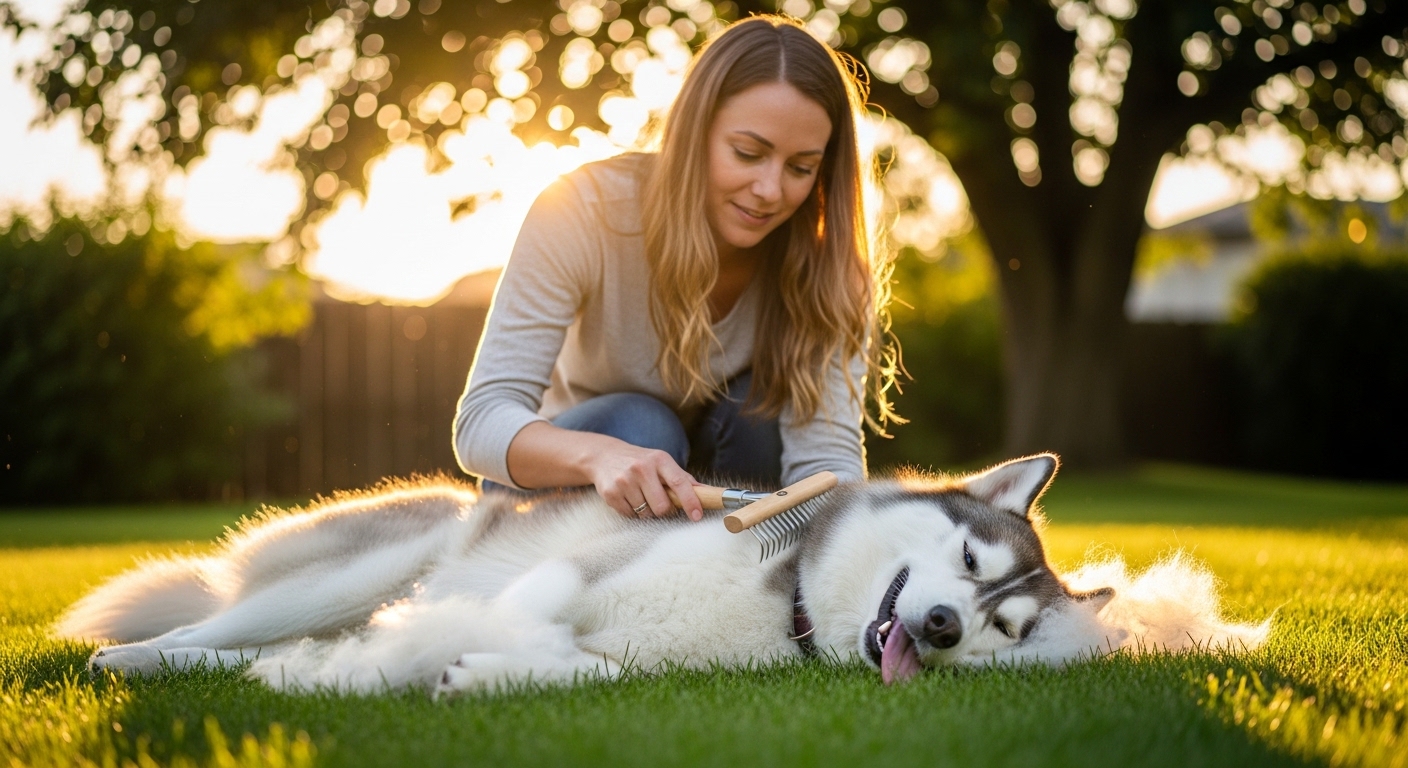
This is peak shedding time, and your dog will thank you for daily or every-other-day sessions. Each session can last anywhere from 20 to 45 minutes depending on your dog's size and coat thickness. Breaking it into shorter sessions is perfectly fine — many dogs prefer two 15-minute sessions over one long one.
During Off-Season Maintenance
Outside of the heavy blow, aim for one to two thorough brushing sessions per week. This prevents mats from forming, distributes natural skin oils through the coat, and keeps loose fur from building up on your furniture.
After Outdoor Adventures
A quick brush-out after hikes, swims, or muddy play sessions helps remove debris and prevents tangles from setting in before they become mats.
Key Takeaway: Frequency beats intensity. Ten minutes every other day during shedding season will always outperform one marathon session per month.
Always brush on a dry coat unless you are using a conditioner spray designed for wet detangling — brushing a soaking wet coat can stretch and break the guard hairs, which is something you want to avoid in these breeds.
Recommended Options: The Best Deshedding Tools
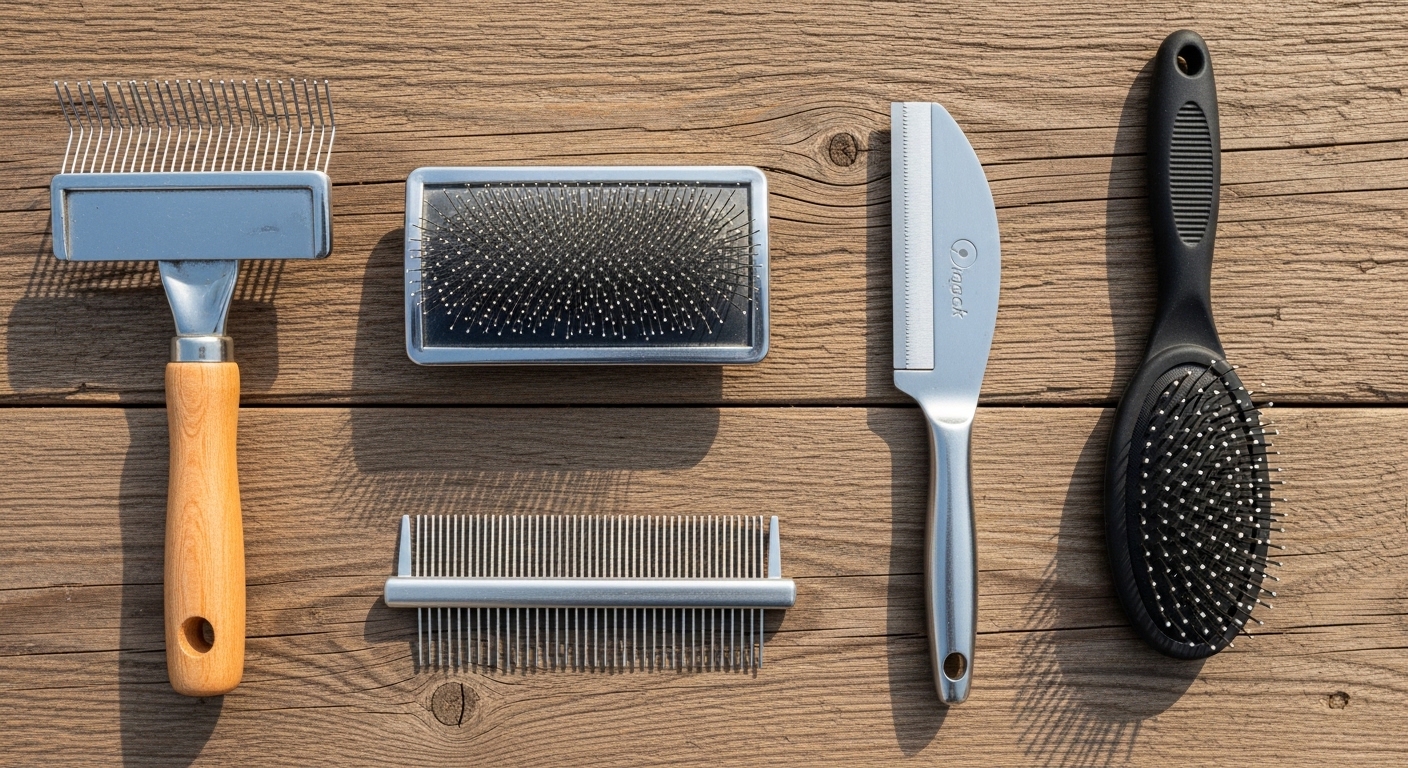
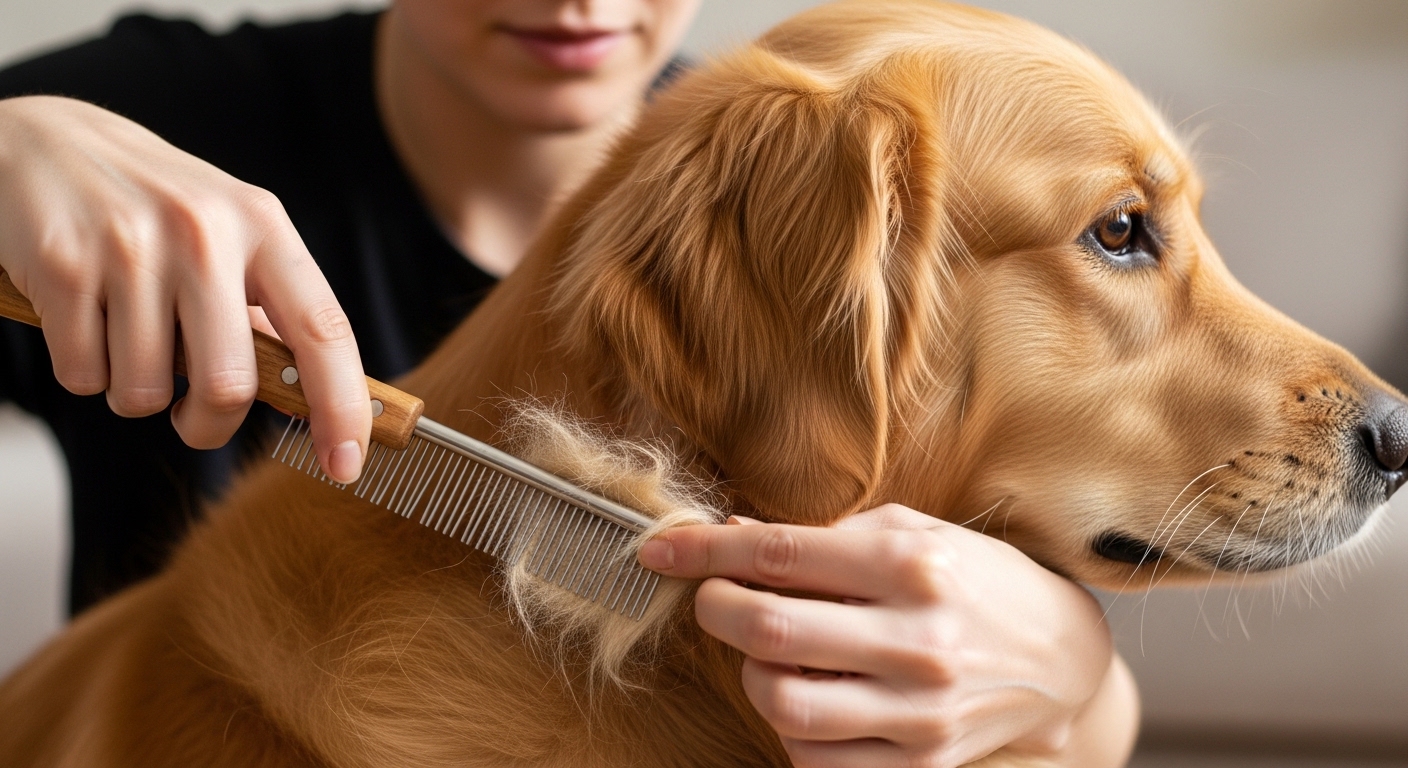
Using the right tool makes an enormous difference — the wrong brush can scratch skin, miss the undercoat entirely, or break the topcoat. Here are the best options for double-coated breeds, each serving a specific role in your grooming kit:
- Undercoat Rake: A wide-toothed rake designed to penetrate the topcoat and pull out loose undercoat in bulk — your single most important deshedding tool for breeds like Huskies and Malamutes.
- Slicker Brush: Fine, angled wire pins that smooth the topcoat, remove surface tangles, and finish the coat to a polished look after raking.
- Furminator or Deshedding Blade: A specialized tool with a fine-edged comb that captures and removes loose undercoat efficiently; use with a light hand to avoid over-stripping.
- Dematting Comb: A comb with serrated blades designed to gently work through small mats without pulling painfully on the skin — essential before any brushing session if mats are present.
- Pin Brush: Gentle rounded pins ideal for daily maintenance brushing and for working through the coat of longer-haired breeds like Golden Retrievers without causing discomfort.
- High-Velocity Dryer (optional but powerful): A force dryer blows loose undercoat out of the coat before you even pick up a brush, dramatically reducing brushing time and loosening deeply embedded fur.
What to Avoid: Common Deshedding Mistakes
Even well-meaning pet owners can accidentally make shedding season harder on their dogs. Here are the most important mistakes to avoid, roughly in order of how much damage they can cause:
- Shaving the double coat: This is the most common and most damaging mistake. Shaving removes both layers simultaneously and may permanently alter the coat's texture and growth pattern — a condition sometimes called 'coat funk' or post-clipping alopecia. The coat may grow back unevenly, and the dog loses its natural temperature regulation. Consult your veterinarian before ever considering shaving a double-coated breed.
- Brushing over mats instead of through them: Running a brush over a mat simply glides past it while pulling the surrounding skin. Always address mats first with a dematting comb or detangling spray before brushing.
- Pressing too hard with deshedding tools: Tools like the Furminator are effective but abrasive when used with excessive pressure. Let the tool do the work with light, smooth strokes — pressing hard may scratch the skin and cause irritation.
- Skipping the undercoat entirely: Using only a slicker brush or bristle brush on a double-coated dog barely touches the undercoat. Without an undercoat rake or deshedding tool, you are only grooming the surface while the dense layer underneath continues to mat and trap heat.
- Bathing without fully drying: Leaving a double coat damp after a bath creates the perfect environment for mildew and skin issues. Always blow-dry thoroughly, working the dryer through the coat to ensure the undercoat is completely dry.
- Rushing the process: Hurrying through a session can cause you to miss areas, apply uneven pressure, or stress your dog. Keep sessions calm, reward frequently, and take breaks when your dog signals discomfort.
Frequently Asked Questions
Can I deshed my dog in the bathtub?
Absolutely — and many groomers recommend it. Bathing with a deshedding shampoo and conditioner loosens the undercoat significantly. Follow the bath with a thorough blow-dry and then brush out the loosened fur. You may be amazed at how much more fur comes out after a bath compared to dry brushing alone.
How long does a shedding season typically last?
For most double-coated breeds, heavy shedding seasons last roughly three to six weeks in spring and again in fall. Indoor dogs may shed more evenly year-round due to artificial lighting and climate control, which can slightly disrupt natural seasonal cycles.
My dog hates being brushed — what can I do?
Start with very short sessions of two to three minutes and pair every session with high-value treats. Gradually increase duration as your dog builds positive associations with the brush. Beginning desensitization when dogs are puppies is ideal, but adult dogs can absolutely learn to tolerate and even enjoy grooming with patience and consistency. If anxiety is severe, consult your veterinarian or a certified professional groomer for guidance.
Should I use a deshedding spray or conditioner?
Many groomers find that a light leave-in conditioning spray helps the brush glide through the coat more smoothly, reduces static, and makes the session more comfortable for the dog. Look for products specifically formulated for dogs — never use human hair products, as the pH balance is different and may irritate canine skin.
When should I see a professional groomer instead?
If your dog has extensive matting close to the skin, a coat that has not been brushed in months, or significant anxiety around grooming, a professional groomer is your best first step. They have the tools and training to address these situations safely. For ongoing maintenance, many owners find a professional deshedding treatment once or twice a year — timed just before peak shedding season — dramatically reduces the volume of fur they manage at home.
Managing a double-coated dog's shedding at home is genuinely one of the most rewarding grooming skills you can develop as a pet owner. With the right tools in your kit, a consistent schedule, and a patient approach, you can keep your dog's coat healthy, your home fur-free, and your grooming sessions something your dog actually looks forward to. Start small, stay consistent, and remember — every handful of fur you brush out is fur that is not on your sofa.
Comments
Post a Comment