If you have ever tried to give a cat a pill, you already know the struggle is very real. One moment you are calmly holding your feline friend, and the next you are nursing a scratch while the tablet rolls under the refrigerator. The good news is that medicating a resistant cat does not have to feel like a wrestling match. With the right techniques — from tasty pill pockets to clever pilling devices — you can make the whole experience calmer and safer for both of you. Here is everything you need to know about getting your cat to take pills without the drama.
Why This Matters
Skipping or inconsistently giving prescribed medication can have real consequences for your cat's health. Many cats are prescribed pills for conditions ranging from infections and parasites to chronic illnesses like hyperthyroidism or heart disease. When doses are missed because the process is too stressful, treatment timelines can be extended, and in some cases the underlying condition may worsen. Beyond the medical side, repeated stressful pilling sessions can seriously damage the trust between you and your cat, making future vet visits and home care even harder.
Stress during medication is also a welfare concern. Cats that are forcefully restrained repeatedly may develop anxiety, hide more often, or become defensive. Finding a low-stress method is not just about convenience — it is genuinely better for your cat's emotional well-being. Many vets now recommend what is often called "Fear Free" handling, which prioritizes the animal's comfort at every step of care.
The gentler and more consistent your approach, the more cooperative your cat is likely to become over time — patience truly pays off.
Guidelines & Frequency
Before you try any technique, take a moment to read the prescription label carefully. Some pills must be given with food, while others need to be administered on an empty stomach. Certain medications should never be crushed or split, as this can alter how the drug is absorbed or make it dangerously bitter. Always confirm with your veterinarian before modifying how a pill is given.
In terms of timing, consistency matters. Try to give the pill at the same time each day so it becomes part of your cat's routine. Many cat owners find that pairing medication time with a meal or a favorite play session helps build a positive association. Keep sessions short — ideally under two minutes — and always end on a positive note with praise or a small reward. If your cat requires multiple pills per day, space them out according to your vet's instructions and avoid clustering all medications into one overwhelming session.
Here are some general guidelines to keep in mind before you begin:
- Always wash your hands before and after handling medication.
- Read the label to confirm whether the pill can be given with food.
- Never crush extended-release or coated tablets without vet approval.
- Keep a log of doses given so you never accidentally double-dose.
- Store medications as directed — some require refrigeration.
Recommended Options
There is no single method that works for every cat, so it helps to have a toolkit of approaches to try. Below are the most effective and widely recommended techniques for pilling resistant cats:
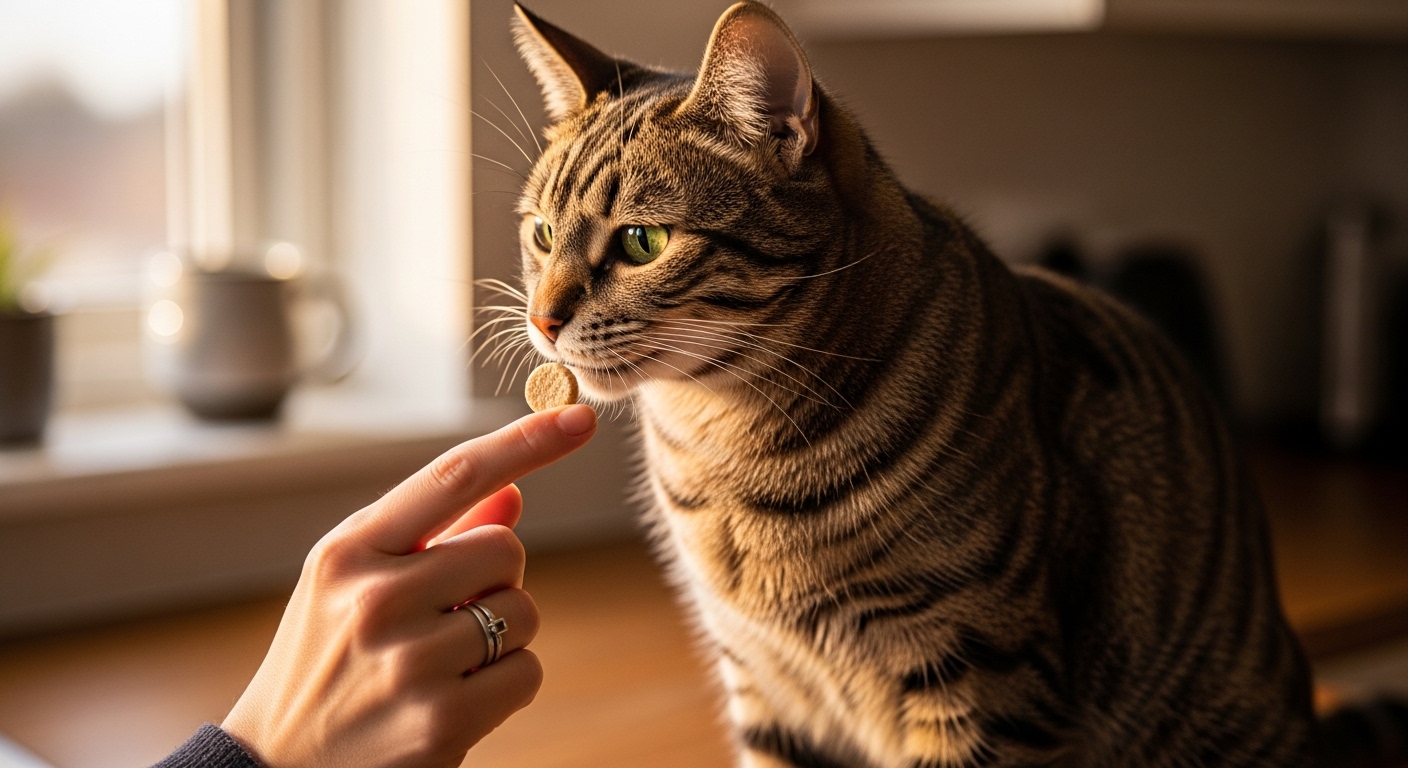
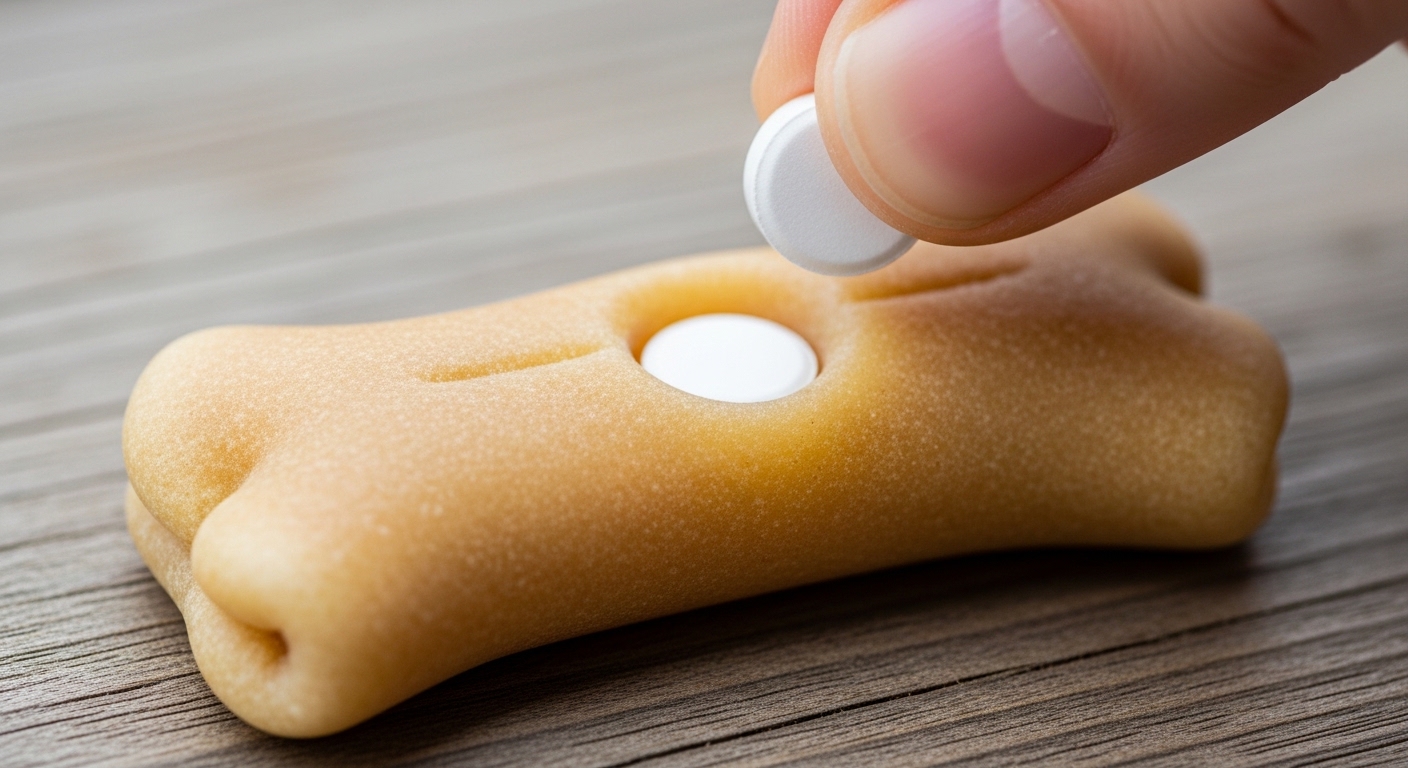
- Pill Pockets: These are soft, moldable treats with a built-in pouch designed to hide a pill. Brands like Greenies make cat-specific pill pockets in flavors such as chicken and salmon. Simply press the pill inside, pinch the treat closed, and offer it as a snack. Many cats take it without a second thought.
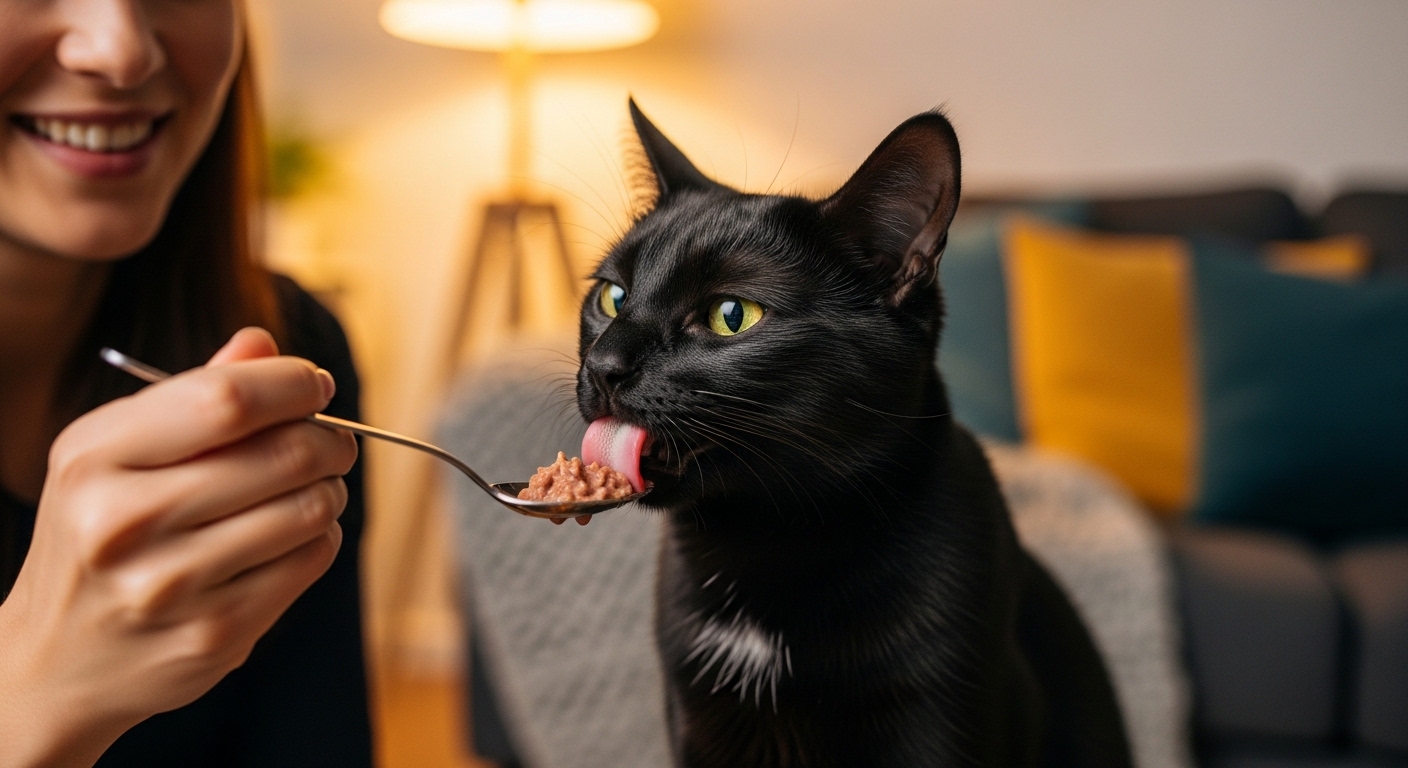
- Soft Food Concealment: Pressing a pill into a small amount of canned cat food, cream cheese, or a tiny piece of cooked chicken can work well. Offer a plain piece first, then the medicated piece, then another plain piece — this "pill sandwich" technique keeps cats from getting suspicious.
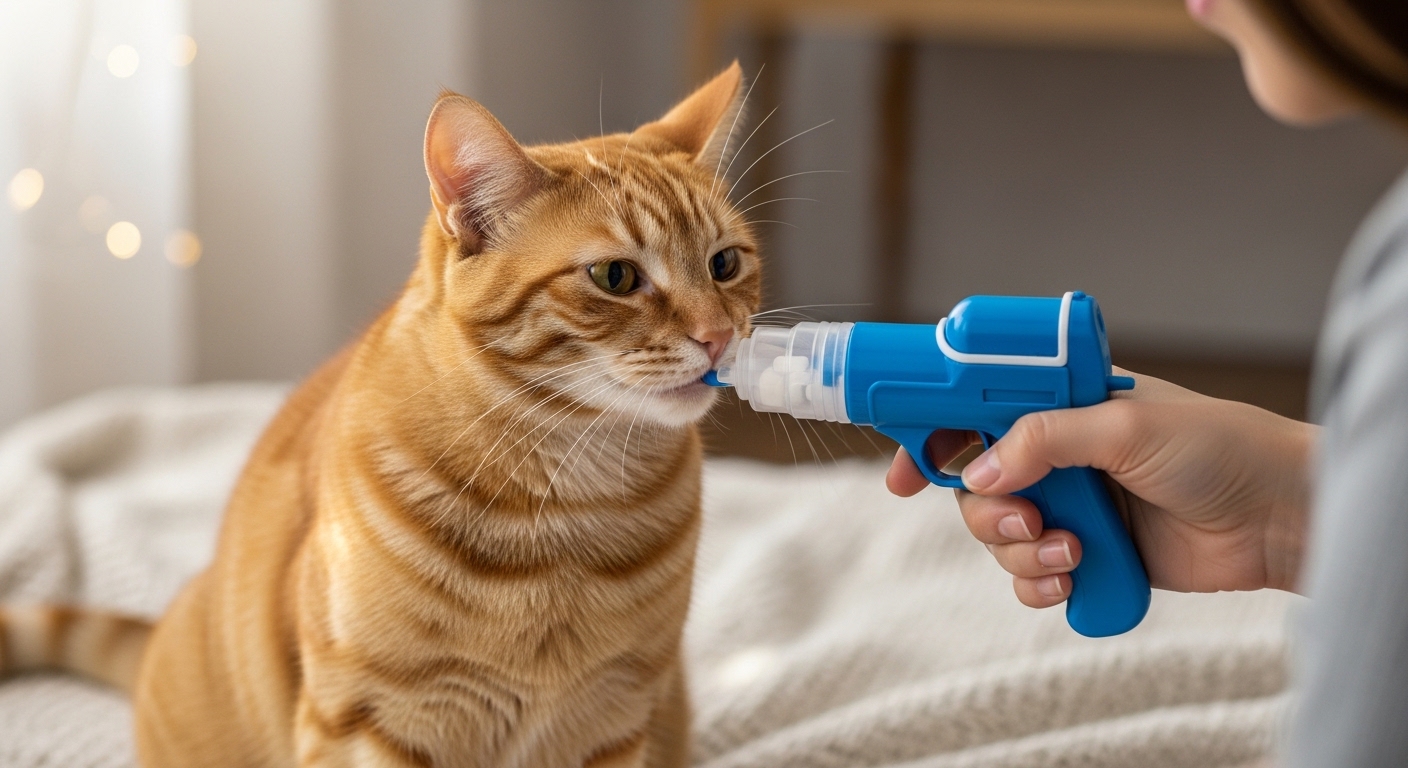
- Pill Gun (Piller Device): A cat piller is a long plastic syringe-like tool with a soft rubber tip that holds the pill. You place the pill in the tip, gently open your cat's mouth, insert the device past the tongue, and press the plunger. It keeps your fingers away from teeth and delivers the pill quickly and accurately.
- Compounded Medications: Ask your vet if the medication can be compounded into a flavored liquid, chewable treat, or even a transdermal gel applied to the inner ear flap. Compounding pharmacies can transform many pills into forms cats find far more palatable.
- Pill Wrap Treats: Some pet stores sell soft, pliable treat wraps (similar to deli meat) specifically designed to roll around a pill. These can be especially useful for cats who sniff out pill pockets but are fooled by a different texture.
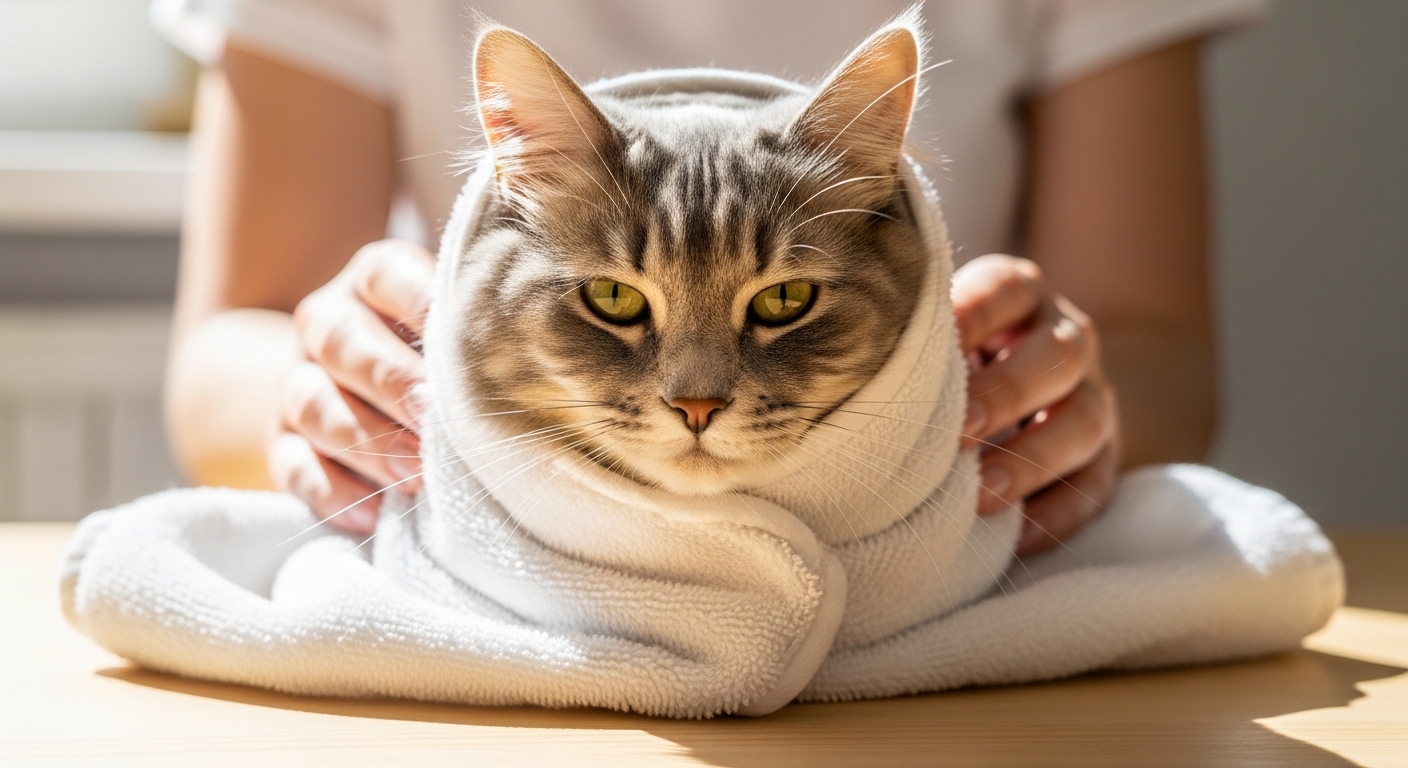
- Towel Wrap (Burrito Method): For cats who squirm, wrapping them snugly in a large towel — like a burrito — immobilizes the body without pain or scruffing. This reduces flailing and makes it easier to focus on opening the mouth calmly.
What to Avoid
Even with the best intentions, certain common mistakes can make pilling harder and more stressful for your cat. Try to steer clear of these pitfalls:
- Scruffing your cat: Grabbing a cat by the loose skin at the back of the neck (scruffing) is increasingly discouraged by veterinary professionals. While it may temporarily immobilize a cat, it often causes significant fear and stress, and can damage your bond. Reserve this only if a vet specifically instructs it for a medical procedure.
- Chasing your cat to give the pill: If your cat senses what is coming and runs, chasing them ramps up anxiety before you even begin. Instead, calmly pick them up from a resting spot or lure them with a treat before revealing the medication.
- Giving up after one failed attempt and trying again immediately: Repeated failed attempts in quick succession escalate stress. If the first try does not work, take a short break, let your cat settle, and try a different method rather than persisting forcefully.
- Not following up with water or food: Dry-pilling a cat — placing a pill in the mouth without a liquid or food chaser — can cause the pill to lodge in the esophagus, which may lead to irritation or injury. Always follow a pill with a small syringe of water or a food treat unless your vet advises otherwise.
- Using foods that are toxic to cats: Some human foods used to hide pills — like certain deli meats high in garlic or onion — can be harmful to cats. Stick to cat-safe options and consult your vet if you are unsure.
Frequently Asked Questions
Can I crush my cat's pill and mix it into food?
It depends on the specific medication. Some pills are safe to crush and mix into a small amount of wet food, but others — particularly extended-release tablets or coated pills — should never be crushed as it can affect how the drug works or make it dangerously unpalatable. Always ask your veterinarian before crushing any medication.
My cat always spits the pill out. What should I try next?
If your cat is a champion at spitting pills, try using a pill gun for more precise placement past the back of the tongue. You can also ask your vet about compounding the medication into a flavored liquid or transdermal gel, which many resistant cats tolerate far better than solid pills.
Is it safe to hide a pill in dairy products like cheese or cream cheese?
A very small amount of cream cheese is generally tolerated by many cats and can work as a pill hider, but cats are actually lactose intolerant to varying degrees. Large amounts of dairy may cause digestive upset. Use only a tiny smear, and if your cat has a sensitive stomach, opt for a cat-specific treat instead.
How do I know if my cat actually swallowed the pill?
After giving the pill, gently hold your cat's mouth closed and stroke their throat downward to encourage swallowing. Watch for a lick of the nose, which is a good sign the pill went down. You can also offer a small treat or a few drops of water via syringe immediately after to help wash the pill down and confirm it was swallowed.
When should I ask my vet for a different form of medication?
If you have tried multiple techniques consistently and your cat remains impossible to pill — or if the stress is severe — it is absolutely worth calling your vet. Many medications can be compounded into liquids, flavored chews, or ear gels. Your vet wants the treatment to work, and they will appreciate you being honest about the challenges you are facing at home.
Medicating a cat does not have to be a battle of wills. With a little patience, the right tools, and a willingness to try different approaches, most cat owners find a method that works reliably for their individual pet. Remember that every cat is different — what works perfectly for your neighbor's cat may not suit yours, and that is completely normal. The key is to stay calm, keep sessions positive, and never hesitate to loop in your veterinarian when you hit a wall. Your cat is lucky to have an owner who cares enough to find the gentlest way forward.
Comments
Post a Comment