Summer is a season of long walks, backyard adventures, and lazy afternoons in the sun — but for our dogs, rising temperatures can quickly turn a fun day into a dangerous one. Unlike humans, dogs can only release heat through panting and the limited sweat glands in their paw pads, which makes them far more vulnerable to overheating than we might realize. Whether you have a thick-coated Husky or a short-snouted Bulldog, every dog needs a little extra care when the mercury climbs. Here are the most practical, vet-approved strategies to help your pup stay safe, comfortable, and happy all summer long — because a cool dog is a happy dog.
Why Keeping Your Dog Cool Matters
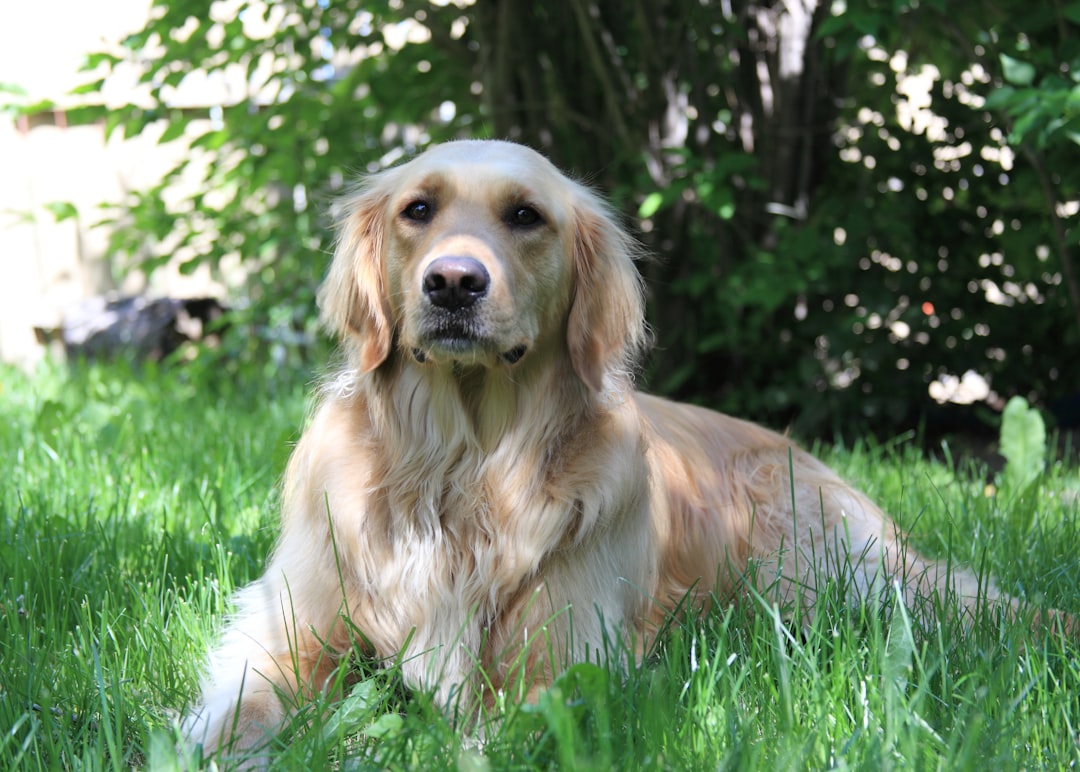
It is easy to underestimate just how quickly heat can become a serious threat to a dog's health. Dogs regulate their body temperature primarily through panting, a mechanism that becomes far less effective in high humidity or extreme heat. When their core temperature rises too fast, it can lead to heat exhaustion or, in severe cases, heatstroke — a life-threatening condition that may cause organ damage within minutes. Many vets suggest that certain dogs are at higher risk, including:
- Brachycephalic breeds (Bulldogs, Pugs, Shih Tzus) whose shortened airways make panting less efficient.
- Senior dogs and puppies, whose bodies are less adept at regulating temperature.
- Overweight dogs, as excess body fat acts as insulation and increases heat retention.
- Dogs with thick double coats like Huskies, Malamutes, and Samoyeds.
- Dogs with dark-colored fur, which absorbs more solar radiation.
Understanding your dog's individual risk profile is the first step toward keeping them safe when temperatures soar.
Key Takeaway: Heatstroke in dogs can develop in as little as 15 minutes — prevention is always safer and easier than treatment. When in doubt, consult your veterinarian.
Guidelines & Frequency for Summer Safety
Adjusting your dog's daily routine during summer is one of the most effective ways to prevent heat-related illness. Small changes to timing and habits can make a significant difference in how your dog experiences the warmer months.
Exercise Timing
Many vets and canine experts recommend shifting walks and outdoor play to the cooler parts of the day. A general guideline that works well for most dogs is:
- Morning walks: Aim for before 9 a.m., when pavement and air temperatures are at their lowest.
- Evening walks: Wait until after 6 p.m. or once the sun has dropped below the horizon.
- Midday rest: Keep your dog indoors or in a shaded, well-ventilated space between 11 a.m. and 4 p.m., when heat is most intense.
The Pavement Test
Hot asphalt can burn a dog's paw pads in seconds. Before heading out, press the back of your hand firmly against the pavement for seven seconds. If it feels too hot for your hand, it is too hot for your dog's paws. Opt for grassy routes, or consider protective dog booties for unavoidable pavement walks.
Hydration Frequency
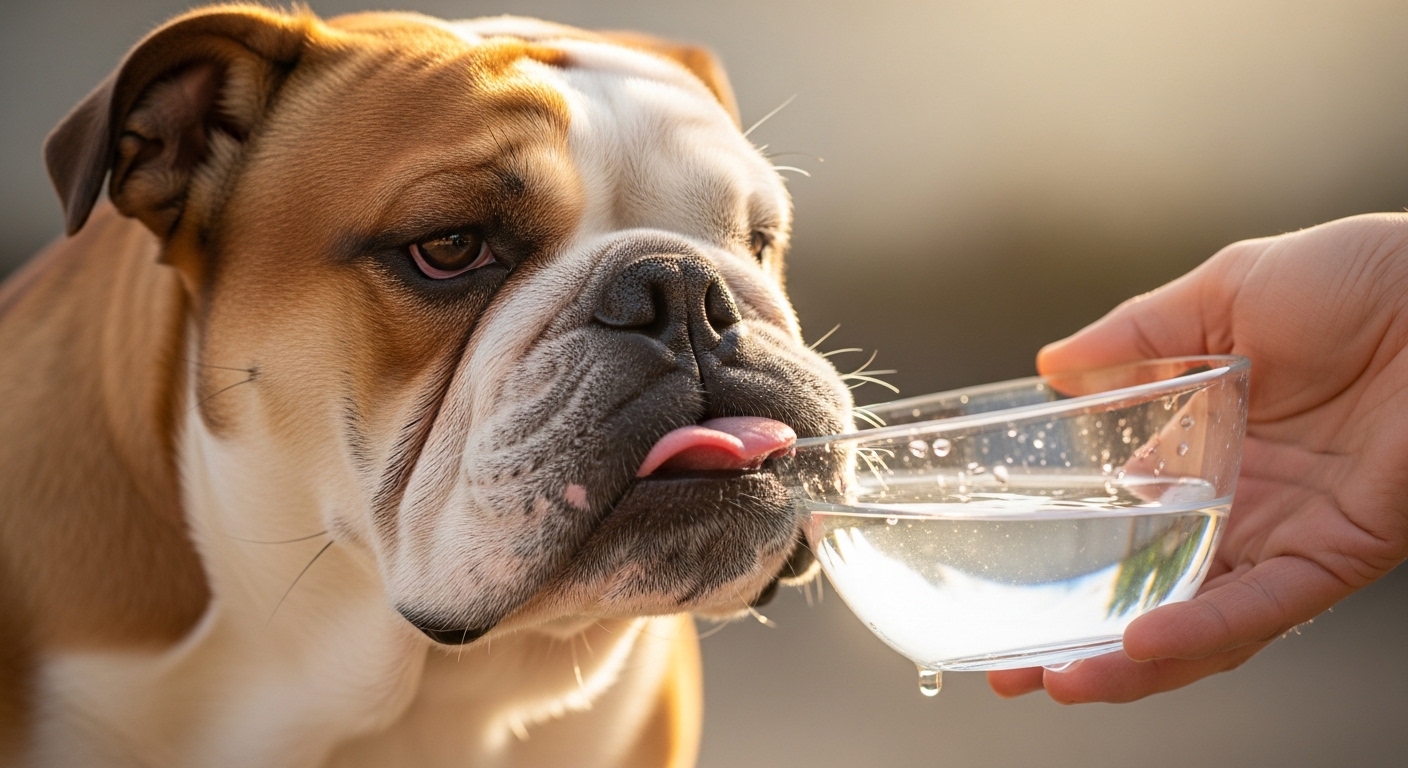
Fresh, cool water should always be available — not just once or twice a day, but continuously. During summer, many pet owners find it helpful to:
- Refresh water bowls every two to three hours to keep the water cool and clean.
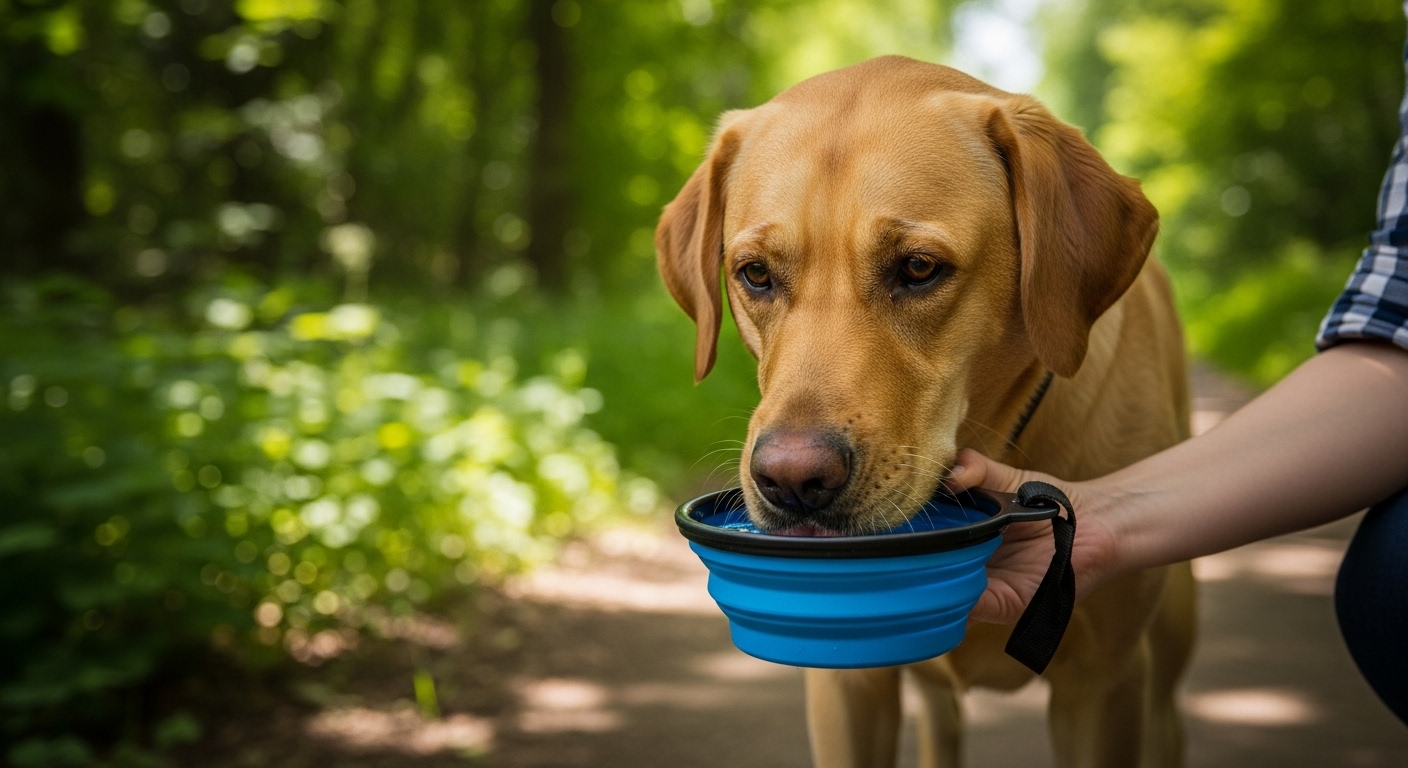
- Bring a collapsible travel bowl and a bottle of water on every outing.
- Place multiple water stations around the home and yard.
- Add a few ice cubes to the bowl to keep the water cool longer.
Recommended Cooling Options for Dogs
Beyond timing and hydration, there is a wonderful range of products and strategies that may help your dog stay comfortable during hot weather. Here are some of the most effective options to consider:
- Cooling mats: Gel-filled or water-activated mats that absorb your dog's body heat — great for indoor lounging or crate use.
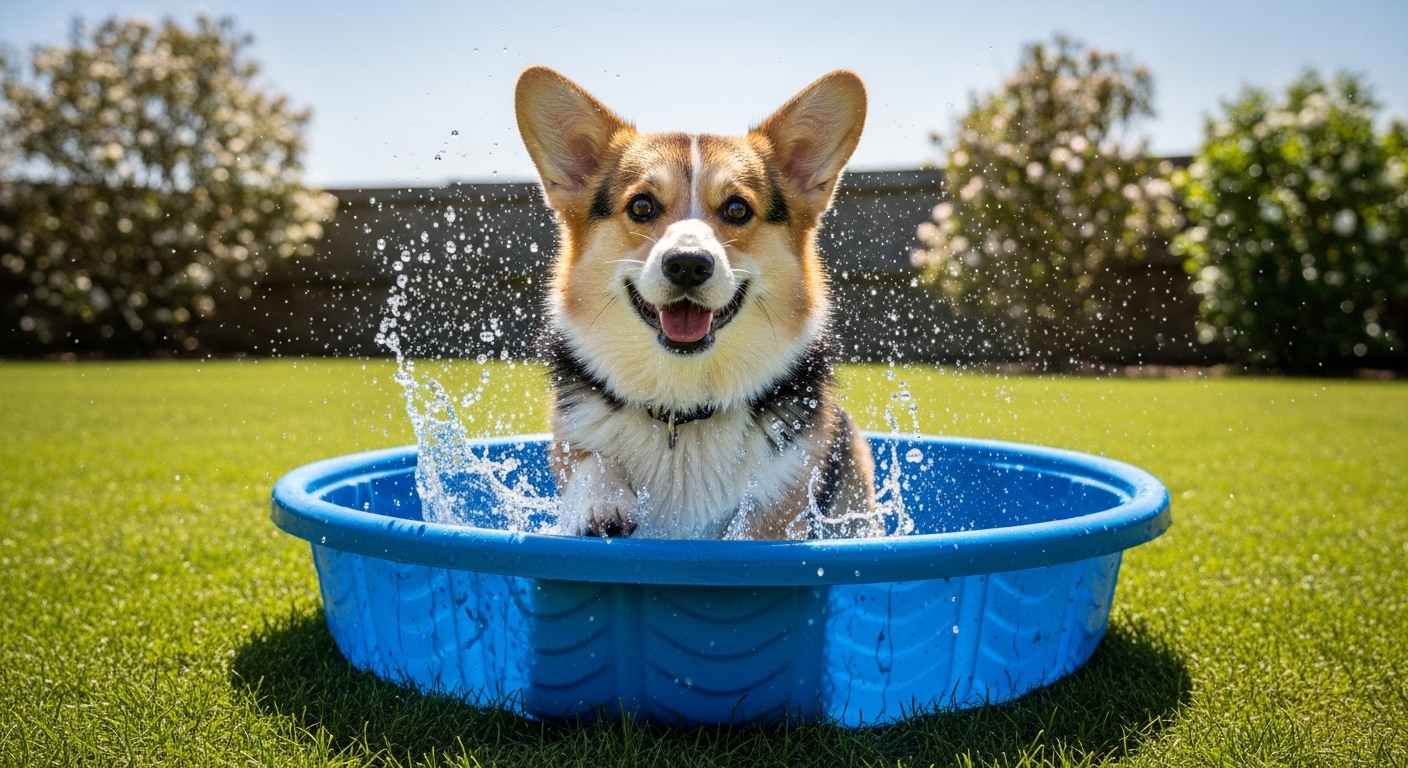
- Paddling pools: A shallow, dog-safe plastic pool filled with cool water can provide hours of refreshing fun for water-loving breeds.
- Cooling vests and bandanas: Wet these garments with cool water before a walk; evaporation helps lower your dog's surface temperature.
- Frozen treats: Homemade frozen snacks made from dog-safe ingredients like plain yogurt, banana, or watermelon can be a delicious way to cool down from the inside.
- Fans and air conditioning: Ensuring your home is well-ventilated or air-conditioned is one of the simplest and most effective cooling strategies available.
- Shaded outdoor spaces: A canopy, shade sail, or large tree provides a cool retreat for dogs who love being outside without direct sun exposure.
What to Avoid During Hot Weather
Knowing what not to do is just as important as knowing the right strategies. Some common summer mistakes can put your dog at serious risk:
- Never leave your dog in a parked car. Even on a mild 21°C (70°F) day, the interior of a parked car can reach over 38°C (100°F) within 20 minutes — a potentially fatal environment for any dog.
- Avoid vigorous exercise during peak heat hours. Fetching, running, and intense play in the midday sun can push a dog's temperature to dangerous levels very quickly.
- Do not rely solely on shade. Shade reduces sun exposure but does not eliminate ambient heat or humidity, which can still cause overheating.
- Avoid muzzling dogs in hot weather unless absolutely necessary, as panting is their primary cooling mechanism and a muzzle can restrict it.
- Do not shave double-coated breeds. Many vets caution that a double coat actually insulates against heat as well as cold — shaving it may disrupt this natural regulation and cause sunburn.
- Never ignore early warning signs. Dismissing excessive panting or lethargy as normal summer behavior can allow a mild heat issue to escalate into a medical emergency.
Frequently Asked Questions
What are the signs that my dog is overheating?
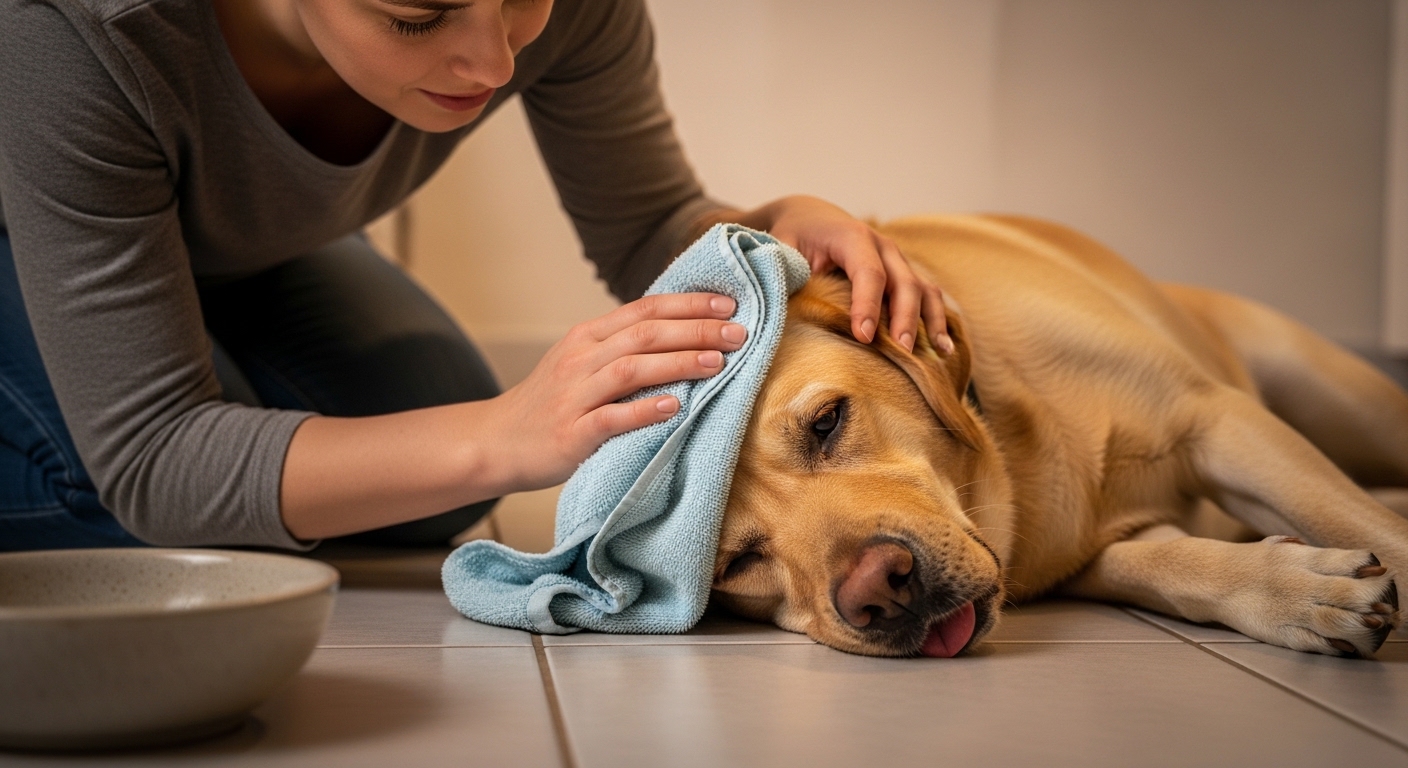
There are several warning signs that may indicate your dog is struggling with the heat. These can include excessive or labored panting, drooling more than usual, a bright red tongue or gums, glazed eyes, weakness or stumbling, vomiting, and in severe cases, collapse or loss of consciousness. If you notice any of these signs, move your dog to a cool area immediately, offer small amounts of cool (not ice-cold) water, and contact your veterinarian right away.
Can I give my dog ice water to cool them down?
Offering cool water is generally a good idea, but many vets advise against giving very ice-cold water or applying ice directly to an overheating dog. Extremely cold temperatures may cause blood vessels near the skin to constrict, which could potentially slow the cooling process. Cool — not freezing — water and damp towels are typically recommended. Always consult your veterinarian for guidance specific to your dog's situation.
How do I know if my dog needs a cooling vest?
Cooling vests may be particularly beneficial for dogs that are brachycephalic, elderly, overweight, or those who live in very humid climates where panting is less effective. If your dog seems to struggle during even short outdoor excursions in warm weather, a cooling vest could be a worthwhile investment. Your vet can help you determine whether one is appropriate for your specific dog.
Is it safe to let my dog swim in the summer?
Swimming can be a fantastic way for dogs to exercise and cool down simultaneously. However, always supervise your dog near water, ensure they have a safe exit point from pools, and rinse them off after swimming in chlorinated or saltwater to protect their coat and skin. Not all dogs are natural swimmers, so a canine life vest is a smart precaution for less confident swimmers.
At what temperature is it too hot to walk my dog?
There is no single universal threshold, as it varies by breed, age, fitness level, and humidity. As a general guide, many vets suggest extra caution when temperatures exceed 25°C (77°F), and significant risk at 32°C (90°F) and above — especially in high humidity. The pavement temperature test and your dog's individual behavior are often the most reliable indicators of whether conditions are safe for outdoor activity.
Summer with your dog should be full of joy, not worry. By planning walks around cooler hours, keeping fresh water flowing, investing in a few smart cooling tools, and staying alert to the early signs of overheating, you can give your pup a safe and wonderful warm-weather season. Remember, you know your dog better than anyone — trust your instincts, stay observant, and never hesitate to reach out to your veterinarian if something does not seem right. Here is to a cool, happy, and tail-wagging summer for you and your best friend!
Comments
Post a Comment