A neighbor once told me she never wanted a Poodle because she thought they were fussy, high-maintenance show dogs with pompom haircuts and fragile temperaments. Two years later, she has a Standard Poodle named Biscuit who hikes with her on weekends, plays rough-and-tumble with her kids, and still manages to look vaguely elegant doing it. That gap between perception and reality is exactly why Poodles deserve a proper, honest look — across all three size variants, from the towering Standard to the compact Toy.
Origins & History
The Poodle's name likely derives from the German word Pudel, meaning to splash in water — a fitting origin for a breed developed as a working water retriever in Germany, though France later claimed the dog so thoroughly that it became the French national breed. Early Poodles were serious working animals, retrieving ducks from cold lakes and rivers, and their distinctive clip was not vanity but function: hunters trimmed the coat to reduce drag in water while leaving protective fur over joints and vital organs.
The Miniature and Toy variants were selectively bred down in size over centuries, primarily to serve as companions for European nobility. By the 18th century, Toy Poodles were a fixture in French and Spanish courts, occasionally trained as circus performers because of their sharp minds and eagerness to engage with humans. The American Kennel Club recognized all three sizes — Standard, Miniature, and Toy — as a single breed with size as the only distinguishing factor, which remains the case today.
What is easy to overlook is that the working intelligence bred into the original retrievers never got diluted out during the downsizing process. All three sizes carry the same mental hardware.
Appearance & Size
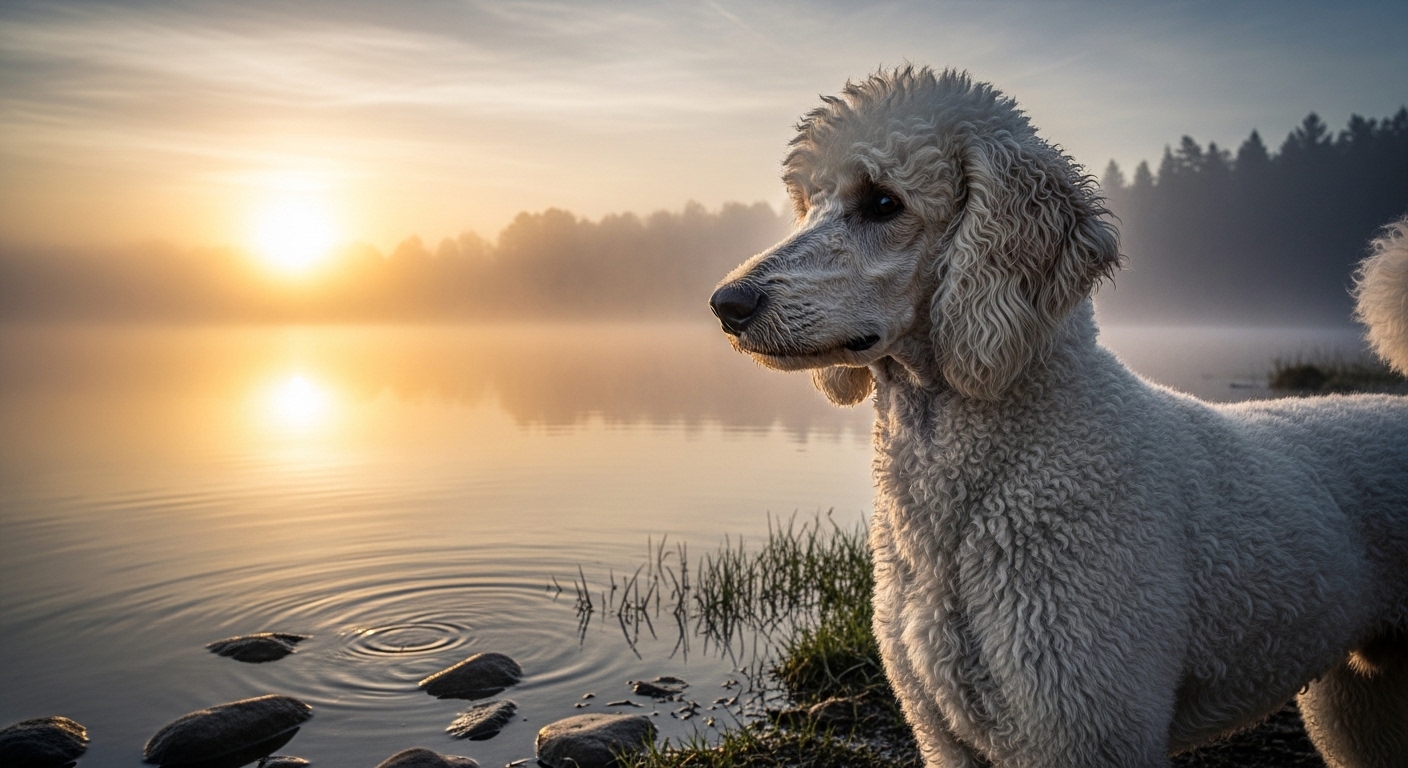
The three size categories are defined by height at the shoulder, and the differences are significant enough to affect daily life in practical ways. A Standard Poodle can stand over 15 inches tall and weigh anywhere from 40 to 70 pounds, while a Toy Poodle tops out at 10 inches and may weigh as little as 4 pounds. The Miniature sits comfortably in between, typically 10 to 15 inches tall and 10 to 20 pounds.
Coat colors span an impressive range:
- Black and white — the most classic and widely recognized
- Apricot and cream — popular in Toy and Miniature lines
- Silver and blue — rarer, with a distinctive faded appearance
- Chocolate and café-au-lait — warm brown tones that vary with age
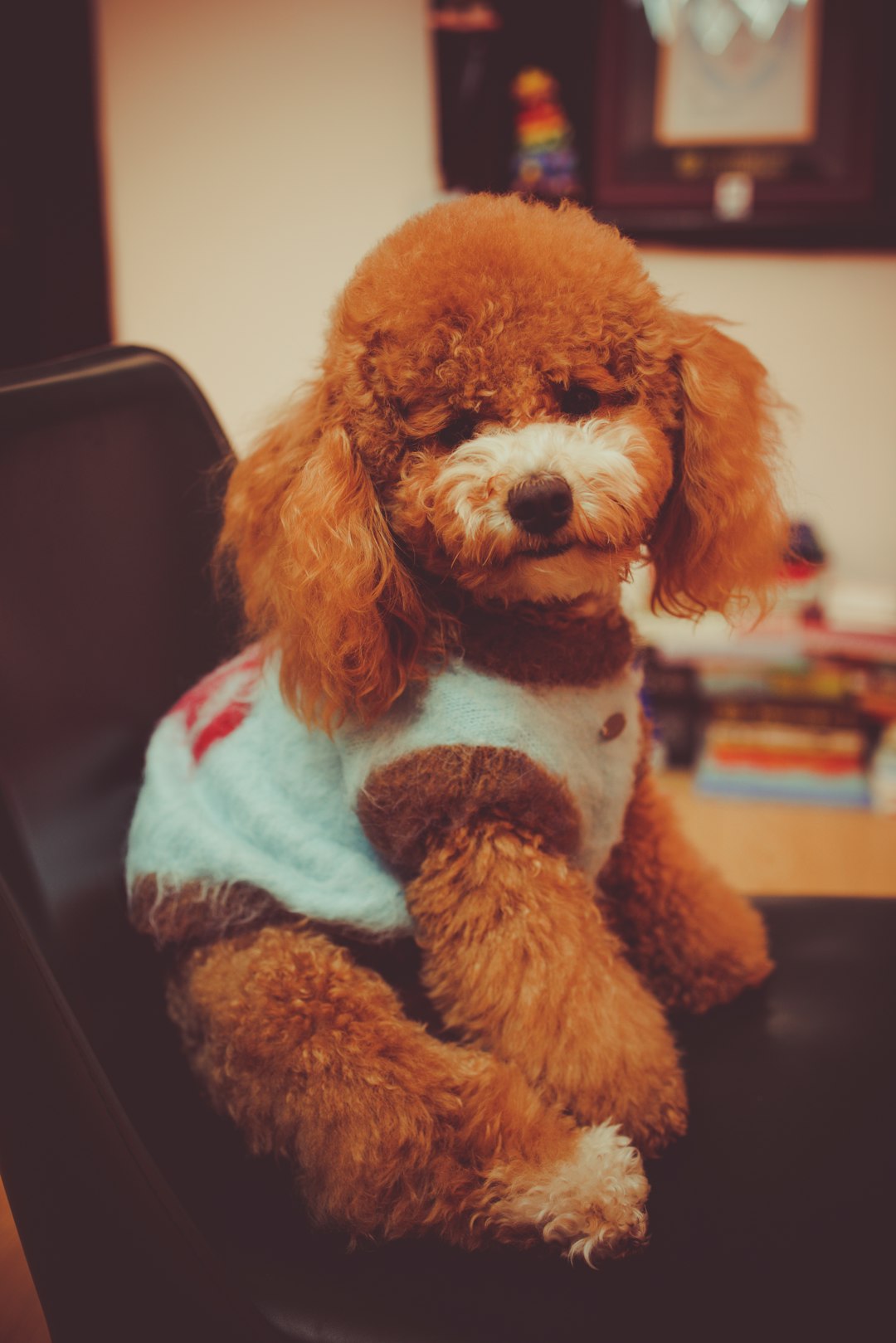
- Red — a relatively recent color development, especially vivid in Toys
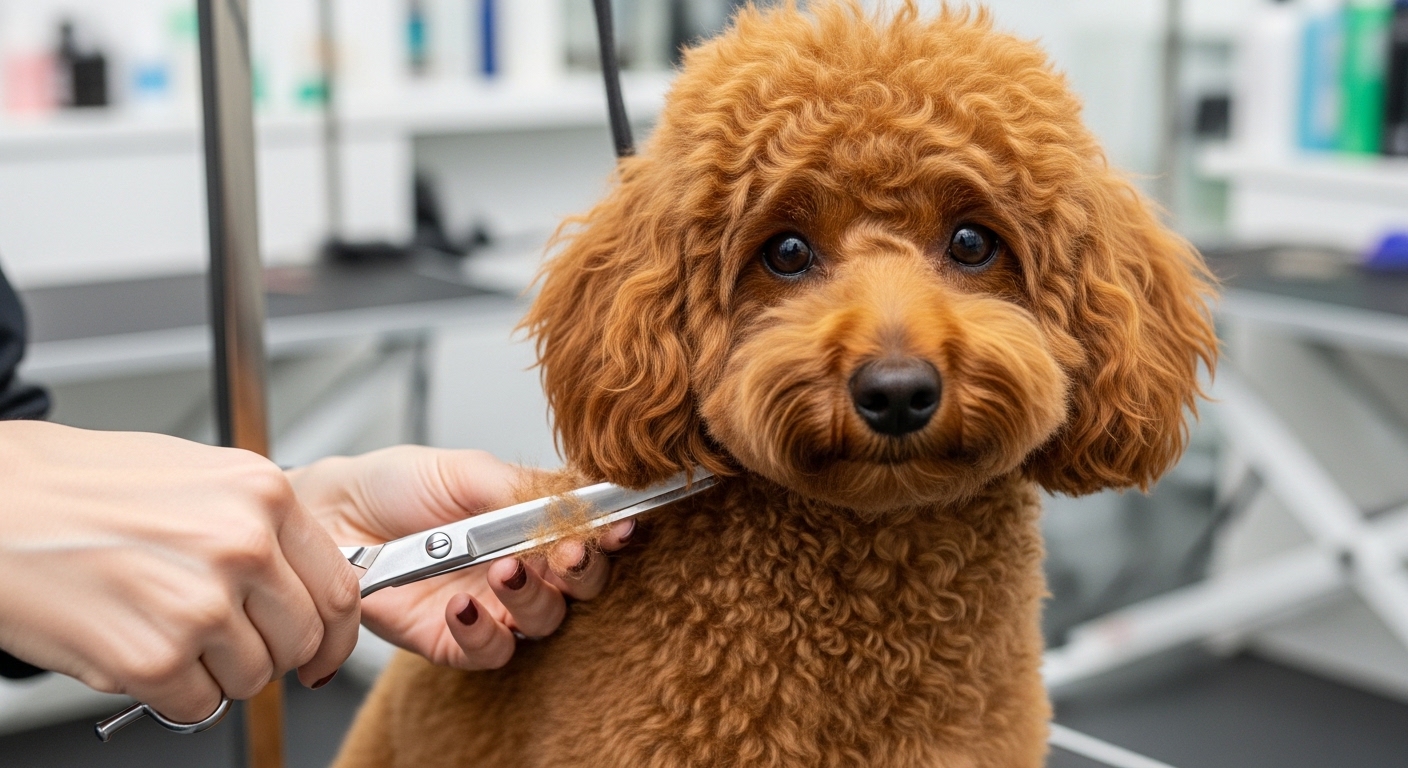
The curly, dense coat is single-layered, which means Poodles shed minimally compared to double-coated breeds. This makes them a popular choice for households with mild dog allergies, though no dog is truly hypoallergenic — a point worth clarifying with your allergist before committing. What the low-shedding coat does guarantee is that it keeps growing continuously, which means professional grooming every six to eight weeks is not optional. That bill adds up faster than most new owners expect.
Temperament
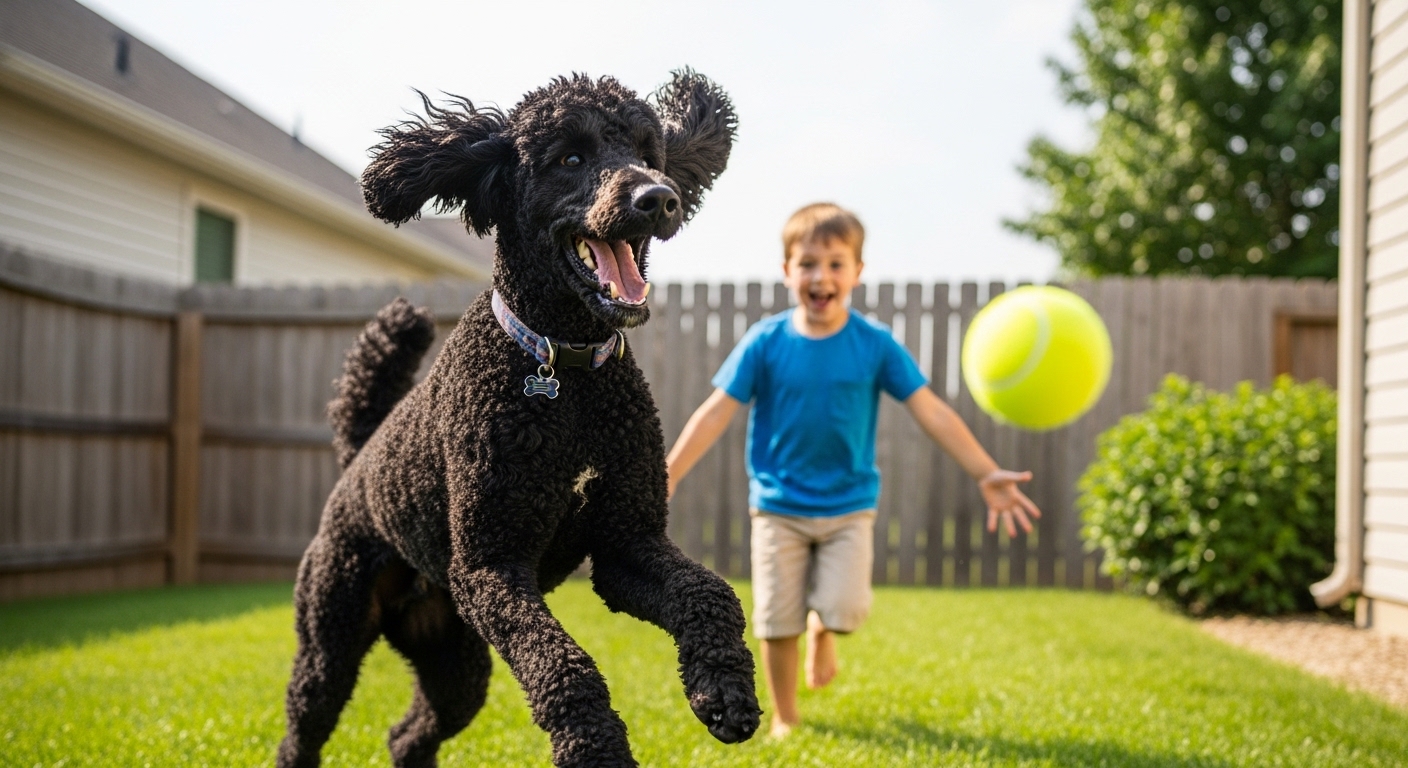
Poodles are genuinely clever — not in a vague, flattering way, but in a way that creates real daily demands. They learn commands quickly, sometimes after just a few repetitions, which is satisfying until you realize they also learn your routines, your emotional states, and exactly which behaviors get a reaction out of you. A bored Poodle will find entertainment, and it will not always be the kind you approve of.
All three sizes tend to be affectionate and people-oriented. Standards are often described as the most athletic and outgoing of the three, comfortable with strangers and highly adaptable to active households. Miniatures hit a middle ground — playful and social, but slightly more sensitive to chaotic environments. Toys can be deeply devoted to a single person and may show more wariness around unfamiliar dogs or children, particularly if not socialized early and consistently.
They are not a breed that tolerates long hours alone gracefully. Separation anxiety is genuinely common across all three sizes, and owners who work full days without a dog walker or daycare arrangement often find this out the hard way — usually through chewed furniture or persistent barking complaints from neighbors.
A Poodle that gets adequate mental stimulation and social interaction is one of the most adaptable dogs you can own. A Poodle that doesn't is a different story entirely.
The good news is that their trainability makes addressing behavioral issues relatively straightforward compared to more stubborn breeds, provided you start early and stay consistent.
Health & Lifespan
Poodles are generally a long-lived breed. Toy and Miniature Poodles commonly reach 14 to 17 years, while Standards typically live 12 to 15 years — longer than many breeds of comparable size. That longevity is one of their genuine strengths as a family dog, though it also means a longer commitment than owners sometimes fully consider upfront.
Like all purebred dogs, Poodles carry some breed-specific health predispositions that prospective owners should understand. Many vets suggest watching for:
- Hip dysplasia — more common in Standards; responsible breeders screen for this
- Progressive retinal atrophy (PRA) — a hereditary eye condition that may lead to vision loss
- Sebaceous adenitis — a skin condition that affects the coat and may require ongoing management
- Bloat (gastric dilatation-volvulus) — a serious risk in deep-chested Standards that warrants awareness
- Addison's disease — a hormonal condition seen with some frequency in the breed
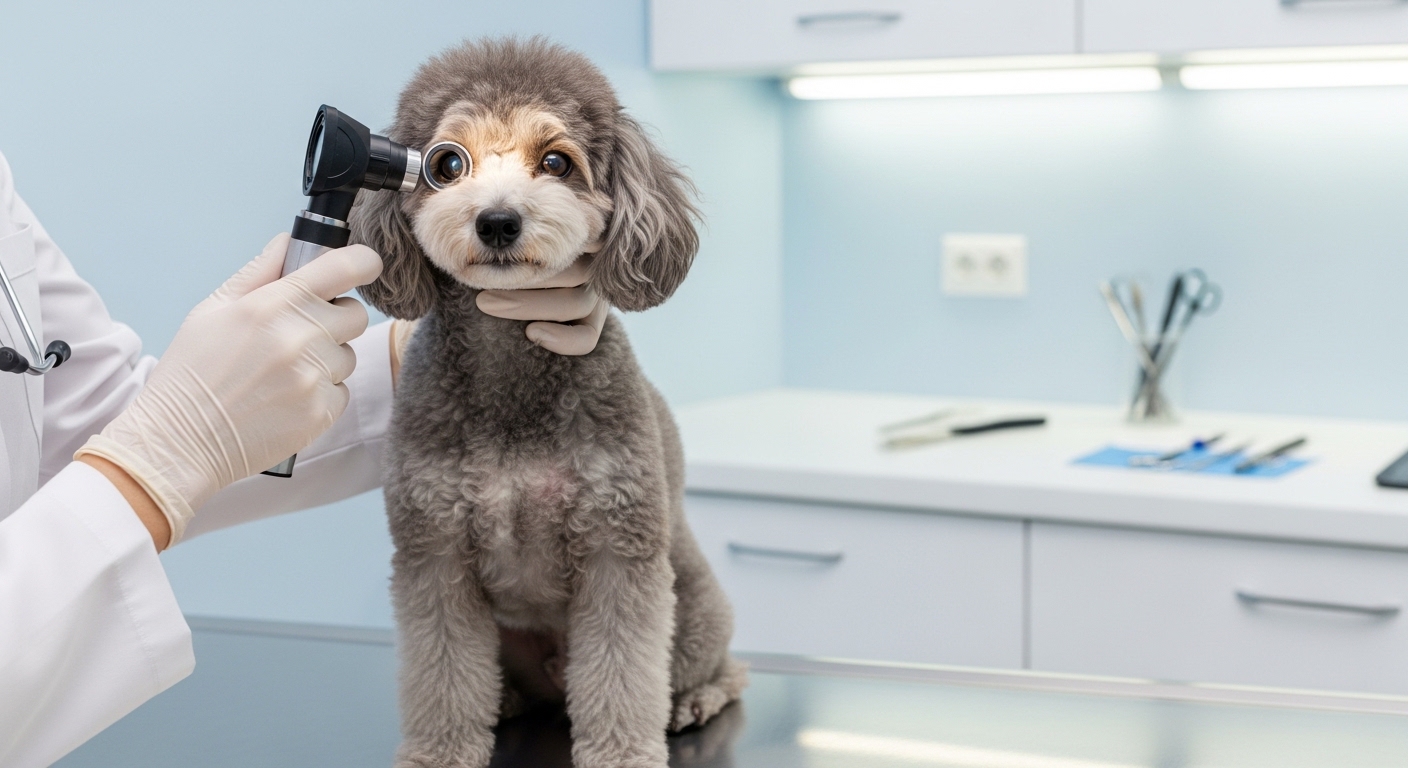
None of this is a reason to avoid the breed, but it is a reason to source from health-tested lines and maintain regular veterinary checkups. If you notice any changes in your Poodle's vision, skin, energy levels, or digestion, consult your veterinarian rather than waiting to see if things resolve on their own.
Is This Breed Right for You?
The size flexibility alone makes Poodles unusually practical. A Standard can handle a rural property with room to run; a Toy can thrive in a city apartment provided it gets daily walks and mental engagement. That said, the grooming commitment is non-negotiable regardless of size, and the intelligence that makes them so rewarding also means they need more structured activity than a casual owner might expect.
Families with children generally do well with Standards and Miniatures, which tend to be more robust and patient. Toy Poodles can be wonderful with kids who have been taught to handle small dogs carefully, but they are not the best match for very young or boisterous children. Households with other pets usually find Poodles adaptable, particularly when introductions happen early.
First-time dog owners can absolutely succeed with a Poodle — the trainability helps — but going in without a plan for grooming costs, daily exercise, and mental enrichment tends to create problems within the first year. They will also cover your lap in curly fur during every movie you try to watch, which is either a selling point or a dealbreaker depending on your perspective.
Frequently Asked Questions
Do Poodles really not shed?
They shed significantly less than most breeds, and their single-layer curly coat traps loose hair rather than releasing it onto furniture and floors. This makes them a popular option for people with mild sensitivities, but it does not mean zero shedding, and it does not eliminate the proteins that trigger allergies in many people. If allergies are a concern, spending time with the specific dog before committing is a sensible step.
Which Poodle size is best for apartment living?
Miniature and Toy Poodles are the most practical for smaller spaces purely on a size basis, but a well-exercised Standard can adapt to apartment life too, provided daily exercise needs are genuinely met. The bigger risk in apartments is the breed's vocal tendencies — Poodles may bark more than neighbors appreciate if under-stimulated or anxious.
Are Poodles high maintenance?
Honestly, yes — more than many breeds. The grooming schedule is the biggest ongoing commitment, and their mental needs require more active engagement than a simple daily walk provides. Puzzle toys, training sessions, and social interaction are not extras for this breed; they are closer to necessities. Owners who factor this in from the start tend to find the relationship deeply rewarding.
Poodles are not the right dog for someone who wants a low-effort companion that looks after itself. But for owners willing to meet their grooming, exercise, and mental stimulation needs, they tend to be remarkably adaptable, genuinely funny, and surprisingly athletic dogs that fit into a wide range of living situations — which is probably why they have stayed popular across so many centuries and so many very different households.
Comments
Post a Comment