If you share your home with a Goldendoodle, you already know that their irresistibly fluffy, wavy, or curly coats come with a serious grooming commitment. Unlike short-haired breeds that can get away with an occasional brush, Doodle coats are prone to matting, tangling, and trapping debris — meaning a consistent home grooming routine is not just a luxury, it is a necessity. The good news? With the right tools, the right technique, and a clear schedule, keeping your Goldendoodle looking and feeling their best is completely achievable at home. Whether you are a first-time Doodle parent or a seasoned pro looking to level up your skills, this complete guide covers everything from line brushing to professional grooming frequency.
Why Grooming Your Goldendoodle Really Matters
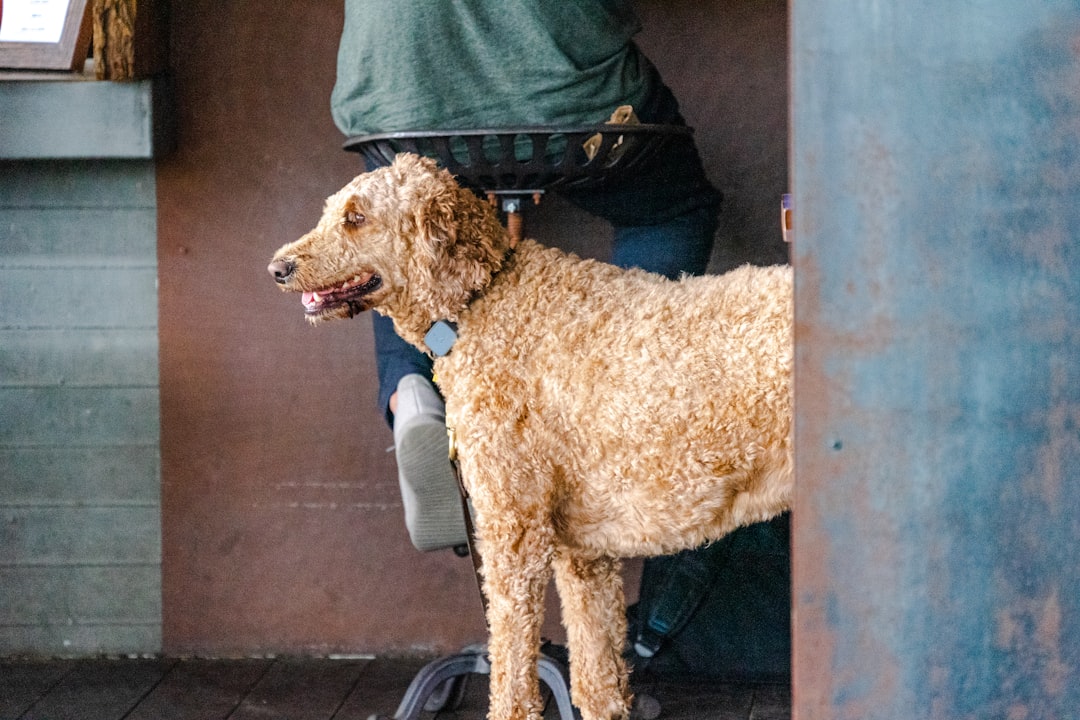
It is easy to think of grooming as purely cosmetic, but for a Goldendoodle, regular brushing and coat care go far deeper than appearances. The Goldendoodle's coat is a hybrid of the Poodle's dense, curly hair and the Golden Retriever's longer, silkier fur. The result is a coat that may range from loose waves to tight curls — and every variation is highly prone to matting when left unattended.
Mats are more than an eyesore. When fur becomes tightly tangled close to the skin, it can:
- Restrict blood flow to the skin underneath, causing discomfort or pain.
- Trap moisture and bacteria, potentially leading to skin irritation or infection.
- Hide parasites like fleas and ticks, making detection much harder.
- Become so severe that shaving the entire coat is the only humane option — a stressful experience for many dogs.
Beyond mat prevention, regular grooming sessions give you a chance to check your dog's skin, ears, eyes, and paws for any changes that may warrant a conversation with your veterinarian. Think of every brushing session as a mini wellness check wrapped in bonding time.
A few minutes of brushing every other day is infinitely easier — and kinder — than an emergency dematting session at the groomer.
Guidelines & Frequency: How Often Should You Brush?
One of the most common questions new Doodle owners ask is: how often do I really need to brush? The honest answer depends on your individual dog's coat type, lifestyle, and length, but here are general guidelines most professional groomers suggest:
- Curly (Poodle-dominant) coats: Brush at least every other day. Tight curls trap loose hair and debris quickly, accelerating mat formation.
- Wavy coats: Brush three to four times per week. This is the most common Goldendoodle coat type and is moderately prone to tangling.
- Flat or loose wavy coats: Brushing two to three times per week is often sufficient, though more frequent sessions are always beneficial.
Beyond brushing, here is a simple frequency guide for other grooming tasks:
- Full bath: Every four to six weeks, or when visibly dirty.
- Ear cleaning: Every two to three weeks, as Doodles are prone to ear infections due to hair growth inside the ear canal. Always consult your vet if you notice redness, odor, or discharge.
- Nail trimming: Every three to four weeks, or when you hear clicking on hard floors.
- Eye area trim: Every four to six weeks to prevent hair from irritating the eyes.
- Professional grooming appointment: Every six to eight weeks for most Goldendoodles kept in a longer style; every eight to twelve weeks for those kept in a shorter "puppy cut."
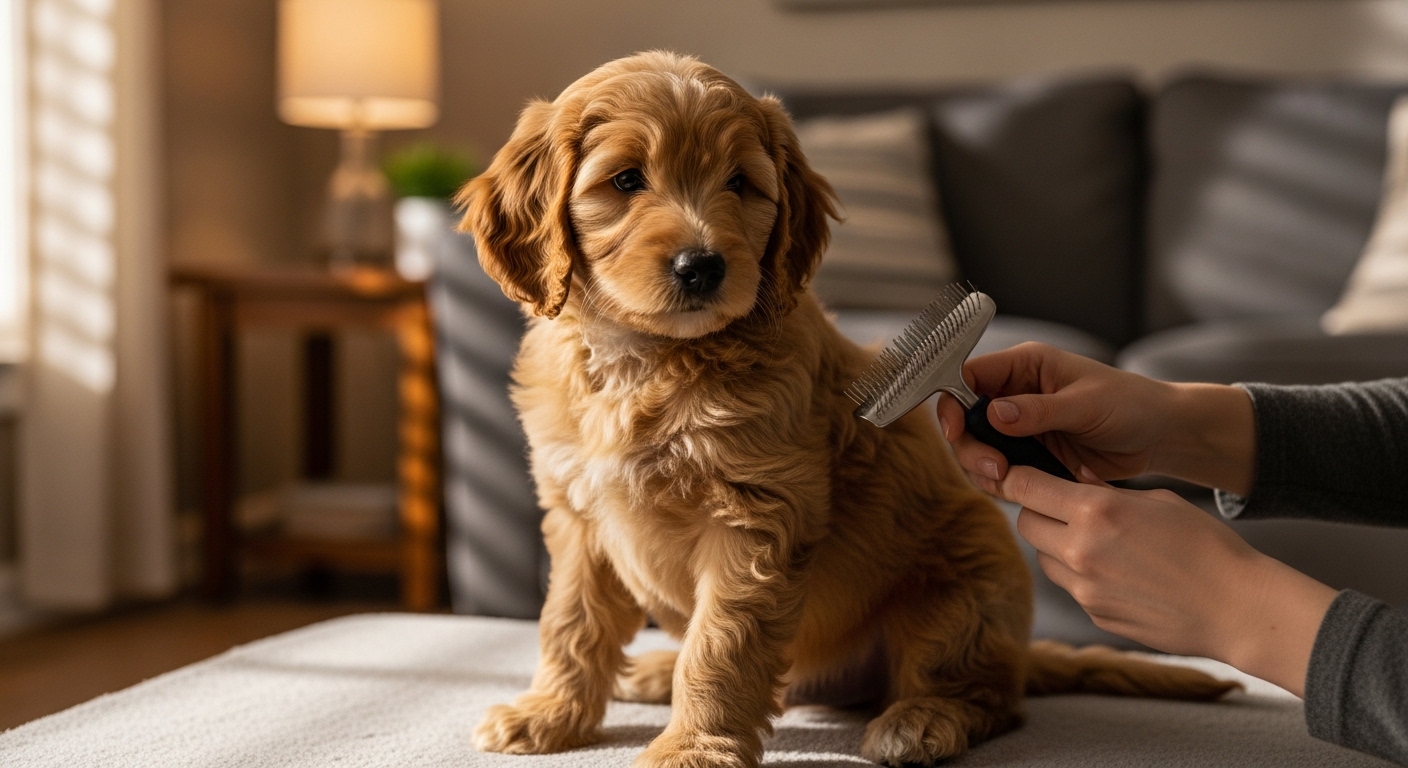
Puppies should be introduced to grooming tools and handling as early as eight weeks old. Short, positive sessions during puppyhood build a dog that tolerates — and may even enjoy — grooming for life.
Recommended Tools & Techniques for Doodle Coats
Having the right tools is half the battle. Using the wrong brush on a Doodle coat can cause breakage, miss tangles entirely, or make the experience uncomfortable for your dog. Here are the essential tools every Goldendoodle owner should own:
- High-quality slicker brush: The workhorse of Doodle grooming. Look for one with flexible, fine-wire bristles and a cushioned pad. Brands like Chris Christensen or Andis are widely recommended by professional groomers for their durability and effectiveness.
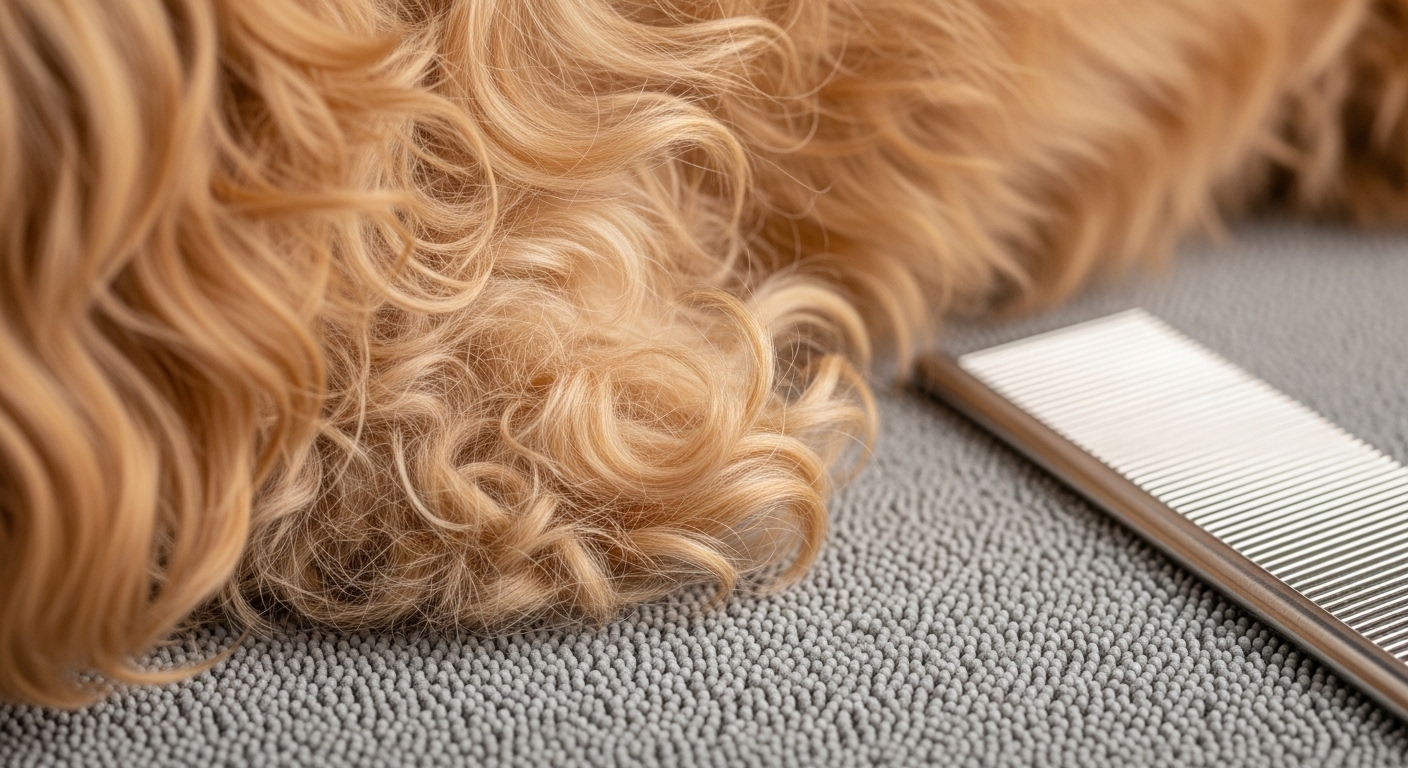
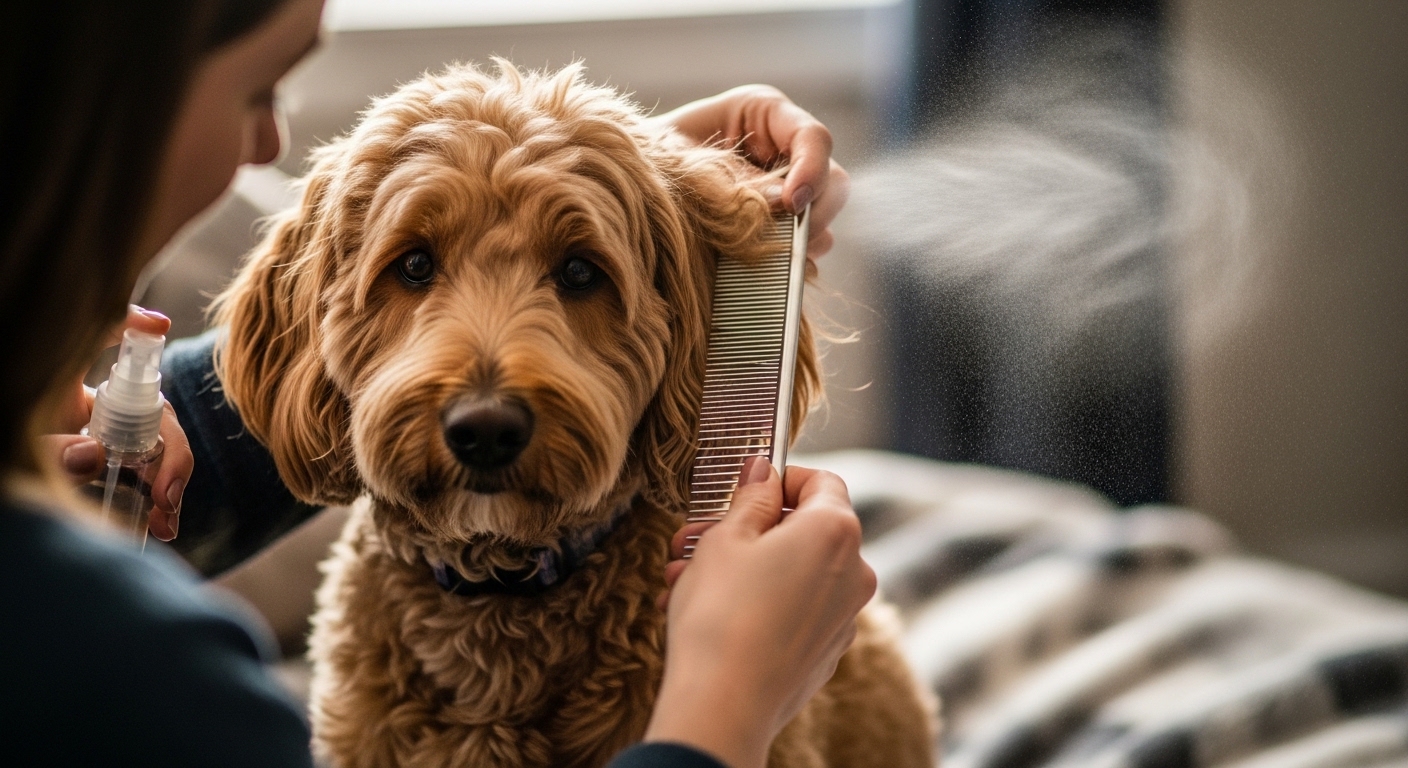
- Greyhound-style metal comb: A must-have for checking your work after brushing. Run the comb through the coat from root to tip — if it glides through without catching, you are mat-free. If it snags, keep brushing.
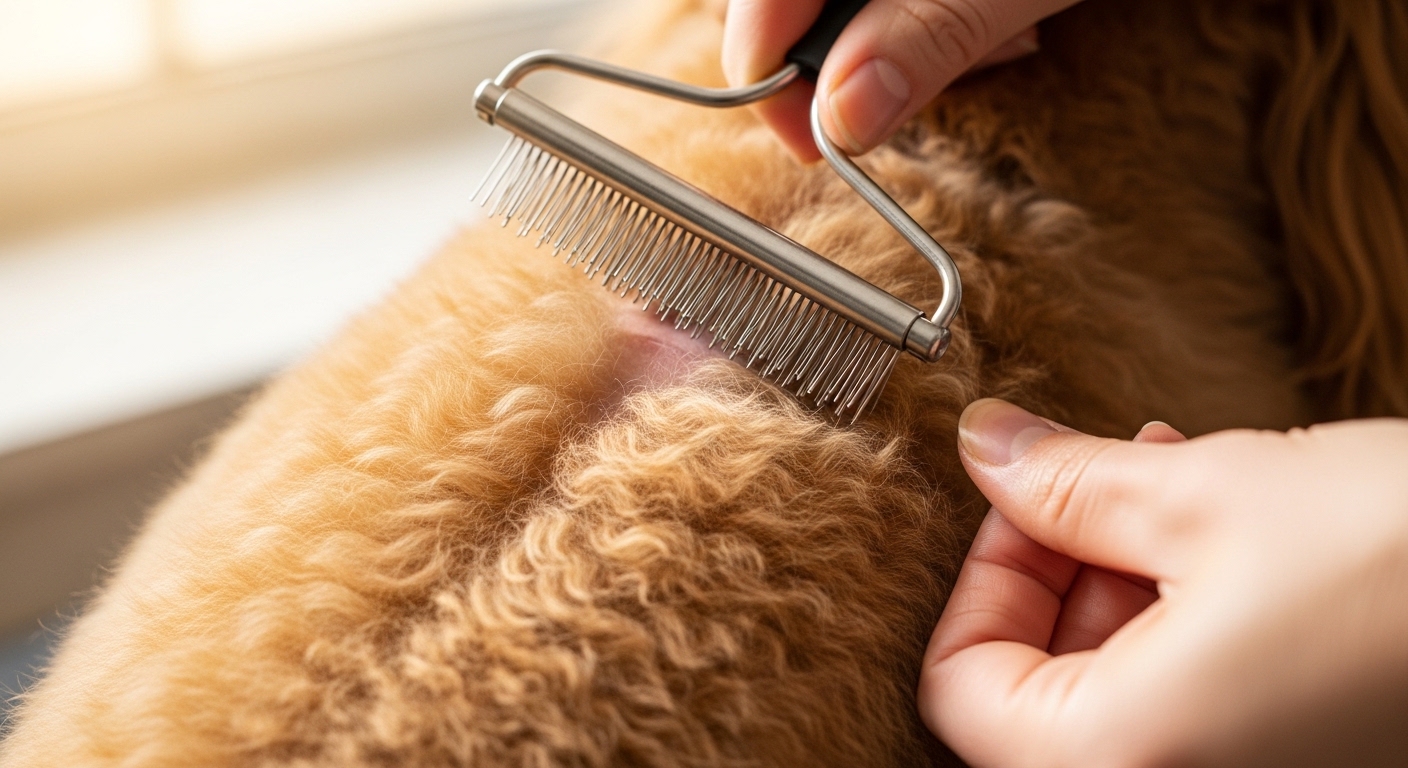
- Dematting comb or mat splitter: Useful for gently working through minor tangles before they become full mats. Use with care and light pressure to avoid discomfort.
- Detangling spray: A light coat of water-based detangling spray before brushing can reduce friction, minimize breakage, and make the session more comfortable for your dog.
- Pin brush: A gentler option for finishing and fluffing after the slicker brush has done its work, particularly on wavier coats.
- Dog-specific clippers (optional): If you plan to do trim maintenance between professional appointments, invest in a quiet, low-vibration clipper designed for thick coats.
The Line Brushing Technique: Step by Step
Line brushing is the gold-standard method used by professional groomers to ensure every layer of the coat is thoroughly brushed — not just the surface. Here is how to do it at home:
- Section the coat: Using your hand or a comb, part a horizontal line of fur across the body, exposing the skin beneath. Start at the lowest point of the dog's body — the belly or lower legs — and work upward.
- Hold the parted section: Use one hand to hold the upper portion of the coat back, out of your working area.
- Brush the exposed layer: With your slicker brush, brush the exposed section of fur in short, gentle strokes, moving from the skin outward toward the tips. Never yank or drag through a tangle.
- Move the part up: Once the section is tangle-free, release a small amount of the held-back fur, creating a new working layer just above the previous one.
- Repeat: Continue moving the part upward, brushing each new layer thoroughly, until you reach the top of the back.
- Confirm with the metal comb: After completing a section, run your metal comb through the entire area from root to tip. No snags means success.
Line brushing takes more time than a quick surface brush, but it is the only method that reliably prevents mats from forming deep within the coat where they are hardest to detect and remove.
What to Avoid When Grooming Your Goldendoodle
Even well-meaning owners can develop habits that inadvertently damage their dog's coat or make grooming a stressful experience. Here are the most important pitfalls to avoid, listed in order of how commonly they occur:
- Surface brushing only: Brushing just the top layer of the coat while mats form underneath is the single most common grooming mistake. Always use the line brushing technique to reach the roots.
- Bathing a matted coat: Water causes mats to tighten and shrink, making them significantly harder to remove. Always brush the coat thoroughly before bathing.
- Using human shampoo: Human shampoos are formulated for a different skin pH and may strip the natural oils from your dog's coat, potentially leading to dryness or irritation. Use a dog-specific, moisturizing shampoo.
- Skipping the metal comb check: A coat can look brushed but still contain hidden tangles. Always finish with a metal comb to confirm the coat is truly mat-free.
- Forcing through mats: Aggressively pulling a brush through a mat is painful and can damage the coat. Use a detangling spray and a dematting comb, working slowly from the tips inward. For severe mats, consult a professional groomer.
- Inconsistent grooming schedules: Sporadic grooming allows mats to accumulate. A consistent routine — even short sessions — is far more effective than infrequent marathon sessions.
- Neglecting high-friction areas: Behind the ears, under the collar, in the armpits, and around the groin are areas where mats form fastest due to friction and moisture. Pay extra attention to these zones every session.
Frequently Asked Questions
How often should a Goldendoodle see a professional groomer?
Most Goldendoodles benefit from a professional grooming appointment every six to eight weeks if kept in a longer style. Dogs maintained in a shorter "puppy cut" or "teddy bear cut" may be able to stretch appointments to every eight to twelve weeks. Your groomer can recommend a schedule based on your specific dog's coat type and how well the home brushing routine is maintained.
Can I shave my Goldendoodle in summer to keep them cool?
Many groomers and vets suggest that a dog's coat actually provides insulation against heat as well as cold, and shaving very short may not offer the cooling benefit owners expect. A short trim — rather than a full shave — is often recommended to maintain some coat protection while keeping your dog comfortable. Consult your veterinarian or a certified groomer for personalized advice.
My Goldendoodle hates being brushed. What can I do?
Start with very short sessions — even two to three minutes — paired with high-value treats and calm praise. Let your dog sniff and investigate the tools before using them. Gradually increase session length as your dog becomes more comfortable. If your dog shows significant anxiety or stress during grooming, consulting a professional trainer or a fear-free certified groomer may be very helpful.
What is the best haircut style for a Goldendoodle?
Popular styles include the "teddy bear cut" (rounded face, uniform body length), the "puppy cut" (short all over for easy maintenance), and the "kennel cut" (very short for minimal upkeep). The best style depends on your lifestyle, how much time you can dedicate to brushing, and your dog's individual coat texture. Discuss options with your professional groomer to find the best fit.
When should I be concerned about my Goldendoodle's skin during grooming?
During grooming sessions, keep an eye out for redness, flaking, unusual odor, lumps, or areas of hair loss. These may be signs of a skin condition, allergy, or other health concern. Always consult your veterinarian if you notice anything unusual — early detection is key to keeping your dog healthy.
Grooming your Goldendoodle at home is one of the most rewarding parts of Doodle ownership. With the line brushing technique in your toolkit, the right products on your shelf, and a consistent schedule on your calendar, you can keep your dog's coat healthy, mat-free, and absolutely beautiful between professional appointments. Remember: every brushing session is also a moment of connection — and your Goldendoodle will thank you for it with a wagging tail and a very fluffy hug.
Comments
Post a Comment