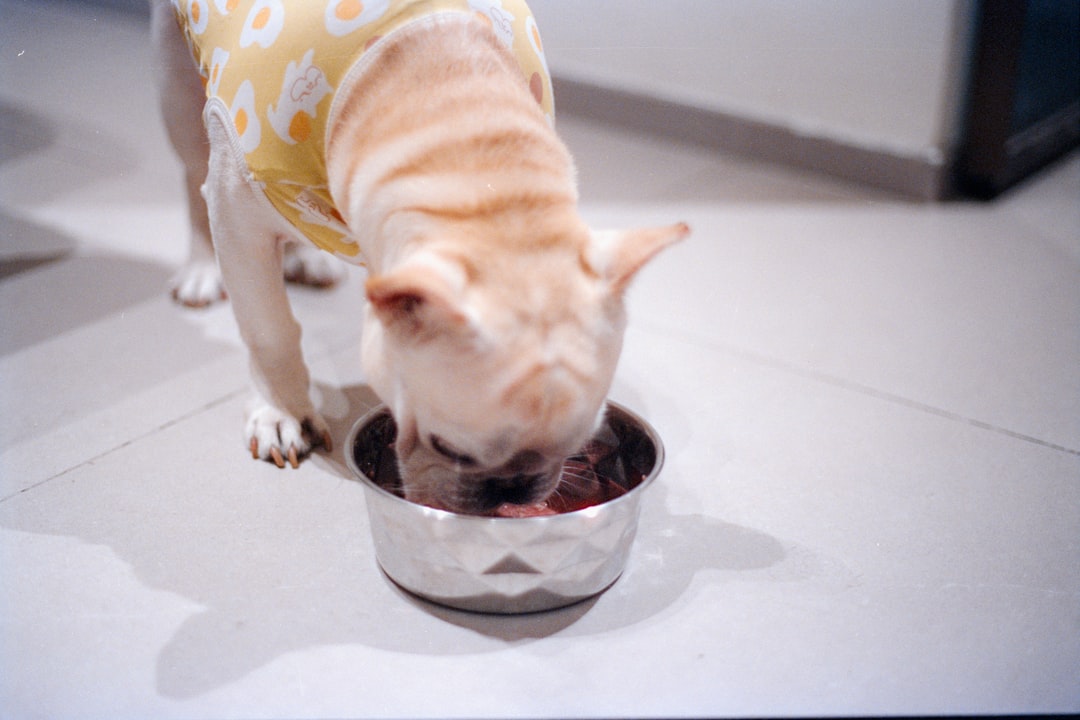
Have you ever reached for your dog's favorite chew bone, only to be met with a stiff body, a low rumble, or a sudden warning snap? It can be incredibly jarring when our sweet companions suddenly turn possessive over their belongings. Resource guarding is a common behavioral issue that many pet parents face. While it can be stressful to witness, it is entirely manageable with patience, understanding, and the right positive reinforcement approach. Let's take a look at a typical scenario where a dog might feel the need to protect their dinner.
Why It Happens
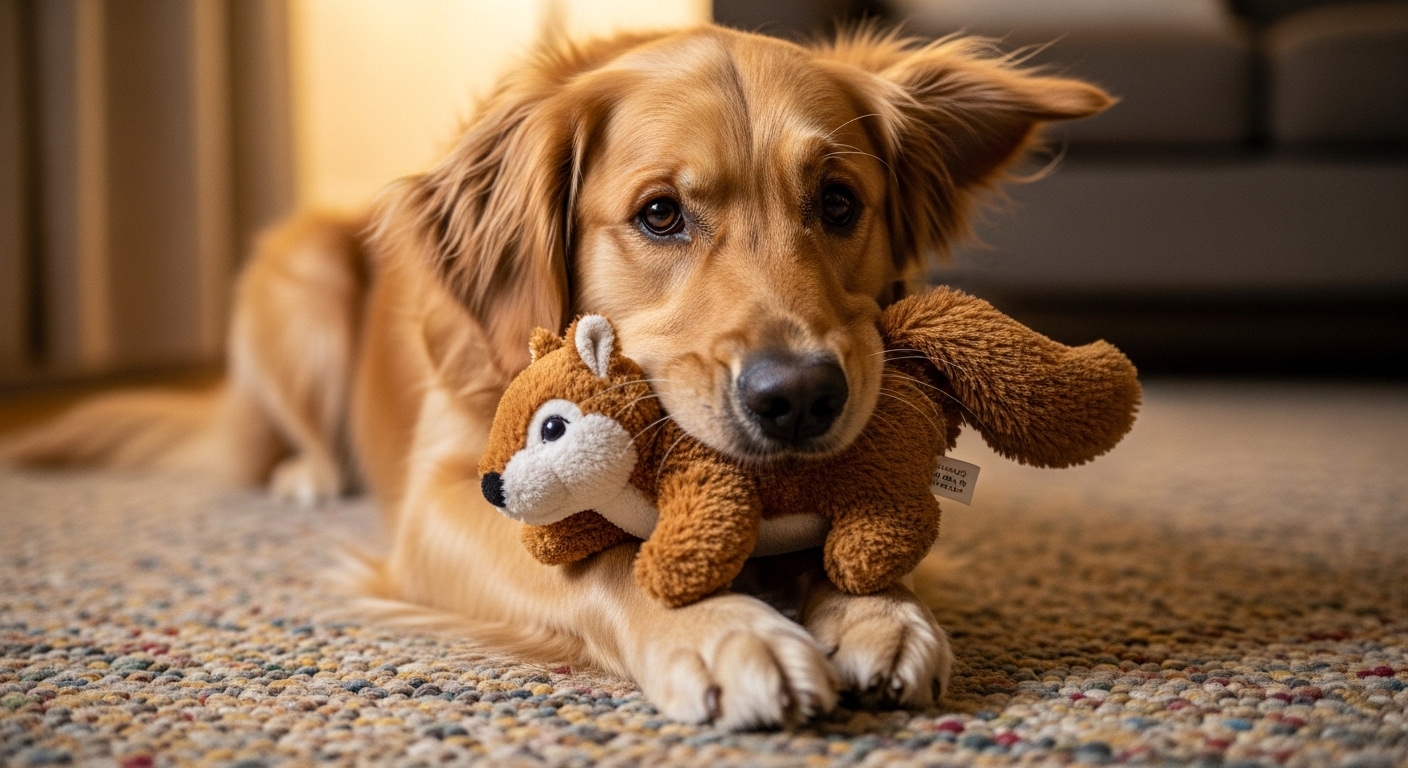
To understand resource guarding, we have to look at canine psychology. In the wild, protecting valuable resources like food, a safe resting place, or a mate was a crucial evolutionary survival tactic. Even though our domestic dogs have their needs fully met, this deep-rooted instinct can still surface. Dogs may guard anything they deem highly valuable, which often includes meals, high-value chews, toys, or even their favorite human's lap. It is not about dominance; rather, it stems from a place of insecurity and fear of losing something they love. You can often see this intense focus when a dog is holding tightly to a cherished item.
Step-by-Step Training Method
The most effective way to address resource guarding is through a combination of management and a behavioral modification technique called desensitization and counterconditioning. The goal is to change your dog's underlying emotional response so they learn that your approach means good things are happening, not that their prize is being taken away.
- Manage the environment: Prevent rehearsing the behavior by picking up high-value items when you cannot actively supervise, and feed your dog in a separate, quiet room or crate.
- Play the "Trade" game: Start with an item your dog likes but doesn't actively guard. Offer a piece of premium food in exchange for the item. When they drop it, praise them, give the treat, and then give the item back.
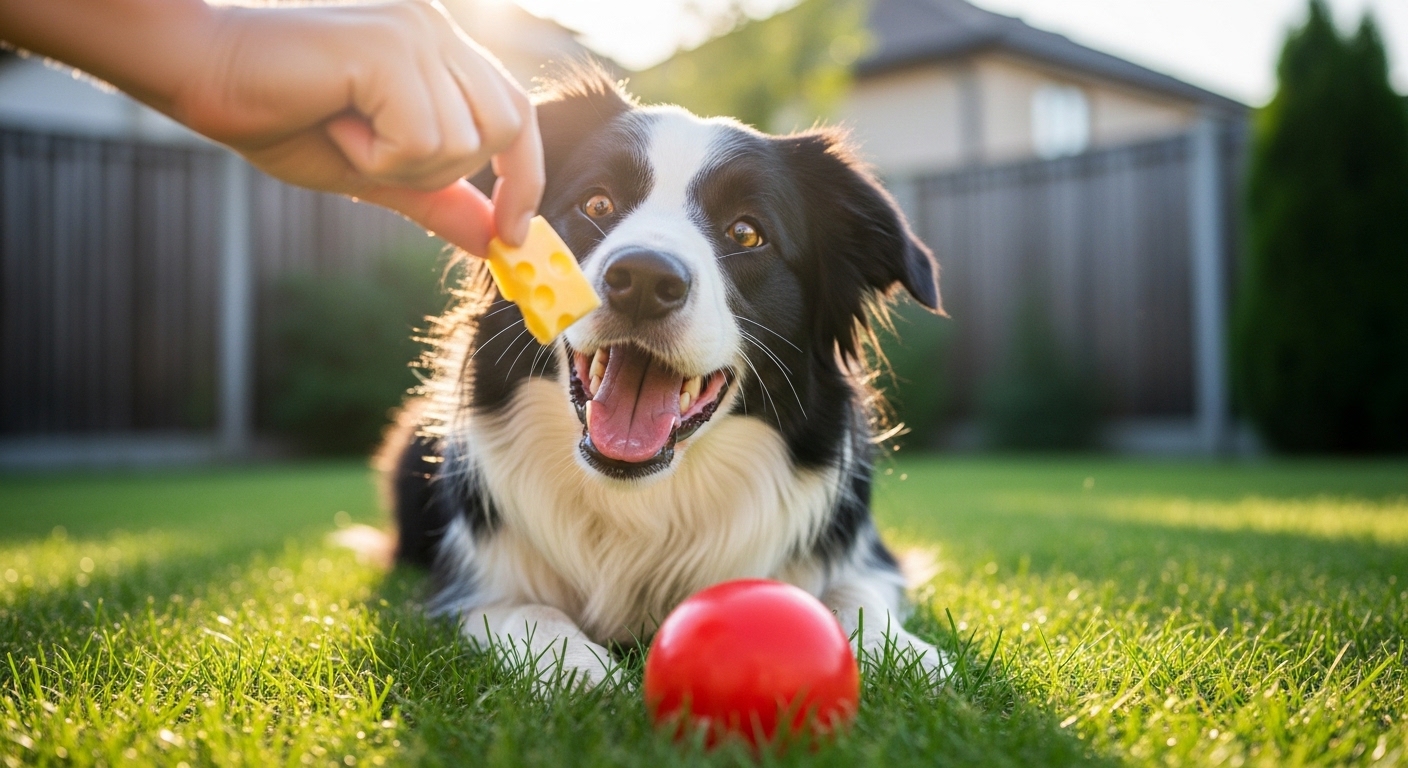
- Practice distance tossing: When your dog has a high-value chew, find the distance where they notice you but don't react. Toss a piece of roasted chicken or cheese toward them, then walk away.
- Gradually decrease distance: Over several weeks, slowly step closer before tossing the treat. If your dog stiffens or growls, you have moved too fast and need to take a step back.
It is beautiful to see the training pay off, like when a dog willingly drops a toy for a tasty reward.
Common Mistakes
When dealing with possessive behavior, human instincts can sometimes make the problem worse. Reacting with frustration or attempting to show the dog "who is boss" will often escalate the guarding behavior. To keep everyone safe and keep training on track, there are a few major pitfalls you should avoid.
- Punishing the growl: A growl is your dog's warning system. If you punish the growl, the dog may skip the warning next time and go straight to biting.
- Taking items forcefully: Forcibly removing an item from your dog's mouth confirms their fear that you are a thief, which increases their anxiety and guarding instinct.
- Messing with their food bowl: Constantly putting your hands in your dog's food while they eat is incredibly annoying to them and can actually create resource guarding where none existed before.
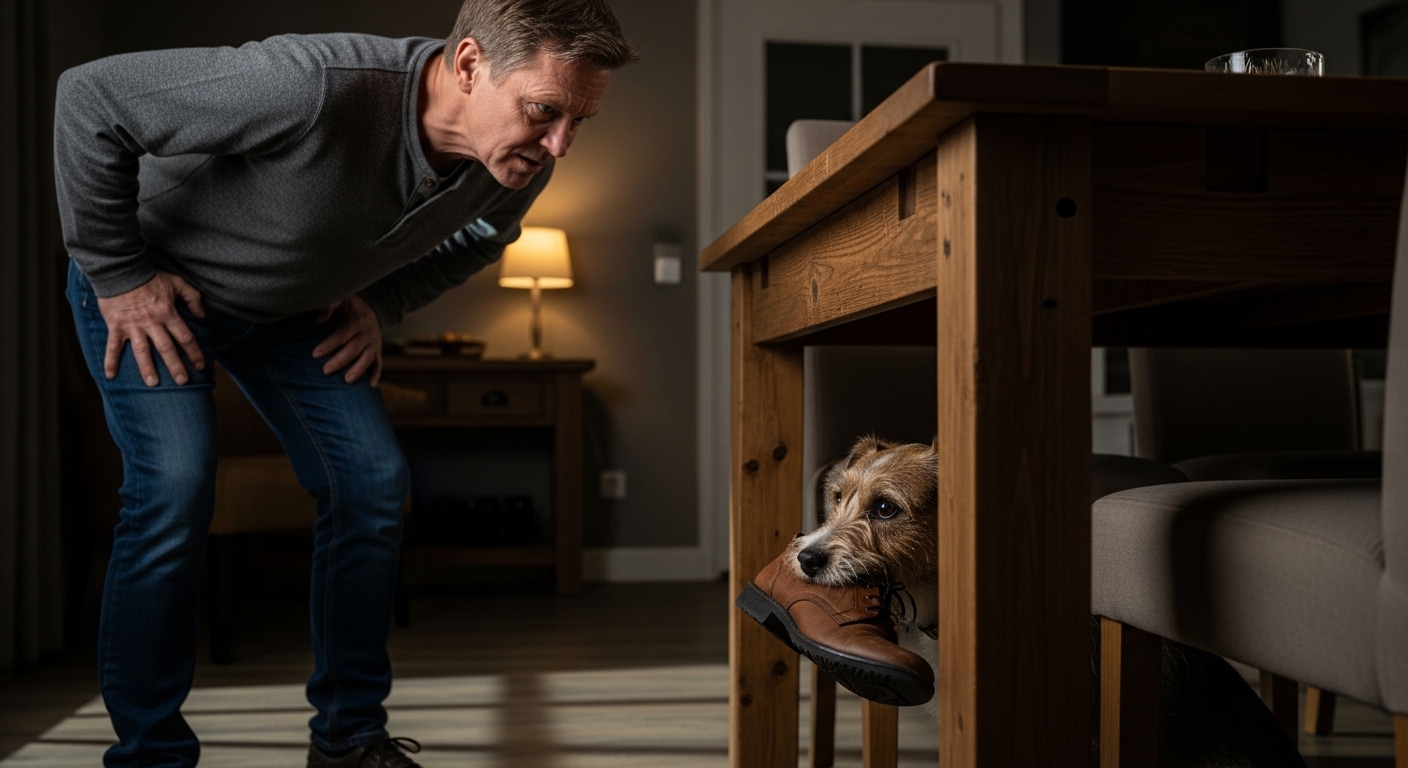
These errors can lead to stressful standoffs, much like a dog retreating under furniture to hide a stolen item.
Expert Tips
Consistency is your best friend when working through behavioral challenges. Make sure everyone in the household is on the same page and following the same protocols.
The goal of resource guarding training isn't to show your dog who is boss, but to change their emotional response so they view your approach as a positive event.
- Always use incredibly high-value treats for this specific training, such as hot dogs, plain boiled chicken, or freeze-dried liver.
- Keep training sessions very short—just two to three minutes at a time—to prevent frustration for both you and your dog.
- Respect their space and never corner a dog who is actively guarding an item.
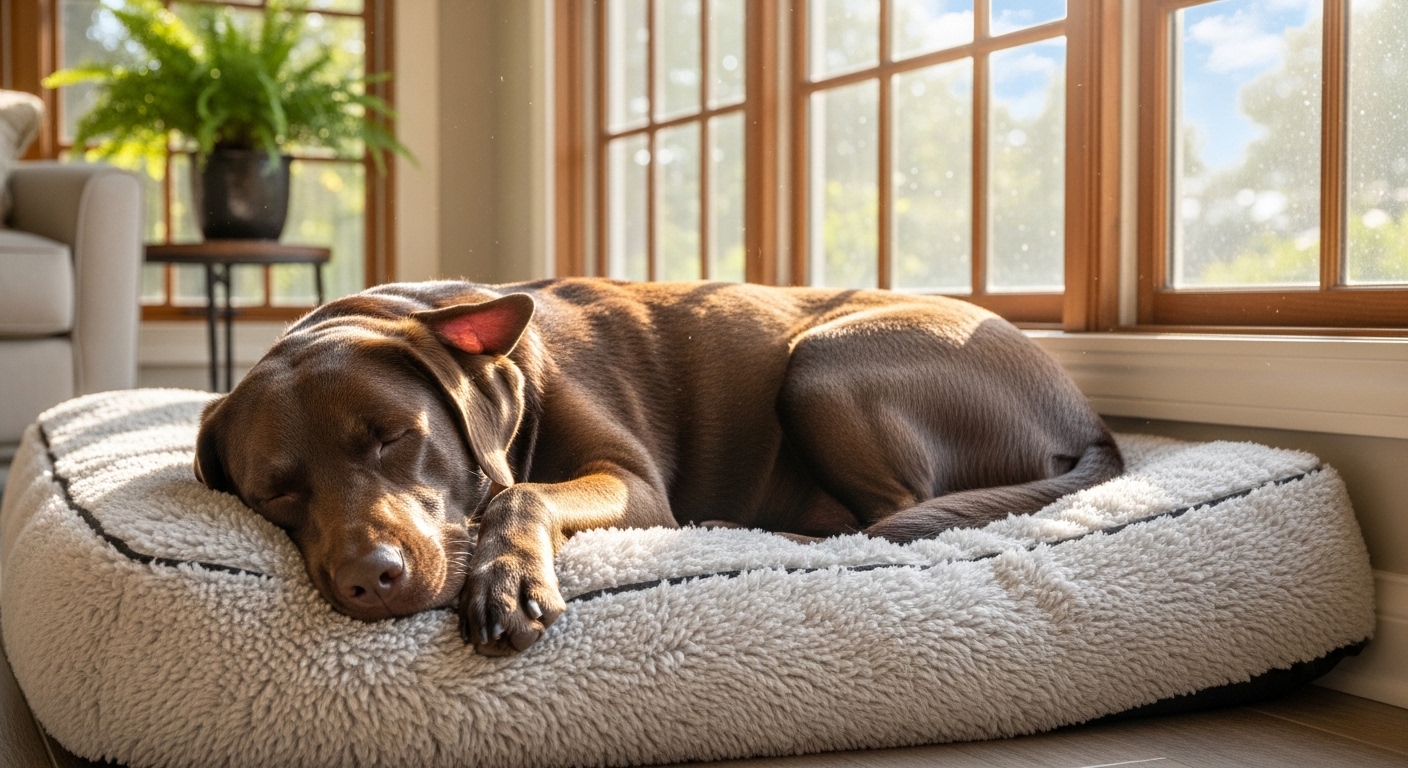
When your dog feels secure and understands that you aren't a threat to their belongings, they will eventually learn to relax comfortably without feeling the need to guard their resting spot.
When to See a Pro
If your dog's resource guarding appears suddenly out of nowhere, it may be linked to an underlying medical issue causing pain or stress. In these cases, you should always consult your veterinarian to rule out physical ailments. If your dog is a bite risk, has broken skin in the past, or if you feel unsafe at any point, it is crucial to seek help from a certified applied animal behaviorist or a force-free professional dog trainer. They can help you implement a safe, customized protocol.
Overcoming resource guarding takes time, but by respecting your dog's boundaries and using positive reinforcement, you can build a strong foundation of trust. Soon enough, you and your furry best friend will be back to enjoying stress-free adventures together.

Comments
Post a Comment