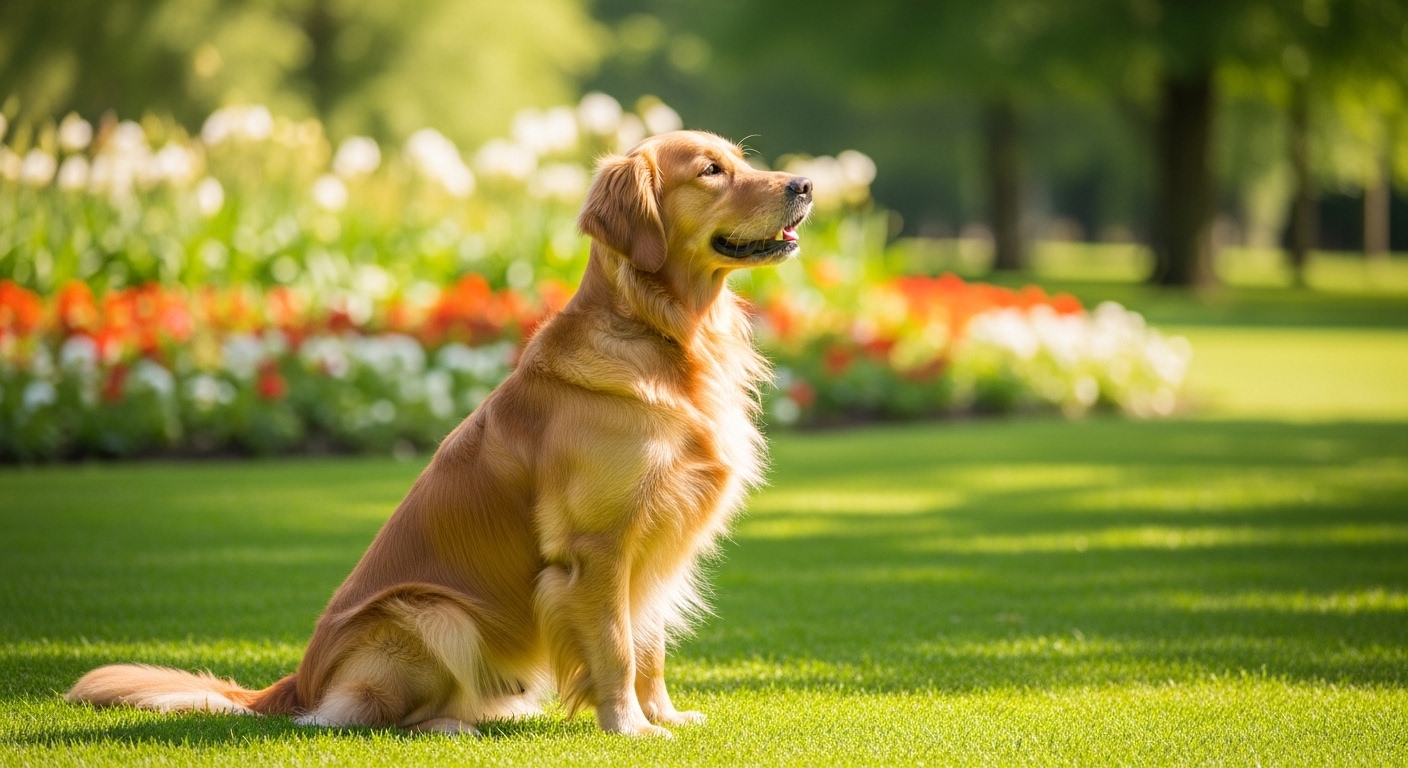
Teaching your dog to "stay" is one of the most valuable skills you can impart to your furry best friend. Not only does it make everyday life easier, but it is also a crucial safety command that can prevent your pup from dashing into dangerous situations. Building a rock-solid stay takes time, patience, and a whole lot of positive reinforcement. A well-trained dog sitting patiently in an open park is a beautiful sight, and with a little practice, your pup can master this too.
Why Dogs Struggle to Stay
To understand why teaching a dog to stay can be challenging, we have to look at their natural instincts. Dogs are highly social pack animals, meaning they are genetically wired to follow their family members. Additionally, many breeds have a high prey drive or natural curiosity that makes sitting still incredibly difficult when the world is so exciting. You might notice your dog eagerly watching your every move, naturally wanting to follow you wherever you go.

Step-by-Step Training Method
The secret to a perfect stay is mastering the "Three Ds": Duration, Distance, and Distraction. You should only ever increase one of these elements at a time. Here is how to build the behavior from the ground up:
- Start with a sit: Ask your dog to sit in a quiet, distraction-free room.
- Introduce the hand signal: Hold your hand out like a stop sign, say "stay," and wait just one second.
- Reward immediately: If they do not move, praise them enthusiastically and give a treat.
- Add a release word: Say "okay" or "free" to let them know the stay is over, tossing a treat to encourage them to move.
- Build duration first: Gradually increase the time they must stay before you release them, working up to 15 or 30 seconds.
- Add distance: Once they can stay for a longer duration, start taking one step back, returning to reward them, and slowly increasing your distance over multiple sessions.
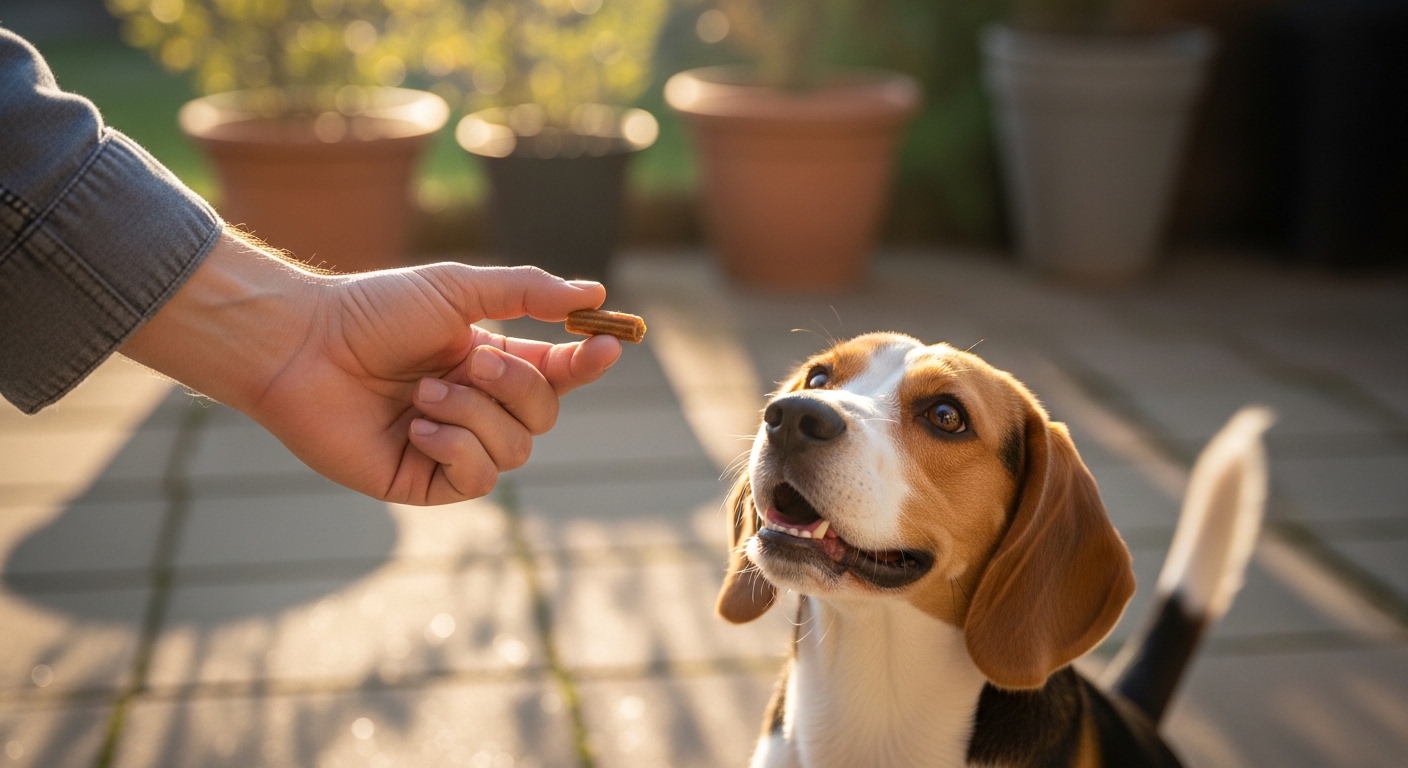
Rewarding your dog with a tasty treat the moment they hold their position reinforces this positive behavior.
Common Mistakes
Even the most dedicated pet parents can accidentally confuse their dogs during training. Avoid these frequent pitfalls to keep your progress on track:
- Rushing the process: Trying to add distance and distraction before the dog has mastered duration.
- Repeating the command: Saying "stay, stay, stay" teaches the dog that the first command does not matter.
- Forgetting the release word: If you do not clearly tell your dog when they are allowed to move, they will decide for themselves.
- Luring instead of rewarding: Holding the treat out while you walk away often causes the dog to break their stay to follow the food.
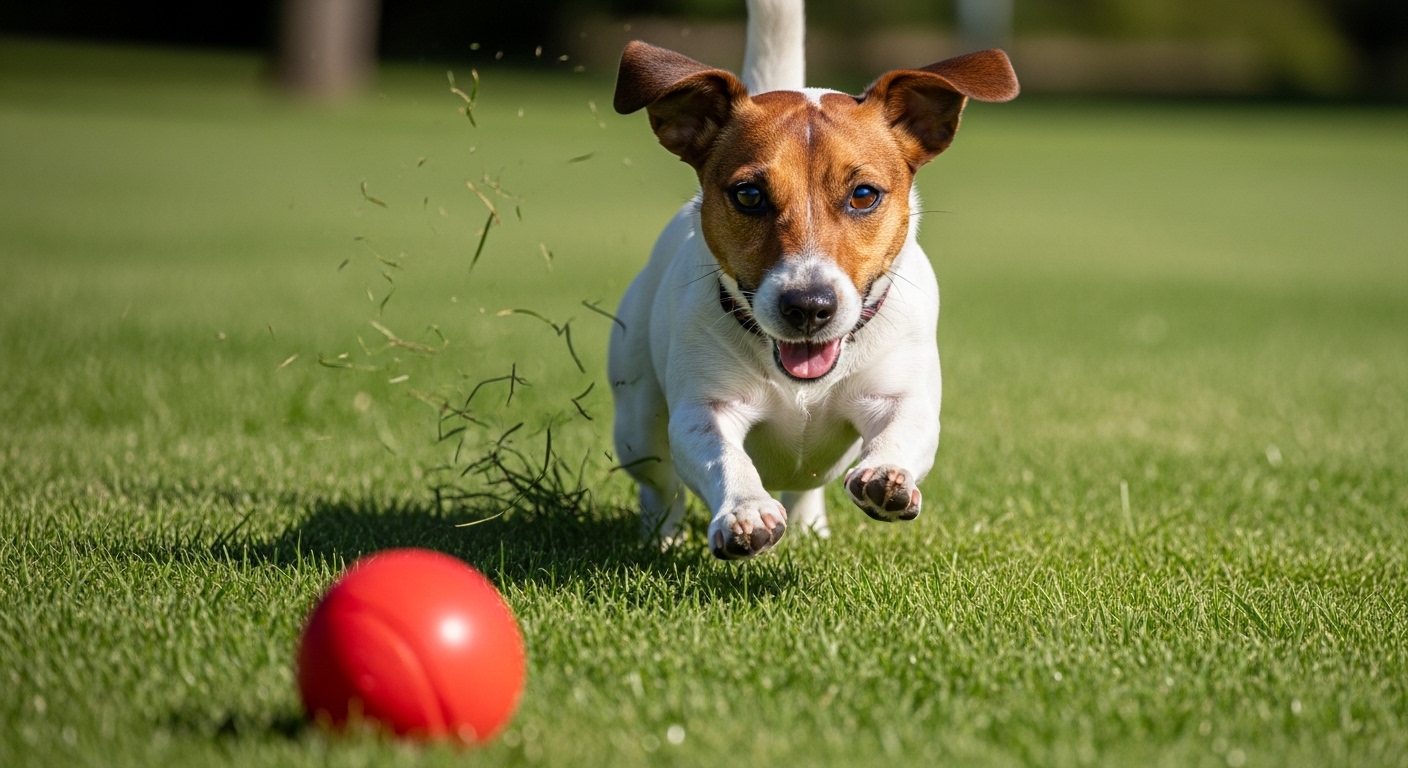
It is easy to get frustrated when a dog breaks their stay to run after a toy, but patience is key.
Expert Tips
To truly proof your dog's stay command, you need to set them up for success. Keep your training sessions short and sweet—about five to ten minutes is plenty for most dogs. Always use high-value treats like small pieces of plain chicken or cheese to keep their motivation high.
Always end your training sessions on a positive note, even if it means going back to a super easy one-second stay just so your dog can win.
Practicing in different environments, like a quiet living room before moving outdoors, sets your dog up for success.

When to See a Pro
While most dogs can learn this command at home, some situations call for professional help. If your dog suffers from severe separation anxiety, they may panic the moment you step away. In some cases, highly reactive dogs might struggle to focus enough to learn the basics. If you are feeling overwhelmed or your dog is showing signs of extreme stress, consult a certified positive reinforcement dog trainer or an animal behaviorist. They can provide a tailored plan that respects your dog's emotional needs.
Teaching your dog to stay is a journey that requires consistency, clear communication, and plenty of rewards. By respecting your dog's natural instincts and slowly building up duration, distance, and distractions, you will create a reliable behavior that keeps them safe. Remember to celebrate the small victories and enjoy the bonding experience that training provides. Soon enough, you will have a wonderfully obedient companion who can hold a perfect stay, no matter what is happening around them.

Comments
Post a Comment