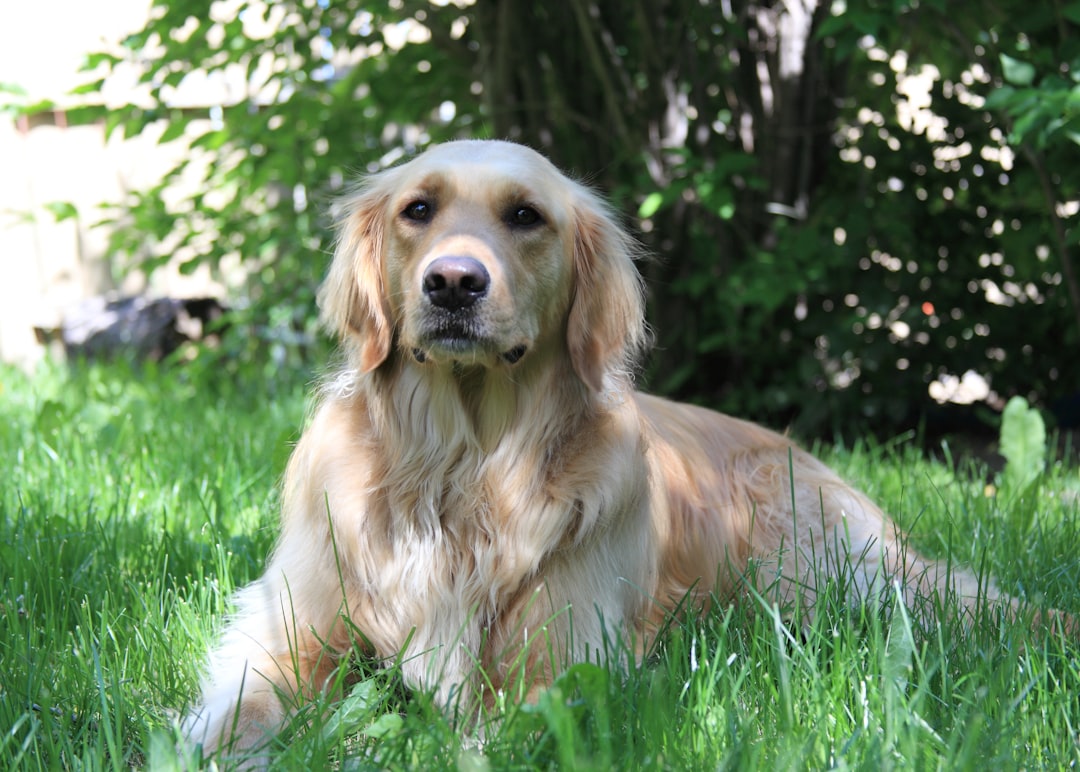
If you have ever watched your dog happily munching on the lawn, you are certainly not alone. Many pet parents find themselves confused when their carnivorous companions suddenly decide to sample the local flora. While it is a very common behavior, it can be frustrating when you are trying to maintain a nice yard or keep your pup safe from unknown plants. You might be wondering why your furry best friend is suddenly acting like a little grazing cow in the backyard.
Why It Happens
The instinct to eat grass is deeply ingrained in many dogs, and the reasons behind it can vary from pup to pup. In some cases, it is simply a matter of taste or texture. Other times, it may be linked to their physical or mental well-being. Here are a few reasons why your dog might be grazing:
- Natural Instinct: Wild ancestors of modern dogs often consumed the stomach contents of herbivorous prey, meaning plant matter has long been part of their evolutionary diet.
- Boredom or Anxiety: Dogs left alone in a yard without adequate stimulation may turn to grass-eating as a self-soothing or entertaining activity.
- Digestive Upset: In some cases, dogs may eat grass to induce vomiting if they have a mildly upset stomach, though many vets suggest this is less common than people think.
- Nutritional Needs: A lack of fiber in their regular diet might occasionally prompt a dog to seek out roughage in the form of grass.
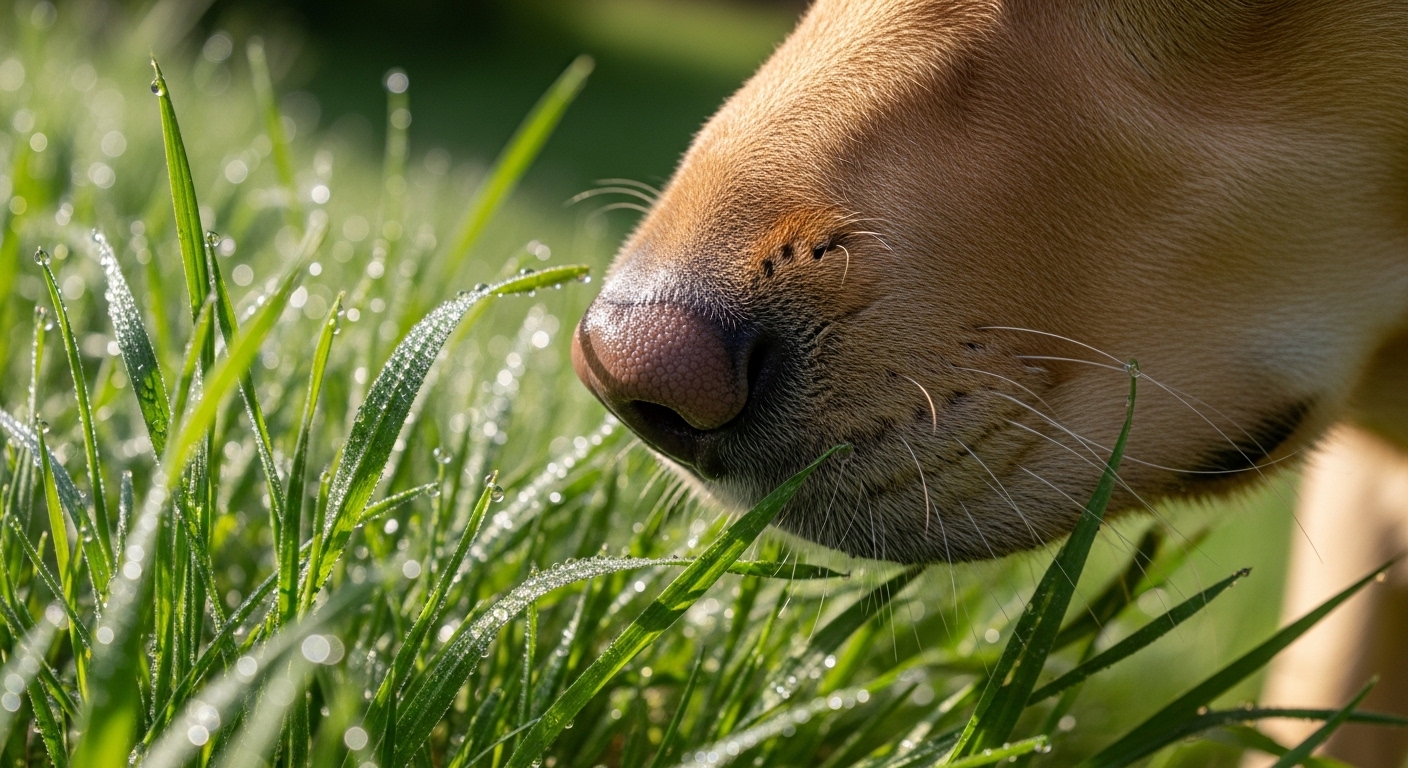
While it might seem odd, this natural behavior is often just a way for them to explore the interesting textures and scents hidden in the lawn.
Step-by-Step Training Method
If your dog's grass-eating has become an obsessive habit, redirecting their attention is the most effective way to manage it. Training them to focus on you rather than the lawn requires consistency and positive reinforcement. Follow these simple steps to help curb the grazing:
- Equip Yourself: Before heading outside, arm yourself with a clicker (if you use one) and a pouch full of high-value, strong-smelling treats that your dog absolutely loves.
- Supervise and Anticipate: Keep your dog on a leash even in your own yard at first. Watch their body language closely so you can intervene the moment they lower their head to nibble.
- Use the "Leave It" Cue: As soon as your dog goes for the grass, firmly but calmly say "Leave it."
- Reward the Redirection: The second your dog looks away from the grass and makes eye contact with you, praise them enthusiastically and offer a treat.
- Engage in Play: Immediately follow up the treat with a fun game of tug or fetch to show them that interacting with you is much more rewarding than eating weeds.
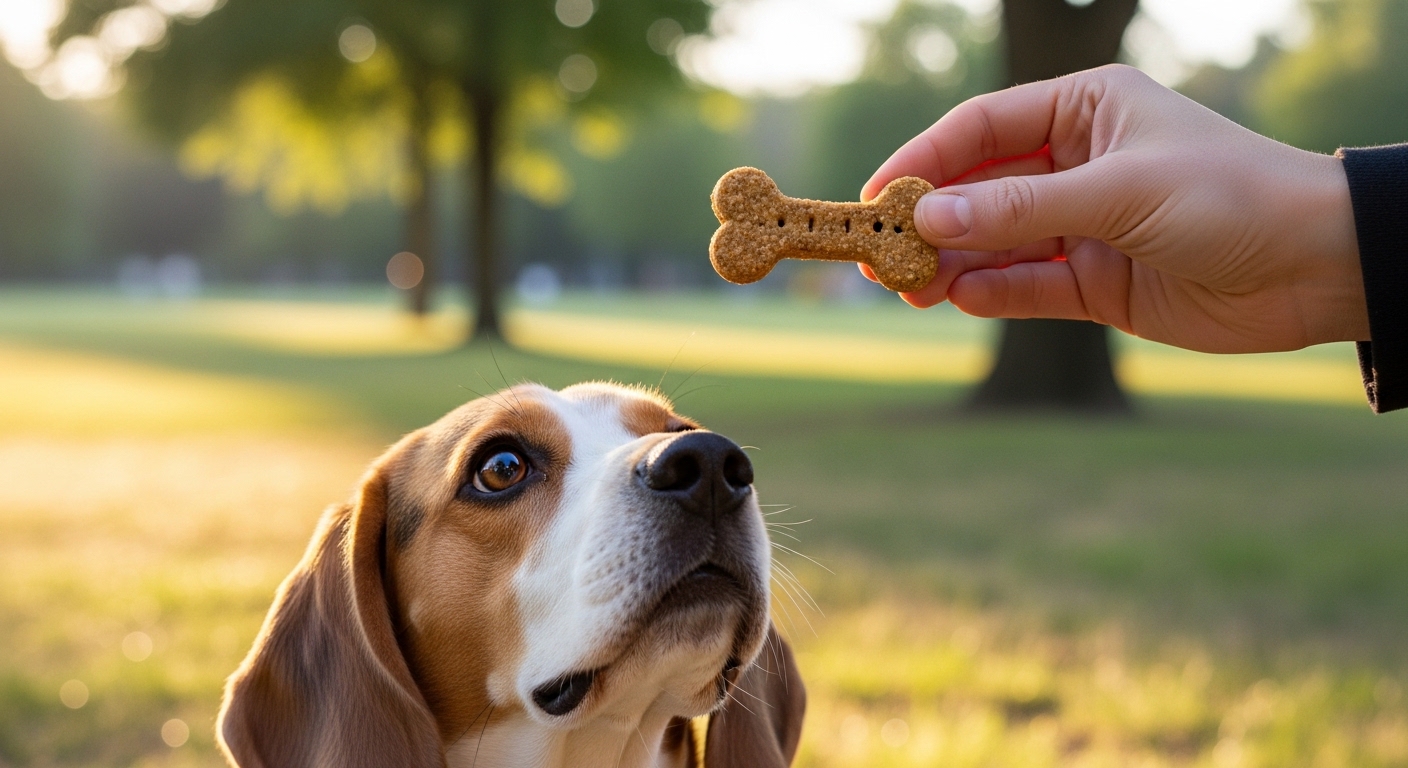
Having a handful of high-value treats ready is the perfect way to capture your dog's attention when they start pulling up clumps of turf.
Common Mistakes
When trying to stop a dog from eating grass, it is easy to accidentally reinforce the behavior or create unnecessary stress. Avoid these common pitfalls to ensure your training remains effective and positive:
- Yelling or Punishing: Scolding your dog can increase anxiety, which may actually cause them to eat more grass as a nervous habit.
- Pulling the Leash: Yanking your dog away from the grass can turn the situation into a game of tug-of-war or cause neck strain.
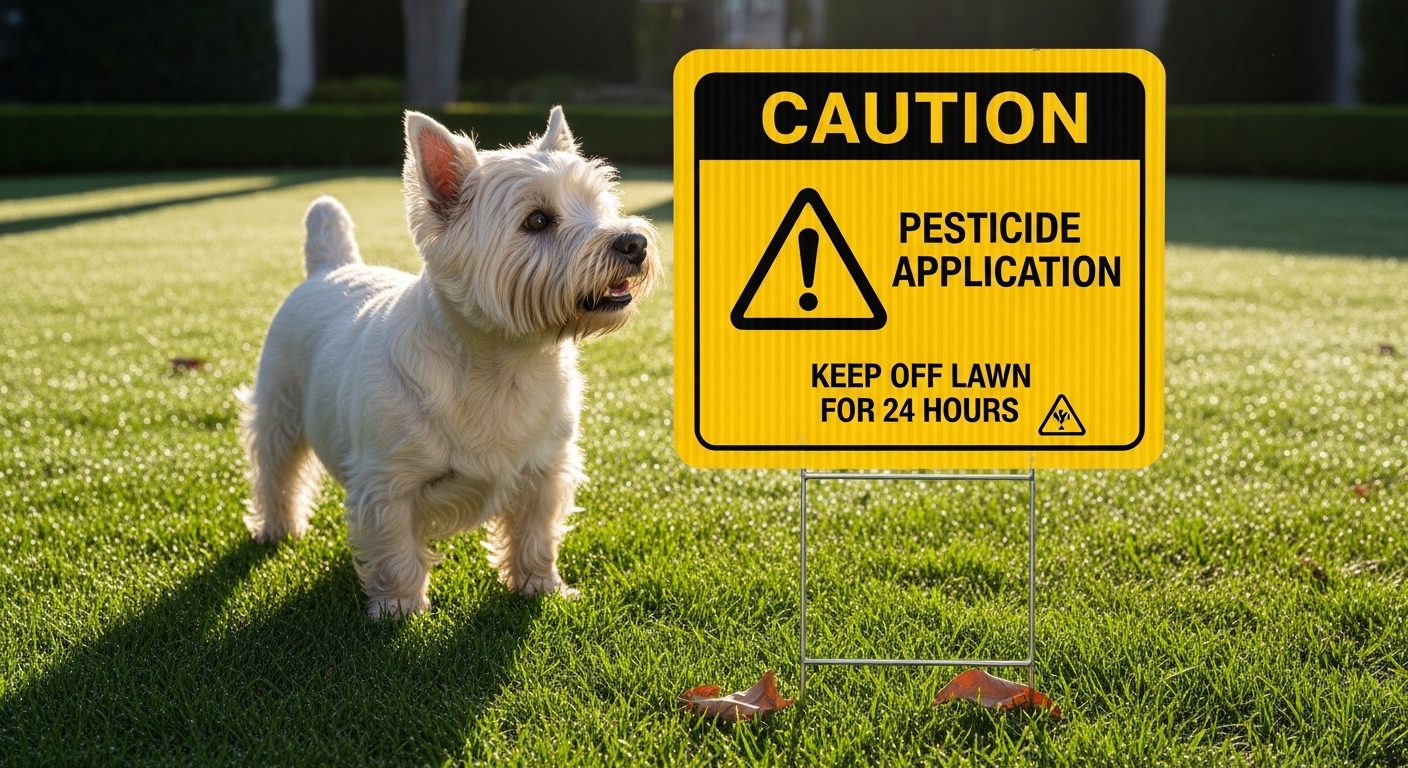
- Ignoring Chemical Dangers: Never assume public grass is safe; many areas are treated with chemicals that can be harmful if ingested.
It is especially important to avoid letting them graze in unknown areas, as you never know if the neighborhood park has been recently sprayed with harsh fertilizers or weed killers.
Expert Tips
Beyond active training, managing your dog's environment and daily routine can significantly reduce their desire to graze. Ensuring they have plenty of physical exercise and mental enrichment is often half the battle.
Providing safe, dog-friendly alternatives like pet grass grown indoors can satisfy their natural craving for greens without the risks associated with outdoor lawns.
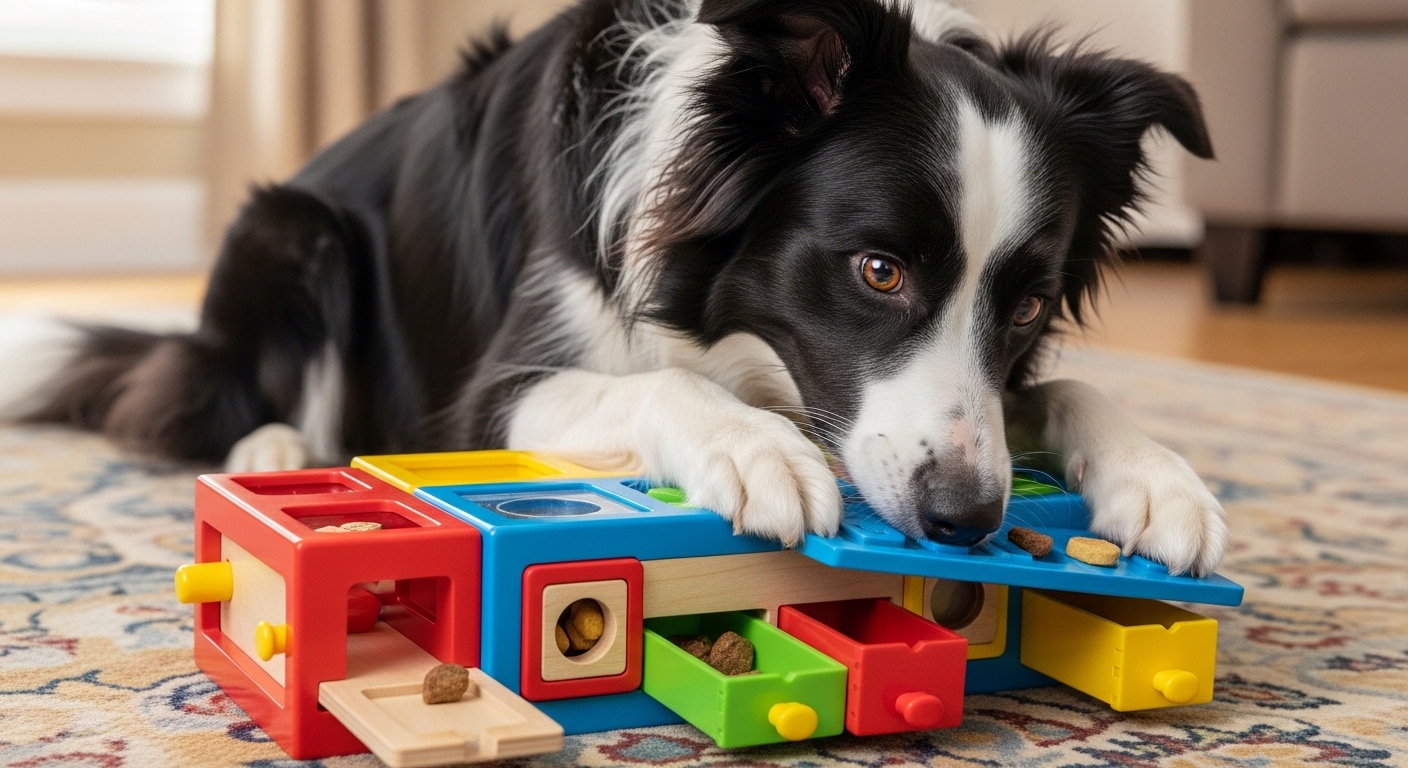
Additionally, consider evaluating their diet. If you suspect they need more fiber, consult your veterinarian about safe ways to introduce dog-friendly vegetables like steamed green beans or plain pumpkin into their meals. Offering a mentally stimulating puzzle toy can easily distract them from their landscaping habits and keep their brains happily engaged.
When to See a Pro
While occasional grass-eating is generally considered normal, there are times when it may indicate an underlying issue that requires professional attention. If your dog's grazing becomes frantic, obsessive, or is accompanied by other worrying symptoms, it is time to seek help. Watch out for signs such as repeated vomiting, diarrhea, lethargy, weight loss, or a sudden refusal to eat their normal dog food. If you notice any of these worrying signs, always consult your veterinarian to rule out any underlying medical issues.
Understanding why your dog eats grass is the first step toward managing the behavior. By utilizing positive redirection, ensuring their nutritional needs are met, and keeping them mentally stimulated, you can easily turn a frustrating habit into a great training opportunity. With a little patience and the right redirection techniques, your pup will soon prefer their favorite toys over a mouthful of backyard weeds.
Comments
Post a Comment