You call your cat's name. She opens one eye, stares directly at you, and closes it again. You were not imagining that — she heard you perfectly. A 2013 study from the University of Tokyo confirmed that cats can recognize their owner's voice but frequently choose not to respond to it. That distinction matters more than most people realize, because it reframes the whole question. Your cat is not ignoring you out of indifference. She is making a deliberate social calculation, and understanding that calculation is the first step toward actually bonding with her on her terms.
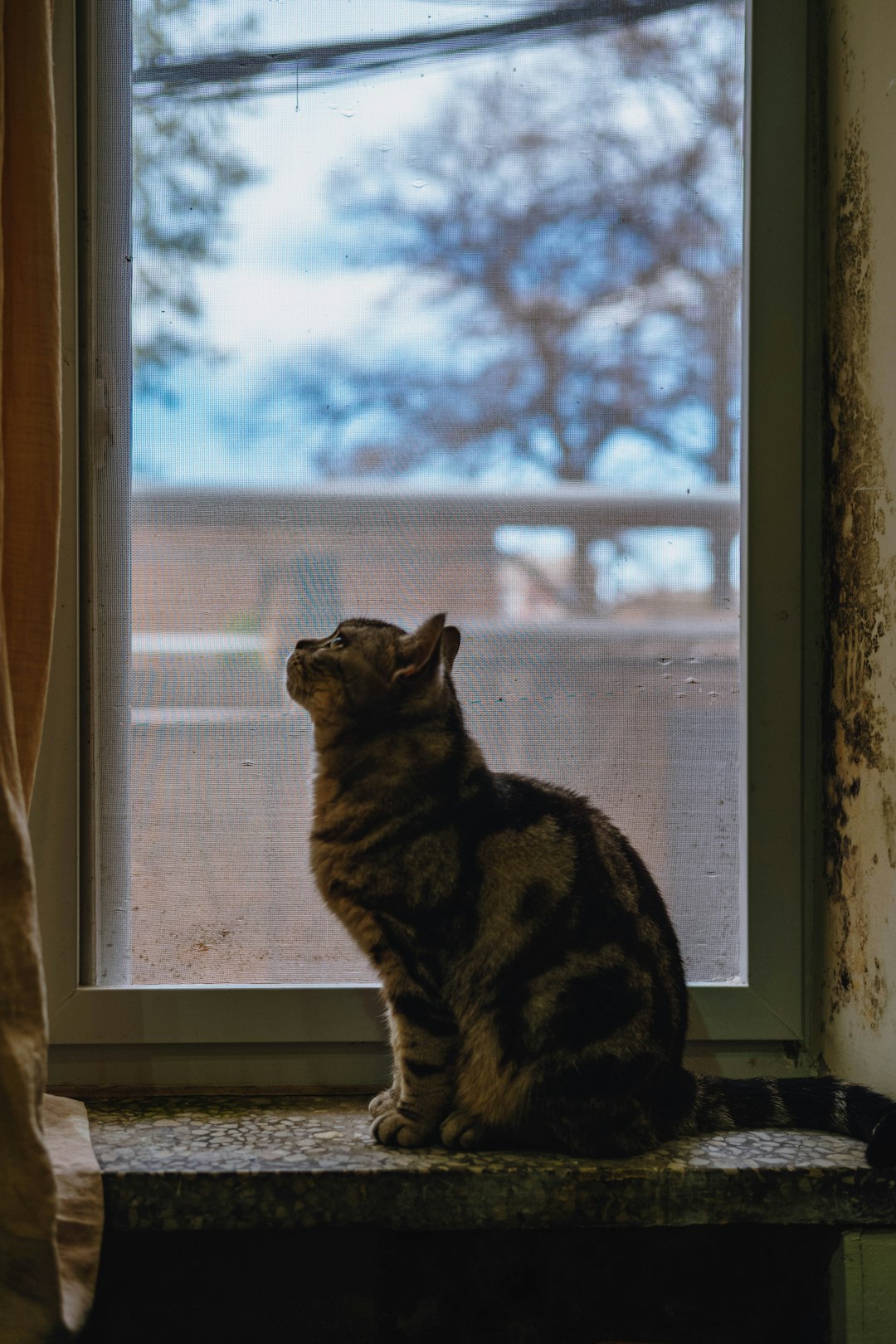
Why It Happens: The Science Behind Feline Selective Attention
Cats are not domesticated in quite the same way dogs are. Dogs were selectively bred over thousands of years to read human social cues and respond to them eagerly. Cats, by contrast, largely domesticated themselves — they moved toward human settlements because grain stores attracted rodents, and the relationship was mutually convenient rather than deeply co-evolved. That evolutionary background still shapes how your cat processes social interaction today.
The feline brain is wired for independence. In the wild, cats are solitary hunters who do not rely on group coordination to survive, which means reading and responding to another creature's emotional signals was never a survival priority. Your cat's selective attention is not a personality flaw. It is an ancient operating system running exactly as designed.
There is also a stress-response angle worth knowing. Cats are prey animals as well as predators, so they are constantly monitoring their environment for threats. When a cat appears to ignore you, she may actually be in a low-level alert state — processing sounds, scents, and movement before deciding whether social engagement is safe or worthwhile. Forcing interaction during that window tends to backfire badly, something most new cat owners learn the hard way after a scratched hand or two.
Cats do not ignore you because they dislike you. They ignore you because their social rules are simply different from a dog's — and from yours.

Step-by-Step: How to Build a Real Bond with Your Cat
Bonding with a cat requires a different mindset than bonding with a dog. The goal is not to get your cat to come to you on command — it is to make yourself the most interesting and safe presence in her environment, consistently, until she starts seeking you out voluntarily. That shift can take weeks or months depending on the cat's history and temperament.
Start with these steps in order:
- Let her initiate first contact. Sit on the floor near her favorite spot and read a book, scroll your phone, do anything that signals you are not focused on her. Many cats will approach within minutes once the pressure is off.
- Offer your hand at her nose level. Let her sniff before you reach to pet. If she rubs her face against your hand, that is a green light. If she pulls back, respect it and try again later.
- Learn her preferred touch zones. Most cats enjoy the base of the ears, under the chin, and along the cheek. The belly is almost always a trap, no matter how invitingly she rolls over.
- Use slow blinking deliberately. Make eye contact, then slowly close and open your eyes. This is a recognized feline signal of relaxed trust. Many cats will slow-blink back, which is genuinely one of the more rewarding moments in cat ownership.
- Establish a consistent routine. Feeding, play sessions, and quiet time at predictable intervals help your cat build a mental map of you as a reliable, non-threatening presence.
- Use wand toys, not your hands. Interactive play is one of the fastest bonding tools available, but using your fingers as toys teaches her that hands are prey — a habit that is genuinely difficult to undo later.
Progress will not be linear. Some days she will sit on your lap for an hour. The next morning she may walk past you like you are furniture. That inconsistency is normal, not a sign that the bonding is failing.

Common Mistakes That Make Cats Pull Away
Most people who feel their cat ignores them are accidentally reinforcing the very behavior they want to change. The mistakes tend to cluster around one core error: treating the cat like a dog.
- Calling her name repeatedly when she does not respond — this trains her that her name is background noise.
- Picking her up without reading her body language first, which many cats experience as a loss of control and find genuinely stressful.
- Staring directly at her for extended periods, which in feline body language reads as a challenge rather than affection.
- Punishing her for not responding — this creates negative associations with your presence and makes bonding significantly harder.
- Overstimulating her during petting sessions and missing the early warning signs: tail flicking, skin rippling, ears rotating backward.
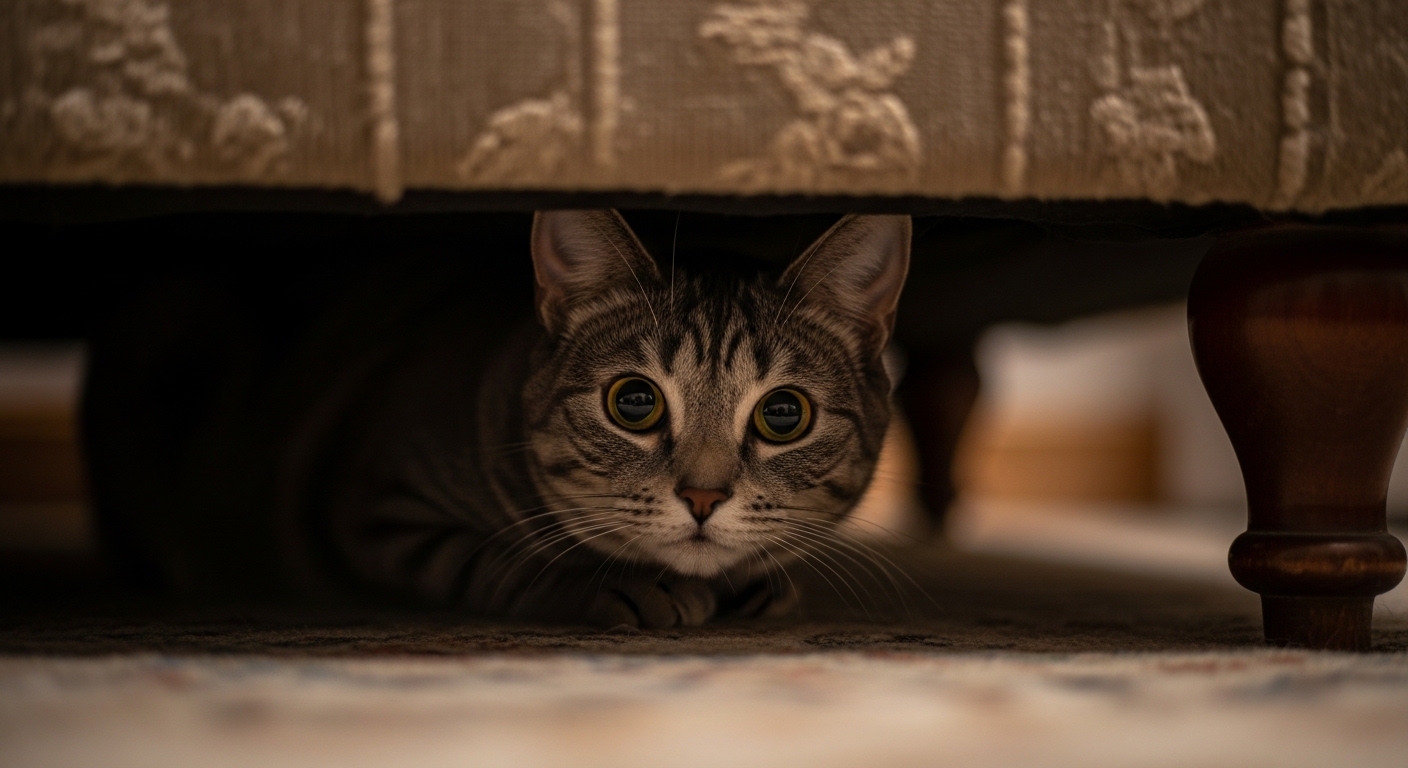
One pattern that comes up often among new cat owners is the impulse to comfort a hiding cat by reaching into her hiding spot. It feels kind. To the cat, it removes the one place she felt safe. Giving her space when she retreats is almost always the more effective choice, even when it feels counterintuitive.
Expert Tips for Cats Who Seem Especially Aloof
Some cats are genuinely more independent than others — breed plays a role, but early socialization history matters far more. A cat who had limited positive human contact before twelve weeks of age may never become a lap cat, and accepting that honestly saves a lot of frustration for both of you.
That said, there are a few approaches many experienced cat owners and behaviorists suggest for particularly reserved cats:
- Scent swapping. Rub a soft cloth on your hands and leave it near her sleeping spot. Letting her get used to your scent without any social pressure can lower her baseline wariness over time.
- High-value treat associations. Reserve one specific treat — something she goes genuinely wild for — exclusively for moments when she approaches you voluntarily. The association builds faster than most people expect.
- Feliway or similar pheromone diffusers. Many vets suggest these for anxious cats, and while results vary, some owners report a noticeable reduction in avoidance behavior within a few weeks.
- Vertical space. Cats feel safer when they can observe from height. A cat tree or wall-mounted shelves near where you spend time may encourage her to hang out in the same room, which is genuinely the first stage of bonding.
The cats who eventually become the most devoted companions are often the ones who took the longest to come around. Slow progress is still progress.

When to See a Professional
If your cat's avoidance is sudden and represents a clear change from her normal behavior, that warrants a veterinary visit before anything else. Pain, illness, and sensory decline — particularly hearing loss in older cats — can all present as apparent indifference or withdrawal. Consult your veterinarian if you notice any abrupt shift in social behavior, especially combined with changes in appetite, litter box habits, or grooming.
For cats with a history of trauma or severe anxiety that does not improve with environmental adjustments, a veterinary behaviorist or a certified cat behavior consultant may be helpful. These are not the same as a general trainer — feline behavior is a specific specialty, and the approaches used for dogs rarely translate directly.
Frequently Asked Questions
Does my cat actually know my name for her?
Research suggests cats can learn to associate specific sounds with themselves, but whether they understand it as a "name" in the way humans do is less clear. What is more reliably true is that cats learn which sounds predict something relevant to them — food, play, or your arrival home — and respond to those more consistently than to their name alone.
Is it normal for a cat to ignore me but be affectionate with strangers?
Counterintuitively, yes. Strangers often do not make direct eye contact, do not call the cat over, and generally ignore her — which is exactly the low-pressure approach that many cats find appealing. Your cat may actually be more comfortable with you than she appears; she just does not feel the need to perform that comfort the way a dog would.
How long does it take to bond with a new cat?
There is no reliable timeline. Some cats settle in within days; others may take six months to a year before they actively seek out your company. Rescue cats with unknown histories and cats adopted as adults generally take longer than kittens. Consistency and patience matter more than any specific technique.
Living with a cat who seems indifferent can be genuinely frustrating, especially if you grew up with dogs or had a previous cat who was more openly affectionate. The adjustment is real. But most cats who appear aloof are simply operating on a different social frequency — one that rewards patience and calm presence rather than enthusiasm. Keep showing up, keep the pressure low, and let her set the pace. You may find that one morning she simply walks over and sits on your feet, as if she had always planned to do exactly that.
Comments
Post a Comment