A neighbor once told me her outdoor cat lived to 19 years old, roaming freely and never once visiting a vet for anything serious. Another friend lost her outdoor cat to a car at age three. Both stories are true, and both matter when you are trying to decide how your cat should live. The indoor vs. outdoor debate is not a simple one — it involves lifespan statistics, behavioral needs, safety risks, and the very real question of what kind of life a cat actually wants versus what keeps them alive longest. There is no universally correct answer, but there are trade-offs worth understanding clearly before you make the call.
Quick Comparison Table
Before diving into the details, here is a side-by-side look at the core differences between indoor and outdoor lifestyles across the categories that matter most to cat owners.
| Category | Indoor Cat | Outdoor Cat |
|---|---|---|
| Average Lifespan | 12–18 years | 2–7 years (varies widely) |
| Physical Safety | High — protected from traffic, predators | Low to moderate — multiple hazards |
| Mental Stimulation | Requires active owner effort | Naturally high from environment |
| Disease Exposure | Very low | High — FIV, FeLV, parasites |
| Behavioral Outlets | Limited without enrichment | Abundant — hunting, climbing, roaming |
| Wildlife Impact | None | Significant — birds, small mammals |
| Owner Monitoring | Easy — cat always visible | Difficult — whereabouts unknown |
| Vet Costs (avg.) | Generally lower over time | Often higher due to injuries/illness |

The Indoor Cat Deep Dive
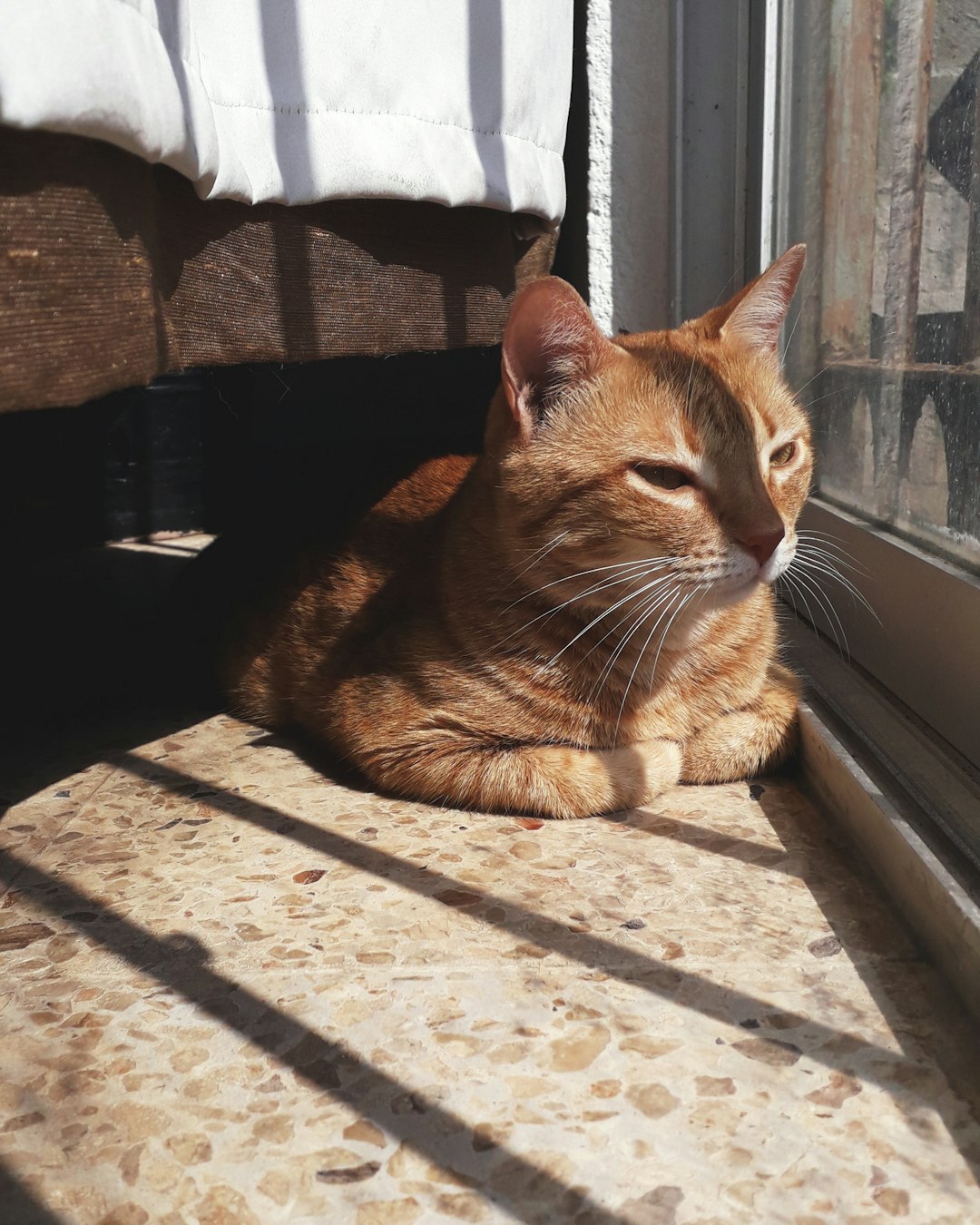
Keeping a cat exclusively indoors is the choice most veterinarians lean toward, and the lifespan numbers make the case pretty bluntly. Indoor cats may live anywhere from 12 to 18 years on average, while outdoor cats face a dramatically shortened window — sometimes as few as two to five years in high-traffic urban areas. The risks outside are not abstract: cars, dogs, territorial fights, toxic plants, and exposure to diseases like feline leukemia virus (FeLV) and feline immunodeficiency virus (FIV) are all genuinely common causes of early death.
That said, indoor life is not automatically a paradise. Boredom is real. A cat left alone in a small apartment with nothing but a food bowl and a couch will often develop behavioral problems — excessive grooming, aggression, or compulsive eating. Many owners underestimate how much daily interactive play a cat actually needs, and then wonder why their cat is knocking things off shelves at 2 a.m. That is not mischief. That is an understimulated predator doing the only thing available to it.
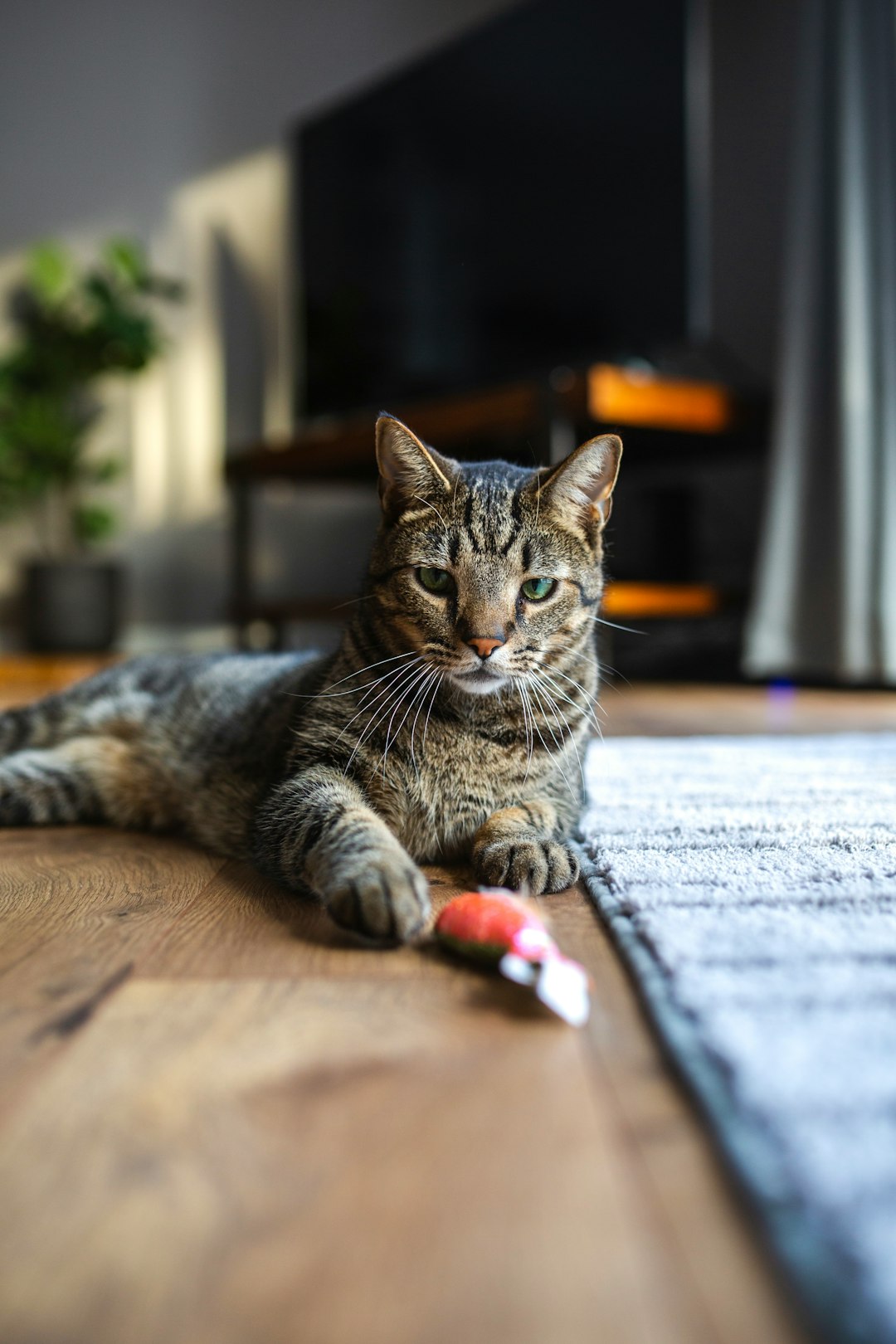
Enrichment for indoor cats requires genuine effort and consistency. The good news is that it does not have to be expensive or complicated. Rotating toys, puzzle feeders, window perches with bird feeders placed outside, and at least two dedicated play sessions per day can make a significant difference in a cat's mental state. Vertical space matters too — cats are climbers by instinct, and a multi-level cat tree is not a luxury item for an indoor cat. It is closer to a necessity.
Key takeaway: Indoor cats live longer on average, but that longer life needs to be actively enriched — a safe environment alone is not enough to keep a cat mentally healthy.
Weight management is another honest challenge. Indoor cats tend to be less active than their outdoor counterparts, and obesity in cats may contribute to joint problems, diabetes, and other health issues over time. Portion control and food puzzles can help, but it takes discipline on the owner's part — especially when a cat is staring at you with apparent existential despair at 5 p.m., demanding a second dinner.
The Outdoor Cat Deep Dive
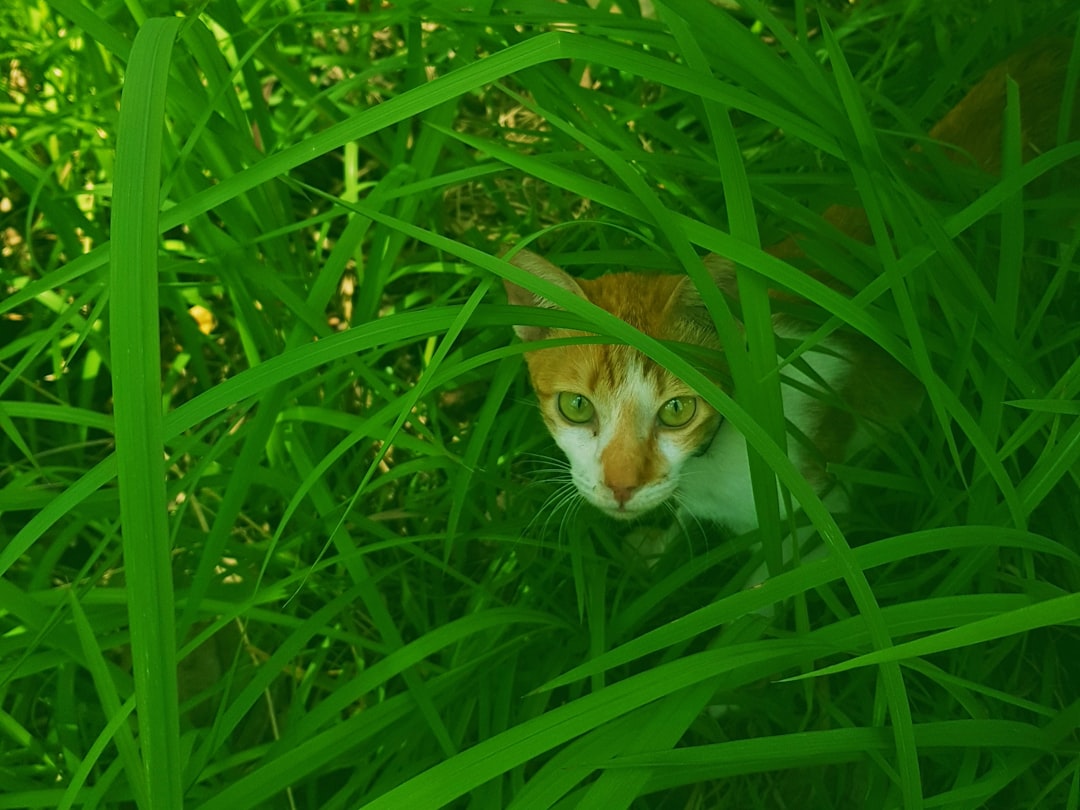
Outdoor cats get to be cats in the most instinctively complete sense. They hunt, patrol territories, climb trees, roll in dirt, and engage with a constantly changing sensory environment that no amount of indoor enrichment can fully replicate. For cats with strong prey drives or high energy levels, this matters. Some cats — particularly those who were born outdoors or adopted as adults with outdoor experience — may show genuine signs of frustration or distress when confined inside permanently.
The behavioral benefits are real. Outdoor cats tend to be less prone to boredom-related destructive behavior, and they often self-regulate their activity levels in ways that keep them leaner and more physically fit. They are also, frankly, more independent — which suits some owners and some cats very well.
But the risks stack up fast. Beyond cars and predators, outdoor cats face exposure to pesticides and rodenticides (often ingested through prey), fights with other cats that can transmit serious diseases, and parasites like fleas, ticks, and intestinal worms that require ongoing prevention and treatment. Vet bills for outdoor cats can accumulate quickly — abscesses from fight wounds alone can be surprisingly expensive and recurring. There is also the wildlife impact to consider honestly: domestic cats are estimated to kill billions of birds and small mammals annually in the U.S. alone, which is an ecological reality that some owners choose to factor into their decision.
Microchipping and up-to-date vaccinations are non-negotiable for outdoor cats, and many vets recommend keeping them current on flea, tick, and parasite prevention year-round. Even with all precautions, you will spend more time not knowing where your cat is — which is its own kind of low-grade stress for many owners.
Which Is Right for You?
The honest answer depends on several overlapping factors: where you live, what your cat's history and temperament are, and how much time and effort you can realistically commit to enrichment or veterinary care.
An indoor lifestyle tends to work best when:
- You live in an urban or suburban area with heavy traffic nearby.
- Your cat was raised indoors from kittenhood and shows no strong drive to escape.
- You have the time and willingness to provide daily interactive play and environmental enrichment.
- You have other pets or young children whose routines benefit from a predictable, contained cat.
- Local wildlife conservation is a priority for you.
An outdoor or partially outdoor lifestyle may be more appropriate when:
- You live in a rural area with low traffic and fewer urban hazards.
- Your cat was previously outdoor or feral and shows persistent stress when confined.
- You can commit to full vaccination schedules, microchipping, and regular parasite prevention.
- Your cat has a high prey drive and shows behavioral signs of frustration indoors despite enrichment efforts.
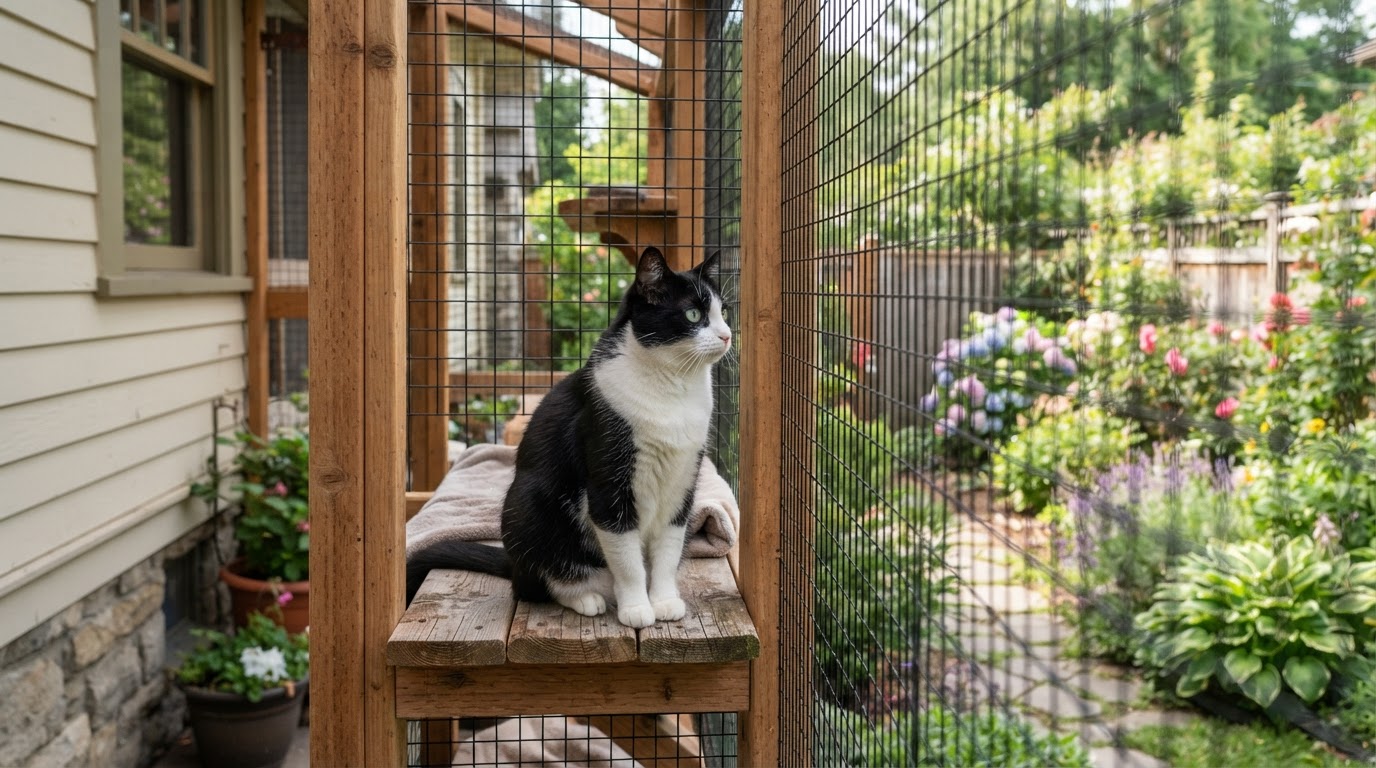
A middle-ground option that many owners find genuinely works well is supervised outdoor access — a secured 'catio' enclosure, a leash-trained walk routine, or a cat-proofed garden. It is more setup work upfront, but it gives cats meaningful outdoor exposure without the full risk profile of free roaming. Leash training a cat takes patience and starts best when they are young, but adult cats can learn it too — just expect the process to take several weeks and involve a fair amount of sitting in the driveway while your cat investigates a single pebble for four minutes.
Real Owner Reality: Many owners who transition an outdoor cat to indoor-only life report a difficult adjustment period of two to six weeks — increased vocalization, door-darting, and general irritability. It usually settles, but it is not always a smooth process, and having realistic expectations helps.
Frequently Asked Questions
Can an indoor cat be happy without ever going outside?
Many indoor cats live full, content lives without outdoor access — but it requires consistent effort from their owners. Daily play sessions, vertical climbing space, window views, and mental stimulation through puzzle feeders can go a long way toward meeting a cat's behavioral needs. Some cats are genuinely unbothered by indoor life; others need more active management to stay mentally balanced. Knowing your individual cat's temperament matters more than any general rule.
Is it cruel to keep a cat indoors?
This question comes up often, and the short answer is: not inherently, no. Cruelty would be confinement without stimulation, social interaction, or care. A well-enriched indoor environment with attentive ownership is not deprivation — it is a different kind of life, one that many cats adapt to well and that statistically results in longer, healthier lives. That said, forcing a cat with a strong outdoor history into permanent indoor confinement without addressing its behavioral needs can cause real stress, so context always matters.
What vaccinations does an outdoor cat need?
Outdoor cats generally need more comprehensive vaccination coverage than indoor-only cats. Many vets recommend that outdoor cats stay current on rabies, feline distemper (FVRCP), FeLV (feline leukemia), and in some regions, additional vaccines depending on local disease prevalence. Consult your veterinarian to build a vaccination and parasite prevention schedule appropriate for your cat's specific outdoor exposure and your geographic area.
At the end of the day, this decision is less about finding the objectively correct answer and more about being honest with yourself about your living situation, your cat's individual personality, and what you can actually sustain over the long term. A cat kept indoors with genuine enrichment and regular vet care will likely outlive a free-roaming cat by years. Whether that trade-off feels right depends on factors only you can weigh. What matters most is that the choice is made thoughtfully — and revisited if your cat's needs or circumstances change.
Comments
Post a Comment