Ask most dog trainers which breed consistently surprises them, and a lot of them will say the same thing: the Border Collie. Not because the dog is unpredictable, but because the gap between what owners expect and what the dog actually needs tends to be enormous. People see a beautiful, athletic dog that learns tricks quickly, and they think, 'great, easy to train.' What they discover a few weeks in is a dog that has already figured out their daily routine, memorized which drawer the treats are in, and started herding the cat with unsettling precision. Living with a Border Collie is genuinely unlike living with almost any other breed — and this guide is here to give you an honest picture of what that looks like day to day.
Origins & History
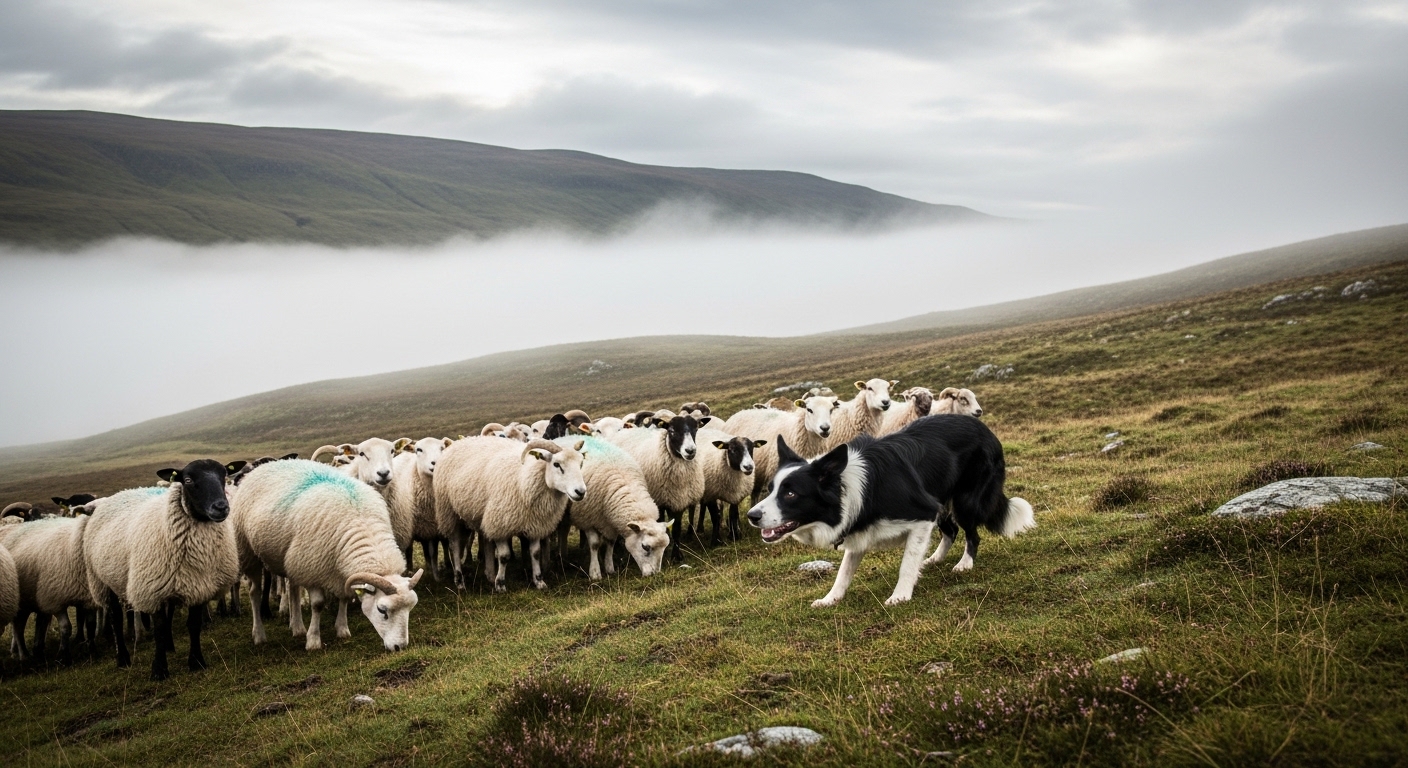
The Border Collie's story begins on the rugged border region between Scotland and England, where farmers needed a dog that could work independently across vast, uneven terrain without constant direction. The breed was refined over centuries of selective pressure for one thing above almost everything else: the ability to think. A herding dog that simply followed commands was less useful than one that could anticipate the movement of a flock, adjust its approach mid-task, and respond to subtle whistles or hand signals from a shepherd standing half a mile away.
The breed's modern identity was largely shaped by a dog named Old Hemp, born in 1893, whose calm, intense herding style became the template for what we now recognize as the Border Collie. Unlike many breeds that were developed partly for appearance, the Border Collie was bred almost exclusively for function well into the twentieth century. That heritage is not just historical trivia — it explains why the breed's mental demands are so deeply wired in, and why a Border Collie without a job tends to invent one, usually at your expense.
Breed clubs and working dog organizations still hold sheepdog trials today, and many Border Collies competing in those events are direct descendants of working farm lines. The American Kennel Club recognized the breed in 1995, though the working dog community had mixed feelings about that, worried that show standards might dilute the functional traits that define the breed. That tension between working lines and show lines still exists, and it matters when choosing a puppy.
Appearance & Size
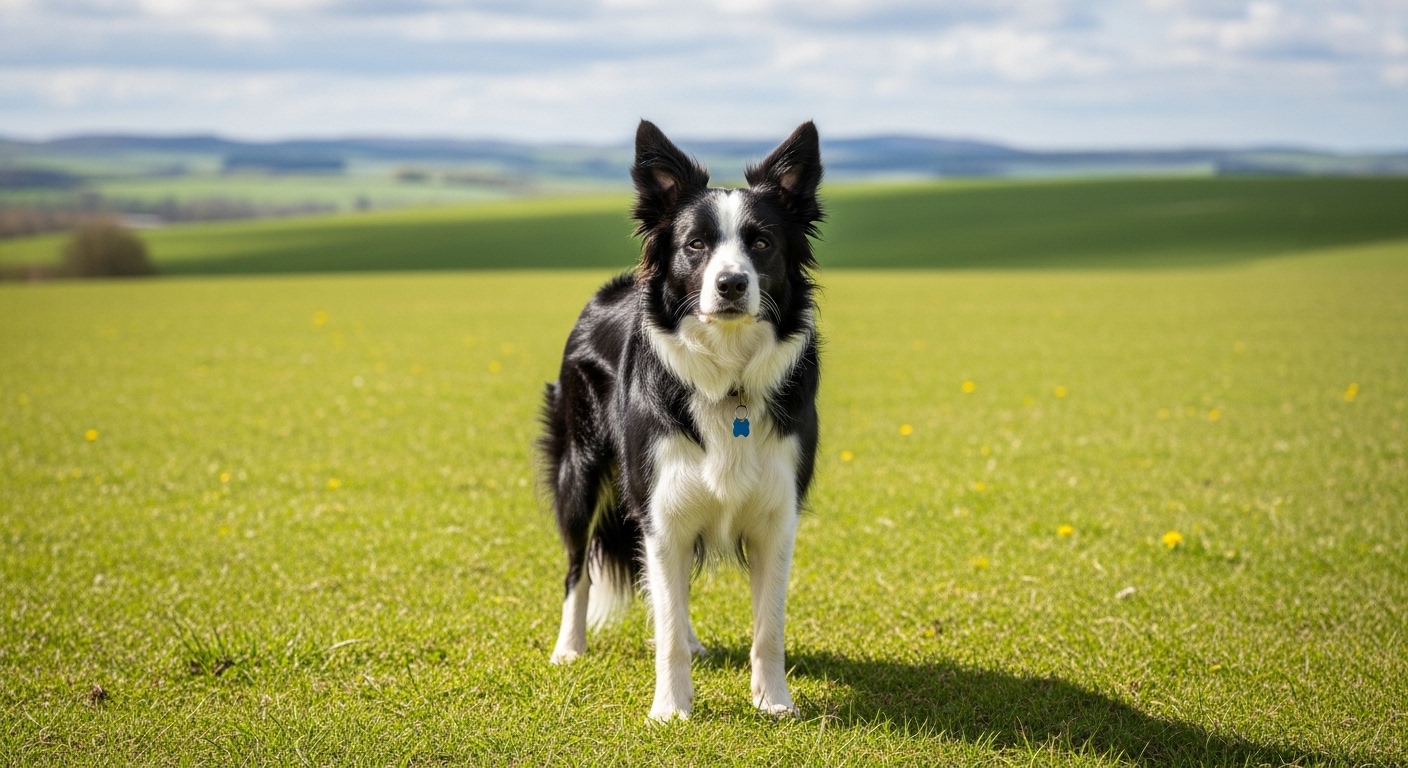
Border Collies are medium-sized dogs, typically weighing between 30 and 55 pounds and standing 18 to 22 inches at the shoulder. They carry themselves with a kind of coiled athleticism — not bulky, but clearly built for sustained movement. The classic image is a black and white dog with a broad white blaze and a thick double coat, but the breed actually comes in a wide range of colors including merle, red, sable, and tricolor, and in both rough (longer, feathered) and smooth coat varieties.
The rough coat is the one that requires serious grooming commitment. Owners of rough-coated Border Collies often describe a permanent layer of dog hair on every fabric surface in the house, regardless of how often they brush. Twice-weekly brushing is a reasonable minimum, with more frequent sessions during seasonal shedding periods. The smooth coat is considerably easier to maintain, though it still sheds.
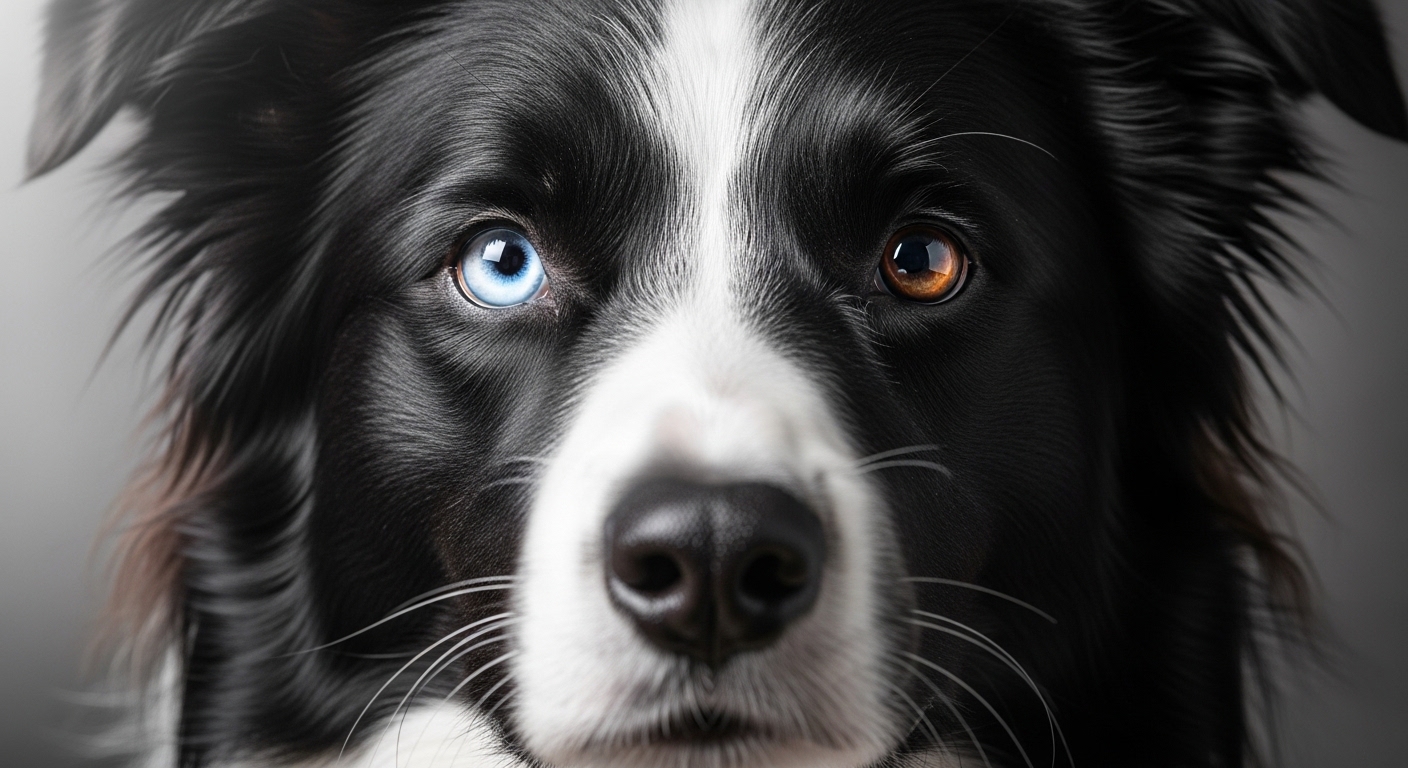
Their eyes are perhaps their most striking feature — typically brown or blue, occasionally one of each (heterochromia), and always carrying that famous 'herding eye': a fixed, intense stare that they use to control livestock and, in domestic settings, to stare at you until you throw the ball again.
Temperament
The word 'intelligent' gets used so often with this breed that it starts to feel like a marketing term. What it actually means in practice is that a Border Collie processes information faster than you might expect, gets bored faster than almost any other breed, and will redirect that mental energy somewhere — whether you planned for it or not. They are problem-solvers by nature, which makes training genuinely rewarding but also means they will find workarounds to rules you thought were clear.
They tend to be deeply bonded to one or two people, intensely loyal, and highly sensitive to tone and body language. Harsh corrections often backfire badly with this breed — they shut down or become anxious rather than compliant. Positive reinforcement and clear, consistent communication work far better. Many Border Collies are also notably sensitive to environmental stress: loud noises, chaotic households, or unpredictable schedules can trigger anxiety behaviors that look like stubbornness but are actually overwhelm.
Around strangers, they are typically reserved rather than aggressive — watchful and assessing before warming up. With children, they can be wonderful, but their herding instinct may kick in around running kids, resulting in nipping at heels. That behavior can be managed with training, but it rarely disappears entirely.
Real Owner Reality: A lot of Border Collie owners describe a honeymoon period of about two weeks where the dog seems perfectly manageable. Then the dog figures out the household, gets comfortable, and the real personality emerges — including the obsessive ball fixation at 6 a.m., the shadow-chasing that starts out cute and becomes concerning, and the way the dog will stare at you with such focused intensity during dinner that guests find it genuinely unnerving.
Health & Lifespan
Border Collies are generally a hardy breed with a lifespan of around 12 to 15 years, which is relatively long for a dog of their size. That said, there are several health conditions that appear with enough frequency in the breed that prospective owners should be aware of them before purchasing or adopting.
- Hip dysplasia: A malformation of the hip joint that may cause pain and mobility issues over time; reputable breeders screen for this.
- Collie Eye Anomaly (CEA): A hereditary eye condition that ranges from mild to vision-impairing; DNA testing can identify carriers.
- Epilepsy: Idiopathic epilepsy occurs in some Border Collie lines; if your dog experiences seizures, consult your veterinarian promptly.
- MDR1 gene mutation: Some Border Collies carry a mutation that makes them sensitive to certain common medications; genetic testing is available and worth discussing with your vet.
- Obsessive-compulsive behaviors: Shadow chasing, light fixation, and repetitive ball obsession can develop into clinical OCD in some individuals, particularly in dogs that are under-stimulated.
Choosing a breeder who conducts genetic health testing and is transparent about the health history of their lines makes a meaningful difference. Many vets suggest annual wellness exams and eye checks for this breed given the hereditary conditions involved. For any specific health concerns, always consult your veterinarian rather than relying on general guidance.
Many vets suggest that mental stimulation is just as important as physical exercise for Border Collie health — a dog that is physically tired but mentally bored is still a dog looking for trouble.
Is This Breed Right for You?
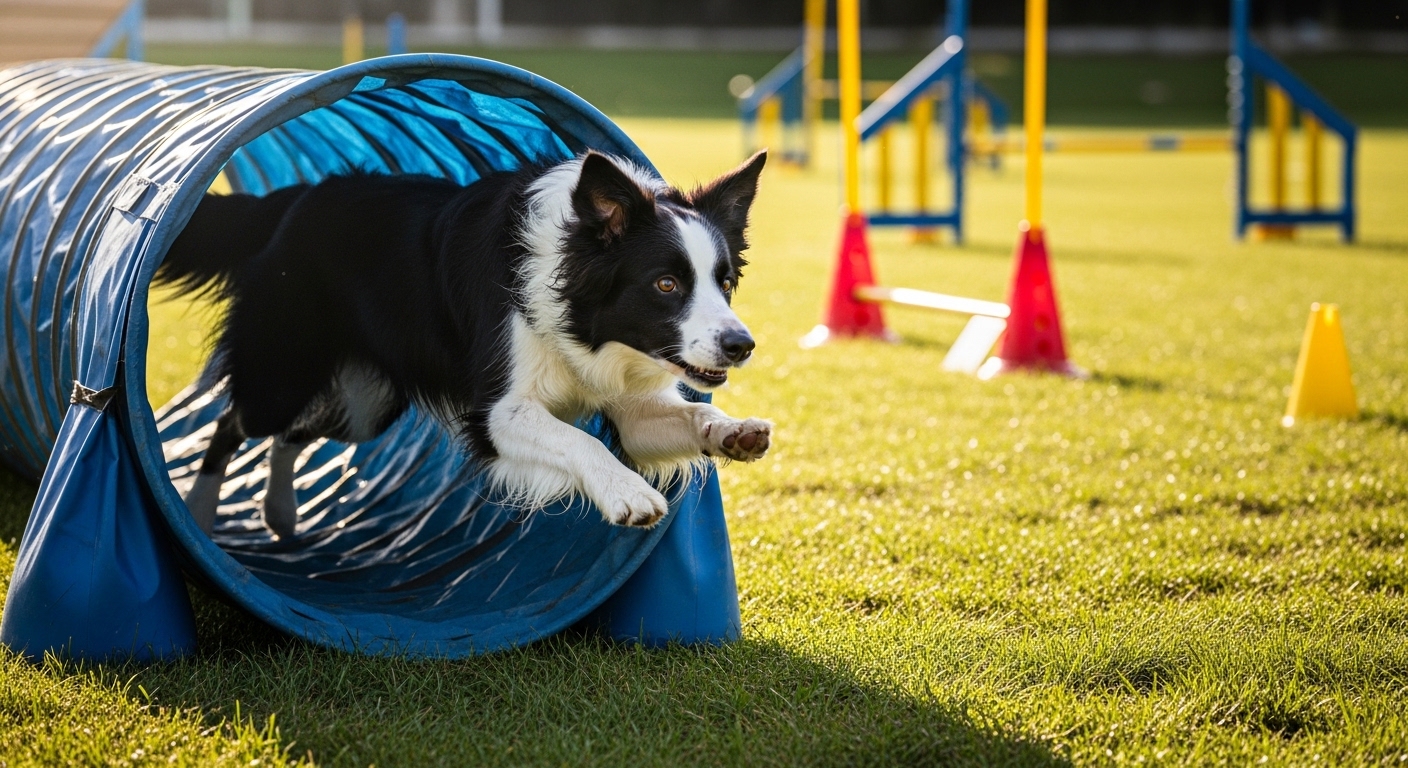
Honestly? For most people, probably not — and that is not an insult to anyone. Border Collies thrive in specific circumstances, and those circumstances are less common than the breed's popularity might suggest. They do best with active owners who have time for at least 90 minutes of genuine exercise daily, plus dedicated mental enrichment like puzzle feeders, scent work, agility training, or obedience work. A long walk around the block does not cut it for this breed.
Apartment living is possible but genuinely difficult. The dog can adapt if the owner is extremely committed to daily structured activity, but a Border Collie in a small space with a busy owner is a recipe for destructive behavior and anxiety. Access to outdoor space and ideally some kind of sport or working activity makes a significant difference in quality of life for the dog.
They are a strong match for:
- Experienced dog owners who understand high-drive breeds
- Active individuals or families with outdoor lifestyles
- People interested in dog sports like agility, flyball, or herding trials
- Owners who work from home or have flexible schedules
- Households with older children who understand boundaries
They are a poor match for owners who want a dog that can be left alone for long hours, families with very young toddlers and limited time, or anyone who underestimates how much the breed's intelligence translates into constant demands on the owner's attention and creativity. The dog will always find something to do. The question is whether you get to decide what that something is.
Frequently Asked Questions
How much exercise does a Border Collie actually need each day?
Most Border Collies need at least 90 minutes of active exercise daily, and that should include activities that engage their mind, not just their legs. Fetch, agility training, off-leash running in a safe area, and structured play all count. A dog that only gets leash walks will likely still be restless and may develop problem behaviors even if the walks are long.
Are Border Collies good with other dogs and pets?
They can be, particularly when socialized from a young age. Many Border Collies coexist happily with other dogs. However, their herding instinct may cause them to chase or attempt to control cats, smaller animals, or even other dogs, which some animals find stressful. Supervised introductions and early socialization help considerably, but individual temperament varies.
Is a Border Collie a good first dog?
For most first-time owners, a Border Collie is a challenging choice. The breed's intelligence means they pick up bad habits just as quickly as good ones, and they need an owner who can stay one step ahead. That said, a first-time owner who does serious research, commits to training classes, and has the lifestyle to support the breed can absolutely make it work — it just requires more preparation than most breeds.
A Border Collie is a working dog living in your house. Feed that reality with structure, activity, and genuine engagement, and you will have a dog that is genuinely impressive to live with. Ignore it, and the dog will make sure you cannot ignore it for long. They are not low-maintenance companions — they are a daily commitment that happens to be very good at learning your name.

Comments
Post a Comment