A friend once described her British Shorthair as 'a cat who tolerates you with great dignity.' That is not far off. These cats are not lap-warmers in the clingy sense — they prefer to sit nearby, observe the room with their famously round eyes, and occasionally accept a scratch behind the ears on their own terms. If you have been searching for a cat that fits comfortably into a quieter home or a smaller apartment without demanding constant entertainment, the British Shorthair deserves a serious look. This guide covers everything from their origins to their daily care needs, with honest notes on what living with one actually looks like.
Origins & History
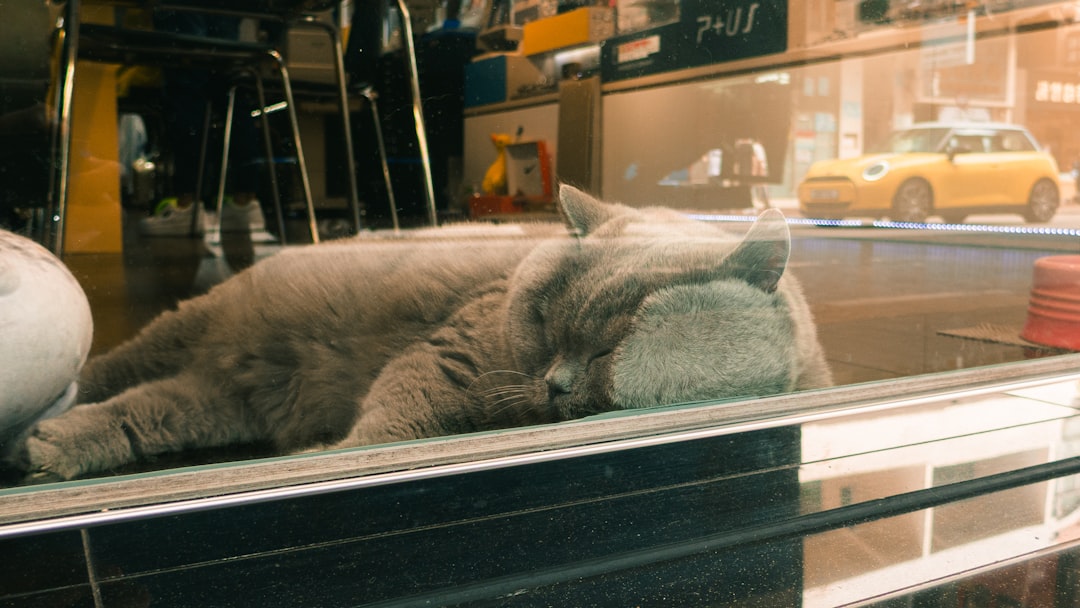
The British Shorthair is one of the oldest recognised cat breeds in the world, with roots tracing back to domestic cats brought to Britain by Roman soldiers around 2,000 years ago. Over centuries of natural selection in the British Isles, these cats developed into sturdy, thick-coated animals well adapted to a cool, damp climate. By the late 19th century, cat fanciers — most notably Harrison Weir, who organised the first modern cat show at Crystal Palace in 1871 — began selectively breeding them for their distinctive round faces and dense coats.
The breed nearly disappeared after World War II, when food shortages made keeping cats difficult. Breeders worked to revive the population by crossing remaining British Shorthairs with Persians and other breeds, which reinforced the cobby body type and plush coat texture we see today. The Cat Fanciers' Association granted the breed full championship status in 1980, and since then it has grown steadily in popularity across North America, Europe, and beyond.

Appearance & Size
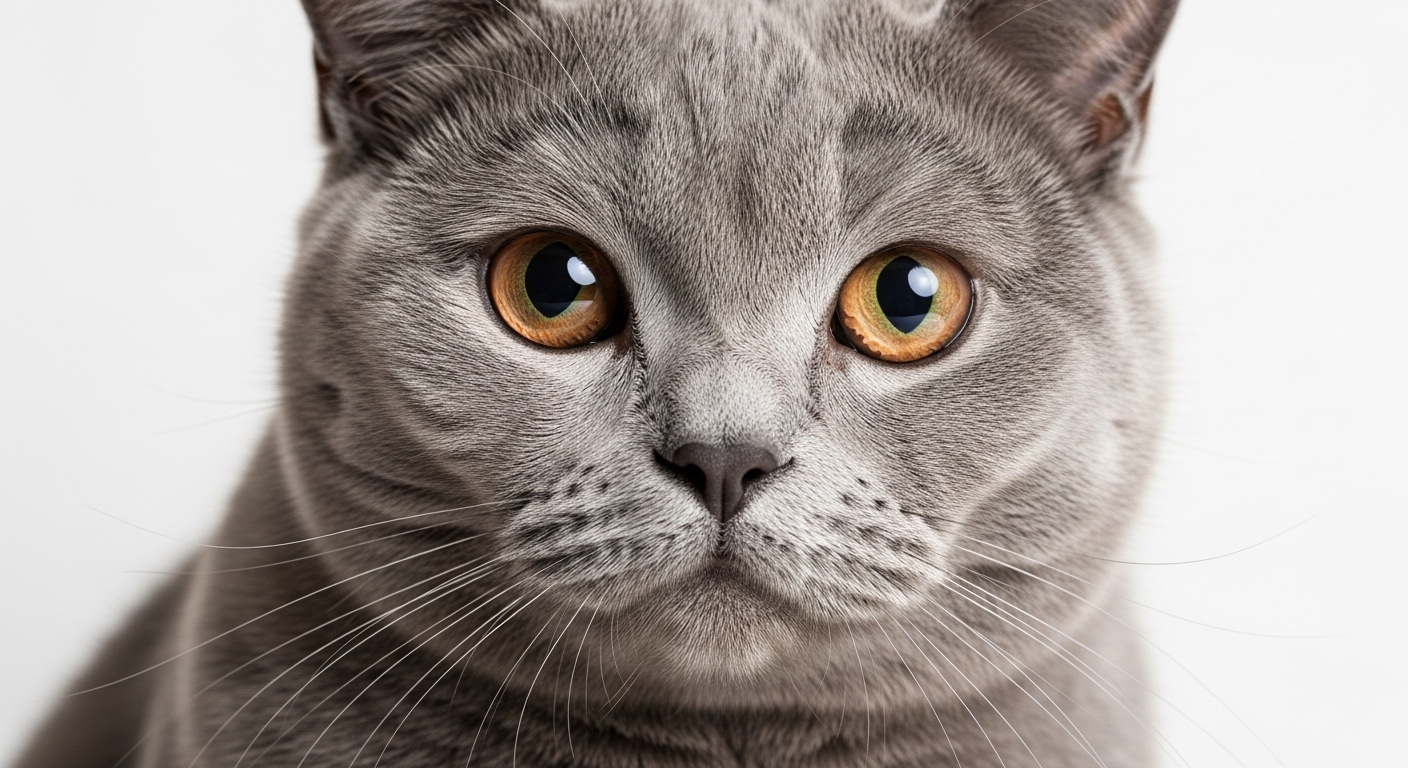
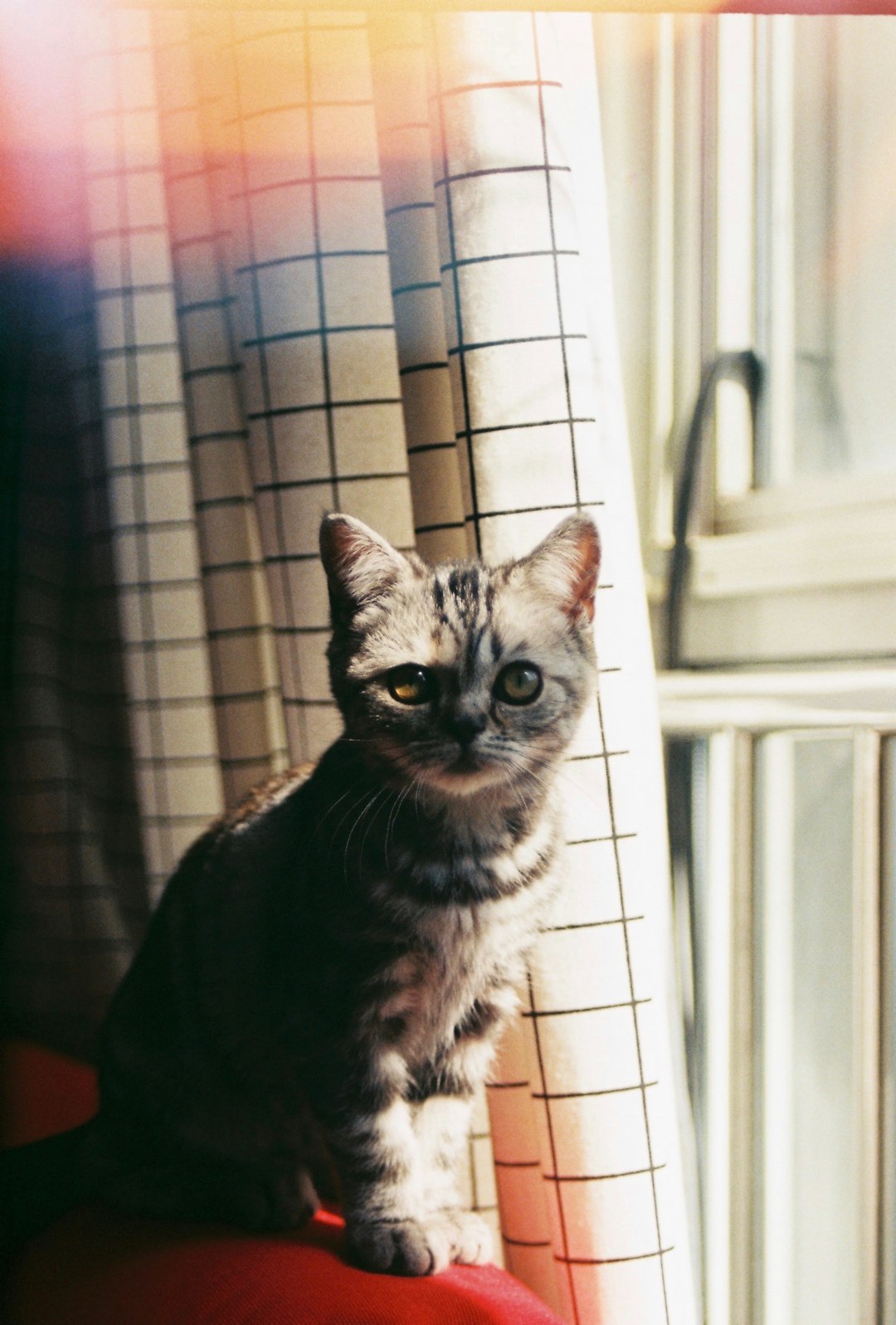
The British Shorthair's look is immediately recognisable: a broad, round head, full cheeks, a short nose, and large copper or gold eyes that give the face an almost cartoonish quality. The body is compact and muscular — not sleek or long like a Siamese — and sits on short, sturdy legs. Males typically weigh between 9 and 17 pounds, while females are noticeably smaller, usually ranging from 7 to 12 pounds. Both sexes tend to develop slowly, often not reaching full physical maturity until around three to five years of age.
The coat is short but exceptionally dense, with a crisp texture that springs back when you press it — sometimes described as a 'plush' or 'teddy bear' coat. Blue-grey is the most iconic colour, but the breed comes in a wide range of colours and patterns, including tabby, colourpoint, tortoiseshell, black, white, and bicolour. The dense undercoat does shed, particularly during seasonal changes, and you will find clumps of fur on dark clothing more often than the breed's 'low maintenance' reputation might suggest.
Temperament
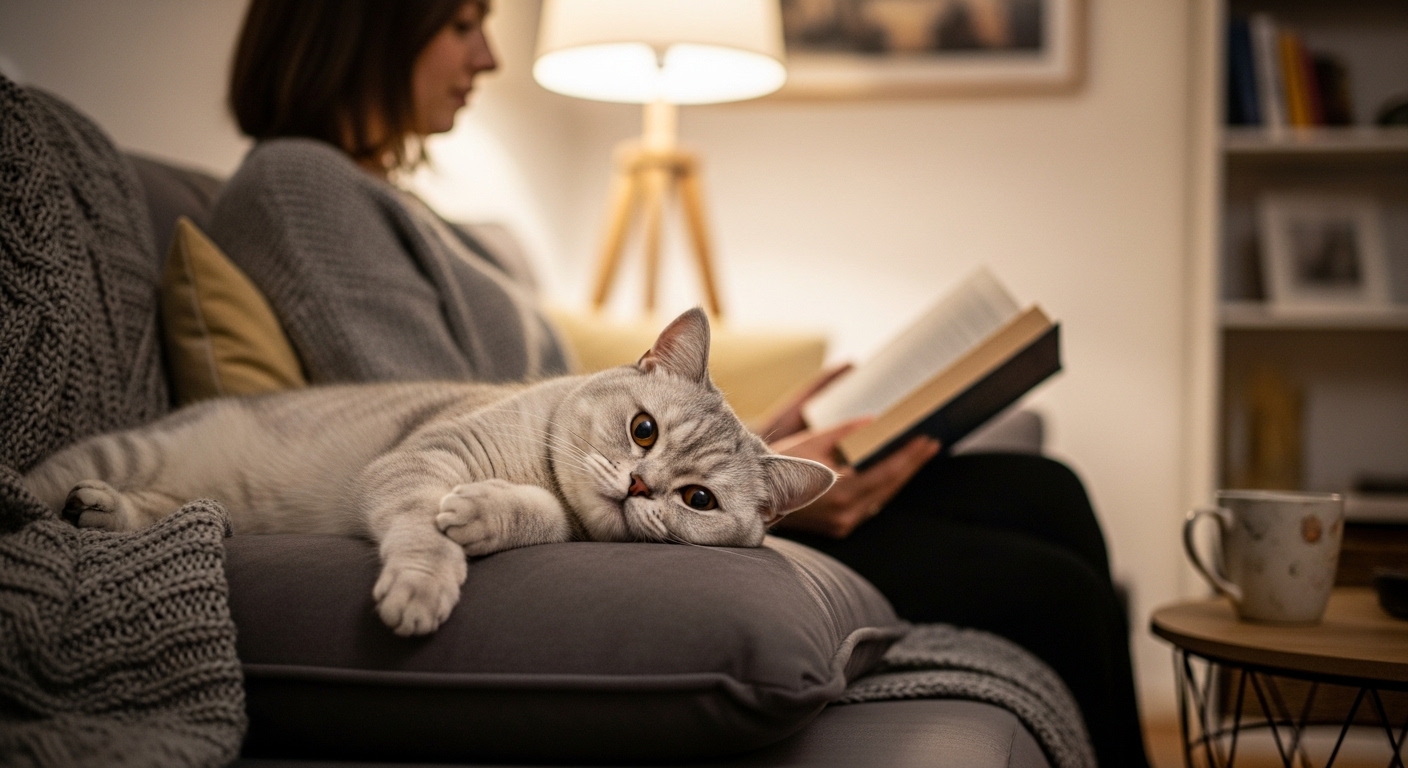
Calm is the word that comes up most often. British Shorthairs are not hyperactive cats. They do not sprint across the apartment at 3 a.m. — or at least, far less frequently than many other breeds — and they rarely demand attention through loud vocalisation. They tend to be quiet, self-possessed, and content to spend long stretches simply resting in a favourite spot.
That said, they are not cold or indifferent. Most British Shorthairs form genuine bonds with their people, following them from room to room at a dignified distance and showing affection through proximity rather than constant physical contact. They are generally good with children and other pets, provided introductions are handled patiently, because they can be slow to warm up to new situations or strangers. Pushing them to interact before they are ready tends to backfire — they will simply walk away.
They are also notably adaptable to indoor living. The breed does not appear to experience the restless frustration that some high-energy cats show in confined spaces, which makes them a genuinely practical choice for apartment dwellers rather than just a convenient marketing claim.
British Shorthairs tend to prefer being near you rather than on you — respect that boundary and the relationship works well for both sides.
Real Owner Reality: Several owners report that their British Shorthair took a full six months to fully relax after moving to a new home. During that period, the cat was polite but distant — eating well, using the litter box correctly, but avoiding lap contact entirely. Patience paid off. By month seven, the cat had claimed a specific armchair cushion and was reliably present every evening. If you expect immediate warmth, this breed may initially feel underwhelming.
Health & Lifespan
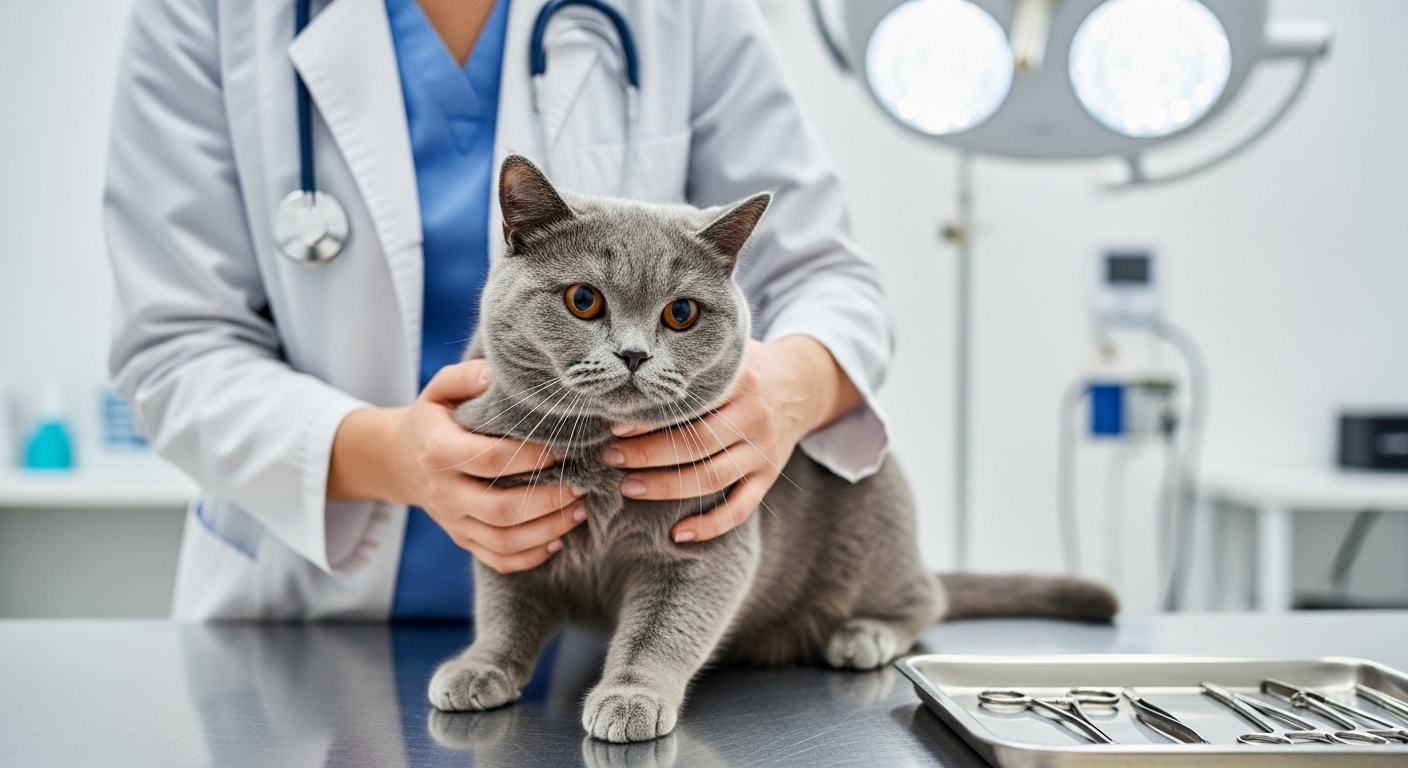
British Shorthairs are generally considered a robust breed, with a typical lifespan of 12 to 20 years. Many live well into their mid-teens with routine veterinary care. That said, there are a few health considerations worth knowing about before you bring one home.
Hypertrophic cardiomyopathy (HCM), a form of heart disease, has been identified in the breed, and many vets suggest regular cardiac screening, particularly as the cat ages. Polycystic kidney disease (PKD) was historically a concern following the Persian crossbreeding era, though responsible breeders now test for the PKD1 gene mutation and should be able to provide documentation. Obesity is a real risk — these cats have a naturally stocky build and a tendency toward a sedentary lifestyle, so portion control matters more than it might with an active breed.
- Schedule annual veterinary check-ups, including blood pressure and cardiac assessment in older cats.
- Ask breeders for HCM and PKD screening documentation on both parents.
- Monitor weight carefully, as extra pounds can be hard to spot under that dense coat.
- Keep up with dental care — many vets suggest regular tooth brushing or dental treats to reduce tartar build-up.
- Ensure vaccinations and parasite prevention are kept current, even for fully indoor cats.
Always consult your veterinarian for personalised health guidance specific to your cat's age, weight, and history.
Is This Breed Right for You?
The honest answer depends on what you are actually looking for in a cat. If you want an affectionate companion who will curl up on your lap every evening, a British Shorthair may leave you feeling slightly rejected — at least for the first year. If you want a calm, self-sufficient animal who fits into a busy or quieter household without creating chaos, this breed is genuinely well-suited to that role.
Apartment living works well for them, provided they have a few vertical spaces — a cat tree or some wall-mounted shelves — and regular interactive play sessions to keep them mentally engaged. They are not a breed that needs a garden or outdoor access to thrive, though they do appreciate a window perch with a view. Grooming is relatively straightforward: a weekly brush is usually sufficient outside of shedding season, when you may want to brush two or three times a week to manage the undercoat. The fur does end up on furniture and clothing, so factor that in if you own a lot of dark upholstery.
They suit single-person households, couples, and families with older children equally well. Very young children who want to carry or squeeze a cat may find the British Shorthair's tolerance has firm limits. First-time cat owners often do well with this breed precisely because the cat does not require complex management — but new owners should not mistake 'low maintenance' for 'no maintenance.'
Frequently Asked Questions
Do British Shorthairs get along with dogs?
Many do, particularly when introduced gradually and at the cat's pace. British Shorthairs are not easily rattled, which helps in multi-pet households, but a boisterous dog that chases or corners the cat will erode that tolerance quickly. Slow, supervised introductions over several days or weeks tend to produce the best outcomes. Consult your veterinarian or a feline behaviourist if introductions are proving difficult.
Are British Shorthairs suitable for people with allergies?
No cat breed is truly hypoallergenic, and British Shorthairs are no exception. They produce the Fel d 1 protein that triggers most cat allergies, and their dense shedding coat can distribute dander widely around a home. Some allergy sufferers find they react less to certain individual cats, but this varies considerably from person to person. If allergies are a concern, spend time with the specific cat before committing, and discuss management strategies with your doctor.
How much exercise does a British Shorthair need?
They are not a high-energy breed, but they do need daily interactive play to stay at a healthy weight and avoid boredom. Two short sessions of 10 to 15 minutes each — using a wand toy, puzzle feeder, or similar — is a reasonable baseline for most adult cats. Kittens will naturally be more active. Without some structured play, these cats can become sedentary and gain weight, which in some cases may contribute to joint and cardiac stress over time.
The British Shorthair is a practical, even-tempered cat that suits a wide range of living situations without requiring a great deal of fuss. They are not dramatic. They will not perform for guests or beg at the dinner table. What they will do is settle into your household routine with quiet reliability, show up near you at the end of the day, and occasionally allow you to admire how good they look sitting on that windowsill — which, if you are honest about it, is a reasonable arrangement for everyone involved.
Comments
Post a Comment