If your dog has never had their teeth brushed before, the idea of introducing a toothbrush can feel a little daunting — for both of you. The good news is that with patience, the right tools, and a gradual approach, most dogs can learn to tolerate (and even enjoy!) a daily brushing routine. Dental health is one of the most overlooked aspects of pet care, yet many vets suggest it plays a significant role in your dog's overall wellbeing. Whether your pup is a curious puppy or a set-in-their-ways senior, starting from scratch is absolutely possible — and this guide will walk you through every step of the journey.

Why Dogs Resist Toothbrushing — and What's Really Going On
Understanding why your dog might resist having their teeth brushed is the first step toward making it a stress-free experience. Dogs are not naturally wired to accept having their mouths handled by another creature — even a beloved human. In the wild, allowing access to the mouth is an act of significant vulnerability, and that instinct doesn't simply disappear in our domestic companions.
Beyond instinct, there are a few other reasons a dog may push back:
- Novelty and uncertainty: Unfamiliar objects, smells, and sensations near the face can trigger a defensive response in dogs who haven't been desensitized to them.
- Negative past experiences: A dog who has had uncomfortable veterinary dental procedures may associate anything near their mouth with discomfort.
- Sensitive gums: In some cases, existing gum inflammation or soreness may make any touch around the mouth feel unpleasant — always consult your veterinarian if you suspect dental pain.
- Lack of early socialization: Puppies who weren't introduced to mouth handling during their socialization window may find it harder to accept as adults.
The key takeaway here is that resistance is almost never stubbornness — it's communication. Your dog is telling you they're not comfortable yet, and your job is to change that association gradually and positively.
Resistance to toothbrushing is almost always rooted in novelty or past experience — not defiance. Patience and positive reinforcement can change the story.
Step-by-Step: A Gradual Toothbrushing Introduction Method
The secret to success is never rushing. Each stage below should be practiced over several days — or even a week — before moving on. If your dog shows stress at any point, simply go back a step. Progress is not linear, and that's perfectly okay.
Stage 1: Get Your Dog Comfortable With Mouth Handling
Before a toothbrush ever enters the picture, spend a few days simply touching your dog's muzzle, lips, and gums with your finger. Do this during calm moments — after a walk or a meal — and always pair it with praise and a small treat. Keep sessions to just 20–30 seconds.
Stage 2: Introduce Dog-Safe Toothpaste
Let your dog sniff and lick a small amount of dog-formulated toothpaste from your finger. Never use human toothpaste, as ingredients like xylitol and fluoride can be harmful to dogs. Most dog toothpastes come in flavors like chicken, beef, or peanut butter, which many dogs find irresistible — this is a huge advantage you can use to build positive associations.
Stage 3: Use Your Finger as a Brush
Once your dog happily accepts the toothpaste, apply a small amount to your fingertip and gently rub it along their outer gum line. Focus on the back teeth, where tartar tends to build up most. Keep it brief and reward generously afterward.
Stage 4: Introduce the Toothbrush
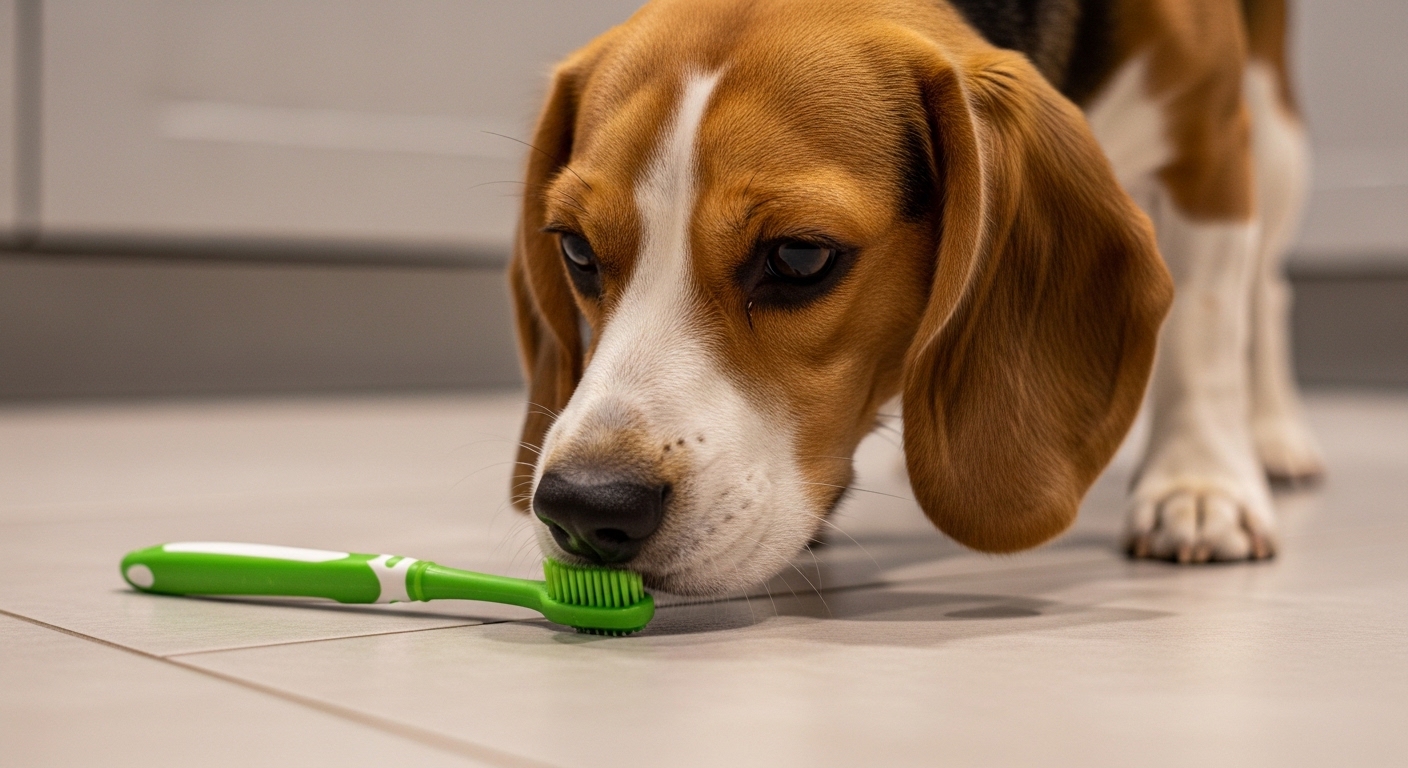
Place the toothbrush on the floor or in your hand and let your dog investigate it freely. Put a dab of toothpaste on the bristles and allow them to lick it off without any brushing motion. Repeat this for a few days until the toothbrush is a completely neutral — or even exciting — object.
Stage 5: Begin Gentle Brushing
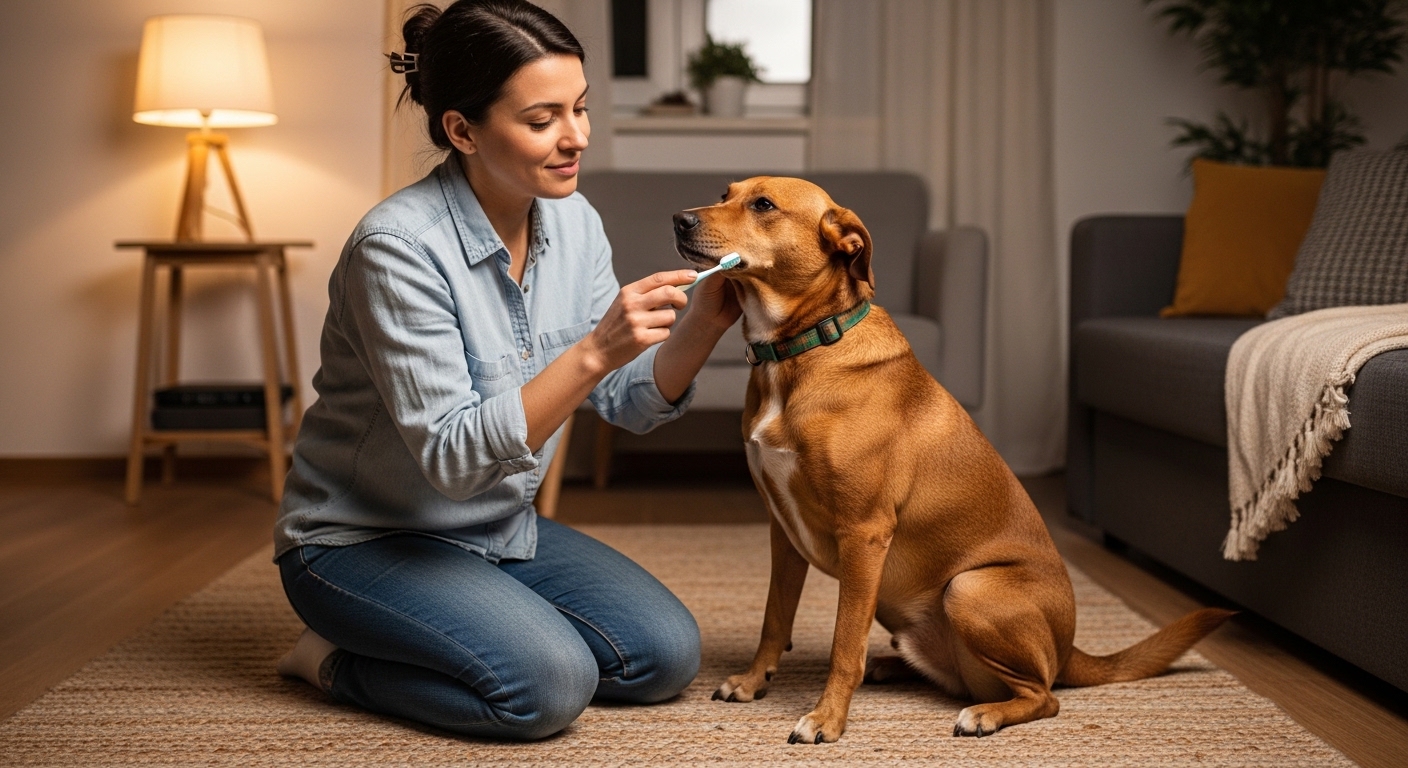
Now you're ready to brush. Use small, circular motions along the outer surfaces of the teeth, focusing on the gum line. Aim for 30 seconds per side to start, gradually building toward a full two-minute session as your dog becomes more comfortable. Always end on a positive note with a reward your dog loves.
Common Mistakes That Slow Your Progress
Even well-meaning pet owners can accidentally make the toothbrushing process harder. Here are the most frequent missteps to watch out for:
- Moving too fast: Skipping stages because your dog seems 'fine' often leads to a bigger setback later. Slow and steady genuinely wins this race.
- Using human toothpaste: This is a safety issue, not just a preference. Human toothpaste contains ingredients that may be toxic to dogs — always use a product specifically formulated for pets.
- Brushing when your dog is already stressed: Attempting a session when your dog is anxious, overstimulated, or unwell sets everyone up for failure. Choose calm, predictable moments.
- Forcing the brush into the mouth: Restraining your dog and pushing through resistance damages trust and makes future sessions even harder. If your dog is pulling away, stop and go back a stage.
- Inconsistency: Brushing once a week and then skipping for a month means your dog never fully habituates to the routine. Aim for daily sessions, even if they're very short.
- Forgetting to reward: Positive reinforcement is the engine of this entire process. Skipping the treat or praise at the end removes the motivation for your dog to cooperate next time.
Expert Tips to Make Toothbrushing Easier and More Effective
Once you've built the foundation, these practical tips can help you refine your routine and get the most out of every brushing session:
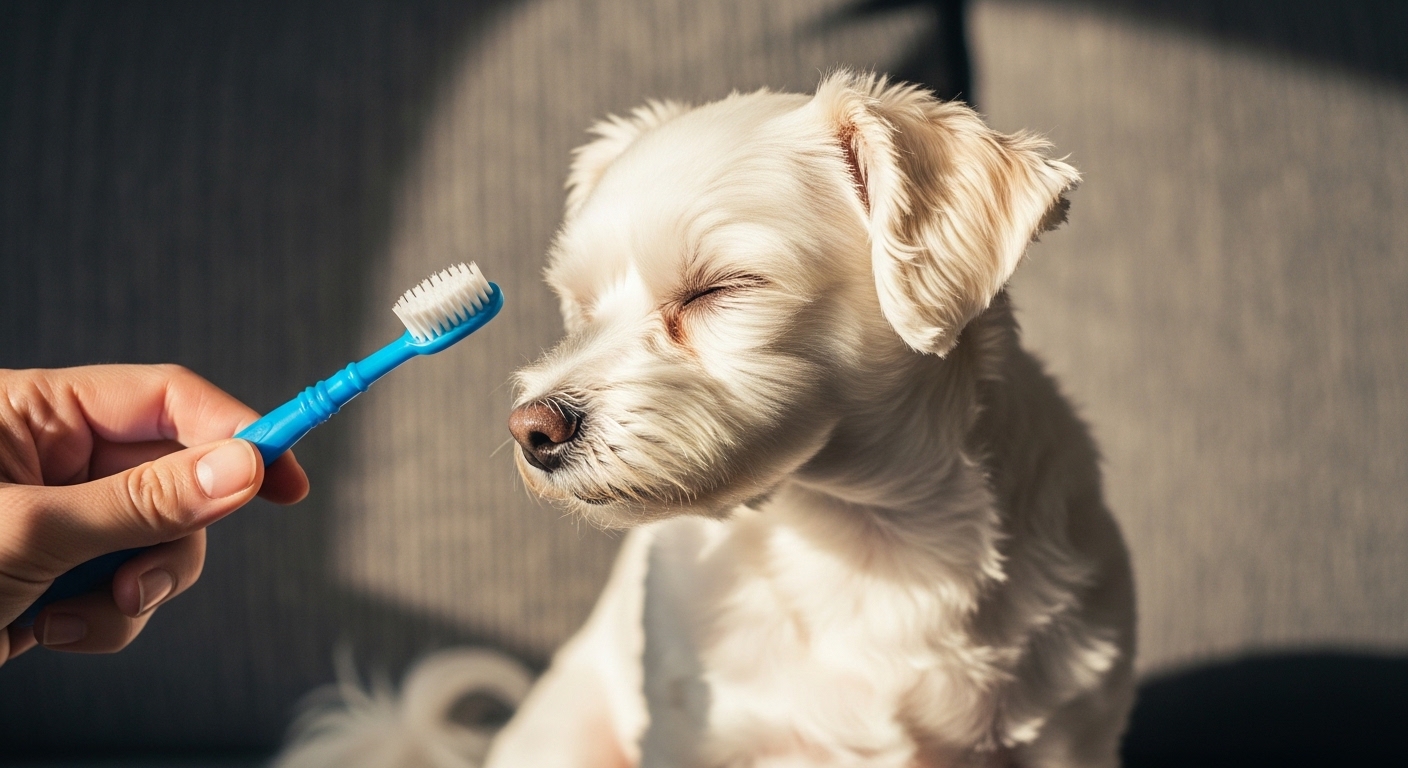
- Choose the right brush: Finger brushes work well for beginners and small dogs, while long-handled brushes with angled heads can make it easier to reach the back teeth of larger breeds.
- Brush at the same time every day: Dogs thrive on routine. Attaching toothbrushing to an existing daily habit — like the evening walk or bedtime — helps it become automatic for both of you.
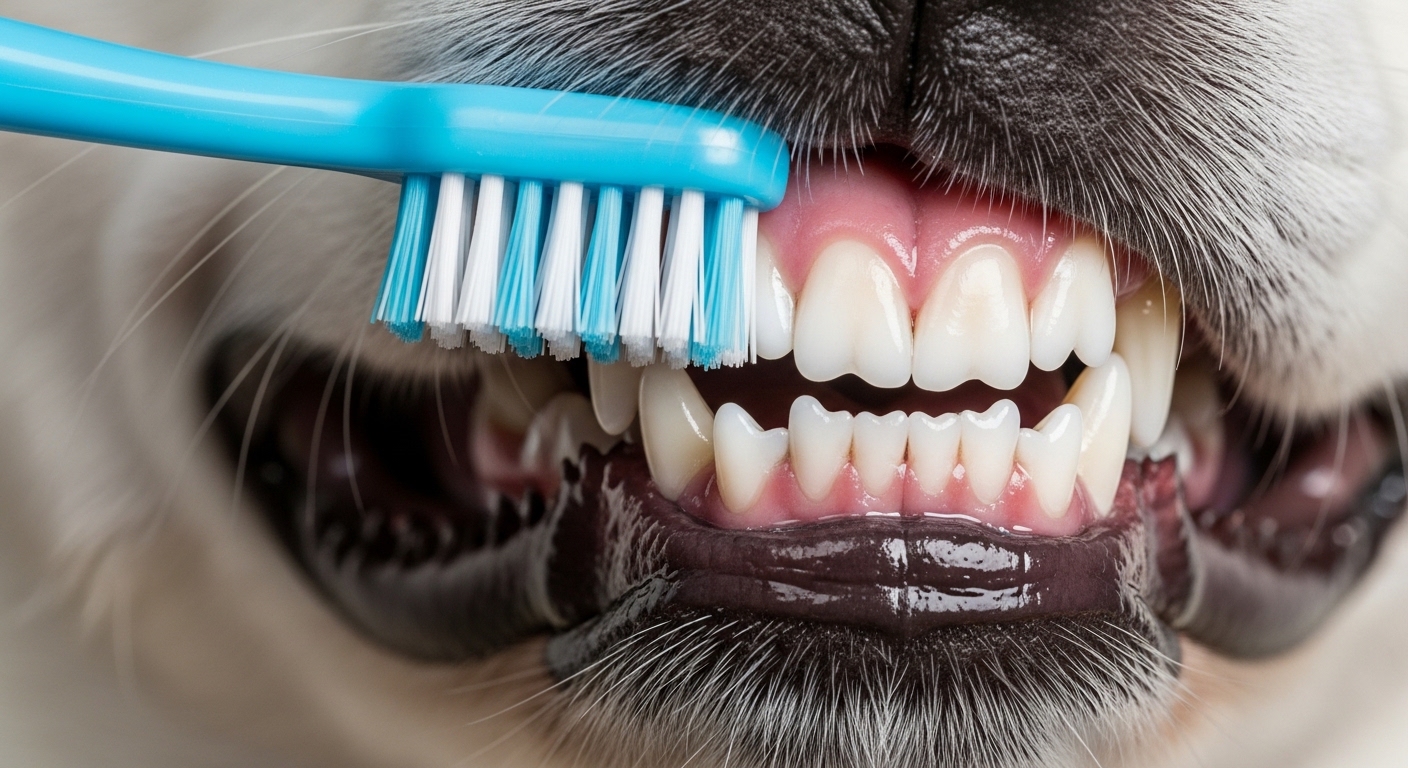
- Focus on the outside surfaces: The tongue naturally cleans the inner surfaces of the teeth, so prioritizing the outer gum line gives you the best return on your effort.
- Use dental chews as a supplement: While they don't replace brushing, many vets suggest that dental chews approved by the Veterinary Oral Health Council (VOHC) may help reduce plaque between sessions.
- Keep sessions short and positive: A cheerful 60-second session every day is far more valuable than a stressful five-minute battle once a week.
- Check for changes: While brushing, take a moment to notice anything unusual — redness, swelling, unusual odor, or loose teeth — and report these to your vet promptly.
When to See a Professional About Your Dog's Dental Health
Toothbrushing at home is a fantastic preventive measure, but it's not a substitute for professional veterinary dental care. There are several situations where a trip to the vet is the right call:
- Your dog shows signs of pain when their mouth is touched, such as flinching, growling, or pawing at their face.
- You notice persistent bad breath that doesn't improve with regular brushing — this may indicate an underlying issue.
- There is visible tartar buildup (a yellow or brown crust along the gum line) that brushing alone cannot address.
- You spot red, swollen, or bleeding gums, which in some cases may signal periodontal disease.
- Your dog has loose, broken, or discolored teeth.
- Despite your best efforts over several weeks, your dog remains highly distressed by any mouth handling — a veterinary behaviorist or certified trainer may be able to help.
Many vets recommend a professional dental cleaning at least once a year, though the ideal frequency varies by breed, age, and individual dental health. Always consult your veterinarian to determine what's right for your specific dog.
Starting a toothbrushing routine from scratch takes time, but the effort you invest now pays dividends for years to come. A dog with healthy teeth and gums is a happier, more comfortable companion — and the bond you build through those gentle, patient sessions is a reward in itself. Take it one stage at a time, celebrate every small win, and remember: every expert brusher was once a dog who had never felt a toothbrush in their life. Your pup can get there too, and this calm, step-by-step approach is exactly how it happens.
Comments
Post a Comment