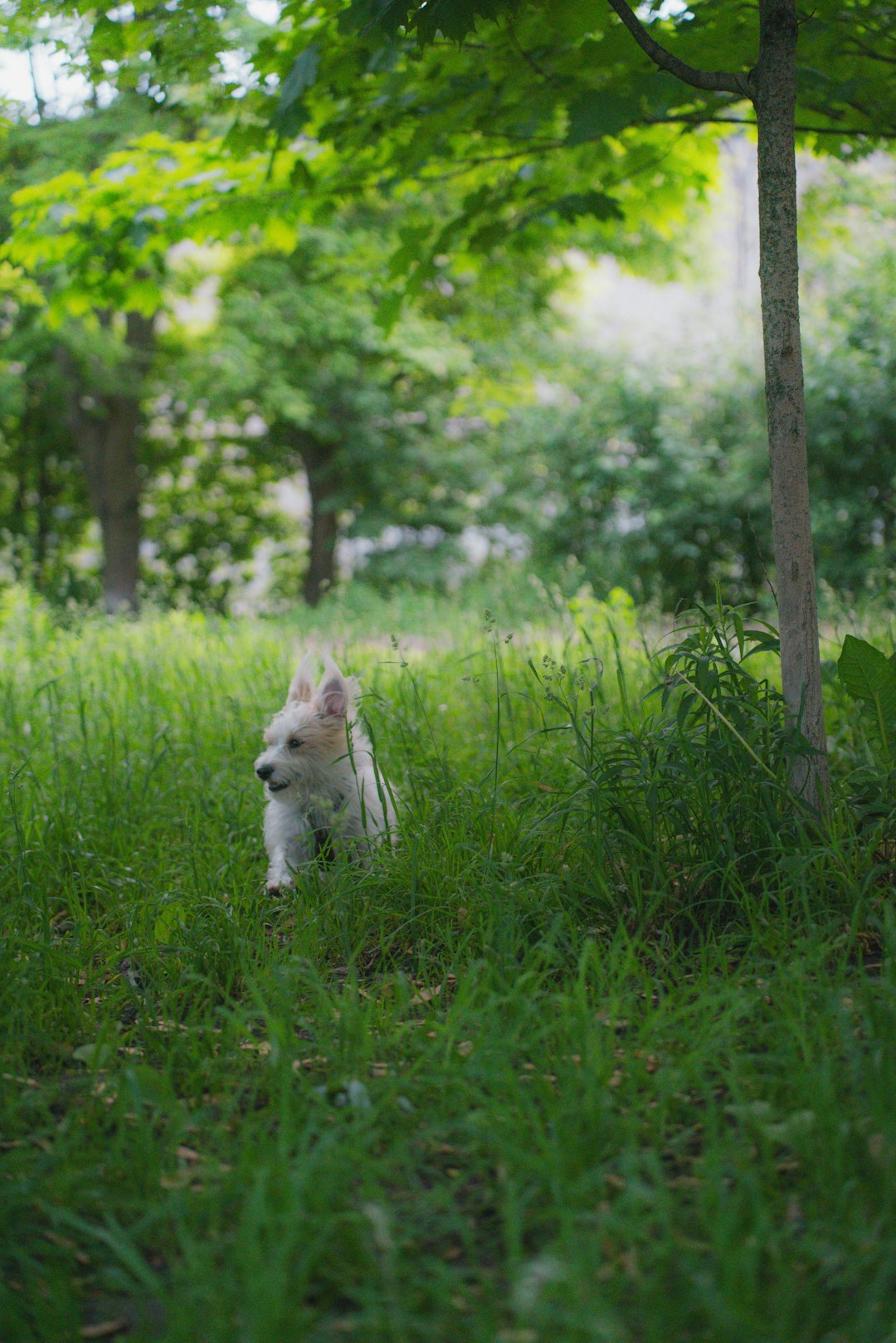
Welcoming a shy or under-socialized dog into your family is a beautiful, rewarding journey, but it can also be incredibly challenging. Whether you have adopted a rescue with a mysterious past or a puppy who missed out on early exposure, watching your furry best friend struggle with fear is heartbreaking. The good news is that with patience and a gentle, science-based approach, you can help your pup build resilience. Let's take a look at a timid rescue dog taking their first brave steps in a quiet park.
Why It Happens
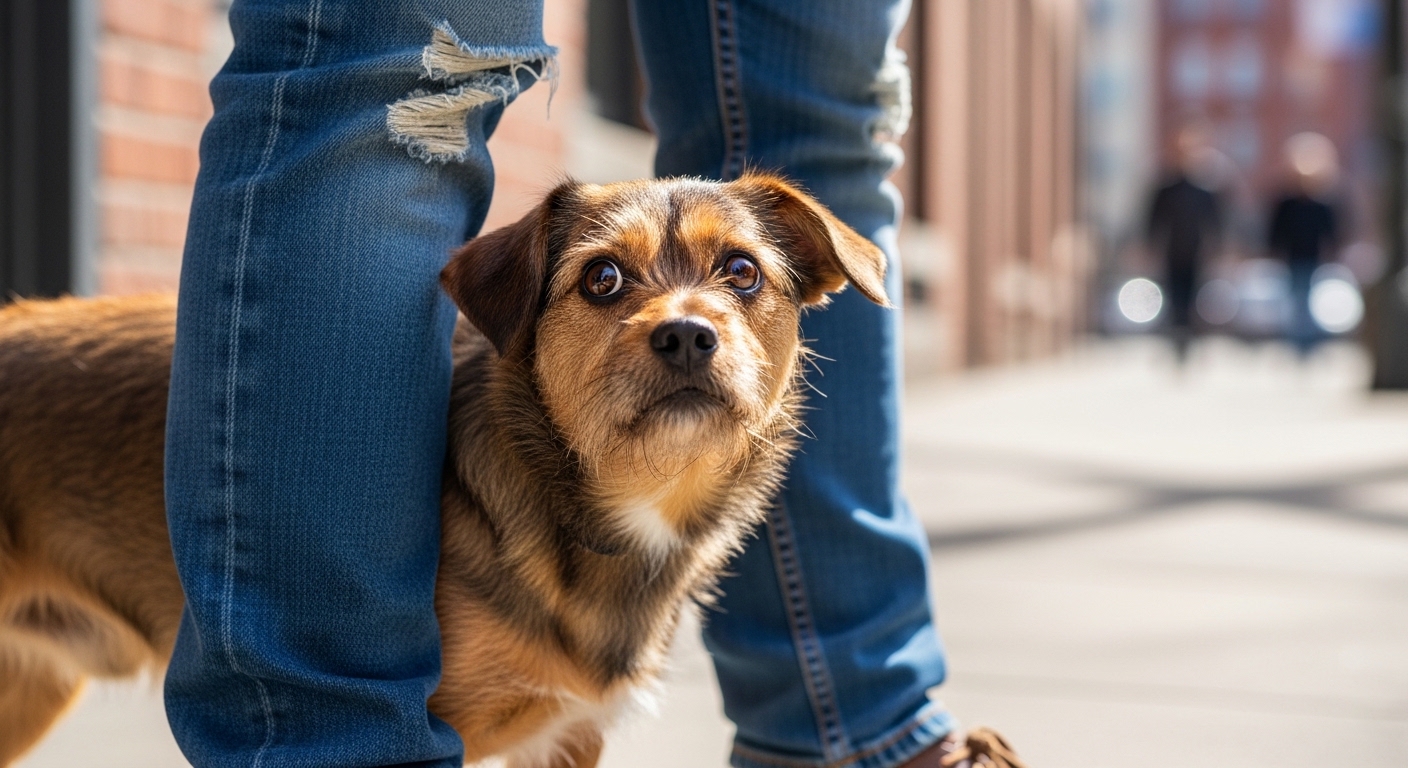
Fearfulness in dogs rarely happens without a reason. In many cases, it stems from a lack of early socialization during a puppy's critical developmental period (between 3 and 14 weeks of age). Without positive exposure to various sights, sounds, and people, the world can seem like a terrifying place. Genetics can also play a role, as some dogs are naturally predisposed to be more cautious. Additionally, past trauma or negative experiences may leave lasting emotional scars. You might notice your dog hiding behind your legs when encountering something new, which is a classic sign of this instinctual fear.
Step-by-Step Training Method
Building confidence requires a gentle, science-based approach known as desensitization and counterconditioning. This means gradually exposing your dog to their fears at a level they can handle, while pairing that exposure with something wonderful. Follow these steps:
- Find the threshold: Determine the distance at which your dog notices a trigger (like a stranger or another dog) but remains calm and capable of taking treats.
- Introduce the trigger: Allow your dog to observe the scary thing from that safe distance without forcing them to interact.
- Pair with high-value treats: The moment your dog looks at the trigger, feed them a delicious, high-value treat like boiled chicken or cheese.
- Retreat and repeat: If the trigger disappears or you move away, the treats stop. This teaches the dog that the scary thing actually predicts good things happening.
- Gradually decrease distance: Over weeks or months, slowly close the distance to the trigger, only moving forward if your dog remains completely relaxed.
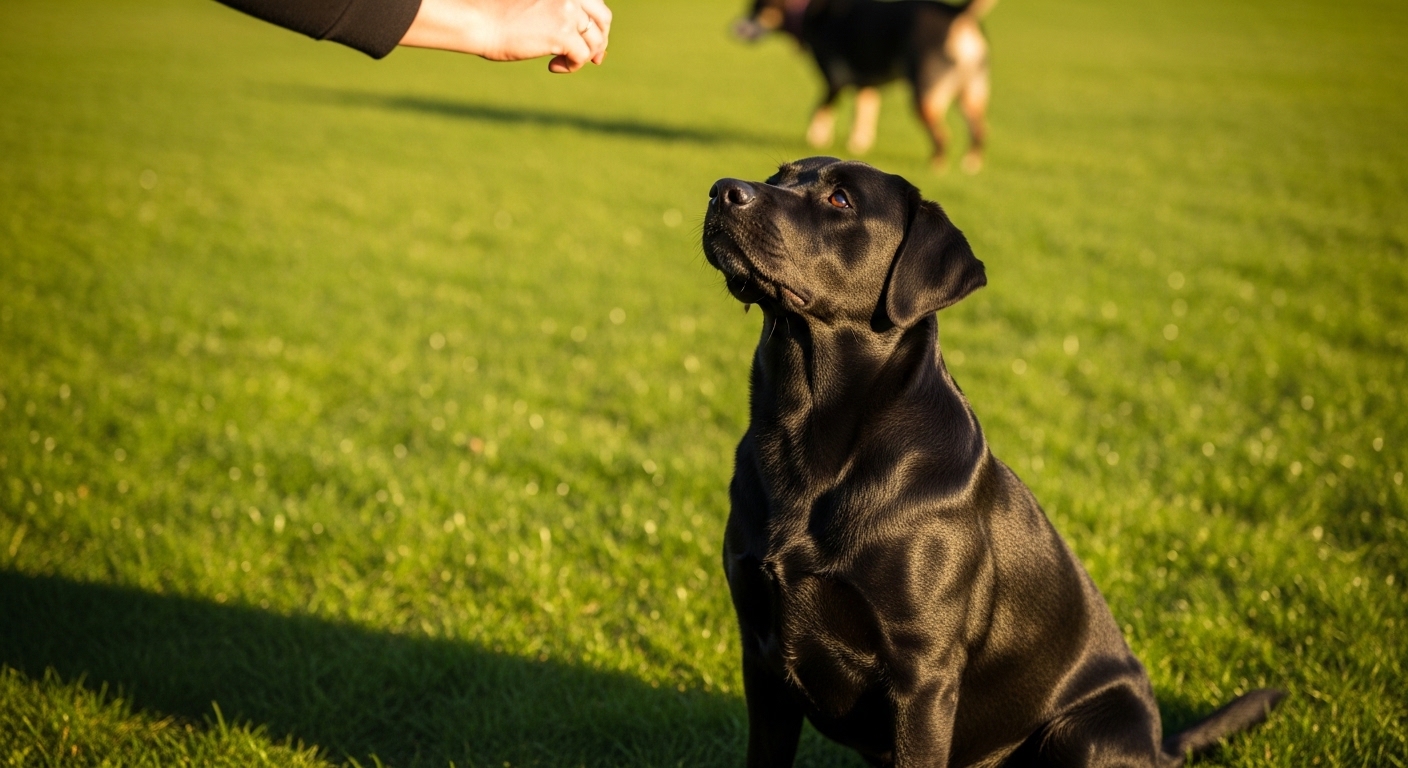
Here is a dog staying calm at a safe distance from a trigger, happily accepting a treat from their owner.
Common Mistakes
When we desperately want our dogs to be happy and relaxed, we sometimes accidentally rush the process. Avoid these common pitfalls that can set back your dog's progress:
- Flooding: Forcing your dog into an overwhelming situation (like a busy dog park) hoping they will simply "get used to it." This often makes the fear much worse.
- Punishing fear: Scolding a dog for growling or barking when afraid. Growling is communication; punishing it may cause the dog to bite without warning next time.
- Moving too fast: Decreasing the distance to a trigger before the dog's body language shows they are truly relaxed and ready.
- Comforting at the wrong time: While you cannot reinforce an emotion like fear, hovering and acting anxious yourself can validate your dog's panic.
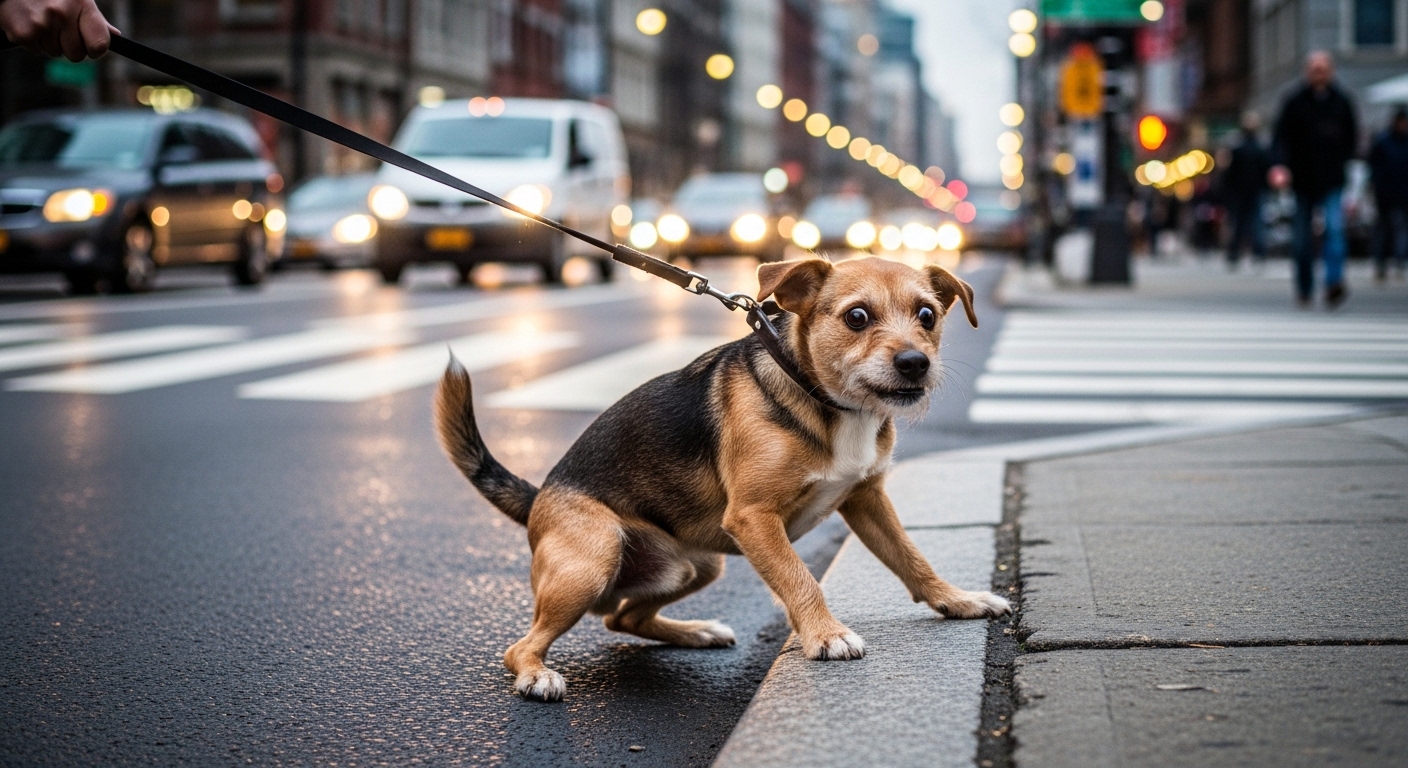
Avoiding these mistakes helps prevent situations where an overwhelmed dog is pulling hard on the leash to escape.
Expert Tips
Patience is your absolute best tool when socializing a fearful dog. To help your pup succeed, keep training sessions very short—sometimes just five minutes is plenty—and always try to end on a positive, successful note. Learn to read canine body language so you can recognize subtle signs of stress, such as lip licking, yawning, or a tightly tucked tail, before they escalate into full panic.
Always let the dog choose to engage. Consent and autonomy are the true foundations of canine confidence.
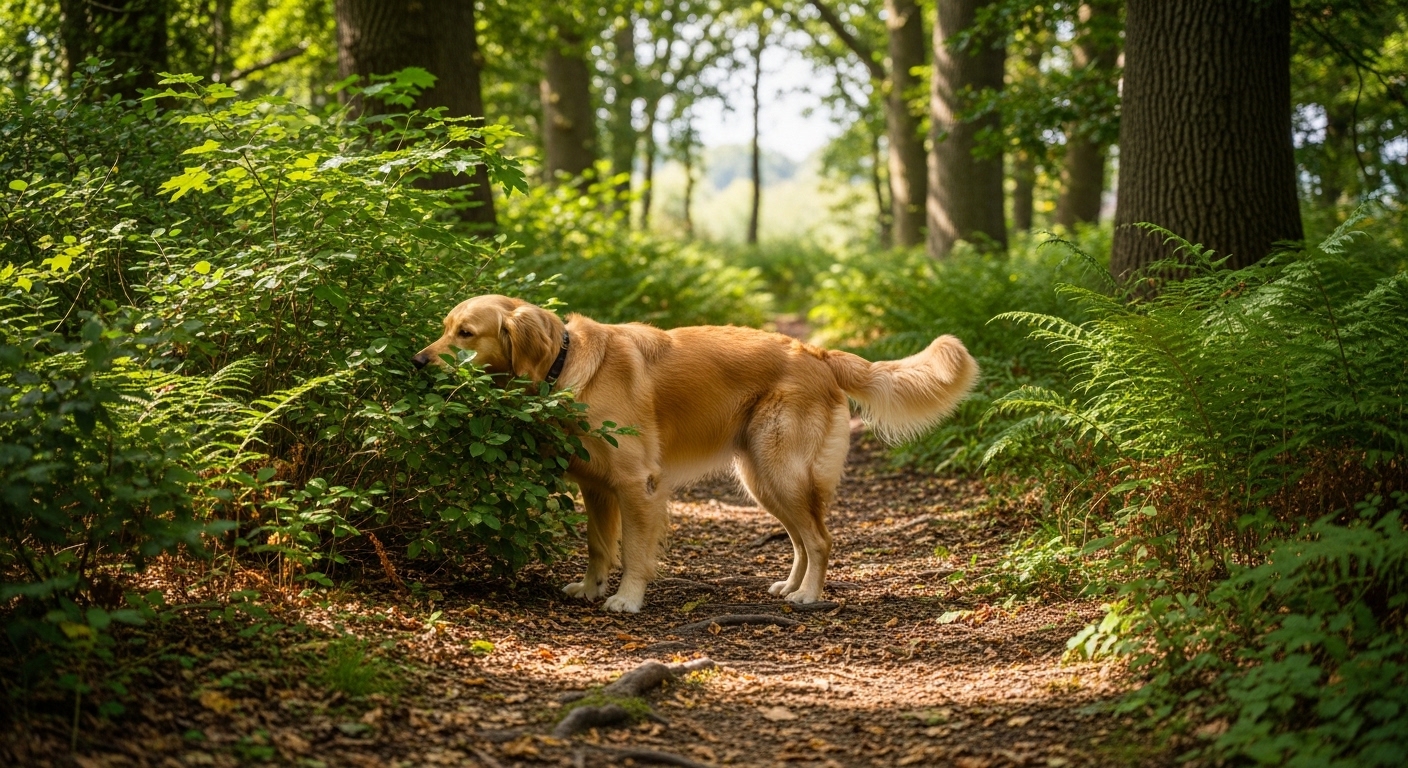
Instead of focusing solely on the things that scare them, give your dog opportunities to engage in natural, stress-relieving behaviors like sniffing and foraging. A great way to build confidence is by letting your dog explore a quiet nature trail at their own pace.
When to See a Pro
If your dog's fear is severe, escalating, or leading to aggressive behaviors, it is time to seek professional help. Always consult your veterinarian first to rule out any underlying medical issues causing pain or anxiety. In some cases, many vets suggest that short-term or long-term behavioral medication may be necessary to help your dog's brain reach a state where learning and counterconditioning are actually possible. You may also want to work alongside a certified applied animal behaviorist or a positive-reinforcement trainer who specializes in fear.
Remember, your goal isn't necessarily to create a social butterfly who loves every stranger and dog they meet. The goal is to help your dog feel safe, secure, and neutral in their environment. Celebrate the tiny victories, be their advocate in stressful situations, and keep this beautiful vision in mind: your once-fearful dog resting peacefully and confidently by your side.

Comments
Post a Comment