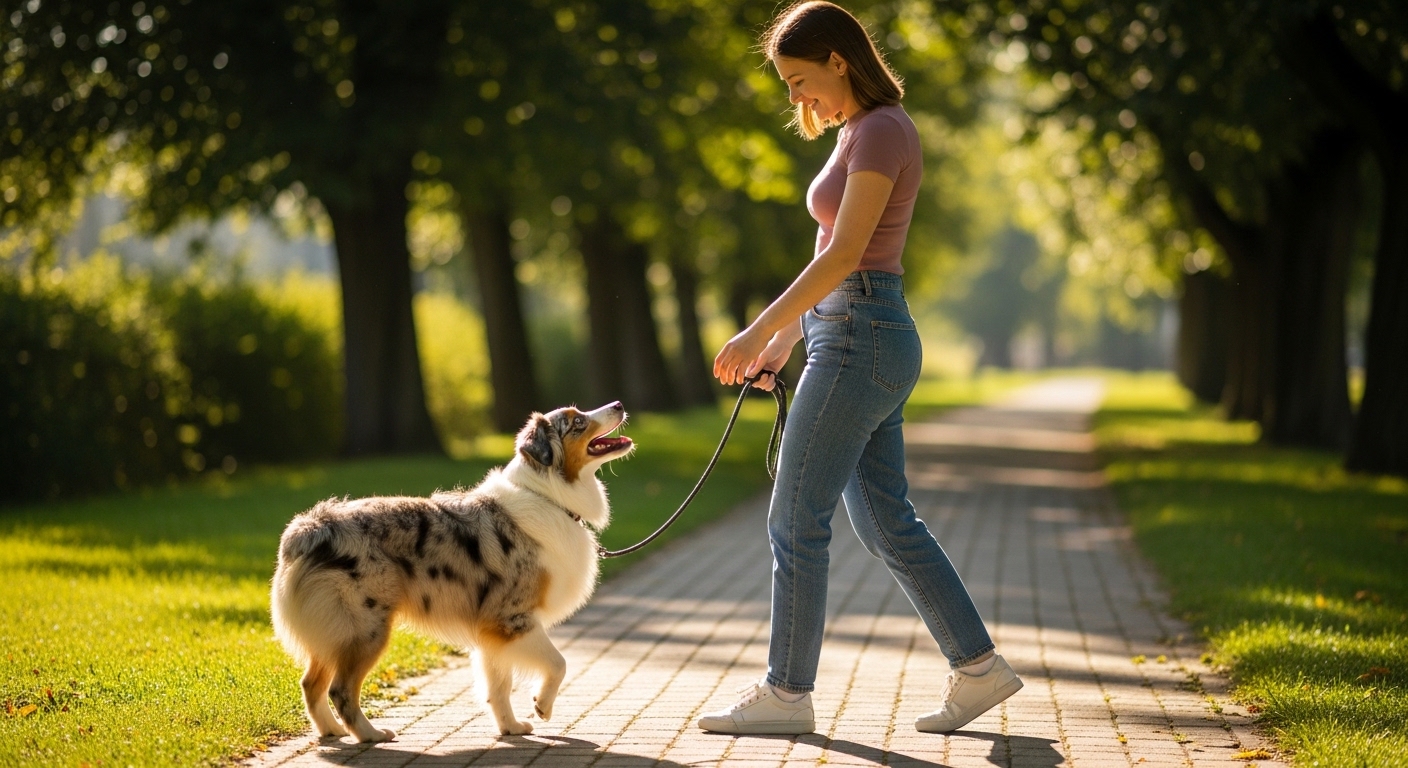
If you have ever felt like you are being water-skied down the sidewalk by your enthusiastic pup, you are certainly not alone. Leash pulling is one of the most common challenges pet parents face, but the good news is that you do not need harsh tools like prong collars or choke chains to fix it. Positive reinforcement and a little patience are all it takes to transform your daily outings. Let's picture a peaceful morning stroll where your furry best friend is trotting happily right by your side, keeping the leash perfectly slack.
Why It Happens
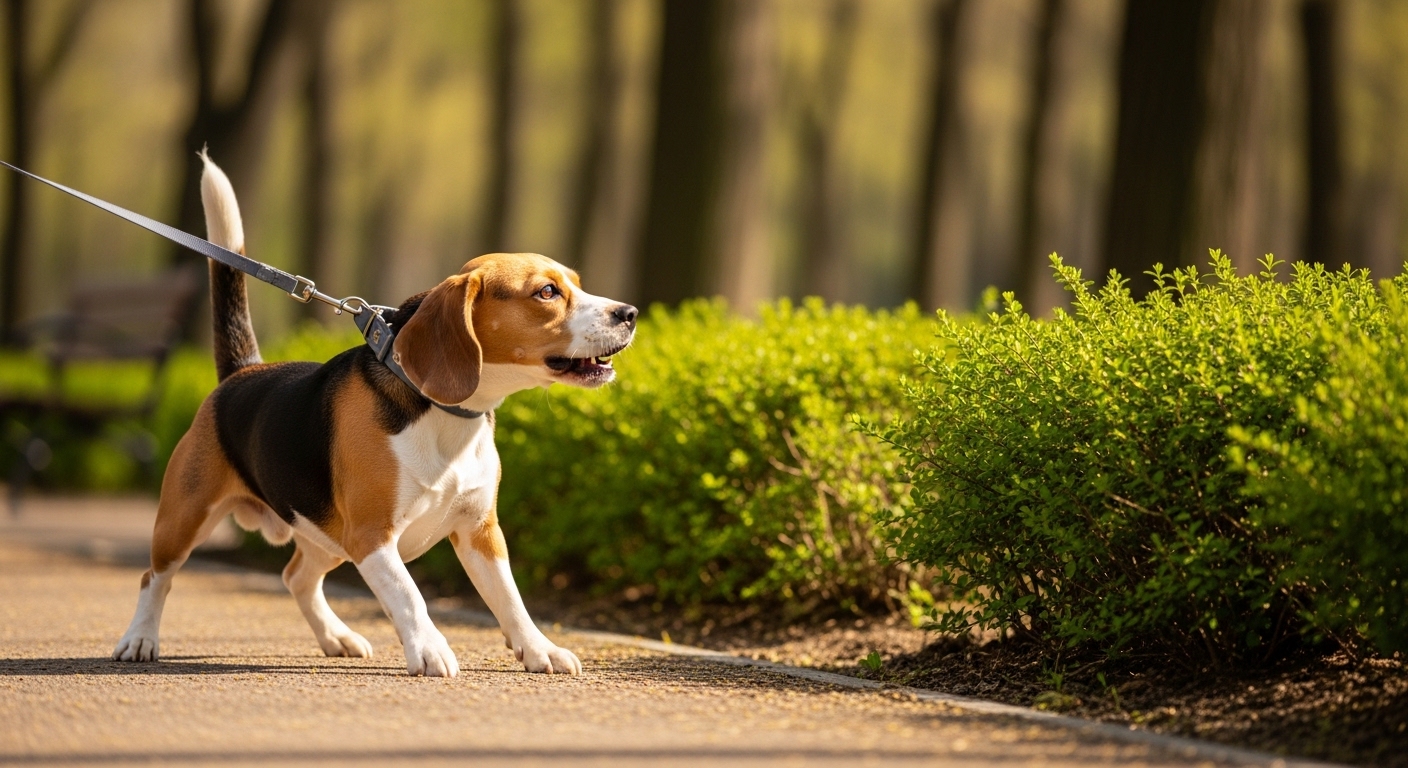
Before we can fix the pulling, it helps to understand why our dogs do it in the first place. The simplest reason is that a dog's natural walking pace is significantly faster than ours. When they step outside, the world is full of exciting smells, sights, and sounds that they want to explore immediately. Furthermore, dogs have a natural "opposition reflex," meaning that when they feel tension on their neck or chest, their instinct is to pull against it. It is completely natural for dogs to lean into pressure, which is why you often see a determined pup straining against their collar to reach an interesting scent.
Step-by-Step Training Method
Teaching loose-leash walking is all about showing your dog that staying near you is the most rewarding choice they can make. Follow these steps to set your dog up for success:
- Start indoors: Begin your training in a hallway or living room where distractions are minimal, rewarding your dog for walking next to your leg.
- Be a tree: The moment the leash goes tight, stop walking completely and wait for your dog to release the tension by stepping back or looking at you.
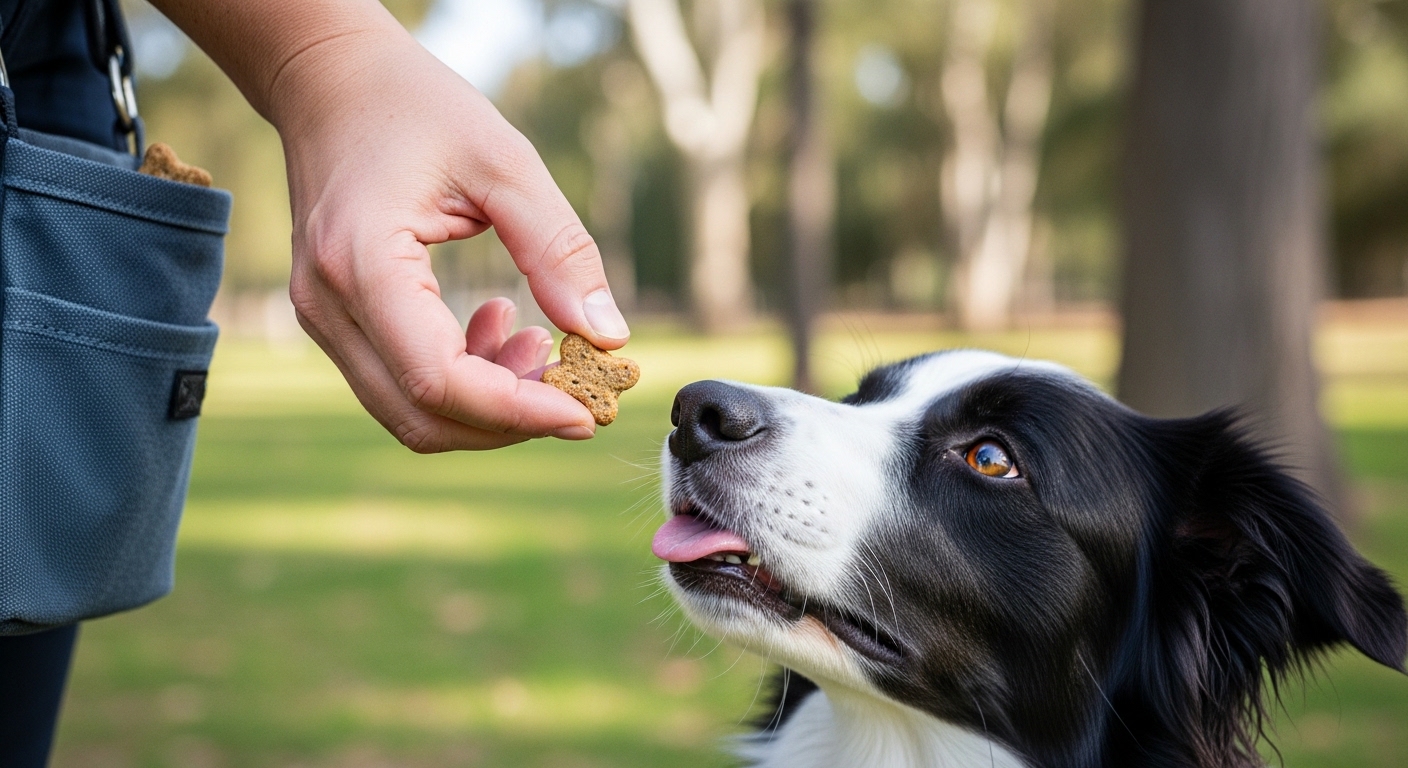
- Reward the sweet spot: Feed treats right at your pant seam so your dog learns that the "heel" position is where the good things happen.
You will want to keep plenty of high-value treats handy in a pouch to quickly reward your dog the moment they look up at you and step back into the correct position.
Common Mistakes
Even with the best intentions, it is easy to accidentally reinforce pulling. Here are a few pitfalls to watch out for:
- Being inconsistent: If you let your dog pull you to a bush just one time, they learn that pulling occasionally works, which makes the behavior harder to break.
- Using restrictive gear: Choke chains and prong collars can cause pain and may increase anxiety or reactivity, rather than teaching the dog what you actually want them to do.
- Rushing the process: Moving from a quiet living room straight to a busy dog park is often too big of a leap for a dog in training.
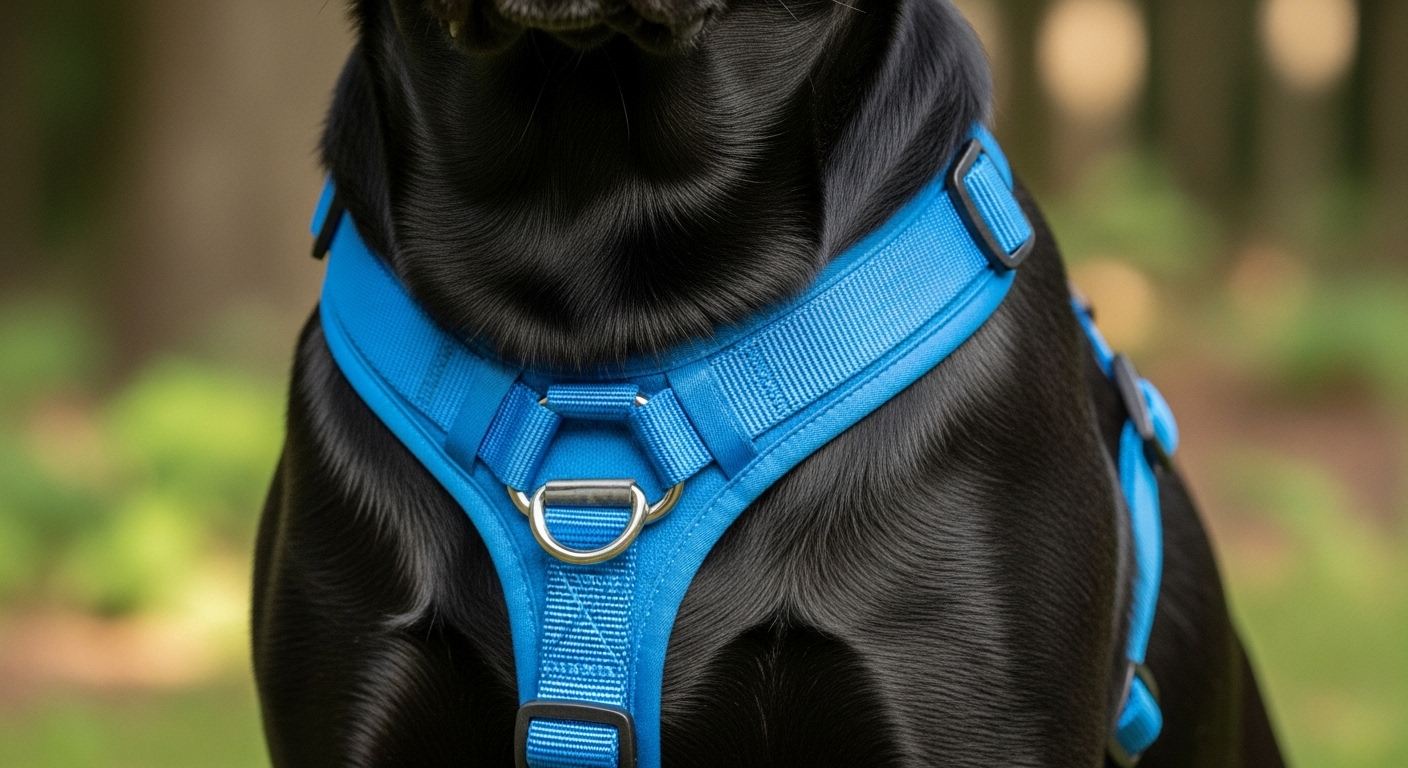
One of the biggest mistakes is using restrictive gear, but switching to a comfortable, well-fitted front-clip harness can make a world of difference in your training.
Expert Tips
To make training stick, you have to be more exciting than the environment. Use an enthusiastic voice, bring their absolute favorite treats, and keep training sessions short and positive.
The secret to loose-leash walking isn't about controlling your dog's neck; it is about capturing their mind and making yourself the most interesting thing on the walk.
To keep your dog engaged and focused on you instead of the squirrels, try changing directions frequently and making the walk feel like a fun, unpredictable game.
When to See a Pro
While many dogs respond beautifully to positive reinforcement at home, some situations require a little extra help. If your dog is pulling because they are reacting aggressively or fearfully to other dogs, or if their pulling is so severe that it poses a fall risk to you, it is time to seek professional guidance. Additionally, if you suspect your dog's erratic walking is due to pain or vision issues, you should consult your veterinarian to rule out any underlying medical conditions. A certified, force-free dog trainer can also provide personalized strategies tailored to your dog's specific needs.
Teaching your dog to walk nicely on a leash is a journey, not an overnight fix. Celebrate the small victories, like a single block walked without tension, and remember to keep your training sessions upbeat. With patience, consistency, and plenty of positive reinforcement, you can look forward to many relaxing, tug-free walks with your beloved canine companion.
Comments
Post a Comment