A neighbor once described her Shiba Inu as 'a cat who agreed to be a dog, but only on his terms.' That about sums it up. The Shiba Inu is one of those breeds that inspires fierce devotion in its owners while simultaneously driving them up the wall — sometimes within the same afternoon. If you are researching this breed hoping for a cuddly, eager-to-please companion who hangs on your every word, it is time for an honest conversation. If, however, you appreciate a dog with genuine personality, a stubborn streak, and the kind of self-possession usually reserved for royalty, read on.
Origins & History
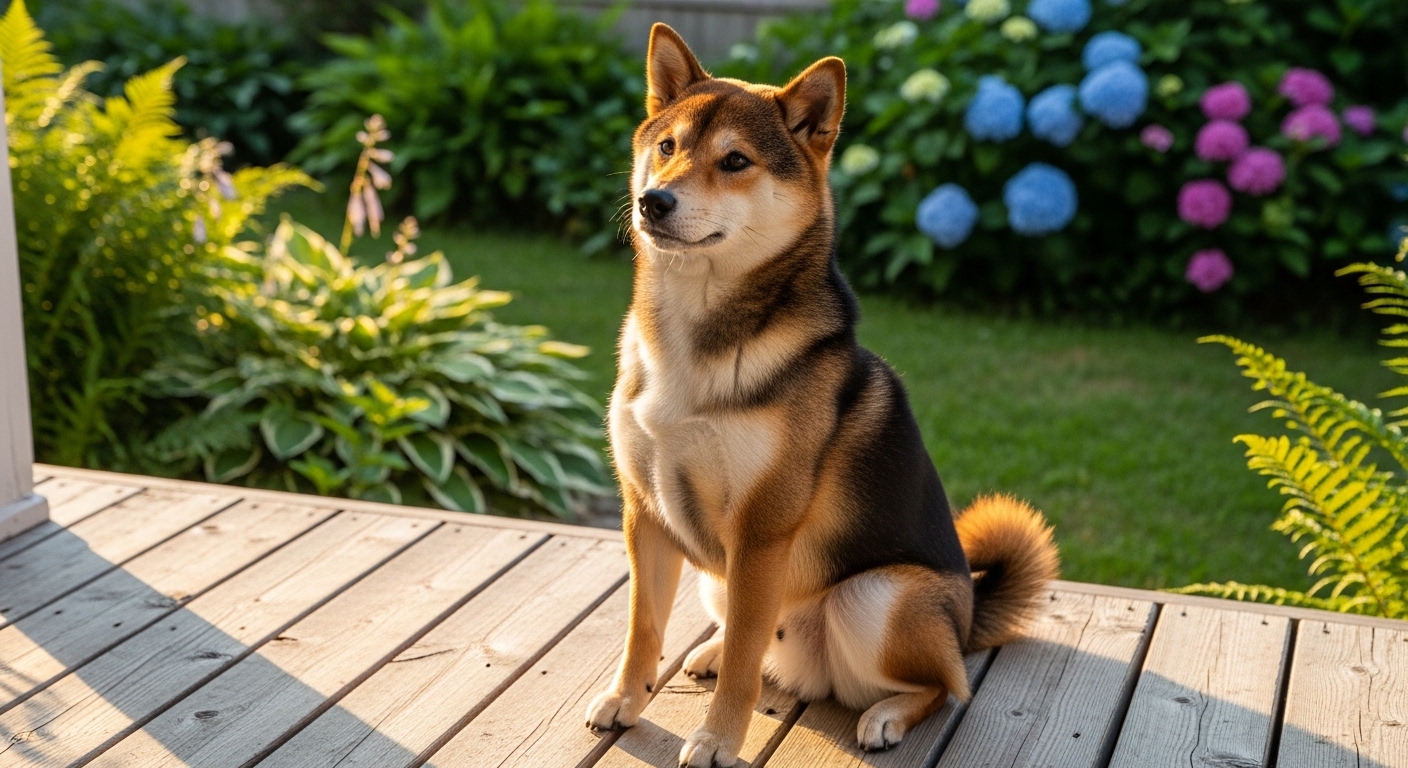
The Shiba Inu is Japan's oldest and smallest native dog breed, with roots stretching back thousands of years. The name translates roughly to 'brushwood dog' — a reference either to the brushwood terrain where the breed hunted, or to the reddish-brown color of brushwood leaves in autumn, depending on which historian you ask. Originally bred to flush birds and small game in Japan's mountainous regions, the Shiba was built for agility, endurance, and independent decision-making in the field.
The breed nearly vanished during World War II, when a combination of wartime food shortages and a distemper epidemic devastated the population. Careful post-war breeding programs using three surviving bloodlines — the Shinshu, Mino, and Sanin Shibas — restored the breed. The Shiba Inu was designated a national treasure in Japan in 1936, and the American Kennel Club officially recognized the breed in 1992. That hunting heritage is not just trivia. It explains almost everything about how a Shiba thinks and behaves today.
Appearance & Size
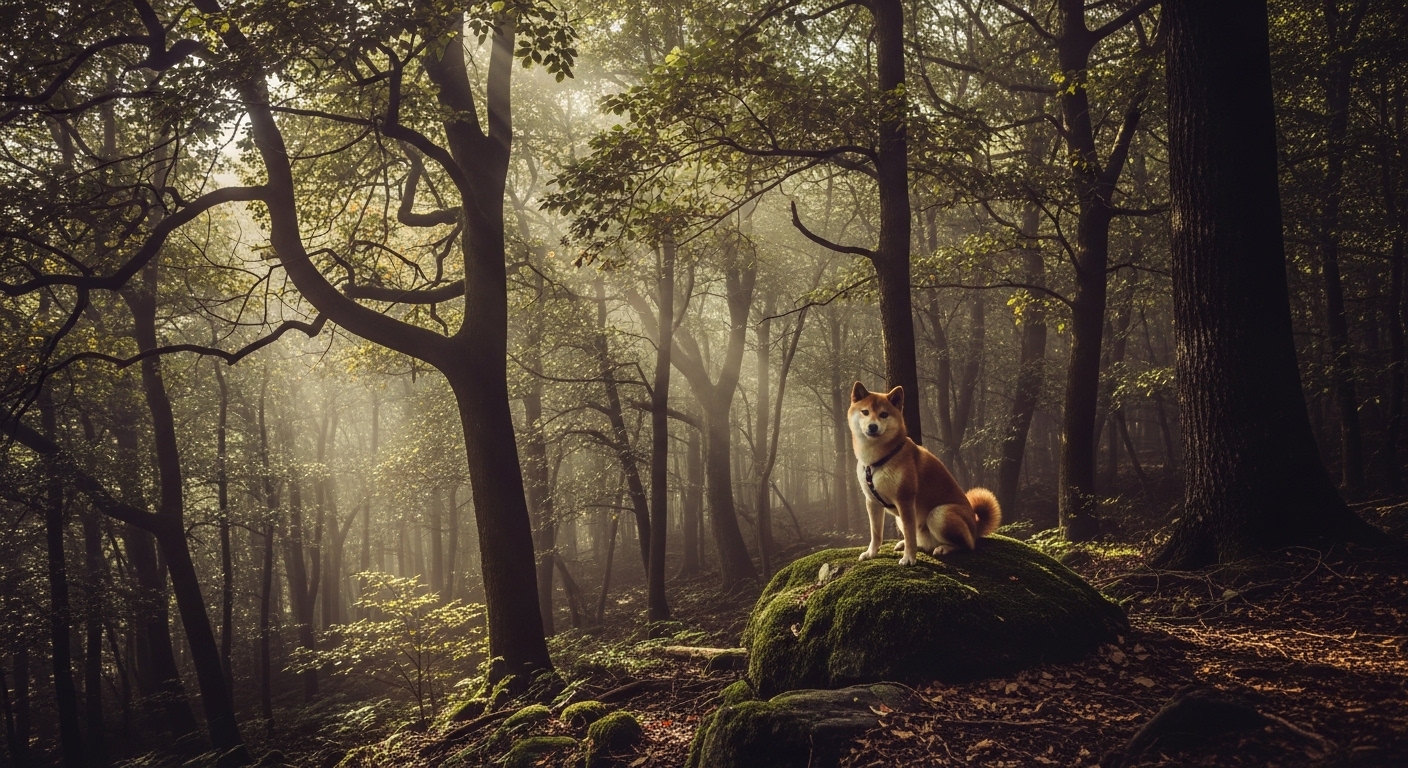
The Shiba Inu is compact, well-muscled, and moves with a light, quick stride that still hints at its hunting origins. Males typically stand 14.5 to 16.5 inches at the shoulder and weigh around 23 pounds; females are slightly smaller, usually 13.5 to 15.5 inches and closer to 17 pounds. The overall impression is of a dog that is both sturdy and nimble — nothing excessive, nothing wasted.
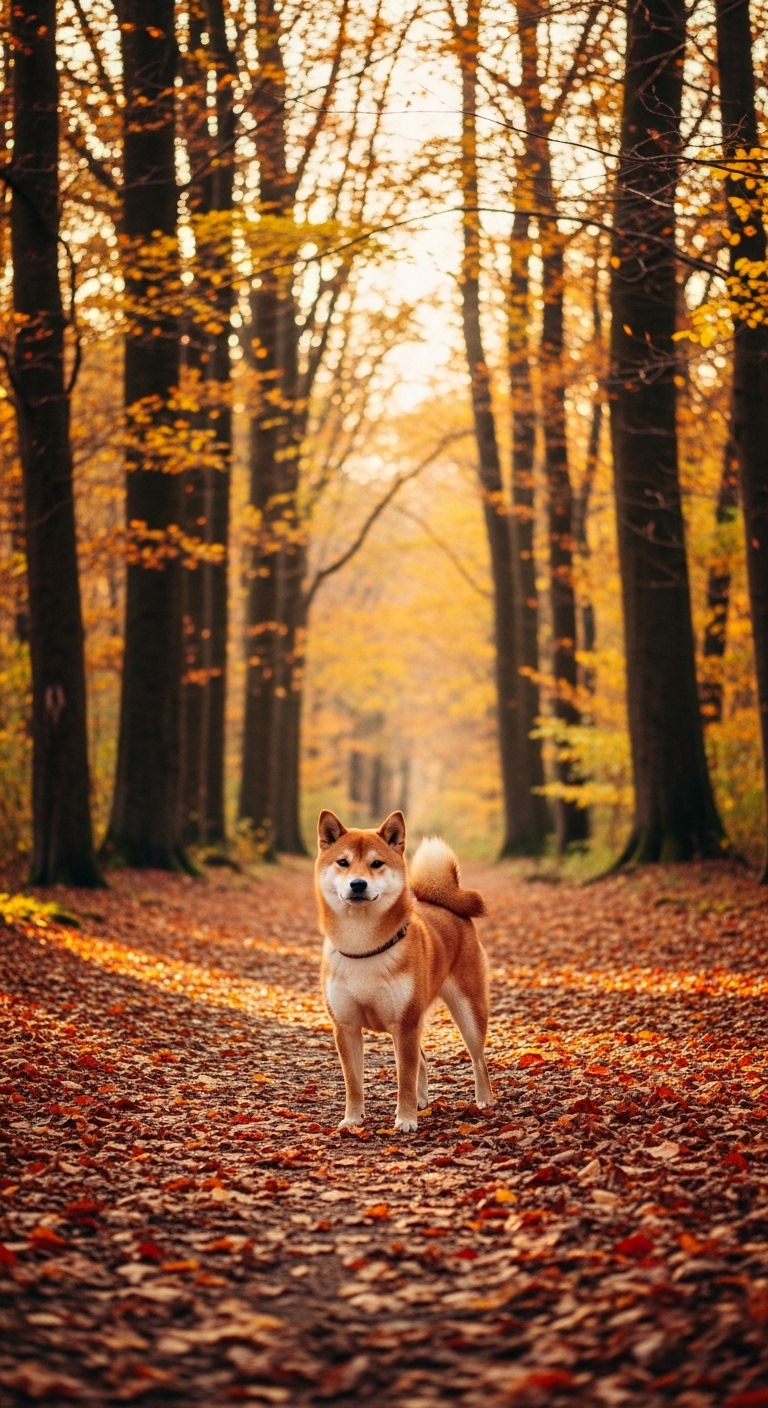
The double coat is one of the breed's most striking features: a stiff, straight outer coat over a soft, thick undercoat. Standard colors include red (the most iconic), black and tan, and sesame. All Shibas carry the characteristic 'urajiro' — cream to white markings on the cheeks, chest, and underside. The curled or sickle tail and upright triangular ears complete a look that many people find irresistible on first sight. Fair warning: that beautiful coat blows out twice a year in dramatic fashion, and you will find fur in places you did not know existed in your home.
Temperament
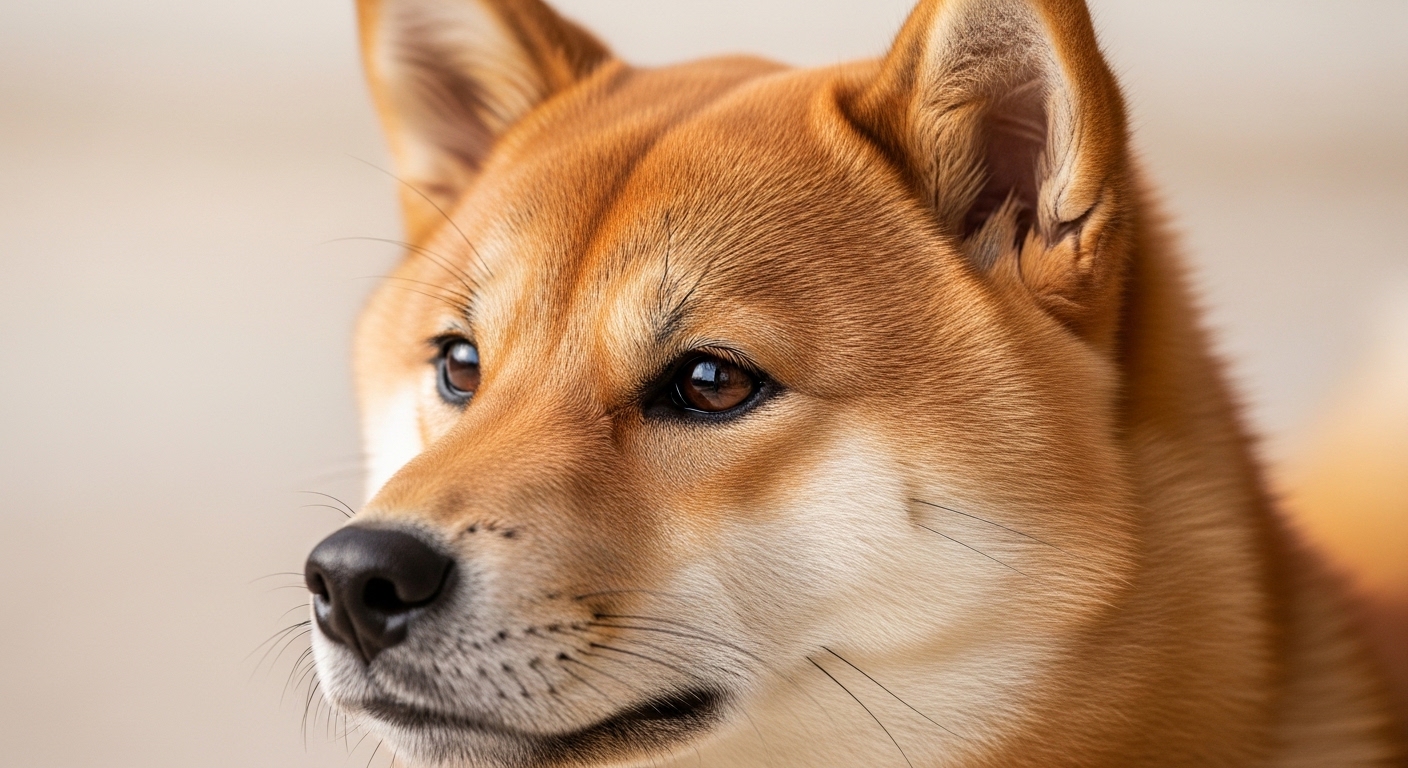
Shiba Inus are often described using three Japanese words: 'kan-i' (spirited boldness), 'ryosei' (good nature), and 'soboku' (alertness). In practice, this translates to a dog who is confident to the point of aloofness, affectionate on his own schedule, and acutely aware of everything happening in a five-block radius. They are not unfriendly — but they are selective. A Shiba may greet a stranger with dignified indifference rather than tail-wagging enthusiasm, and many owners find this oddly refreshing.
The independence is real and consistent. Unlike a Labrador who looks to you for guidance at every turn, a Shiba is perfectly comfortable forming his own opinions about a situation. This makes off-leash trust genuinely difficult to build, and many experienced Shiba owners simply accept that a fully fenced yard is non-negotiable. The prey drive is strong enough that a squirrel across the street can override months of recall training in under a second.
They can be wonderful with children who understand boundaries, but they are not naturally tolerant of rough handling. Early socialization matters enormously with this breed — a Shiba who meets a wide variety of people, animals, and environments before six months of age is a noticeably different adult dog than one who did not.
Real Owner Reality: Many first-time Shiba owners admit they spent the first few months convinced something was wrong with their dog because he did not seem to 'need' them the way other dogs do. He eats, he explores, he occasionally consents to a chin scratch, and then he goes back to doing his own thing. For owners who equate affection with constant proximity, this can feel like rejection. It is not — it is just Shiba.
A Shiba Inu will respect you far more if you respect his autonomy. Push too hard for affection and you will get the famous 'Shiba 500' zoomies followed by pointed ignoring.
Health & Lifespan
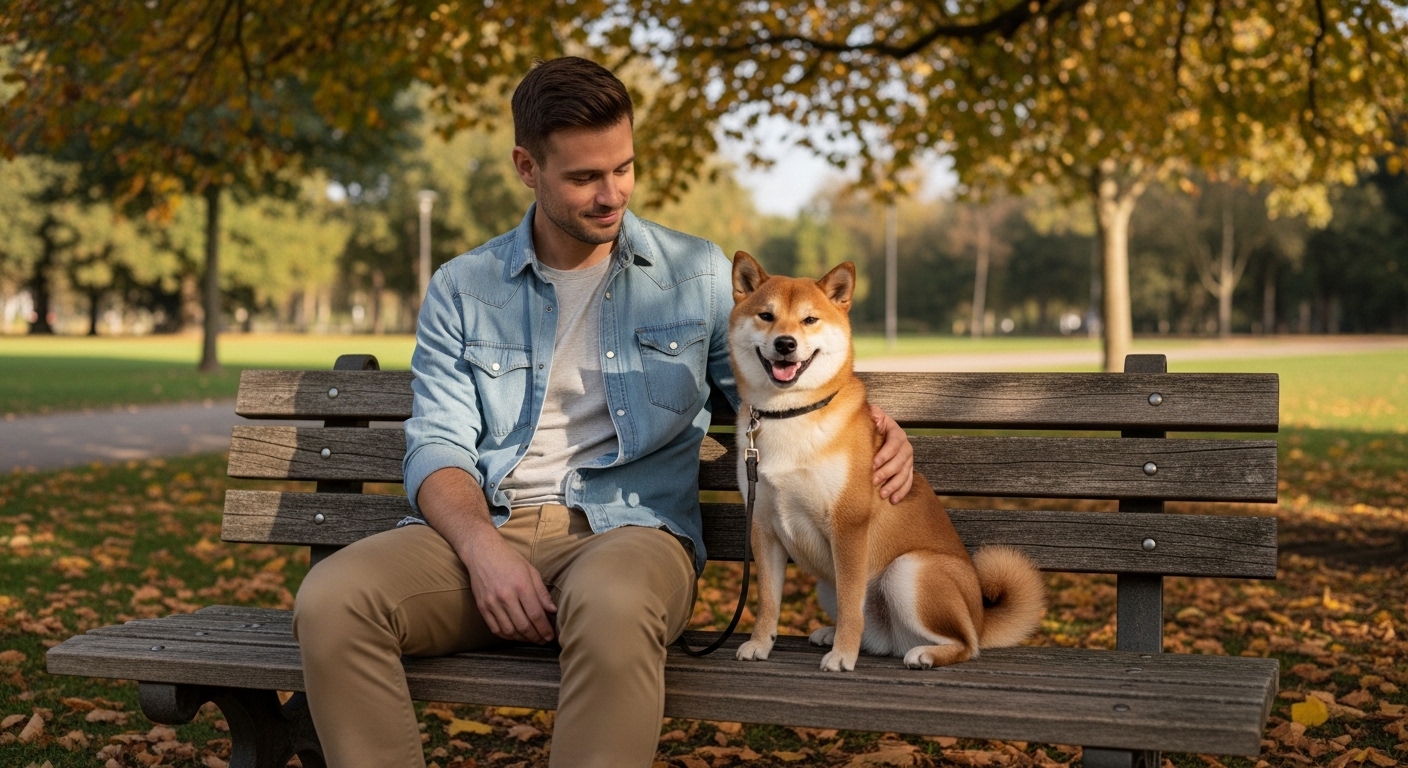
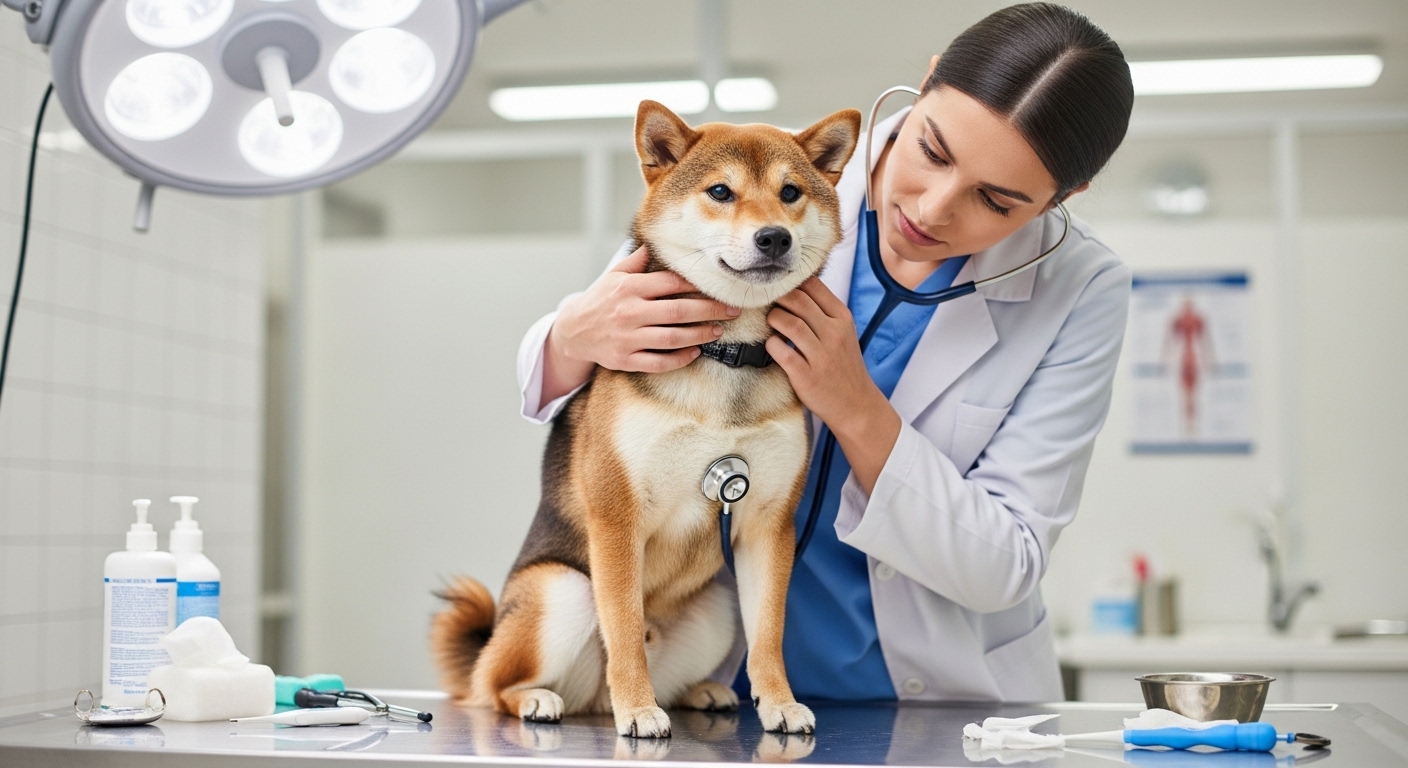
Shiba Inus are generally a hardy breed with a lifespan of 13 to 16 years. They are not free of health concerns, but compared to many popular breeds, the list is relatively manageable. That said, responsible ownership means staying informed and maintaining regular veterinary checkups throughout the dog's life.
Some conditions that may affect Shibas include:
- Allergies: Skin allergies are fairly common in the breed and may present as itching, redness, or recurring ear infections — always worth discussing with your vet if you notice persistent scratching.
- Patellar luxation: A condition where the kneecap slips out of position, which can range from mild to requiring surgical correction in some cases.
- Hip dysplasia: Less common than in larger breeds, but reputable breeders will screen for this in their breeding stock.
- Progressive retinal atrophy (PRA): A hereditary eye condition that may lead to vision loss; DNA testing is available and responsible breeders use it.
- Hypothyroidism: Some Shibas may develop thyroid issues in middle age, which many vets suggest is manageable with medication once diagnosed.
If you are purchasing from a breeder, ask to see health clearances for both parents. If you are adopting, a thorough vet exam shortly after adoption gives you a solid baseline. Either way, consult your veterinarian for any health concerns specific to your individual dog.
Is This Breed Right for You?
Honest answer: probably not for most first-time dog owners, and that is not an insult to anyone. The Shiba Inu rewards owners who have some experience reading dog body language, who understand that training this breed requires patience and creativity rather than repetition and force, and who genuinely enjoy a dog with a strong personality rather than finding it exhausting.
They adapt reasonably well to apartment living, provided they get adequate daily exercise — typically two solid walks plus some mental stimulation. They are naturally clean dogs who often groom themselves in a cat-like manner, which is a genuine plus. The trade-off is that the twice-yearly shedding season is not subtle. A lint roller becomes a permanent accessory.
Consider a Shiba if you:
- Have previous experience with independent or primitive breeds
- Can commit to consistent, positive-reinforcement-based training from puppyhood
- Have a securely fenced yard or are disciplined about leash use
- Appreciate a dog who is affectionate without being clingy
- Are prepared for a 13-to-16-year commitment to a strong-willed animal
Think carefully before committing if you have very young children, multiple small pets, or limited time for socialization in the first year. A poorly socialized Shiba can develop resource guarding or dog-reactive behaviors that become genuinely difficult to manage.
Frequently Asked Questions
Are Shiba Inus good for first-time dog owners?
They can work for first-time owners who do thorough research and are willing to invest in puppy classes and consistent training, but they are not the most forgiving breed for beginners. A Shiba will find and exploit inconsistency in your approach almost immediately. Many experienced trainers suggest first-time owners start with a more biddable breed and work up to a Shiba once they have a better feel for dog communication and training mechanics.
Do Shiba Inus get along with other dogs?
It varies considerably by individual and socialization history. Some Shibas coexist peacefully with other dogs, particularly those they were raised alongside. Others show same-sex aggression or simply prefer to be the only dog in the household. Early and ongoing socialization improves the odds, but there are no guarantees. If you already have a dog at home, a meet-and-greet before adoption or purchase is strongly recommended.
What is the 'Shiba scream' and should I be worried?
The Shiba scream is a high-pitched, dramatic vocalization that the breed produces when distressed, over-excited, or simply unhappy about something — like nail trims or being picked up unexpectedly. It sounds alarming to anyone who has not heard it before, but in most cases it is not a sign of pain or injury. That said, if your dog vocalizes in a way that seems genuinely distressed or is accompanied by other symptoms, consult your veterinarian to rule out anything physical.
The Shiba Inu is not a breed you train into submission and then enjoy on autopilot. They require ongoing engagement, clear boundaries, and an owner who finds their quirks amusing rather than maddening. Get the relationship right and you will have a remarkably healthy, long-lived, and genuinely interesting dog. Get it wrong and you will have a very handsome dog who has decided your rules do not apply to him. The difference usually comes down to how much homework you did before bringing one home.
Comments
Post a Comment