Having a dog that comes when called—often referred to as a "recall"—is one of the most important skills you can teach your furry friend. Not only does it make walks and park visits more enjoyable, but it is also a critical safety measure that could one day save your dog's life. Building a rock-solid recall takes time, patience, and the right approach, especially when you are competing with squirrels, other dogs, and fascinating scents. Picture your dog happily sprinting back to you across an open field, completely ignoring the distractions around them.
Why It Happens
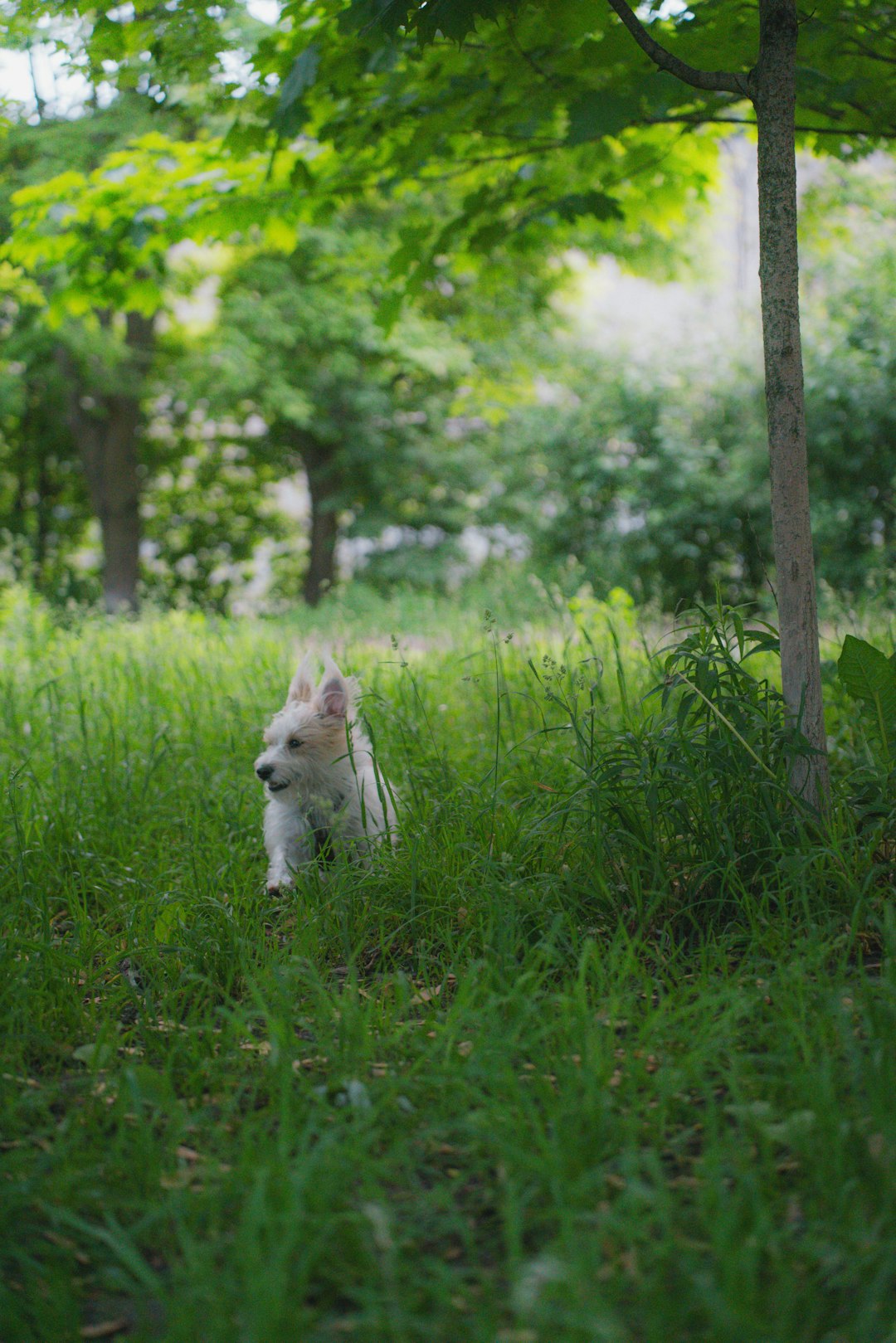
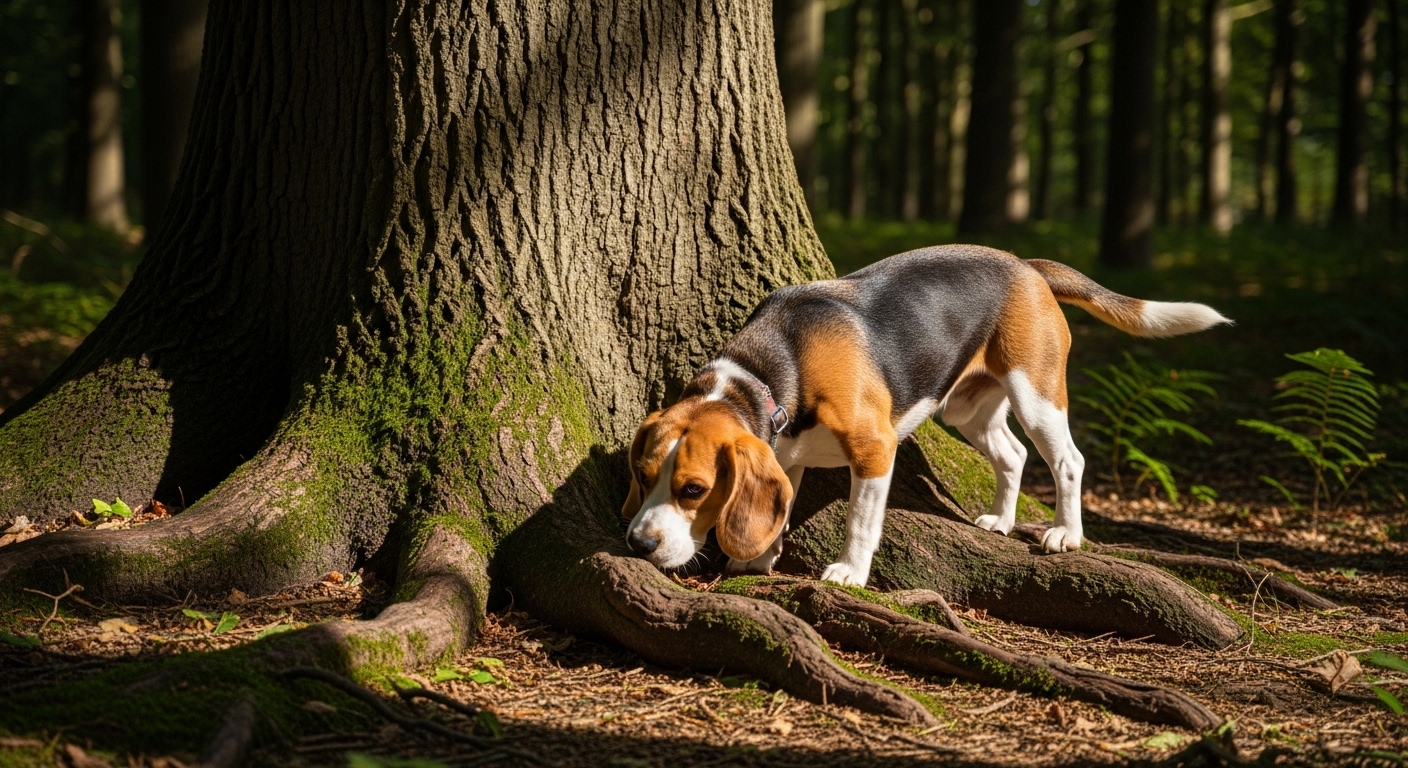
Before diving into training, it helps to understand why dogs often ignore us when we call. From an evolutionary standpoint, dogs are driven by their senses. A rustling bush or a fleeing rabbit triggers a strong prey drive that can easily override their desire to listen to you. Additionally, the environment is incredibly reinforcing; every new smell is like reading the morning news. It is completely natural for a dog to become captivated by the fascinating sights and smells of the great outdoors.
Step-by-Step Training Method
Building a reliable recall starts in a quiet, low-distraction environment like your living room before moving to the great outdoors. Follow these foundational steps to set your dog up for success:
- Choose a unique cue: Pick a specific word like "Come" or "Here" and only use it when you are actively training this behavior.
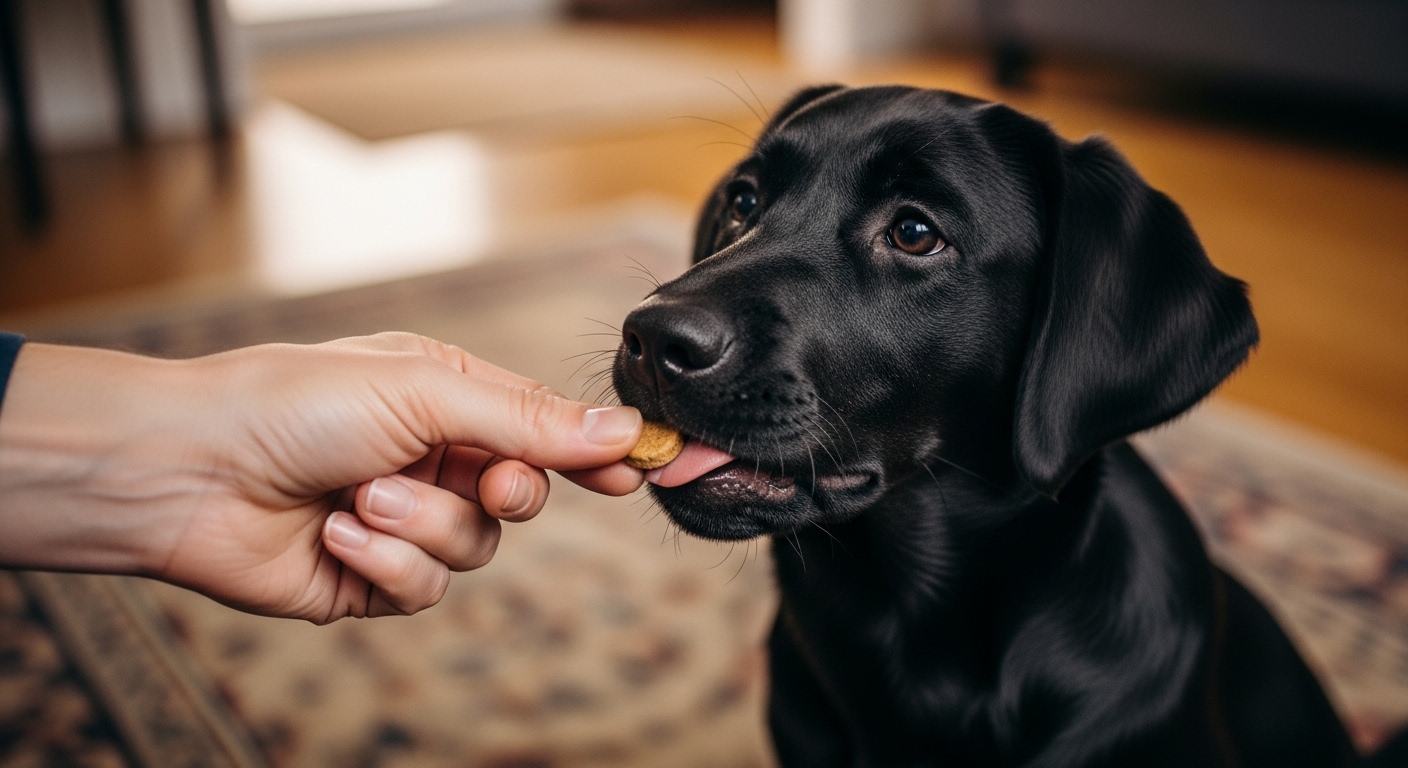
- Start close and reward: Stand just a few feet away, say the cue once in a happy tone, and immediately give a treat when your dog takes a step toward you.
- Add distance gradually: Slowly increase the distance between you and your dog, practicing in different rooms of the house.
- Introduce mild distractions: Move to a fenced backyard and practice the recall while your dog is mildly engaged with sniffing or walking.
Rewarding your dog generously with high-value treats is the secret to making them want to return to your side every single time.
Common Mistakes
Even well-meaning pet parents can accidentally sabotage their dog's recall training. Here are a few pitfalls you should try to avoid:
- Calling your dog for something negative: Never call your dog to do something they dislike, such as getting a bath, having their nails trimmed, or leaving the park.
- Repeating the cue: Saying "come, come, come!" teaches your dog that they do not have to listen the first time you ask.
- Punishing a slow return: If you scold your dog when they finally arrive, they will associate returning to you with punishment rather than praise.
A frustrated posture or angry tone will only make your dog hesitant to approach you.

Expert Tips
Taking your recall from the living room to a bustling dog park requires strategic planning. Always use the highest value rewards—like bits of plain boiled chicken or cheese—when practicing outside.
The rule of thumb for recall is to make yourself the most exciting thing in your dog's environment; run away playfully, use a high-pitched voice, and throw a mini-party when they arrive.
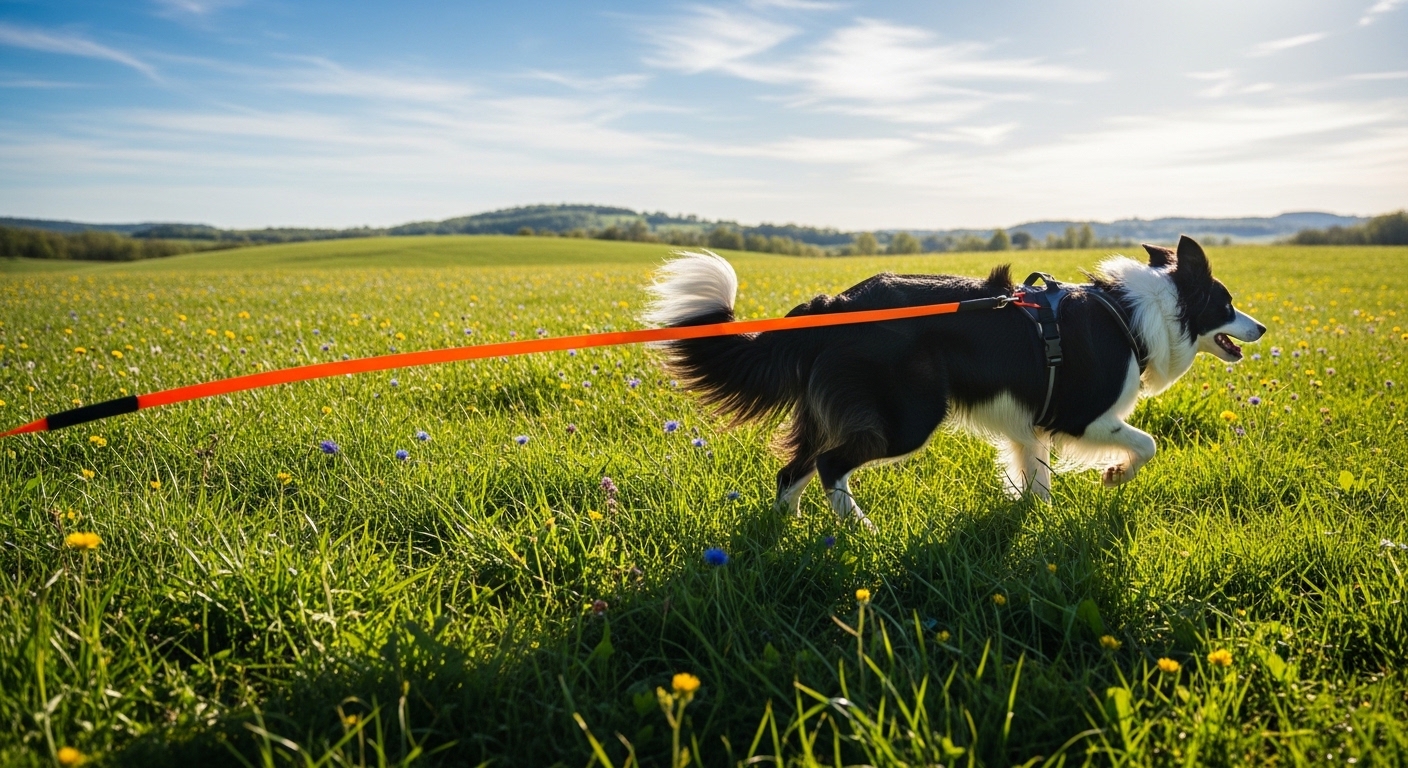
If you are struggling with off-leash reliability, do not rush the process. Practicing with a long training lead allows your dog to explore safely while you maintain control during the learning process.
When to See a Pro
Sometimes, despite your best efforts, a dog's prey drive or environmental anxiety may be too intense to manage on your own. If your dog consistently bolts, shows signs of extreme fear outdoors, or if you feel completely overwhelmed, it may be time to consult a certified positive reinforcement dog trainer or an animal behaviorist. They can provide a tailored training plan and help identify any underlying behavioral issues safely.
Teaching your dog to come when called is an ongoing journey rather than a one-time lesson. Keep your training sessions short, fun, and highly rewarding. Celebrate the small victories, and remember that building trust takes time. With patience and consistency, you and your furry best friend can enjoy safe, off-leash adventures together.
Comments
Post a Comment