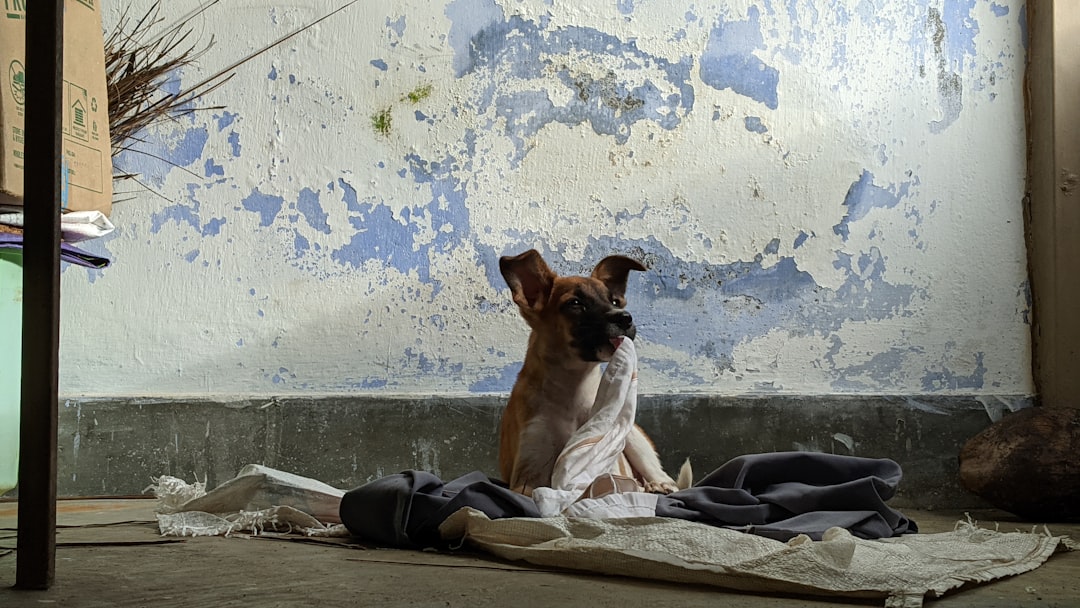
Coming home after a long day should be relaxing, but that feeling quickly vanishes when you walk into a living room covered in fluff. If your dog destroys things when left alone, you are certainly not the only pet parent facing this frustrating challenge. Understanding whether your dog is acting out of simple boredom or true separation anxiety is the first step toward a peaceful home. You might open your front door only to find your guilty-looking dog sitting amidst a pile of shredded sofa cushions.
Why It Happens
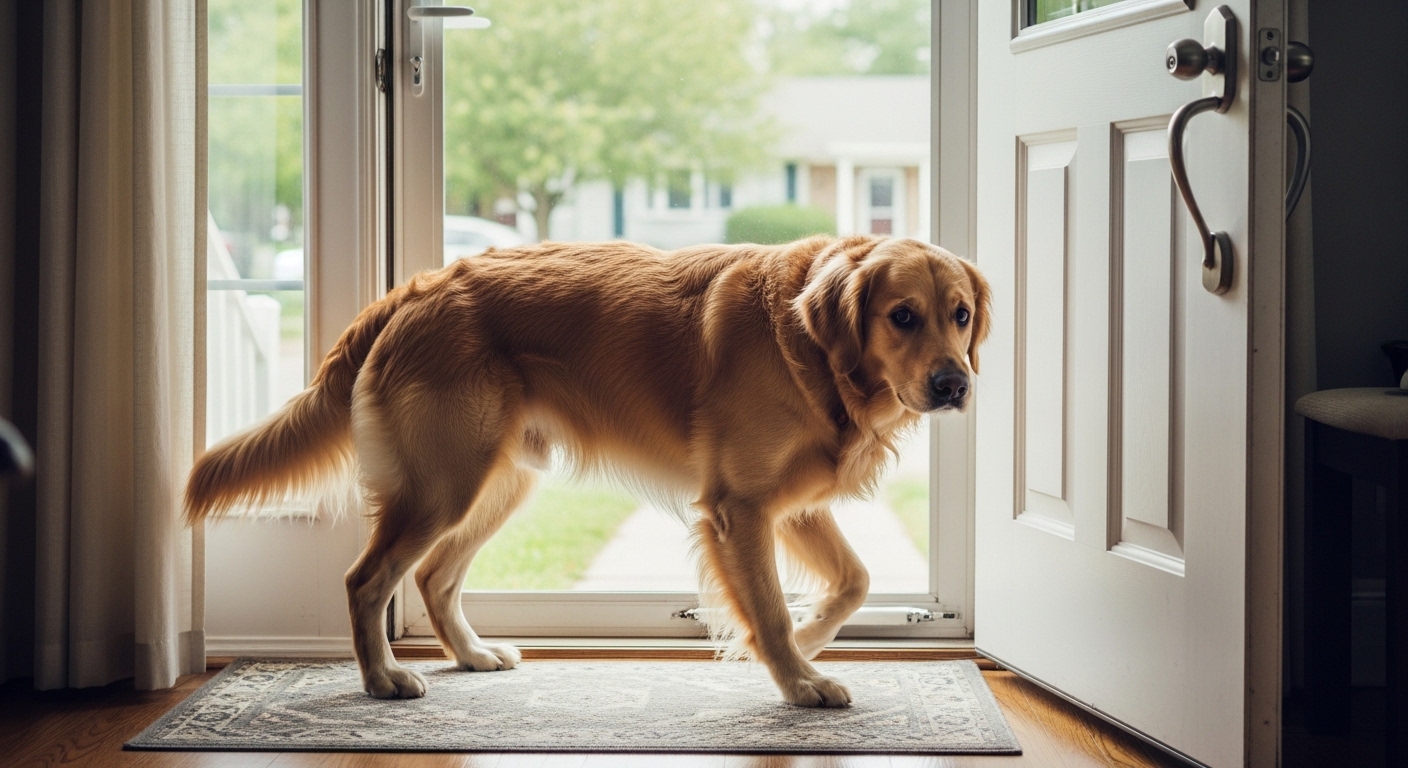
Dogs are naturally active, social foragers. When left alone for hours, that pent-up energy needs an outlet. However, there is a distinct difference between a bored dog and an anxious one. Boredom usually happens when a dog lacks physical or mental stimulation; they chew the baseboards simply because it is something to do. Separation anxiety, on the other hand, is a panic response to being left alone. Anxious dogs may drool excessively, try to escape, or have house-training accidents. It is helpful to observe their body language, as a bored dog might just look for a toy, while an anxious dog often paces nervously by the front door or window.
Step-by-Step Training Method
Once you determine the root cause, you can begin to reshape their alone-time habits. Here is a reliable method to help ease both boredom and mild anxiety:
- Tire them out: Take your dog for a long, sniff-heavy walk before you leave. A tired dog is much more likely to sleep while you are gone.
- Desensitize your departure: Pick up your keys or put on your coat, but do not leave. This helps break the association that these cues mean they are about to be abandoned.
- Practice short absences: Step outside for just one minute, then return. Gradually increase the time as your dog remains calm.
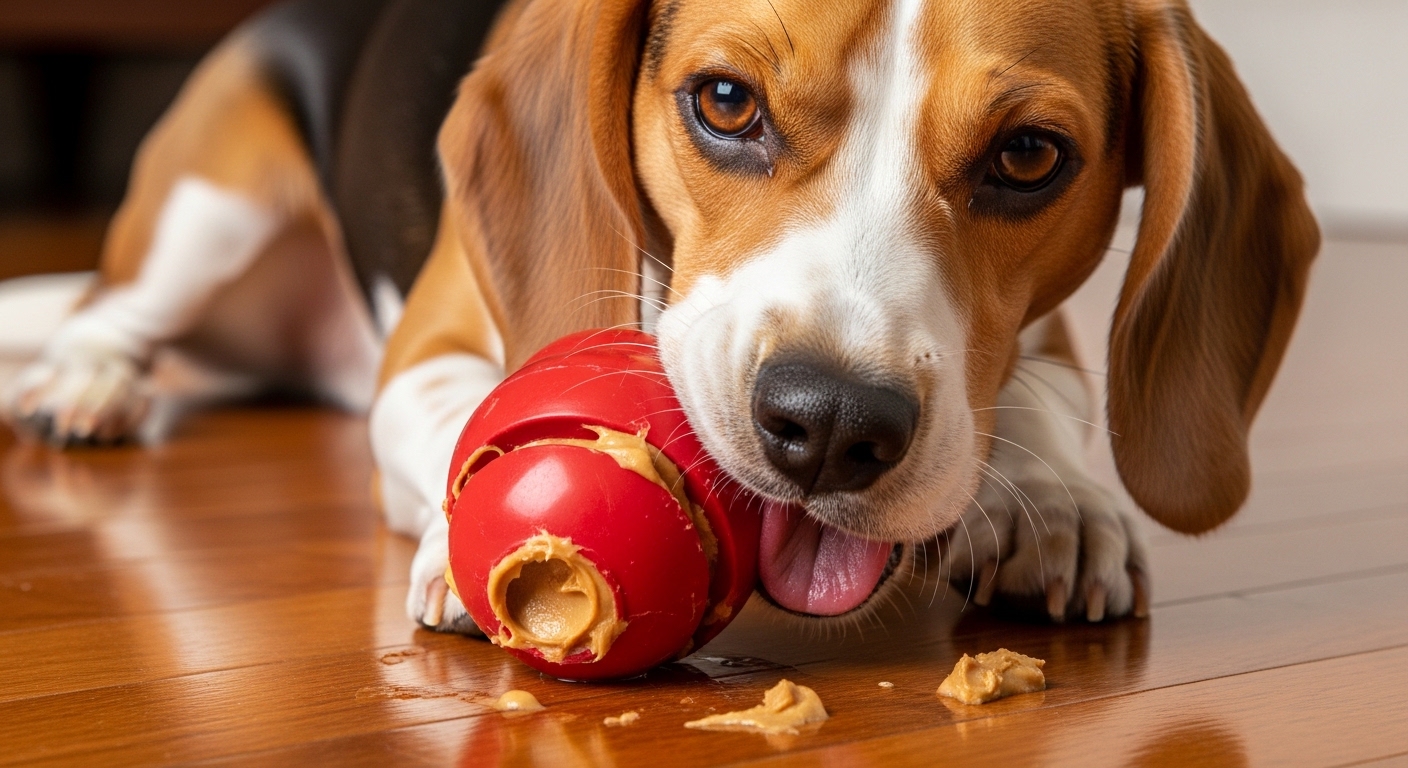
- Provide high-value distractions: Give them something amazing that they only get when you leave.
A great way to keep their mind occupied is by offering a durable puzzle toy filled with frozen treats right before you walk out the door.
Common Mistakes
When trying to correct destructive behavior, human instincts often backfire. Avoid these common pitfalls:
- Punishing after the fact: Dogs live in the moment. If you yell at them for something they destroyed hours ago, they will only learn to fear your return.
- Emotional goodbyes: Making a big, emotional scene when you leave validates their fear that your departure is a big deal.
- Using a crate as punishment: A crate should be a safe haven. Forcing a panicking dog into a small space can exacerbate their anxiety and lead to injury.
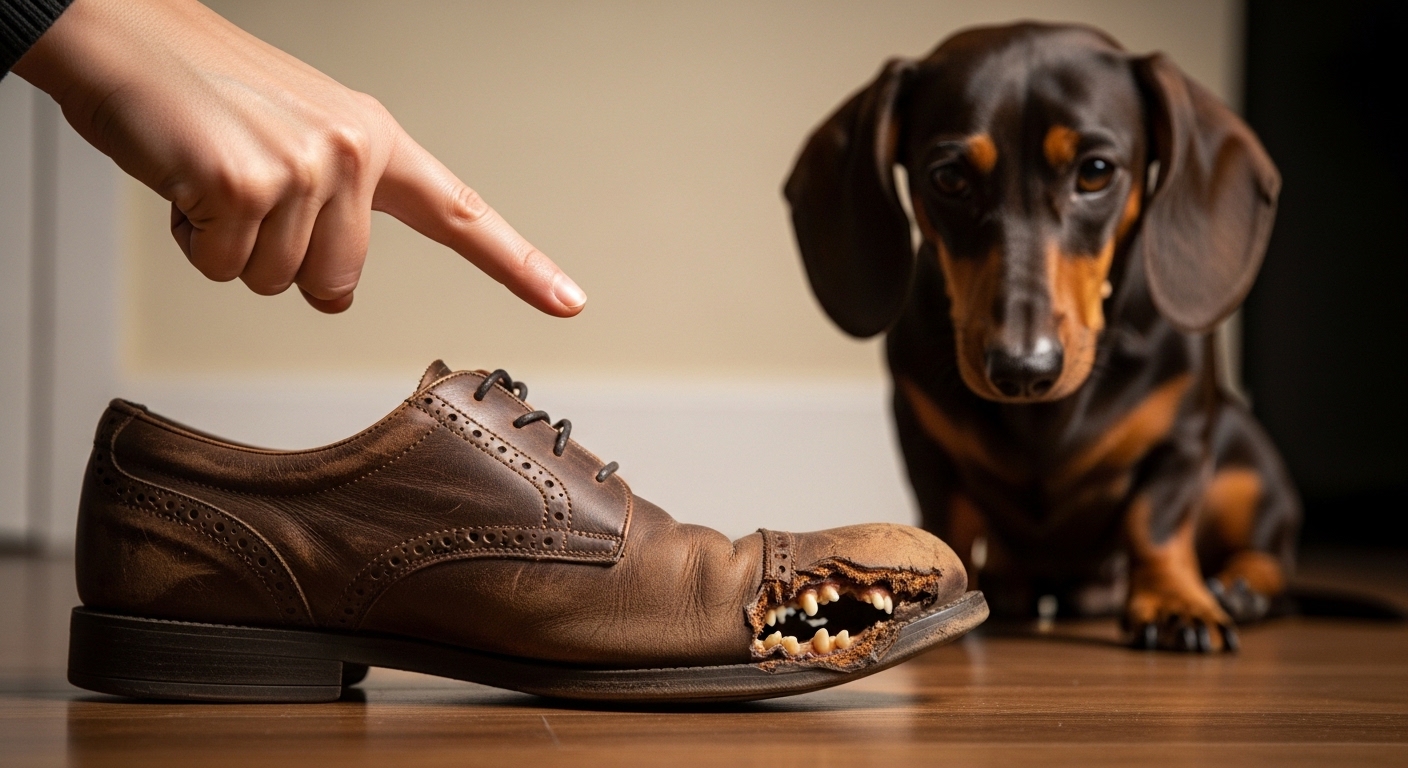
For instance, scolding your dog while pointing at a chewed-up shoe only creates confusion and fear, rather than teaching them what to do.
Expert Tips
Setting up a relaxing environment can make a world of difference for a dog prone to chewing.
The secret to a calm dog is making your absence feel as boring and routine as possible. Keep departures and arrivals completely neutral.
Here are a few extra strategies to try:
- Leave an unwashed t-shirt with your scent in their bed.
- Close the blinds to block out stimulating triggers like squirrels or mail carriers.
- Use a pet camera to monitor their behavior and see exactly when the destruction starts.
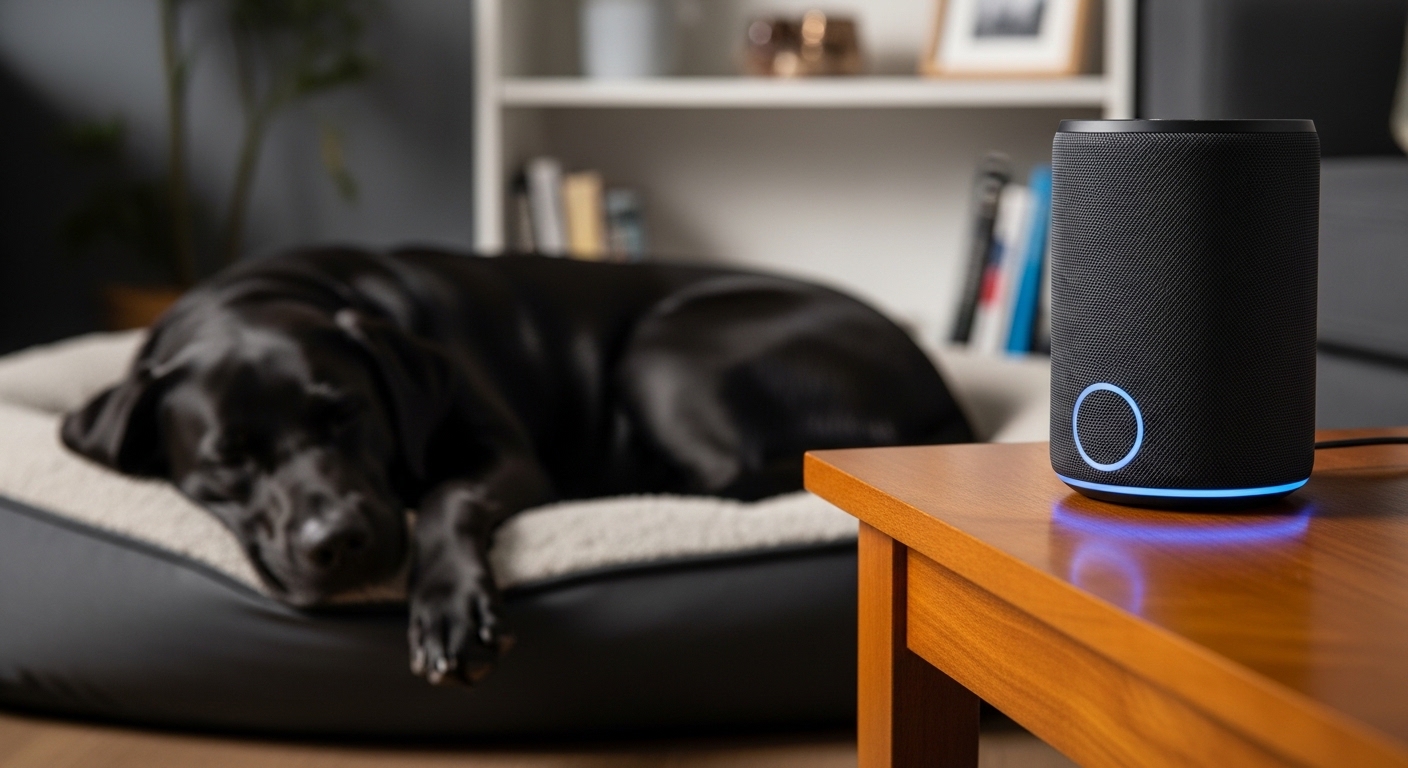
Many pet parents find success by turning on a smart speaker to play soft, classical music to drown out outside noises while they are away.
When to See a Pro
If your dog is destroying door frames, injuring themselves trying to escape, or showing severe signs of panic, it is time to seek professional help. Separation anxiety can be a complex behavioral issue that requires a tailored modification plan. Always consult your veterinarian first to rule out any underlying medical conditions that may be causing sudden behavioral changes. In some cases, your vet may suggest anti-anxiety medication to help lower your dog's panic threshold enough for training to be effective. You can also partner with a certified canine behaviorist for hands-on guidance.
Dealing with a destructive dog can be incredibly stressful, but remember that they are not doing it out of spite. They are simply trying to cope with big feelings in a human world. With patience and the right approach, your furry best friend can learn to relax happily on the living room rug until you return.
Comments
Post a Comment