You catch your dog in the act, and your stomach drops. Coprophagia — the technical term for poop-eating — is one of those behaviors that genuinely baffles and disgusts dog owners, yet it is far more common than most people admit at the dog park. Some dogs do it occasionally; others seem almost compulsively drawn to it. Before you spiral into worry, know that there are real, identifiable reasons behind this habit, and most cases are manageable with the right approach. That said, it can sometimes signal an underlying health issue, so a vet check is always a smart first step.
Why It Happens: The Science and Instinct Behind It
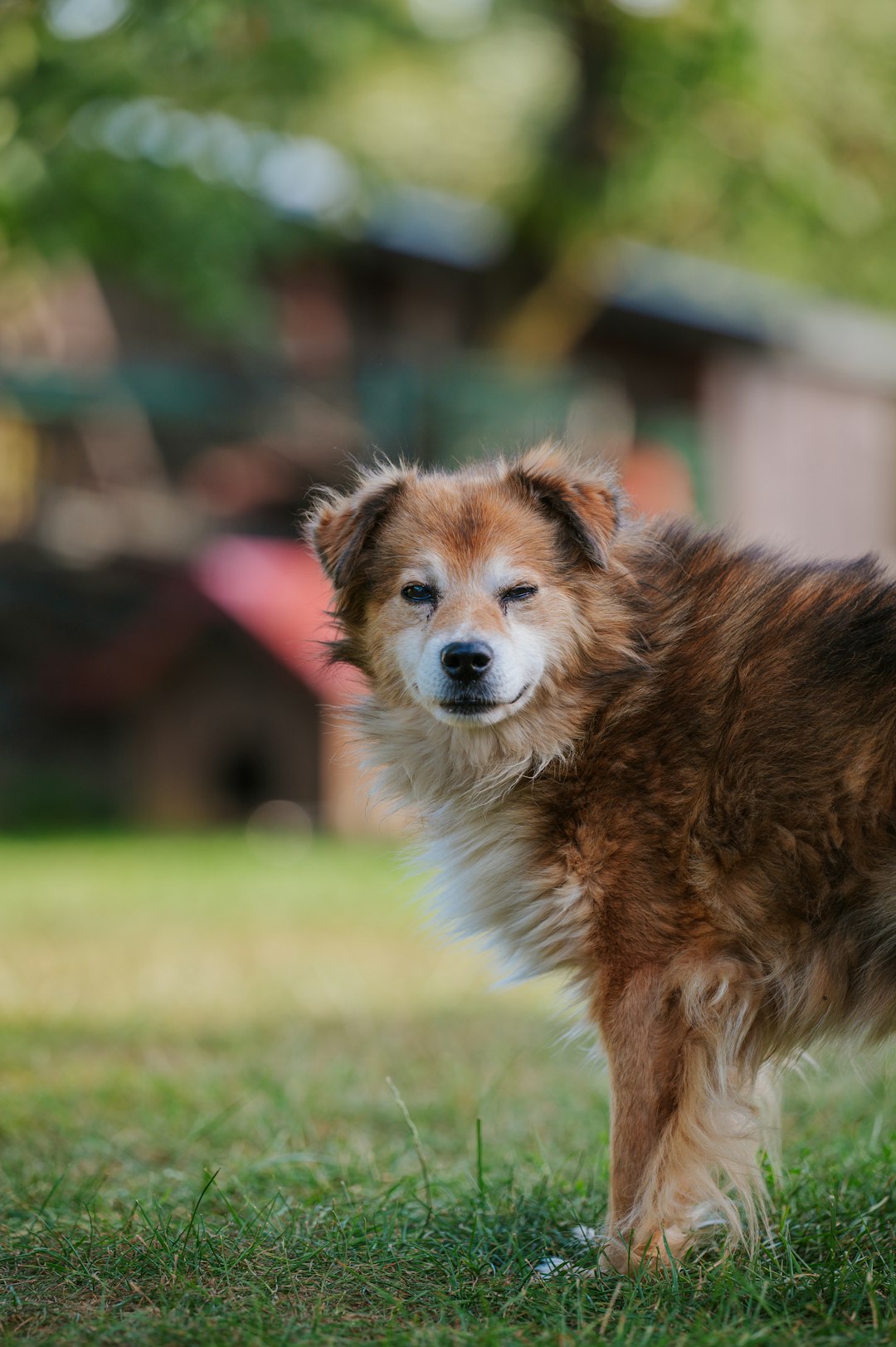
Dogs did not evolve in spotless suburban backyards. Their wild ancestors scavenged, and eating feces — particularly from prey animals — was a normal part of that lifestyle. Nursing mother dogs routinely consume their puppies' waste to keep the den clean, and puppies often mimic this behavior as part of early exploration. For many dogs, especially young ones, poop-eating starts as pure curiosity and fades on its own by around nine months of age.
When it persists into adulthood, the reasons tend to fall into a few categories. Nutritional deficiencies or malabsorption issues may cause a dog to seek out partially digested nutrients in feces. Enzyme deficiency is one theory that has gained traction among researchers — the idea being that modern commercial diets lack certain digestive enzymes that dogs historically obtained from raw prey, prompting them to seek those enzymes elsewhere. Parasites can also play a role by reducing nutrient absorption, which is exactly why your vet should rule out a medical cause before you assume it is purely behavioral.
Stress, boredom, and anxiety are significant behavioral drivers. Dogs confined to small spaces for long periods, or those who have experienced punishment-based house training, sometimes develop coprophagia as a coping mechanism or even as a way to hide evidence of accidents. Attention-seeking is another angle — if your dog has learned that eating poop makes you sprint across the yard yelling, that reaction itself becomes a reward. The behavior is reinforced whether the attention is positive or not.
Diet quality matters more than many owners realize. A dog eating a low-quality kibble packed with fillers may pass stool that still smells strongly of undigested food, making it oddly appealing to the dog's nose. Hunger — whether from insufficient feeding, competition with other pets, or a medical condition like diabetes or Cushing's disease — can also push a dog toward eating anything available, including feces.
Step-by-Step Management Strategy
There is no single fix that works for every dog, but a structured approach covers most cases. Work through these steps consistently before deciding nothing is helping — most owners give up too quickly, often after just a week or two.
- Rule out medical causes first. Schedule a vet visit to check for parasites, malabsorption issues, nutritional deficiencies, and underlying conditions like diabetes or thyroid problems. Do not skip this step.
- Improve diet quality. Switch to a food with named meat proteins as the first ingredient and minimal fillers. Many dogs show improvement simply from better nutrition and more consistent feeding schedules.
- Supervise outdoor time. Keep your dog on a leash during bathroom breaks so you can redirect immediately. The less access they have to feces, the faster the habit can break.
- Pick up immediately. Remove feces from your yard as soon as possible — ideally right after your dog goes. No access means no opportunity to practice the behavior.
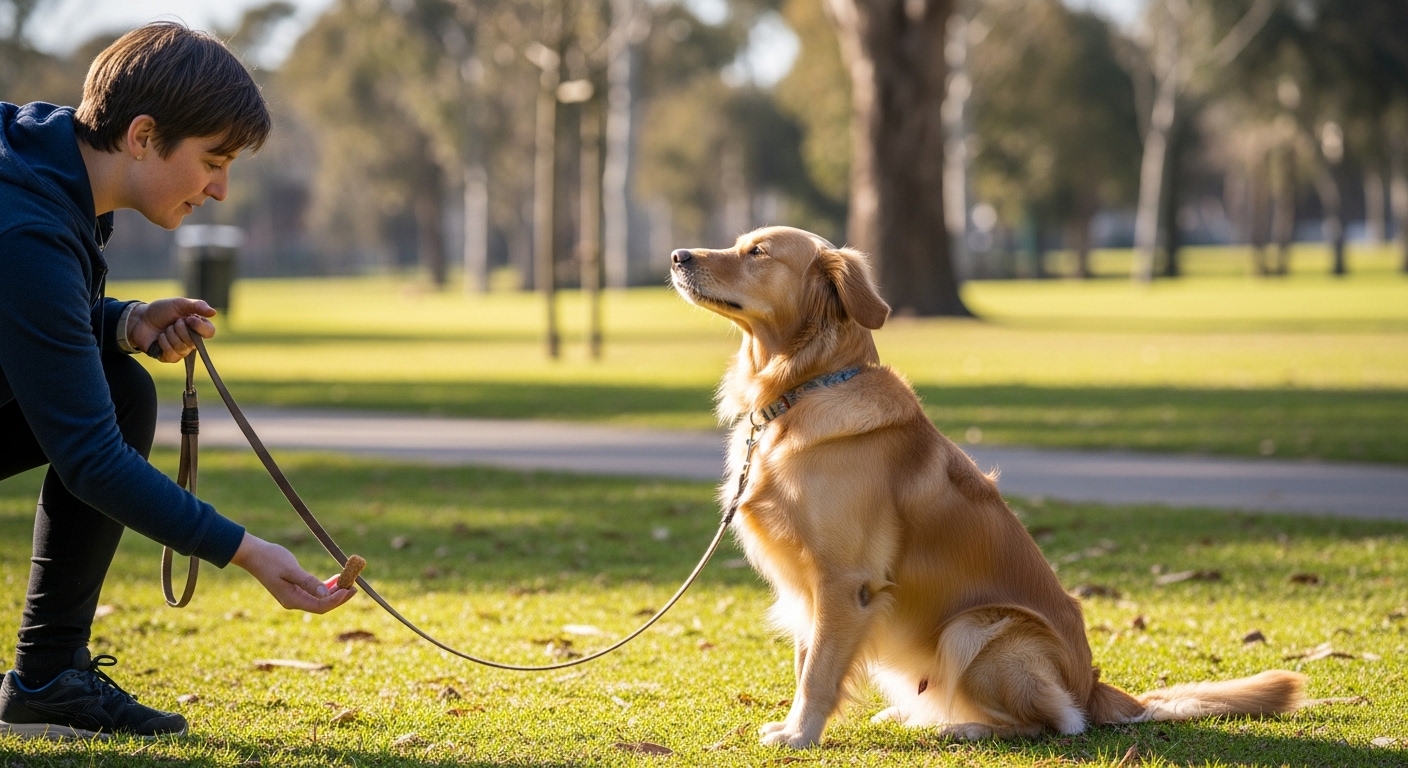
- Teach a solid 'leave it' cue. This is genuinely one of the most practical obedience skills for this problem. Practice it in low-distraction settings first, then gradually work up to using it outdoors near the temptation.
- Add deterrents to the stool. Products containing ingredients like yucca schidigera or certain hot pepper compounds can be added to food, making the resulting stool less appealing. Results vary widely — some owners swear by them, others see no change at all.
- Address boredom and anxiety. Increase daily exercise, add enrichment toys, and evaluate whether your dog is spending too much time alone. A tired, mentally stimulated dog is less likely to engage in compulsive behaviors.
Consistency across everyone in the household is non-negotiable. If one family member lets the dog roam unsupervised in the yard while another is diligently managing every outing, progress will stall.
Common Mistakes That Make It Worse
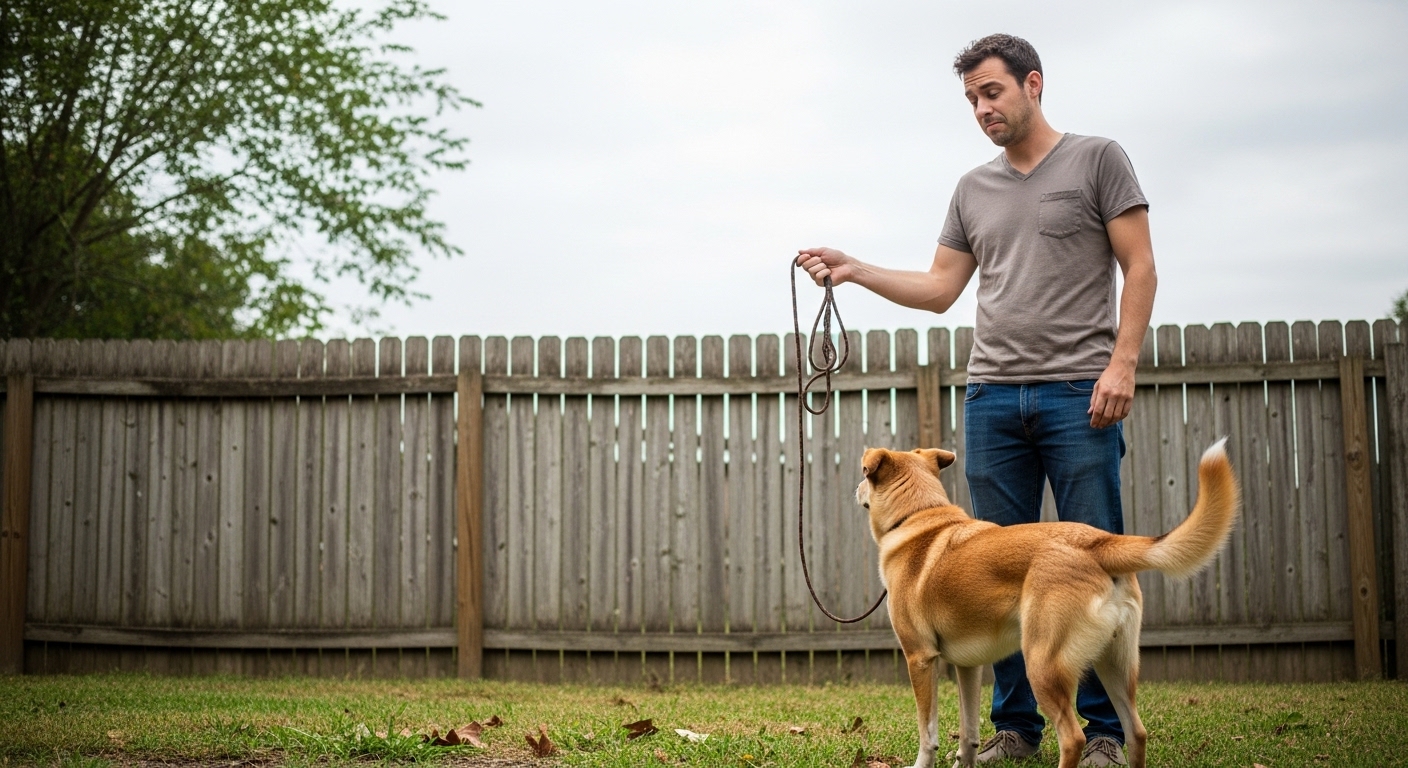
Reacting dramatically is probably the most widespread mistake. Chasing your dog, shouting, or making a big scene can unintentionally turn poop-eating into an exciting game — or worse, a reliable way to get your attention. Keep your voice calm and your movements deliberate when you redirect.
Punishment after the fact does nothing useful. Dogs do not connect a scolding delivered thirty seconds later to the act they just committed. You will only create confusion and anxiety, which can actually increase stress-related coprophagia. Timing in dog training is everything, and if you missed the moment, you missed it.
Relying solely on deterrent products without addressing the root cause is another common pitfall. Those stool additives work for some dogs in some situations, but if the underlying driver is anxiety, boredom, or a nutritional gap, no amount of hot sauce in the kibble will solve the problem long-term.
Many owners also underestimate how much their dog's feeding schedule affects the behavior. Free-feeding — leaving food out all day — can make it harder to track intake and may contribute to irregular digestion. Structured meal times give you more control and make it easier to anticipate when your dog will need to go outside.
Expert Tips That Actually Help
Veterinary behaviorists often point out that multi-dog households have higher rates of coprophagia, particularly when one dog eats the feces of another. If you have multiple dogs, managing who goes outside when — and cleaning up immediately — becomes even more critical. Cats are another factor: many dogs find cat litter boxes irresistible, and keeping the litter box in a location the dog cannot access is a simple but effective fix.
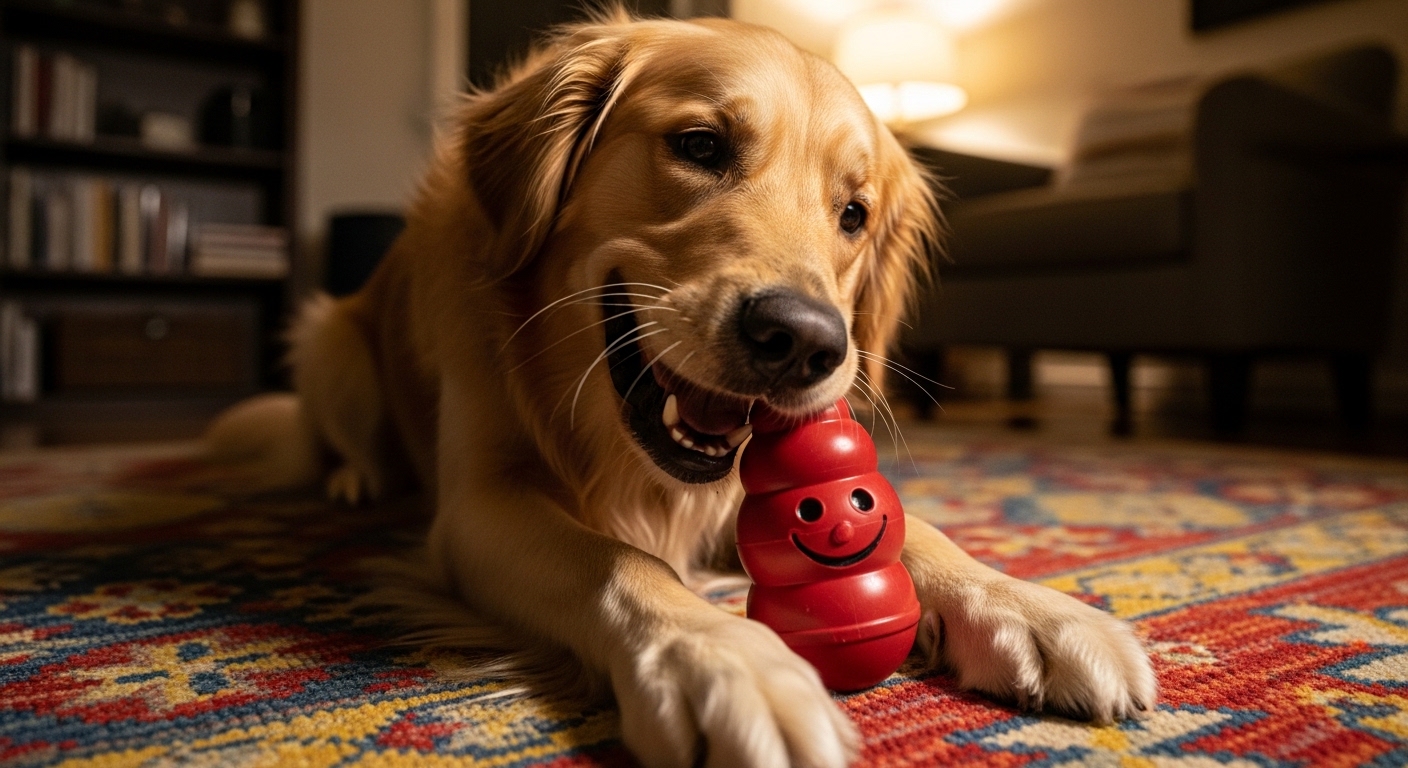
Enrichment is not optional for dogs prone to compulsive behaviors. A snuffle mat, a frozen Kong, or a 20-minute nose-work session can do more for a bored dog than any supplement on the market.
Digestive enzyme supplements are worth discussing with your vet, particularly if your dog also shows signs of poor coat condition, loose stools, or gassiness — all of which may hint at absorption issues. Probiotic supplements have also shown some promise in supporting gut health, though the research in dogs is still developing.
One thing experienced owners learn quickly: if your dog is going to eat poop, they will find a way to do it when you are not looking. The goal is not perfect vigilance forever — it is breaking the habit through consistent management until the behavior loses its reinforcement history. That takes weeks, sometimes months, not days.
When to See a Professional
If you have addressed diet, ruled out medical causes, and applied consistent management for at least six to eight weeks without improvement, it is time to consult a certified veterinary behaviorist or a credentialed applied animal behaviorist. Compulsive coprophagia — especially when paired with other repetitive behaviors like excessive licking or tail chasing — may indicate an anxiety disorder that responds better to a structured behavior modification plan, and in some cases, medication prescribed by a veterinarian.
Do not wait on a vet visit if your dog is eating the feces of other animals, particularly wildlife or cats, as this carries a real risk of parasite transmission and bacterial infection. Your vet can advise on appropriate deworming protocols and monitoring.
Frequently Asked Questions
Is it dangerous for my dog to eat poop?
It depends on whose poop it is. A dog eating its own feces carries relatively low risk, though it is still unhygienic. Eating feces from other animals — especially cats, wildlife, or dogs with unknown health status — may expose your dog to parasites, bacteria, and viruses. Always consult your veterinarian if you are concerned about what your dog may have ingested.
Will my dog grow out of eating poop?
Puppies often do, yes — many cases of coprophagia in dogs under a year old resolve on their own as the dog matures. Adult-onset coprophagia is less likely to self-resolve and usually benefits from active management. If the behavior has been going on for months, waiting it out is generally not an effective strategy.
Do certain breeds eat poop more than others?
Some studies suggest that Labrador Retrievers and Golden Retrievers may be more prone to coprophagia, possibly linked to their strong food motivation and scavenging tendencies. However, the behavior can occur in any breed, and individual personality and environment tend to be stronger predictors than breed alone.
Coprophagia is genuinely unpleasant to deal with, and the cleanup and management can feel exhausting, especially in the early weeks. Most dogs do improve with a combination of a better diet, consistent supervision, and some basic training work. Keep your yard clean, your expectations realistic, and your vet in the loop — that covers most of what you can actually control.
Comments
Post a Comment