Ask any Dachshund owner what it is like to live with one, and you will get a laugh before you get an answer. These small, long-bodied dogs have a way of taking over a household — claiming the warmest spot on the sofa, barking at the mail carrier with the conviction of a much larger dog, and somehow making you feel guilty for leaving the room. They are stubborn, clever, deeply affectionate, and occasionally infuriating, often all within the same afternoon. If you are considering adding a Dachshund to your life, this guide covers what you genuinely need to know — not just the charming parts.
Origins & History
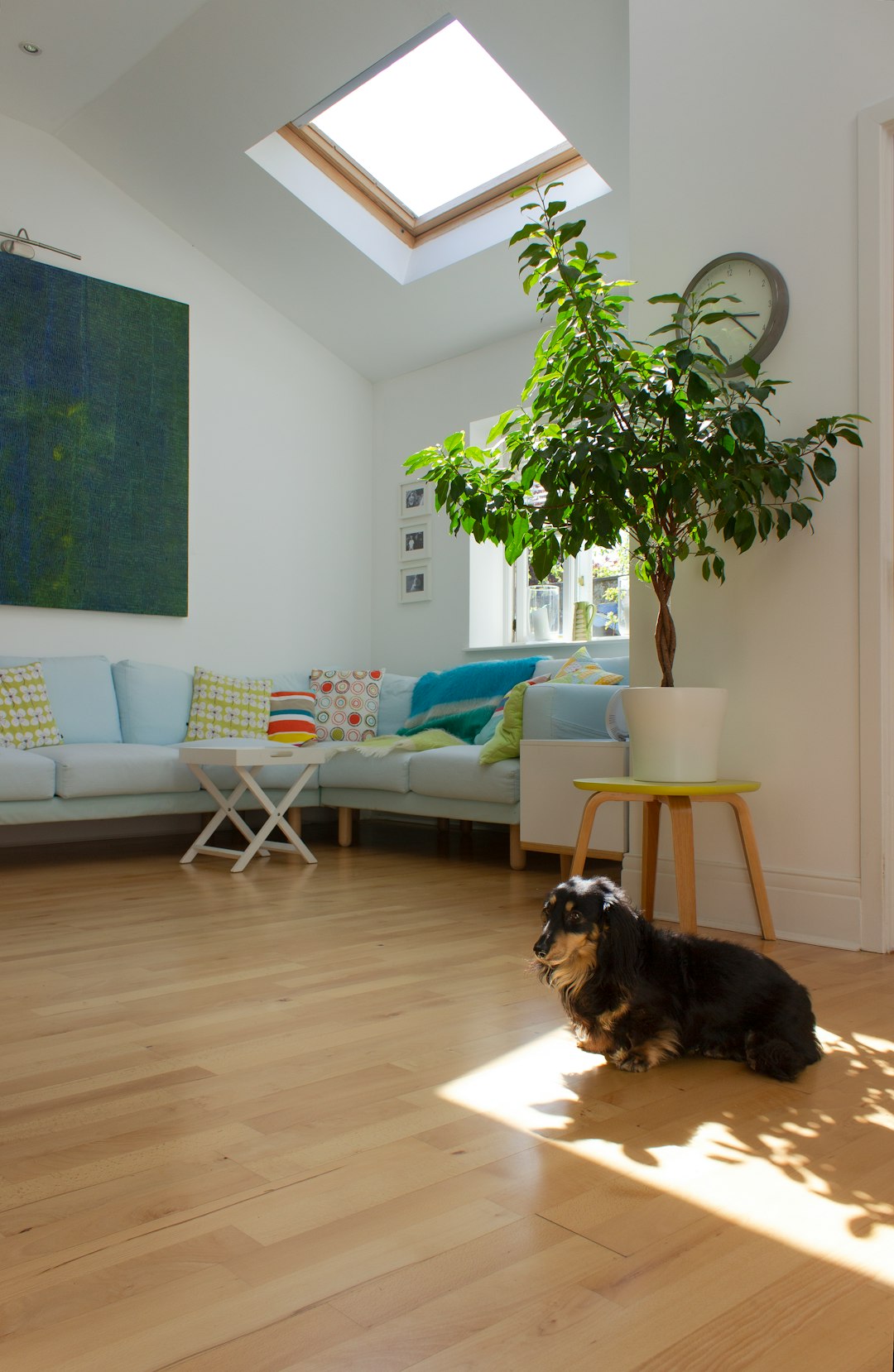
The Dachshund's history is more rugged than its lap-dog reputation suggests. Bred in Germany several centuries ago — with the name roughly translating to "badger dog" — these dogs were purpose-built to hunt burrowing animals like badgers, rabbits, and foxes. Their elongated bodies allowed them to enter tunnels, while their deep chests housed the lung capacity needed for sustained underground work. That loud, booming bark? It was designed to signal their location to hunters above ground.
The breed was well established in Germany by the 1600s, and two size variants emerged over time to suit different quarry. Miniature Dachshunds were developed specifically for rabbit hunting in narrower burrows. By the late 19th century, the breed had found favor with European royalty — Queen Victoria was notably fond of them — and the transition from working dog to companion animal was well underway. Today, the hunting instincts are still very much present, even if the closest most Dachshunds get to a burrow is burrowing under your blanket.
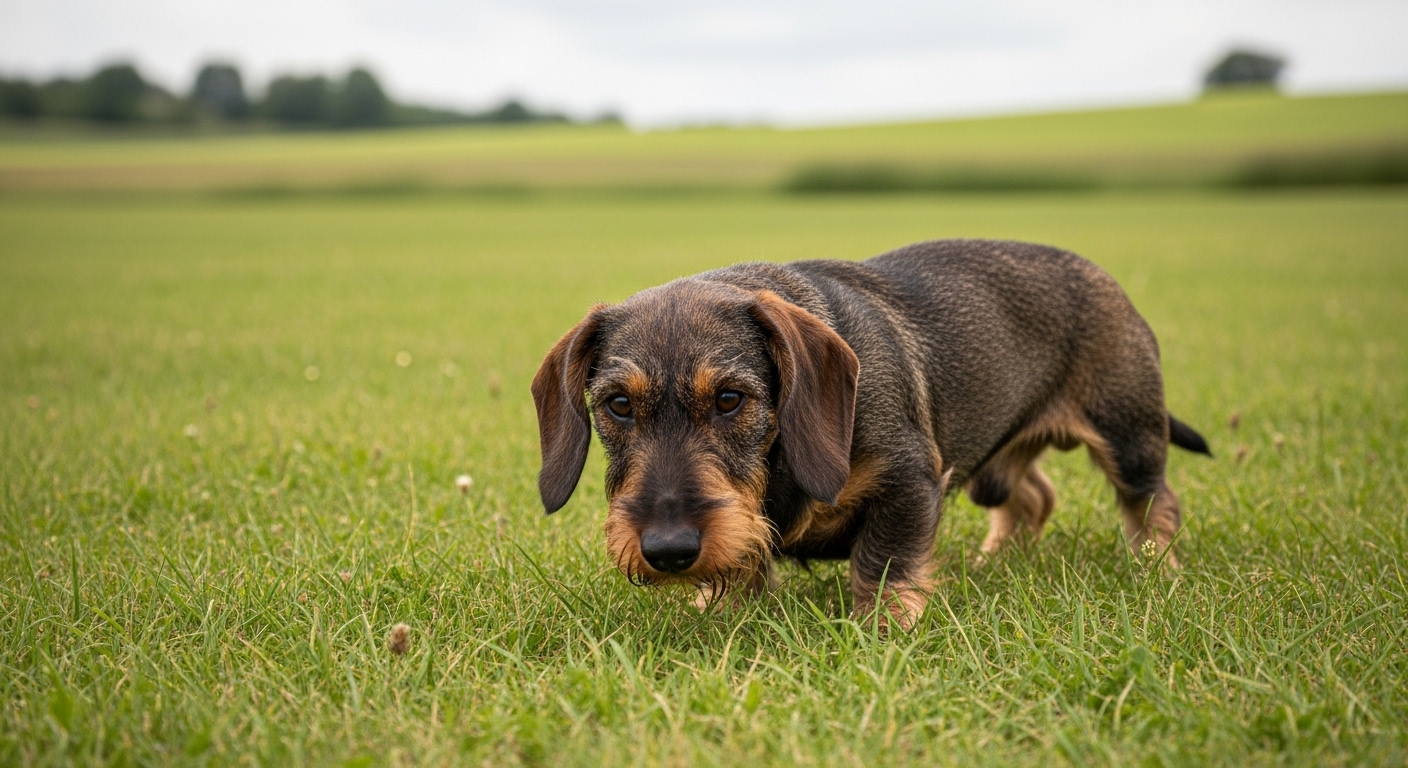
Three distinct coat types exist within the breed: smooth, wirehaired, and longhaired. Each has slightly different grooming demands and, according to many longtime owners, subtly different temperament tendencies — though that last point is more anecdote than science. Wirehaired Dachshunds, for instance, are often described as a bit more mischievous and outgoing, possibly due to terrier influence in their development.
Appearance & Size
The silhouette is unmistakable. Long spine, short legs, deep chest, and a head that carries a surprisingly dignified expression for a dog that just stole a sock. Standard Dachshunds typically weigh between 16 and 32 pounds, while Miniatures come in under 11 pounds. Height is low — usually 8 to 9 inches at the shoulder for standards — but the length of the body creates a dog that feels more substantial than the weight suggests.
Coat colors and patterns are genuinely varied. You will find solid reds and creams, black-and-tan, chocolate-and-tan, dapple (merle) patterns, brindle, and piebald. The dapple pattern in particular produces striking coats, though it is worth knowing that double-dapple breeding carries serious health risks and is considered irresponsible by reputable breeders. If you encounter a very pale or predominantly white Dachshund, ask questions about its breeding history.
The ears are long and floppy, hanging close to the cheeks, which contributes to their endearing look but also means regular ear checks are a good habit. Moisture and debris can accumulate in those folds more easily than owners expect.

Temperament
Dachshunds are not a breed that quietly blends into the background. They are curious, tenacious, and have a strong sense of their own opinion — which they will share, loudly, if they feel the situation warrants it. Separation anxiety is genuinely common in this breed, and owners who work long hours away from home often find that their Dachshund expresses displeasure through destructive chewing or persistent barking. This is not spite; it is a dog that bonds intensely and struggles with being left alone for extended periods.
With family, they are typically warm and playful. They tend to pick a favorite person and orbit around them with notable loyalty. Children can be great companions for Dachshunds, but because of the breed's back vulnerability, households with very young children who might handle the dog roughly require careful supervision. A Dachshund that feels threatened or in pain may snap — not out of aggression, but out of self-protection.
The stubbornness is real. Training a Dachshund requires patience and consistency, and the occasional moment of wondering why you thought this was a good idea. They respond well to positive reinforcement and food motivation, but they will also test boundaries regularly to see if the rules still apply today.
Real Owner Reality: Many Dachshund owners describe a specific phenomenon: the dog learns a command perfectly, performs it flawlessly for a week, and then one morning simply decides not to. It is not that they forgot. They are evaluating whether compliance is still worth their while. Keeping training sessions short, varied, and reward-rich tends to produce better long-term results than drilling repetition.

Health & Lifespan
Dachshunds are generally a long-lived breed. Many reach 12 to 16 years, and it is not unusual to meet a Dachshund pushing 17. That longevity is genuinely one of the breed's appeals — but it also means you are committing to a dog whose health needs may become complex over time.
The most significant health concern is Intervertebral Disc Disease, commonly known as IVDD. The same elongated spine that made Dachshunds effective hunters makes them disproportionately prone to disc problems. Studies suggest that roughly 25% of Dachshunds will experience some degree of IVDD in their lifetime, though estimates vary. Symptoms can range from mild back pain and reluctance to move, to sudden hind-limb weakness or paralysis. If your Dachshund shows any signs of back pain — yelping when touched, hunched posture, dragging a leg — consult your veterinarian promptly. This is not a wait-and-see situation.
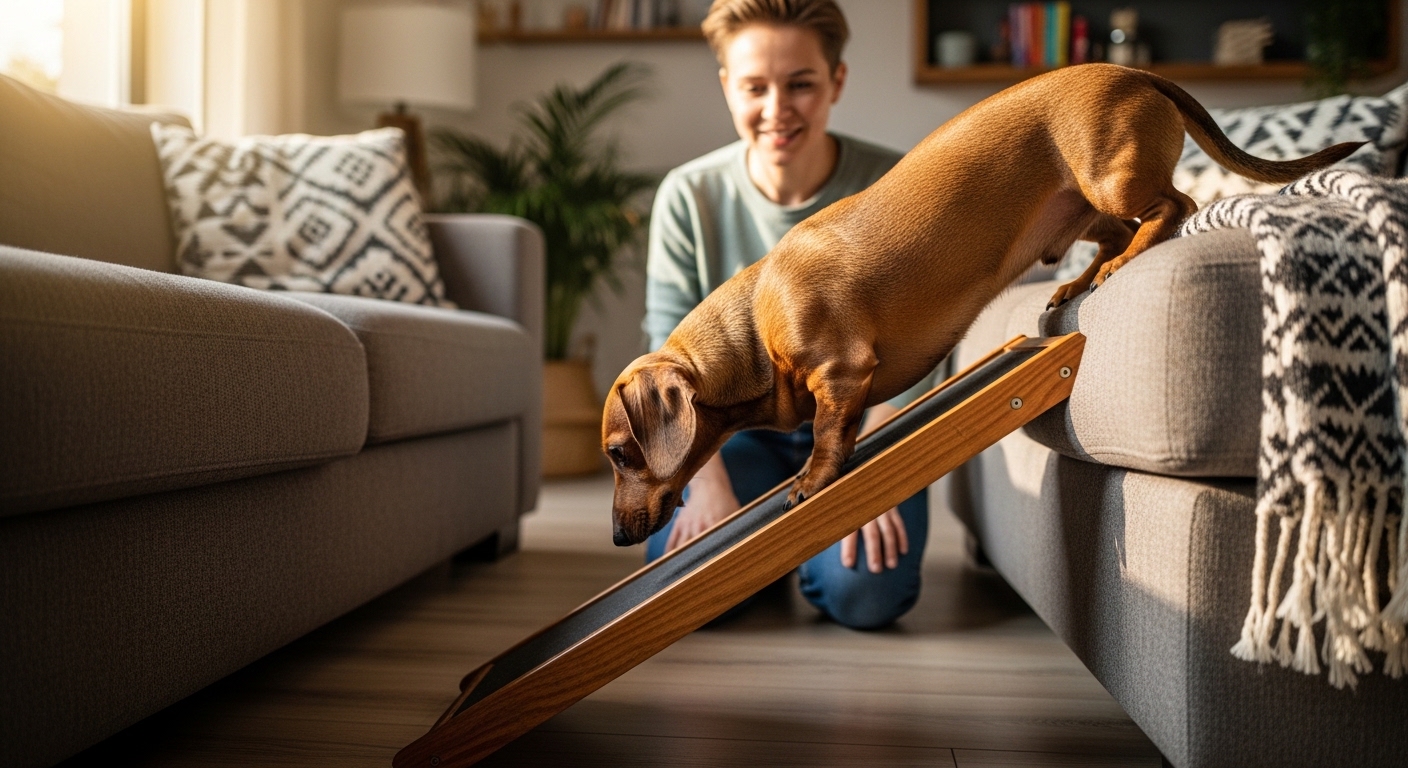
Practical back-care habits matter enormously. Many vets suggest using ramps or steps to help Dachshunds access furniture and cars rather than jumping, keeping the dog at a healthy weight to reduce spinal load, and discouraging repetitive high-impact activities like jumping from heights. A harness is generally preferred over a collar, since neck strain can compound spinal issues.
Beyond IVDD, Dachshunds can be prone to dental disease (common in small breeds), obesity — which they will enthusiastically pursue if you let them — and in some lines, eye conditions and heart issues. Regular veterinary checkups are the sensible baseline for any dog, but especially one with known structural predispositions.
Many vets suggest keeping a Dachshund lean throughout its life as one of the most practical things an owner can do to reduce IVDD risk. Extra weight puts direct pressure on an already vulnerable spine.
Is This Breed Right for You?
Dachshunds adapt reasonably well to apartment living, provided they get daily walks and mental stimulation. They do not need a yard, but they do need activity. A bored Dachshund will find its own entertainment, and you probably will not enjoy what it chooses. Two short-to-moderate walks per day, plus some indoor play or puzzle feeders, tends to keep them settled.
The grooming commitment depends on coat type. Smooth-coated Dachshunds are genuinely low-maintenance — a wipe-down and occasional bath covers most of it. Longhaired Dachshunds require regular brushing to prevent tangles, particularly behind the ears and under the legs. Wirehaired coats need periodic hand-stripping or trimming, which not every groomer is experienced with, so finding the right groomer takes some effort.
They are not the right fit for everyone. If you want a dog that reliably comes when called off-leash, a Dachshund will frequently disappoint you — their nose takes over, and recall becomes negotiable. If you need a dog that tolerates long hours alone without issue, this breed will likely struggle. And if you have a household where the dog will regularly be picked up awkwardly or allowed to leap off high furniture, the back risks become a real concern rather than a theoretical one.
That said, for owners who are home frequently, enjoy a dog with genuine personality, and are willing to manage the back-care basics, Dachshunds are remarkably rewarding. They are funny, engaged, and surprisingly brave for their size. They will also bark at things that do not require barking at, and they will steal your spot on the couch the moment you stand up.
Frequently Asked Questions
How much exercise does a Dachshund actually need?
Most adult Dachshunds do well with around 30 to 45 minutes of exercise per day, split across two walks. Puppies and seniors need less intensity. The key is consistency rather than duration — a Dachshund that gets regular moderate activity tends to be calmer and better-behaved indoors than one that gets sporadic bursts of exercise. Avoid activities that involve a lot of jumping or rough terrain that puts repeated strain on the spine.
Are Dachshunds good with other dogs?
It varies considerably by individual dog and socialization history. Many Dachshunds do well with other dogs, particularly other Dachshunds — some owners find that having two actually helps with separation anxiety. However, the breed can be assertive and sometimes reactive with unfamiliar dogs, particularly larger ones. Early socialization makes a meaningful difference, and introductions to new dogs are generally better done on neutral ground with calm management.
What is the difference between a standard and miniature Dachshund in terms of care?
The core care needs are similar, but miniatures require a bit more attention to dental health due to their smaller mouths, and their smaller size means they can be more vulnerable to cold temperatures — many miniature Dachshund owners find a dog coat genuinely useful in winter rather than just decorative. Both sizes share the same IVDD risk, so back-care practices apply equally regardless of which size you choose.
Owning a Dachshund is a long-term commitment to a dog with a strong sense of self. The back care is not optional, the training requires genuine patience, and the barking is something you learn to manage rather than eliminate. But they are also dogs that are genuinely interested in you, that follow you from room to room not out of anxiety alone but out of preference, and that have a way of making a household feel more lively. Go in with realistic expectations, find a reputable breeder or rescue, and get the ramp before the dog comes home.
Comments
Post a Comment