A friend of mine got a Scottish Fold a few years ago and described the experience as "adopting a small, opinionated owl that refuses to sit anywhere normal." That description is more accurate than any breed standard you will find online. Scottish Folds have a way of planting themselves in the middle of your keyboard, staring at you with those wide, round eyes, and somehow making you feel like the inconvenience. They are genuinely fascinating cats — compact, quietly affectionate, and visually unlike almost anything else in the domestic cat world. But they come with real considerations that prospective owners should understand before falling for those folded ears.
Origins & History
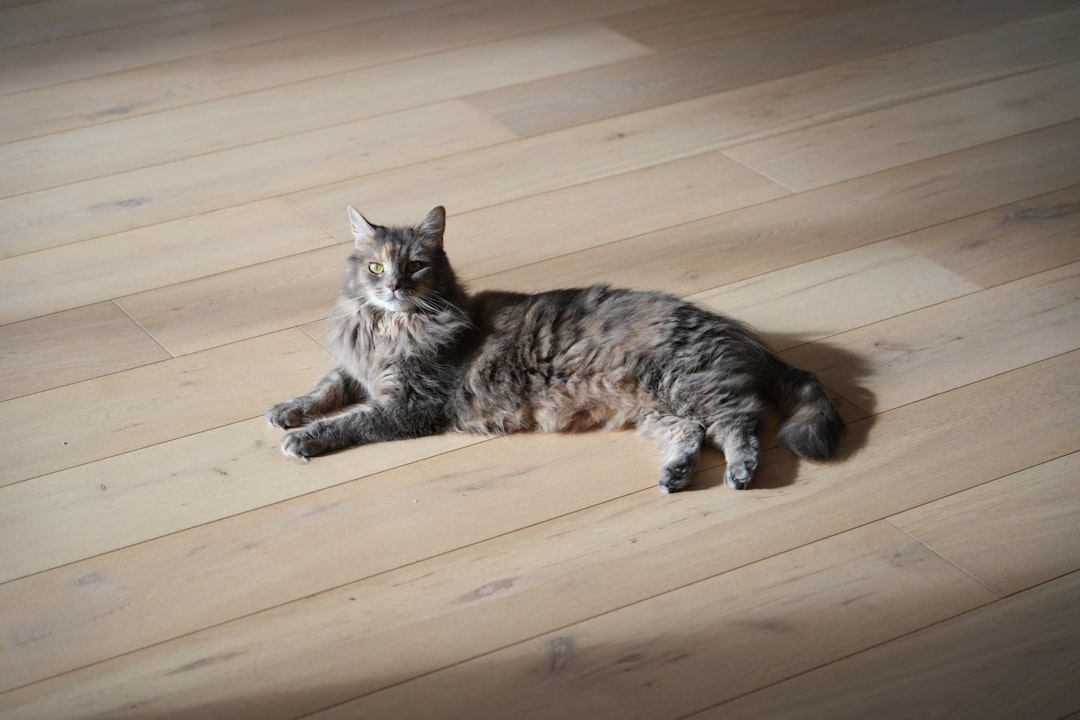
The Scottish Fold story begins in 1961 on a farm in Perthshire, Scotland, where a shepherd named William Ross noticed a white barn cat named Susie with unusually folded ears. Susie's ears folded forward and downward, giving her a distinctly rounded, almost cartoonish head shape. Ross was intrigued enough to acquire one of Susie's kittens and began a selective breeding program with the help of geneticist Pat Turner.
The fold is caused by a spontaneous dominant gene mutation affecting cartilage development — not just in the ears, but potentially throughout the body. That detail matters a great deal, and we will get to it in the health section. Early breeding crossed Scottish Folds with British Shorthairs and American Shorthairs to maintain genetic diversity and reinforce the breed's sturdy build. The Cat Fanciers' Association (CFA) granted the breed championship status in 1978, though some cat registries in Europe have since restricted or banned registration due to health concerns.
Not every kitten born from a Fold parent will have folded ears. Kittens are born with straight ears, and the fold — if it is going to develop — typically becomes visible around three to four weeks of age. Straight-eared offspring from Fold litters are sometimes called "Scottish Straights" and carry none of the skeletal risks associated with the fold gene when bred responsibly.

Appearance & Size
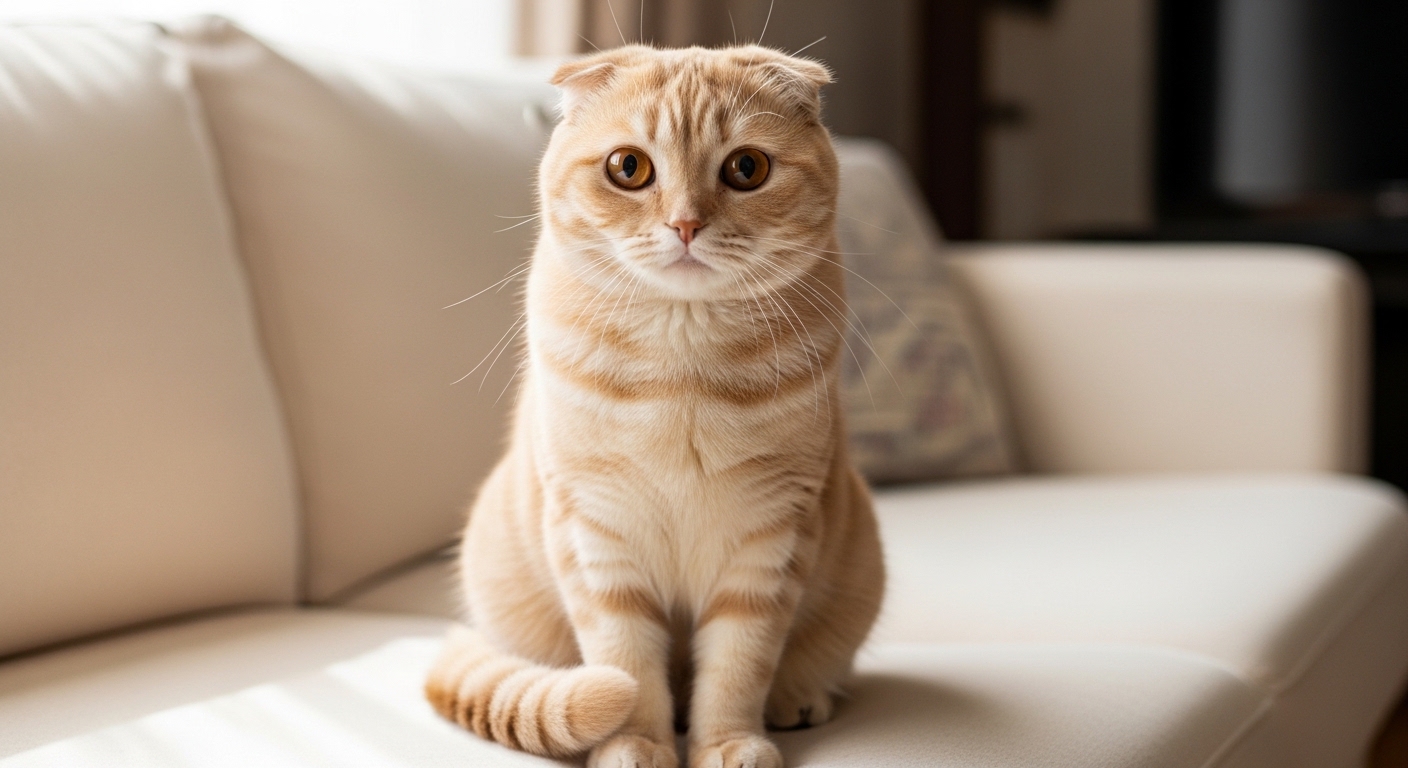
The folded ears are the obvious headline, but the Scottish Fold's overall look is defined by roundness. Round head, round eyes, round body — everything about this cat feels deliberately compact and plush. Adults typically weigh between 6 and 13 pounds, with males running noticeably larger than females. The body is medium-sized with a broad chest and short, sturdy legs.
Scottish Folds come in both shorthaired and longhaired varieties — the longhaired version is sometimes called a Highland Fold. The coat can appear in virtually any color or pattern: solid, tabby, tortoiseshell, bicolor, and more. Shorthaired coats are dense and plush, almost like touching a thick carpet. Longhaired versions have a softer, silkier texture with feathering around the ears, chest, and tail — and yes, that fur ends up on everything you own.
The ears themselves vary in degree. A "single fold" tips slightly forward, while a "double" or "triple fold" lies tightly against the head, giving the cat that signature owl-like silhouette. Tighter folds are often considered more visually striking, but they also correlate more strongly with skeletal complications — something ethical breeders take seriously.
Temperament
Scottish Folds are calm without being aloof, and affectionate without being clingy — most of the time. They tend to bond closely with one or two people in the household while remaining friendly and curious with others. They are not typically vocal cats; they communicate more through proximity and that unblinking stare than through meowing.
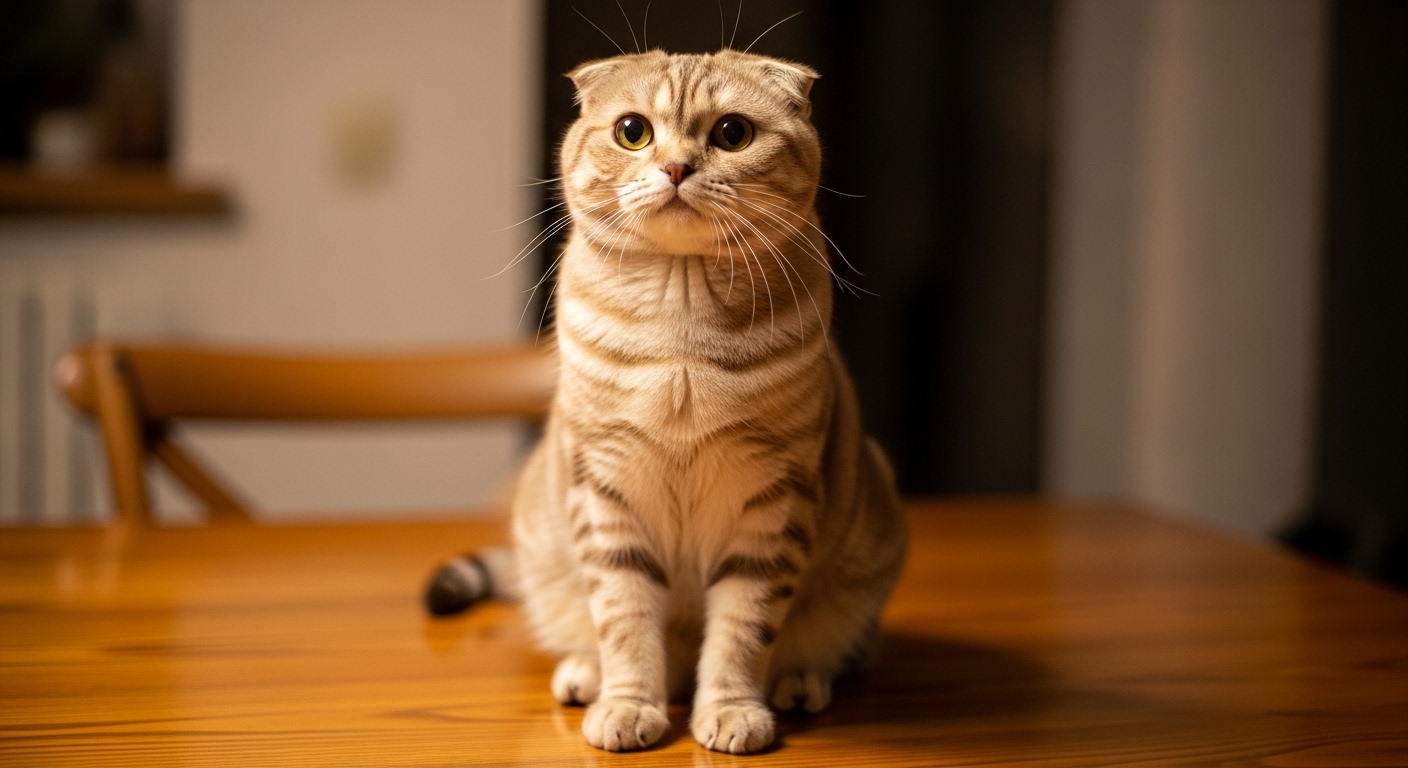
They adapt reasonably well to apartment living, partly because they are not high-energy climbers or sprinters. You will find them sitting in odd, very upright positions — almost like a meerkat — which is a quirk Fold owners find endlessly amusing. They enjoy interactive play but are equally content watching the world from a comfortable perch. Puzzle feeders and wand toys tend to hold their attention well.
They do not handle long periods of solitude particularly well. If you work long hours and travel frequently, a Scottish Fold may develop anxious or destructive habits. Many owners find that having a second cat helps — though introductions should be done gradually and carefully, since Folds can be sensitive to sudden changes in their environment.
Scottish Folds are the kind of cats that follow you from room to room without making a sound — you only notice when you nearly step on them.
Real Owner Reality: Living with a Scottish Fold means accepting that your lap belongs to them on their schedule, not yours. They will ignore you for hours and then sit directly on your face at 6 a.m. The calm temperament is real, but so is the stubbornness. Training them to stay off certain surfaces is an ongoing negotiation rather than a solved problem.
Health & Lifespan
This is the section that every Scottish Fold article needs to address honestly, and many do not. The same gene that causes the ear fold — the Fd gene — can cause a painful skeletal condition called osteochondrodysplasia (OCD). This condition affects cartilage and bone development throughout the body, not just the ears, and may lead to stiffness, lameness, and chronic pain, particularly in the tail and hind legs.
The risk is significantly higher when two Fold cats are bred together (Fold-to-Fold breeding). Responsible breeders cross Scottish Folds with Scottish Straights or British Shorthairs to reduce — though not eliminate — this risk. Even so, any cat carrying the Fd gene may develop some degree of skeletal abnormality over its lifetime. Signs that may warrant a vet visit include a reluctance to jump, a stiff or shortened tail, or visible discomfort when being handled around the lower back.
Beyond skeletal concerns, Scottish Folds may be prone to:
- Polycystic kidney disease (PKD), which can be screened for through genetic testing
- Hypertrophic cardiomyopathy (HCM), a heart condition seen across many cat breeds
- Ear infections, partly due to the folded ear canal reducing airflow
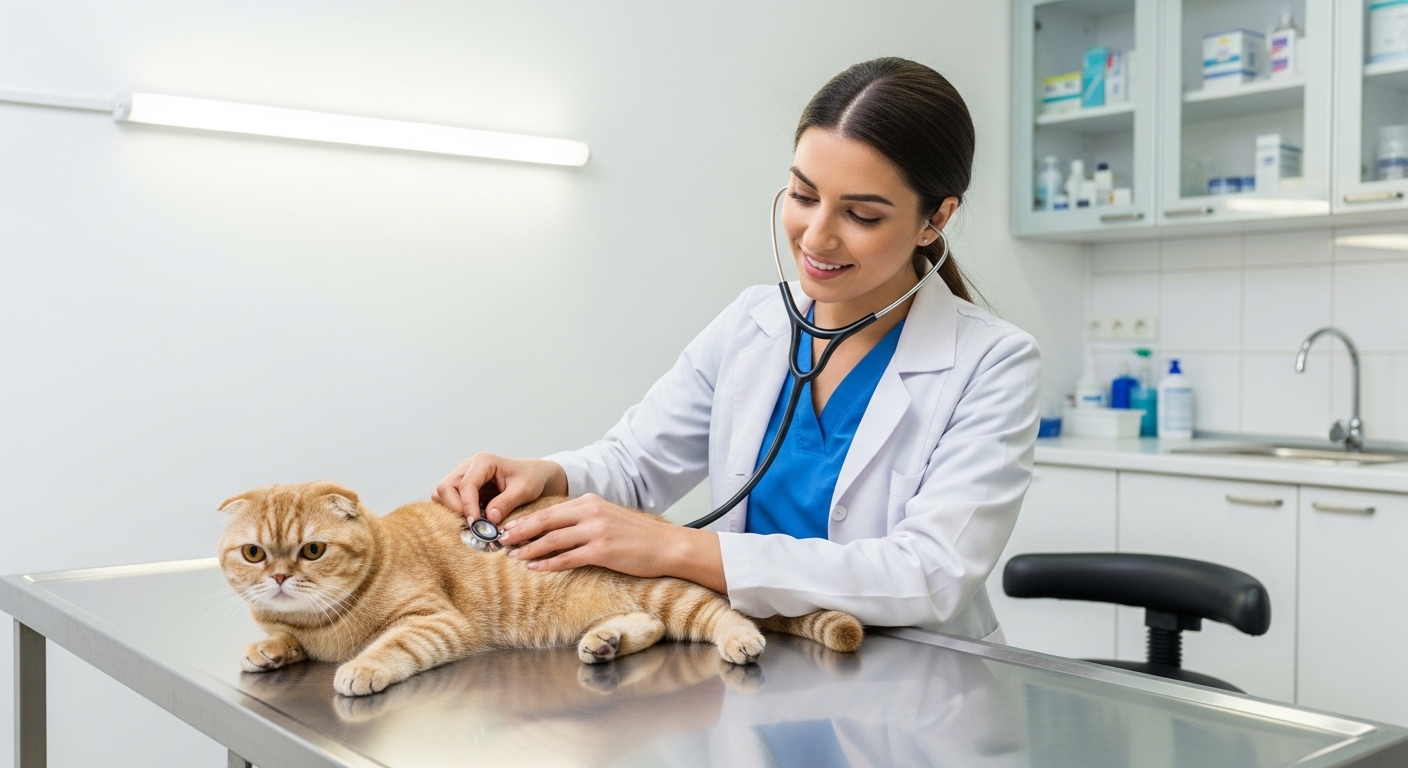
Their average lifespan is generally cited as 11 to 15 years, though individual health varies considerably. Regular veterinary checkups — including periodic X-rays to monitor joint health in some cases — are something many vets suggest for this breed. If you notice any signs of discomfort or mobility changes, consult your veterinarian promptly rather than waiting for a scheduled visit.
Is This Breed Right for You?
Scottish Folds suit owners who want a moderately interactive, visually distinctive cat that does not demand constant entertainment. They work well in quieter households, with older children, and in apartments — provided they get enough daily enrichment. They are not the right choice for someone who wants a hands-off cat, nor for someone who cannot commit to regular vet visits and potential health management costs.
Grooming is manageable but not trivial. Shorthaired Folds do well with weekly brushing to reduce shedding — and there will be shedding, particularly during seasonal changes. Longhaired versions need brushing two to three times a week to prevent matting, especially behind the ears and under the arms. Ear cleaning deserves extra attention given the folded structure; debris can accumulate more easily than in upright-eared cats, and a gentle weekly wipe with a vet-approved cleaner is a habit worth building early.
The ethical dimension of this breed is also worth sitting with. Some veterinary organizations and cat registries have raised serious concerns about breeding cats with a gene that may cause chronic pain. If you are set on a Scottish Fold, sourcing from a breeder who conducts health testing, avoids Fold-to-Fold pairings, and is transparent about skeletal screening is not optional — it is the baseline.
Frequently Asked Questions
Do Scottish Folds get along with other pets?
Many Scottish Folds coexist well with other cats and calm dogs, particularly when introduced gradually. They are not typically aggressive, but they can be sensitive to boisterous or unpredictable animals. A slow, scent-based introduction over several days tends to produce better outcomes than a direct face-to-face meeting.
Are Scottish Folds high-maintenance cats?
Compared to some breeds, they sit in the middle range. Shorthaired Folds are relatively easy to groom, but the health monitoring requirements — ear cleaning, vet checkups, watching for signs of joint discomfort — add up. They are not a "set it and forget it" cat, especially as they age.
Can Scottish Folds be left alone during the day?
They can manage a standard workday alone better than some highly social breeds, but they do not thrive on prolonged isolation. Providing environmental enrichment — window perches, puzzle feeders, a companion animal — can help. If your schedule involves frequent travel or very long hours, this breed may not be the best fit.
Scottish Folds are genuinely interesting cats to live with — quirky, quiet, and surprisingly expressive for an animal that rarely makes a sound. The folded ears are charming, but they are also a reminder that this breed carries real health considerations that require active management. Go in with clear expectations, find a responsible breeder or consider adoption from a rescue, and budget for veterinary care beyond the basics. They will reward that preparation by sitting on your laptop at the worst possible moment, looking completely unbothered about it.
Comments
Post a Comment