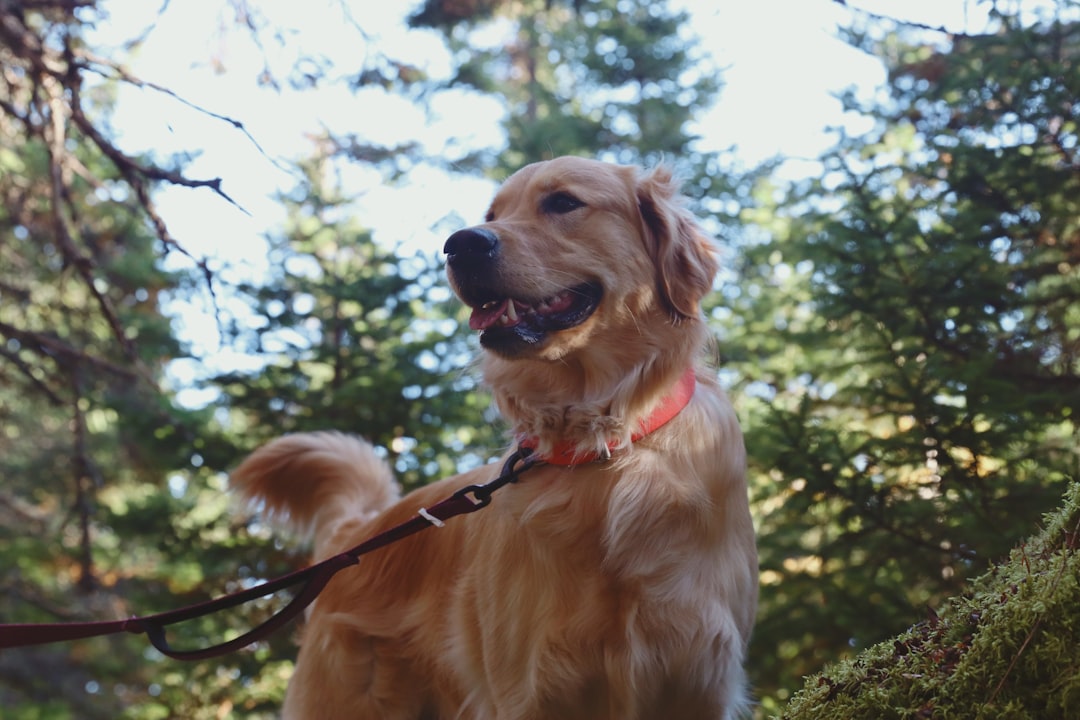
We have all been there: you step outside for a relaxing walk with your furry best friend, only to end up being dragged down the sidewalk like you are water skiing. A dog that constantly pulls on the leash can turn a pleasant daily routine into a frustrating, exhausting chore. But do not worry—you are not alone, and this behavior is completely fixable. Let's take a look at a peaceful scene of a well-trained dog walking perfectly by its owner's side on a beautiful park trail.
Why It Happens
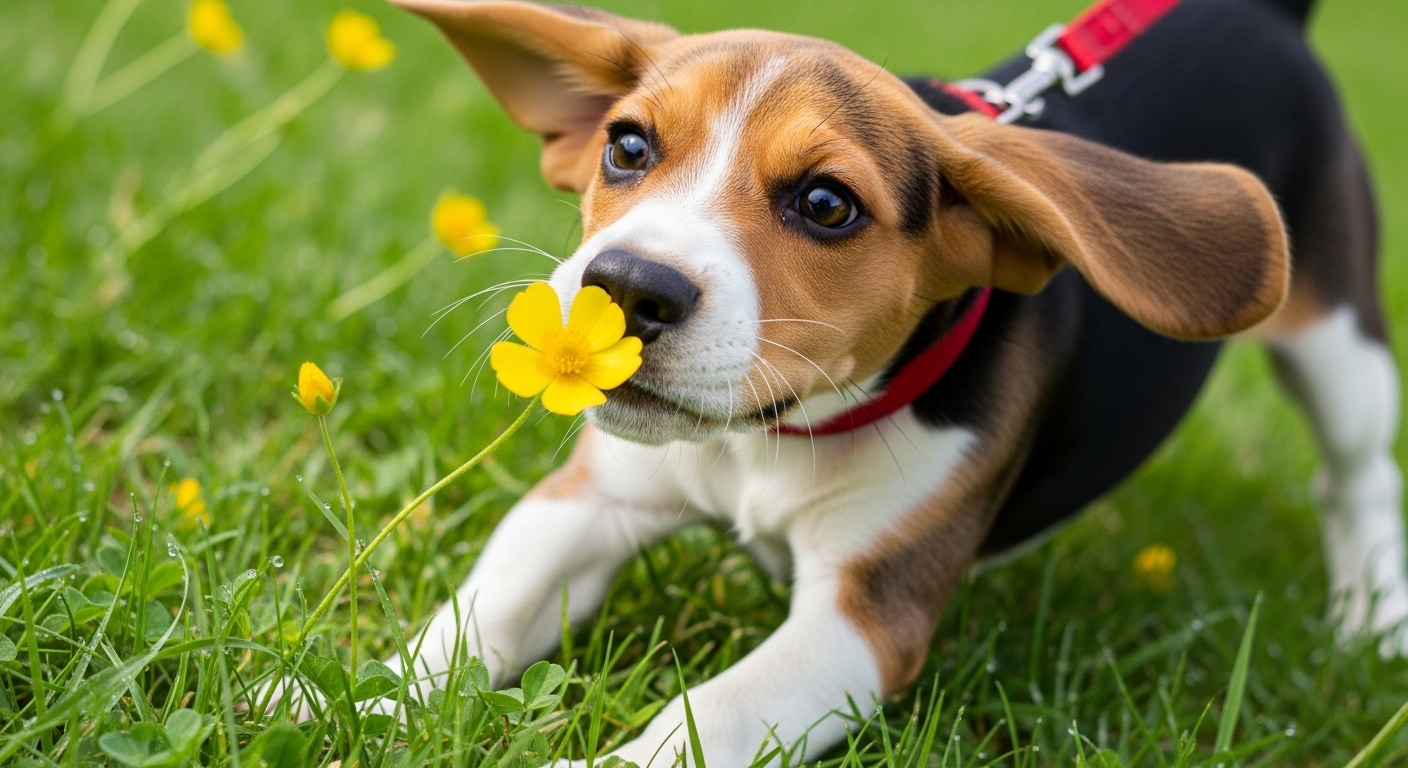
To fix the pulling, we first need to understand why our dogs do it. For starters, a dog's natural walking pace is significantly faster than ours. When they are excited to explore the world, slowing down to a human stroll takes immense self-control. Additionally, dogs have a natural "opposition reflex." When they feel pressure against their neck or chest from a tight leash, their instinct is to lean into it and pull harder. You can often see this natural instinct kick in when an excited puppy strains against its collar to reach a fascinating scent in the grass.
Step-by-Step Training Method
Training your dog to walk on a loose leash requires patience. Here are the most effective no-pull methods, ranked by difficulty and results, so you can choose the best approach for your pup:
- The "Be a Tree" Method (Easy Difficulty, Moderate Results): The moment there is tension on the leash, stop walking completely. Wait for your dog to step back or look at you, creating slack in the leash, before you take another step forward.
- The "Change Direction" Method (Medium Difficulty, Good Results): When your dog pulls ahead, calmly turn around and walk in the opposite direction. This teaches them that pulling actually takes them further away from where they want to go.
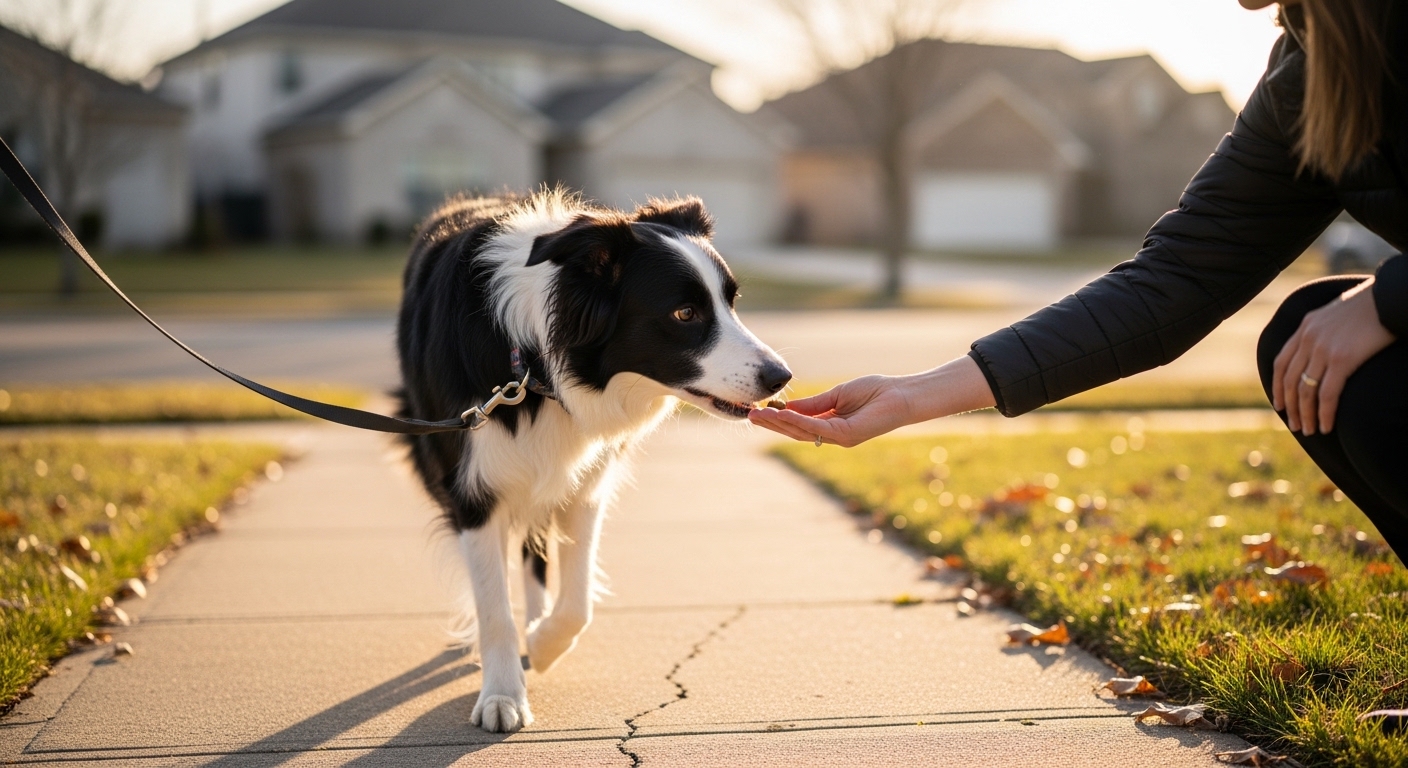
- The High-Value Reward Zone (Hard Difficulty, Excellent Results): Keep a pouch of premium treats by your side. Rapidly reward your dog whenever they are walking in the "sweet spot" right next to your leg, building a strong association that staying close is highly rewarding.
This positive reinforcement approach works wonders, much like when an owner rewards their attentive dog with a tasty treat during a sunny neighborhood walk.
Common Mistakes
Even with the best intentions, it is easy to accidentally reinforce bad habits. To ensure your training is effective, avoid these frequent missteps:
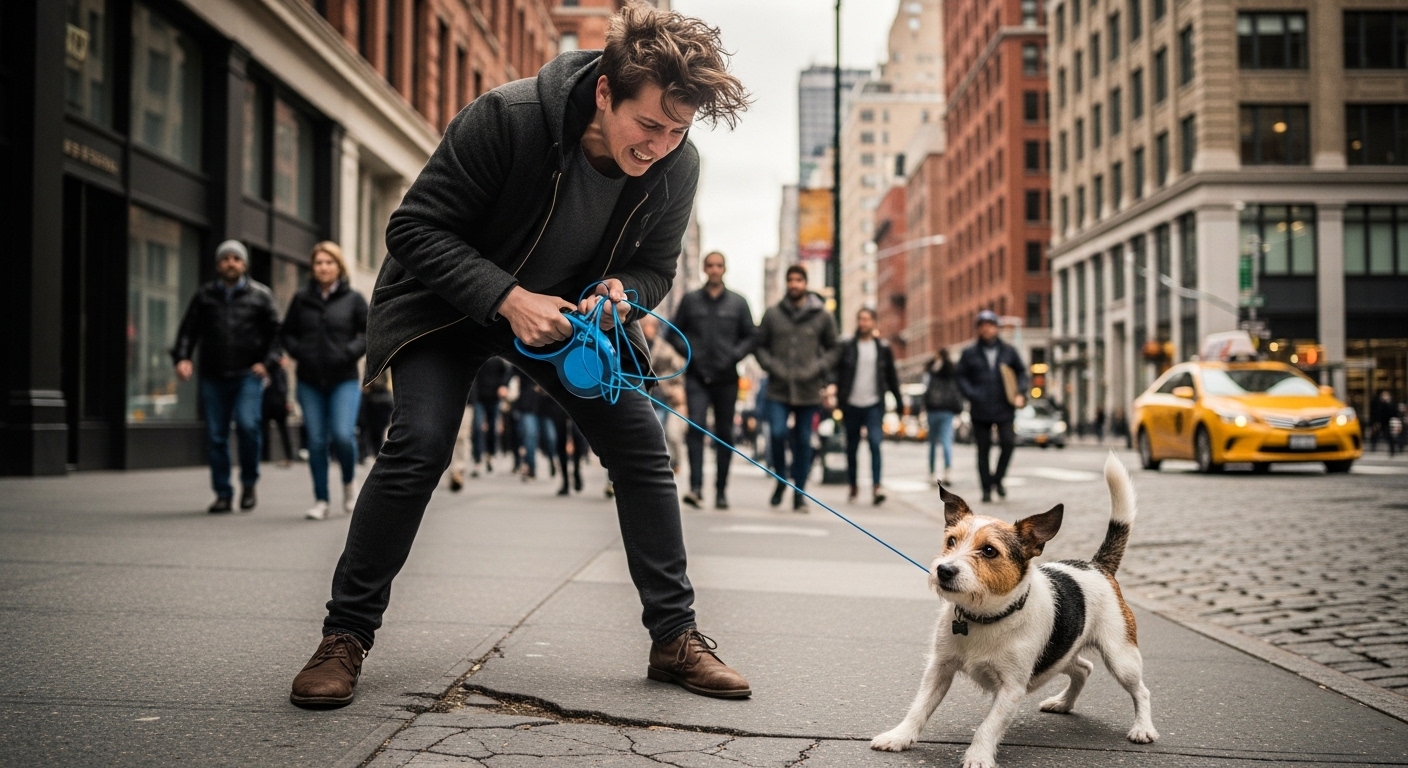
- Using retractable leashes: These tools maintain constant tension, literally teaching your dog that they must pull to get more freedom.
- Yanking or pulling back: Jerking the leash can trigger the opposition reflex and may even cause physical harm to your dog's neck.
- Being inconsistent: Allowing your dog to pull when you are in a hurry, but enforcing rules when you have time, will only confuse them.
It is easy to get frustrated, but avoiding these pitfalls prevents scenes like a stressed owner struggling with a tangled retractable leash on a busy street.
Expert Tips
Setting your dog up for success often starts before you even leave the house. Burning off a little excess energy with a quick game of fetch in the yard can make a world of difference for a high-energy dog.
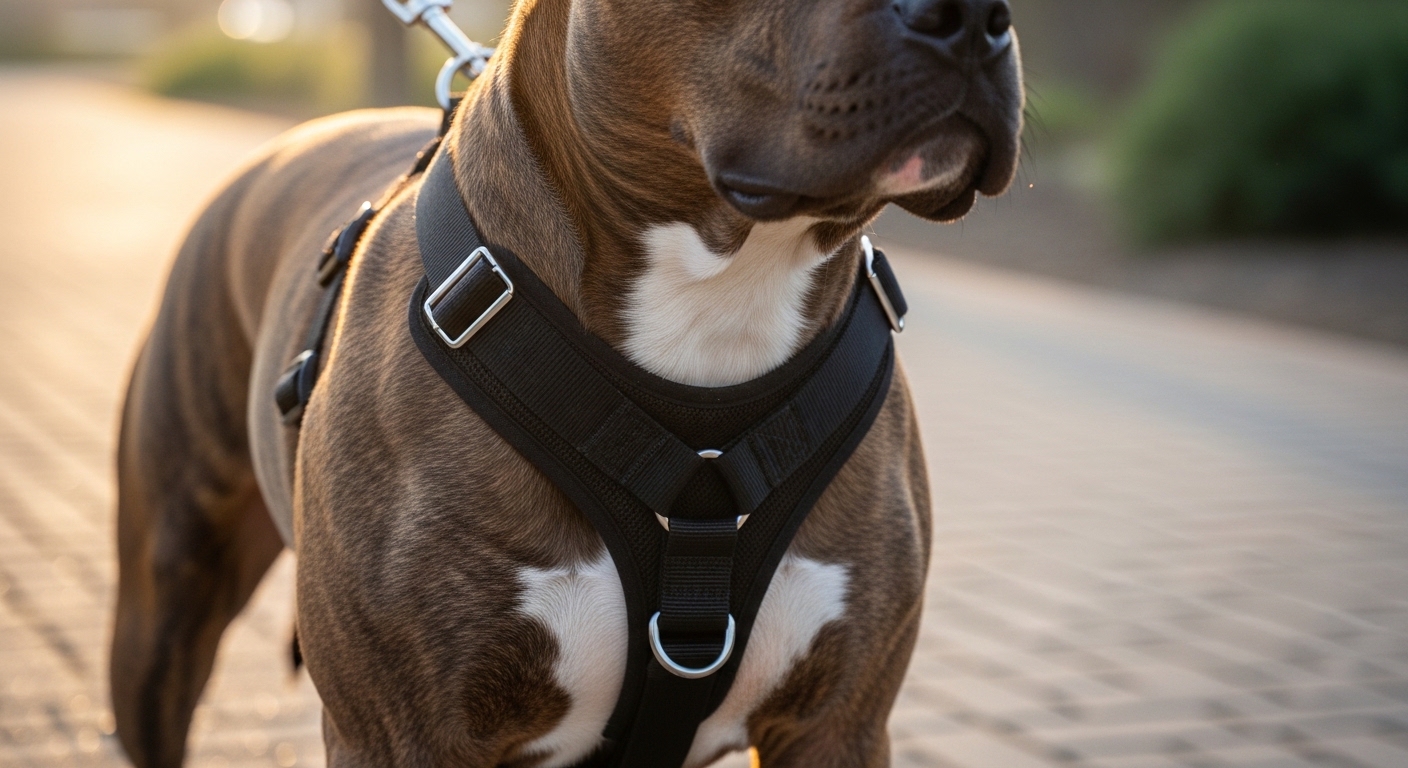
The right equipment is half the battle. Swapping a standard collar for a front-clip harness can instantly reduce pulling by naturally redirecting your dog's momentum back toward you.
Equipping your dog properly makes a huge difference, as seen when a dog comfortably wears a front-clip harness that gently redirects their momentum.
When to See a Pro
While most dogs can learn loose-leash walking at home, some situations require professional help. If your dog is highly reactive to other dogs, lunges aggressively at passing cars, or is strong enough to pull you off your feet, it is time to consult a certified dog trainer. Furthermore, if your dog is experiencing pain, wheezing, or coughing excessively after walks, consult your veterinarian to rule out tracheal damage before continuing any leash training.
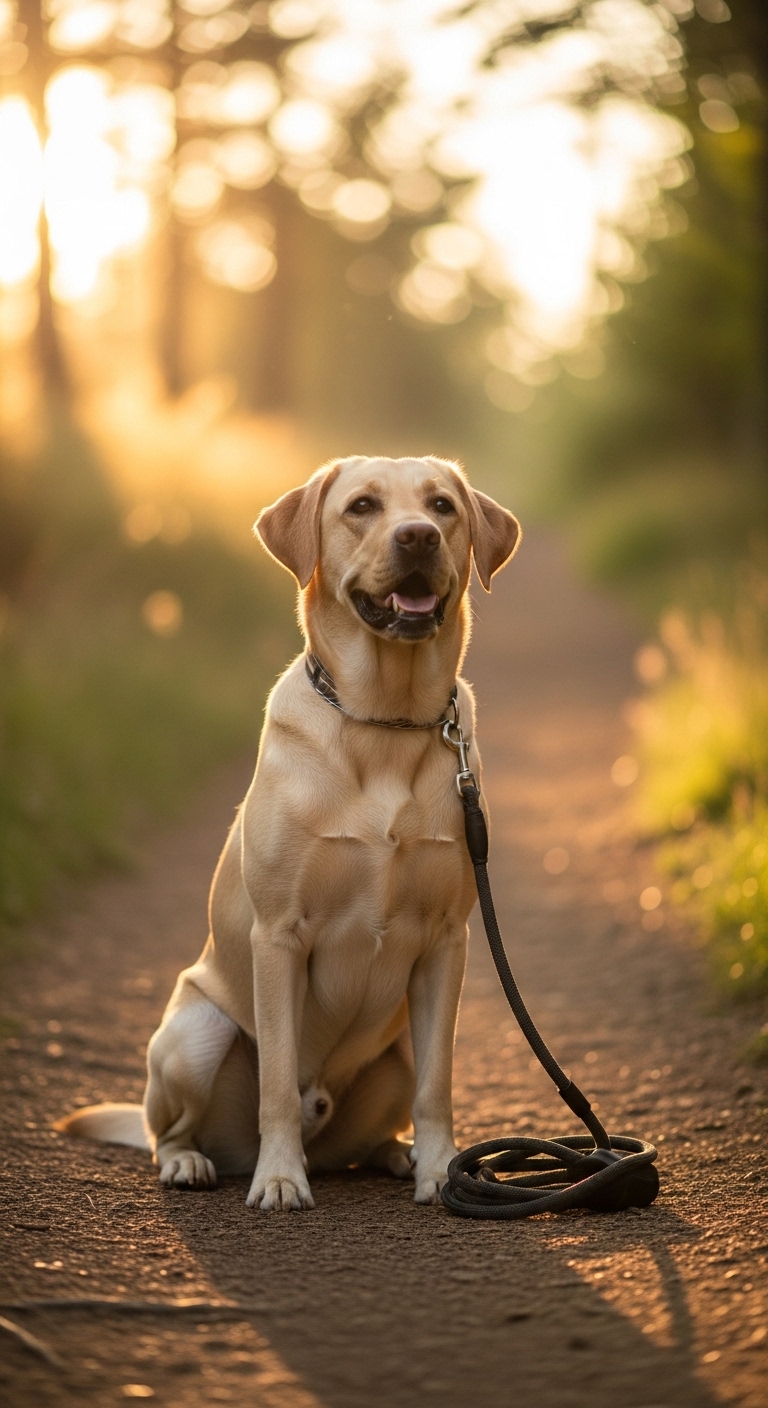
Remember that teaching your dog to stop pulling is a marathon, not a sprint. Celebrate the small victories, keep your training sessions short and positive, and always end on a good note. With patience and consistency, you will soon be enjoying peaceful strolls with your best friend, just like this happy pup posing proudly after a successful walk.
Comments
Post a Comment