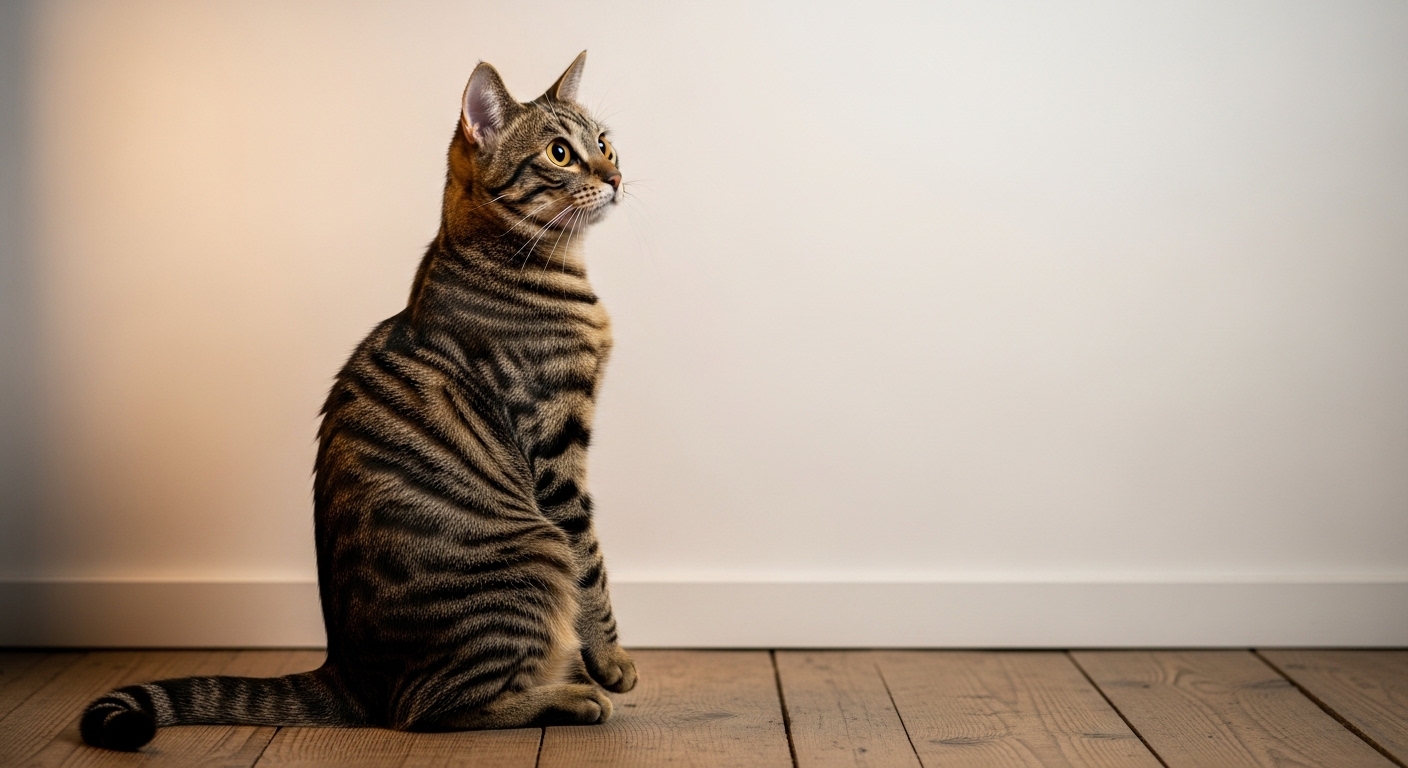
You are sitting on the couch, half-watching television, when you notice your cat has frozen in place, eyes locked on a blank patch of wall. No movement. No sound. Just that unblinking, laser-focused stare that makes you wonder whether your cat knows something you do not. Most cat owners have seen this at least once, and many find it genuinely unsettling the first time. The good news is that wall-staring is usually rooted in perfectly ordinary feline biology — though there are a handful of situations where it is worth paying closer attention.
Why It Happens: Senses, Instincts, and Brain Wiring
Cats experience the world through a sensory toolkit that is dramatically different from ours. Their hearing range extends well beyond what humans can detect — up to roughly 64,000 Hz compared to our ceiling of around 20,000 Hz. That means your cat may be tracking the sound of a mouse, a pipe vibration, or insects moving inside the wall cavity while you hear absolutely nothing. The stare is not random; it is targeted listening combined with visual focus.
Vision plays a role too. Cats are highly sensitive to motion, and they can detect flickers of light or subtle shadows that our eyes simply skip over. A tiny spider crawling near the baseboard, a reflection from a passing car, or even the faint movement of air currents near a vent can all trigger that locked-on gaze. Their peripheral motion detection is genuinely impressive, and what looks like staring at nothing is often staring at something very small and very fast.
There is also the olfactory angle. Cats have roughly 200 million scent receptors — humans have about 5 million. Odors seeping through drywall from pests, mold, or even a neighbor's cooking can pull a cat's attention to a specific spot on the wall with the same intensity as a visible target. The wall is essentially a sensory broadcast that only your cat can tune into.
Step-by-Step: How to Read the Behavior
Not all wall-staring looks the same, and paying attention to the details can tell you a lot about what is driving it.
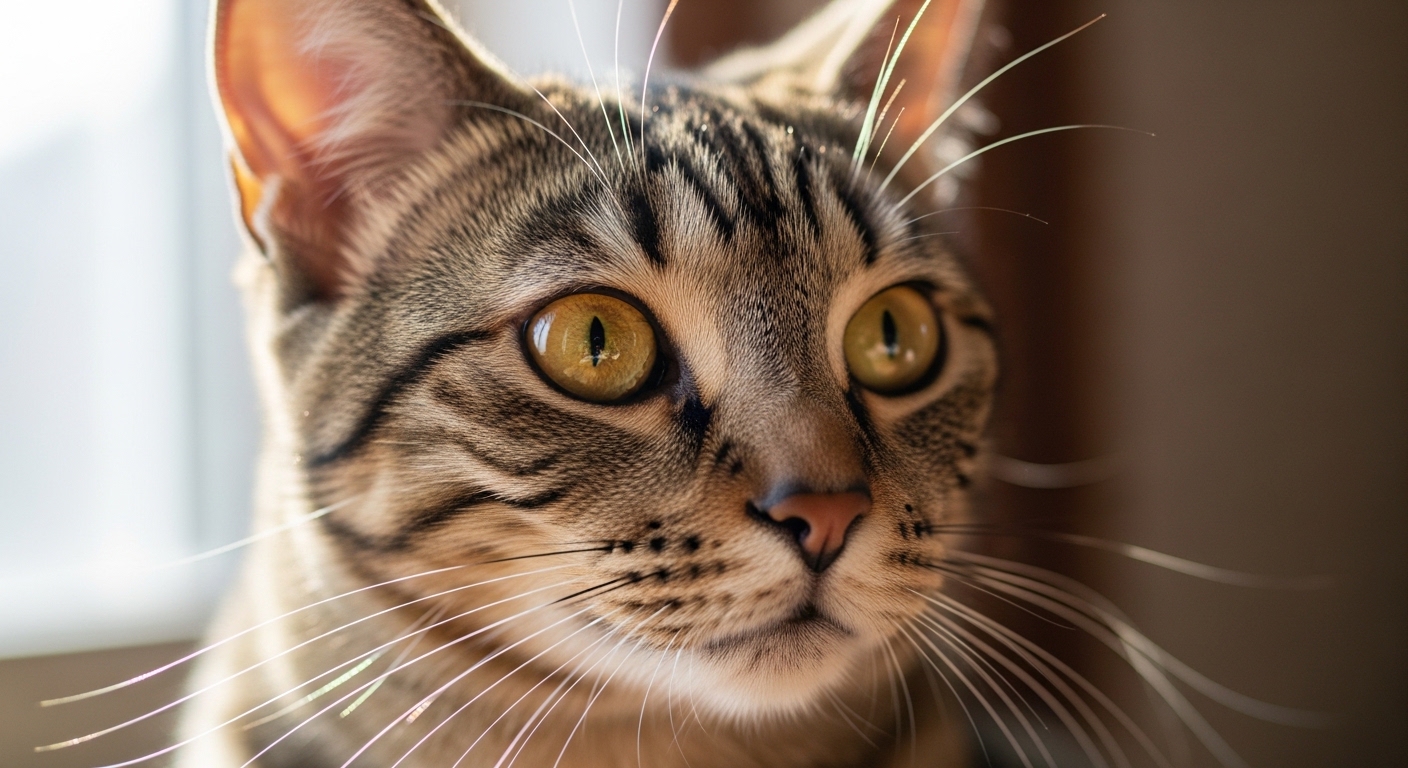
- Watch the ears. If the ears are rotating and tracking, your cat is following a sound. This is almost certainly an auditory hunt — insects, rodents, or plumbing noise inside the wall.
- Check the tail. A still, loosely curled tail suggests calm curiosity. A twitching or puffed tail signals heightened arousal or mild anxiety.
- Note the duration. A few seconds to a couple of minutes is typical. Staring that lasts much longer, especially combined with vocalizing or disorientation, is worth noting.
- Look for a pattern. Does it always happen at the same spot? The same time of day? Consistent location suggests a real stimulus — a pest, a pipe that makes noise at certain hours, or a vent with interesting smells.
- Try a flashlight. Shine a light slowly across the area your cat is fixated on. You may spot a spider, a tiny crack, or a faint reflection you had not noticed before.
Running through these steps takes about two minutes and can save you a lot of unnecessary worry. In most cases, you will find a mundane explanation within a few days of observation.
Common Mistakes Owners Make
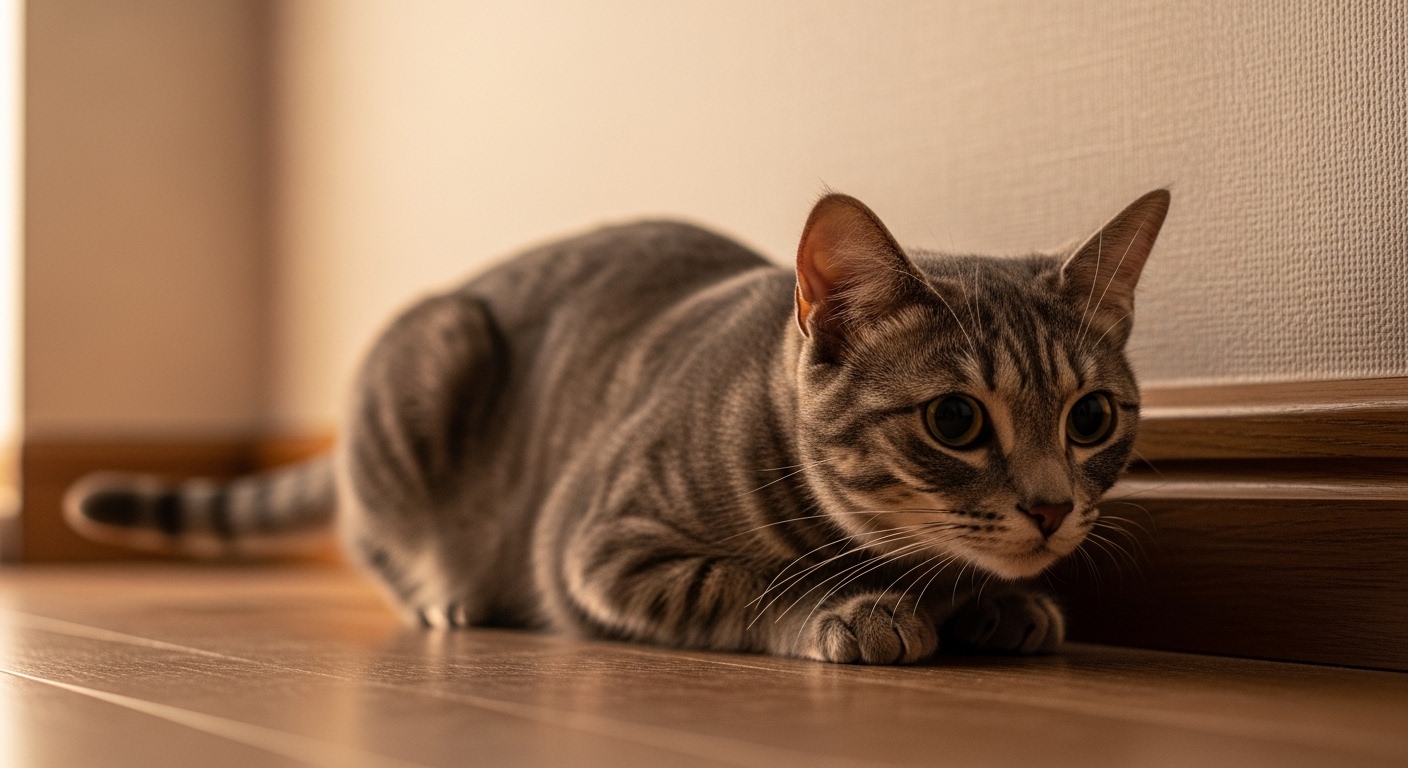
The most frequent mistake is immediately assuming something supernatural or neurological is happening. Social media has done a solid job of convincing people that wall-staring cats are seeing ghosts, and while that makes for entertaining content, it is not a useful framework for actually understanding your pet.
Ignoring the behavior entirely is the other extreme. Occasional, brief wall-staring is normal. But if you have been brushing it off for weeks and your cat is also losing weight, vocalizing more than usual, or bumping into things, those are separate signals that deserve a vet visit — not just a shrug.
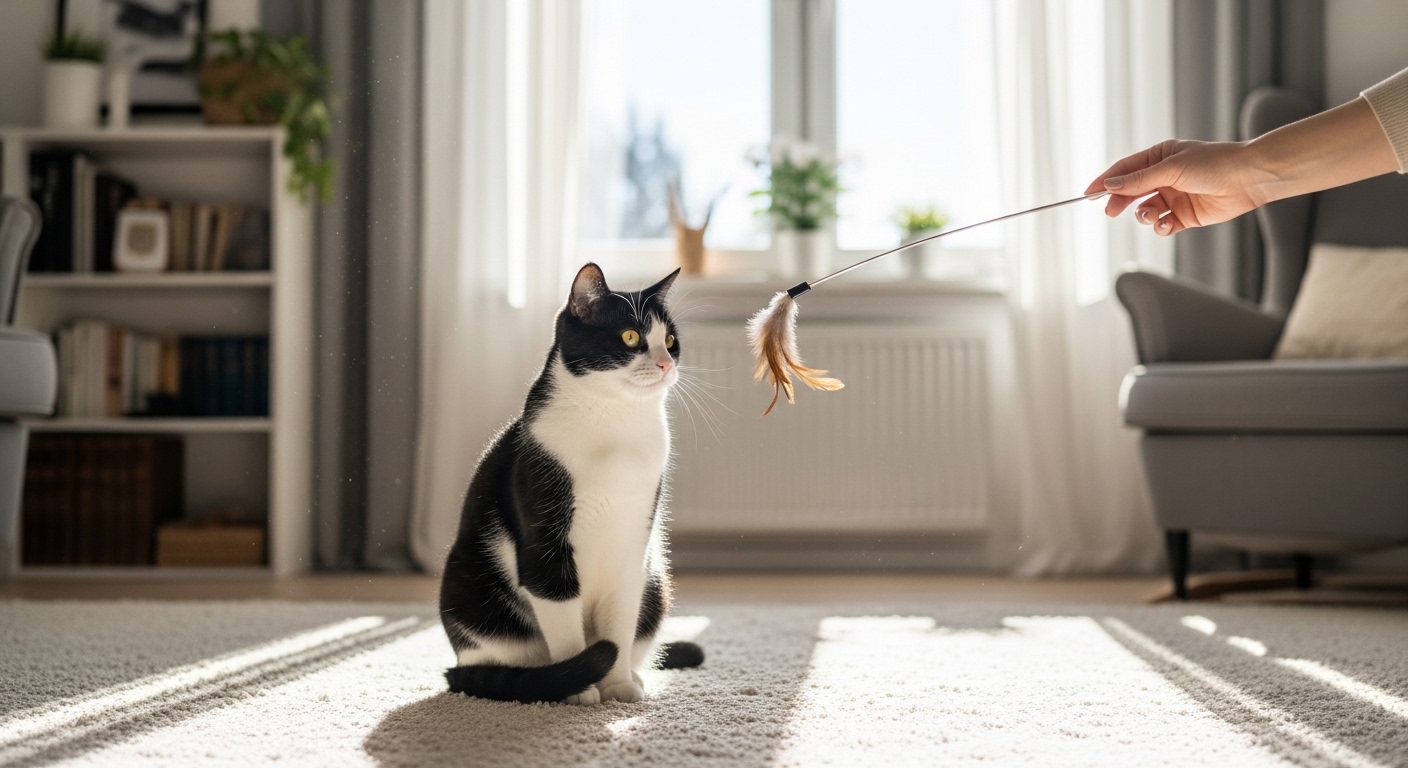
A third mistake is trying to interrupt or punish the behavior. Your cat is not doing anything wrong. Startling them out of a focused stare can actually increase anxiety, especially in cats that are already a bit high-strung. If the staring bothers you, a gentle distraction with a toy works far better than a loud noise or a spray bottle.
If your cat stares at the same spot every day and you have ruled out pests and plumbing, mention it to your vet — a brief check is always worth the peace of mind.
Expert Tips for Curious Cat Owners
Many feline behaviorists suggest treating wall-staring as a window into your cat's sensory world rather than a problem to solve. If your cat is clearly tracking something inside the wall, a pest inspection is a practical first step — not because the staring itself is dangerous, but because an actual rodent infestation is worth catching early. One owner I know spent three weeks convinced her cat was behaving strangely before a pest control visit revealed a mouse nest behind the kitchen wall. The cat had known for weeks.
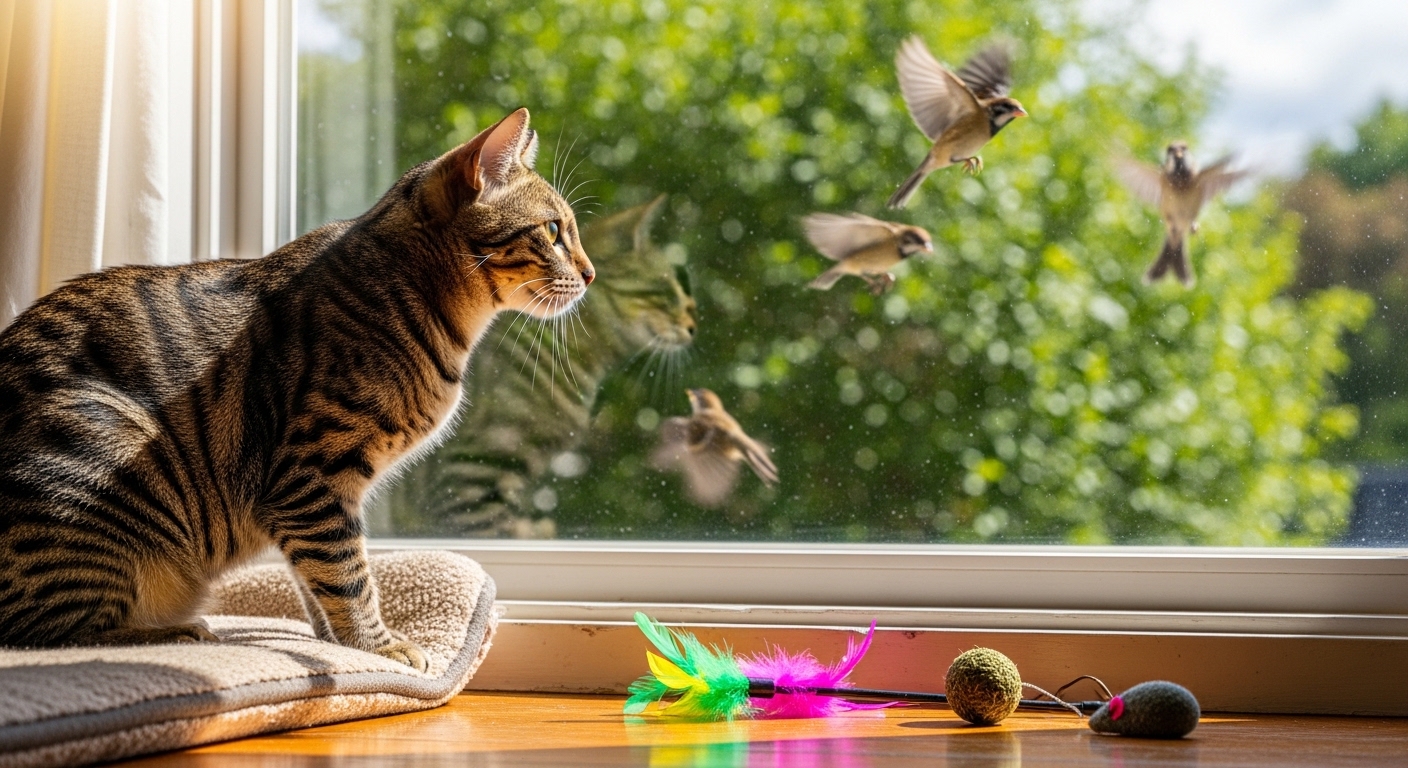
Enrichment can also reduce the intensity of the behavior in cats that seem fixated or bored. Puzzle feeders, window perches with outdoor views, and regular interactive play sessions give a cat's senses legitimate targets to engage with. A cat that gets a solid fifteen-minute play session before bed tends to stare at walls less — and sleep more, which is a bonus for everyone in the household.
Keep a simple log if the behavior concerns you. Date, time, location, duration, and any accompanying behaviors. This kind of record is genuinely useful if you do end up consulting a vet or a behaviorist, and it often reveals patterns that are not obvious in the moment.
When to See a Professional
Most wall-staring does not require a vet visit. But there are specific signs that shift it from quirky feline behavior into something that genuinely warrants a professional opinion.
- Staring episodes that last unusually long and are accompanied by apparent confusion or disorientation
- Head pressing against the wall rather than simply looking at it — this is a distinct behavior that many vets consider a red flag
- Sudden onset in an older cat with no prior history of the behavior
- Vocalizing, pacing, or seeming distressed during or after the staring episode
- Any combination of wall-staring with changes in appetite, litter box habits, or coordination
In some cases, neurological conditions, high blood pressure, or sensory decline in senior cats may contribute to unusual staring behaviors. A vet can rule these out quickly, and catching something like hypertension early makes a real difference in management. Do not diagnose this yourself based on a blog post — consult your veterinarian if you are genuinely concerned.
Frequently Asked Questions
Is my cat seeing ghosts or spirits when it stares at the wall?
There is no scientific evidence that cats perceive supernatural entities. What they are almost certainly detecting is something within their extraordinary sensory range — sounds, smells, or movements that fall below human perception thresholds. The ghost explanation is fun, but a spider behind the baseboard is statistically far more likely.
Should I be worried if my cat does this every day?
Daily wall-staring at the same spot usually points to a consistent stimulus — a pest, a recurring pipe noise, or an air current from a vent. If your cat seems otherwise healthy, alert, and behaving normally in every other way, daily staring alone is generally not a cause for alarm. Add any other unusual symptoms to the picture, though, and a vet conversation makes sense.
Can kittens and older cats stare at walls for different reasons?
Kittens tend to stare at walls out of curiosity and sensory exploration — everything is new and interesting, and their prey drive is running at full volume. Older cats may stare for the same sensory reasons, but a sudden change in staring behavior in a senior cat, especially one over ten years old, may in some cases be linked to cognitive or neurological changes. Many vets suggest a check-up if the behavior appears abruptly in a cat that never did it before.
Wall-staring is one of those behaviors that looks far more mysterious than it actually is. Your cat is not broken, not haunted, and probably not losing their mind — they are just running incredibly sophisticated sensory hardware in a body that was built to hunt things you cannot see or hear. The practical takeaway is simple: observe the details, check for pests if it is always the same spot, provide enough enrichment to keep that sensory system engaged, and call your vet if anything else seems off. That covers about ninety-five percent of cases without any drama required.
Comments
Post a Comment