You have probably watched your dog walk in tight circles three, four, maybe seven times before finally flopping down on their bed — or your freshly laundered blanket. It looks a little silly, and if you have a large dog doing this on a small couch, it can feel downright theatrical. But this spinning ritual is not random or quirky. It is a deeply wired behavior with roots that stretch back long before dogs ever shared a home with us, and understanding it can actually tell you a lot about how your dog experiences comfort and safety.

Why It Happens: The Ancestral Instinct Behind the Spin
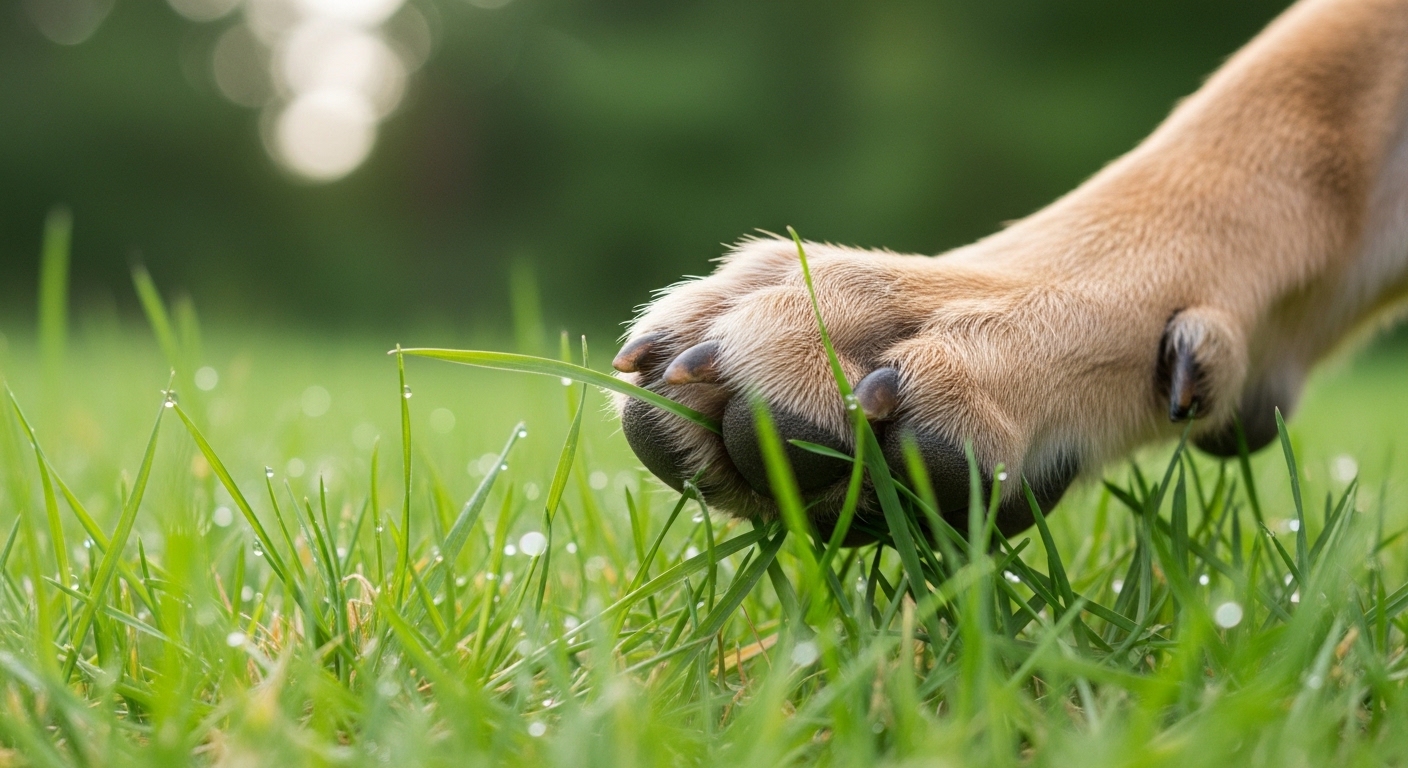
Dogs are descended from wild canids who slept outdoors in grasslands, forests, and scrubland — none of which came pre-flattened. Before lying down, their ancestors would trample tall grass, brush aside debris, and pat down the ground to create a comfortable, level sleeping surface. That circular motion was practical engineering, not performance art.
There is more to it than just flattening grass, though. Spinning also served a few other survival functions that many researchers and behaviorists believe are still encoded in modern dogs:
- Checking for hidden threats: Circling gave wild canids a 360-degree scan of their immediate surroundings before making themselves vulnerable during sleep.
- Temperature regulation: In colder climates, spinning may have helped pack down insulating material. In hot weather, disturbing the top layer of soil could expose cooler ground underneath.
- Scent marking the spot: Dogs have scent glands in their paws, so circling may have subtly claimed a resting spot as their own.
- Positioning relative to wind: Some animal behaviorists suggest that wild canids oriented themselves nose-to-wind while sleeping so they could detect approaching predators even at rest.
Your dog's living room has none of these threats. But the behavior persisted anyway, because instincts do not disappear just because the environment changes. Evolution works on a much longer timeline than domestication.
The spin is not a quirk. It is a survival script your dog inherited and never got the memo to delete.
Step-by-Step: What Is Actually Happening During the Spin
Watching the behavior frame by frame, so to speak, reveals a fairly consistent sequence that most dogs follow even if the number of rotations varies wildly between individuals.
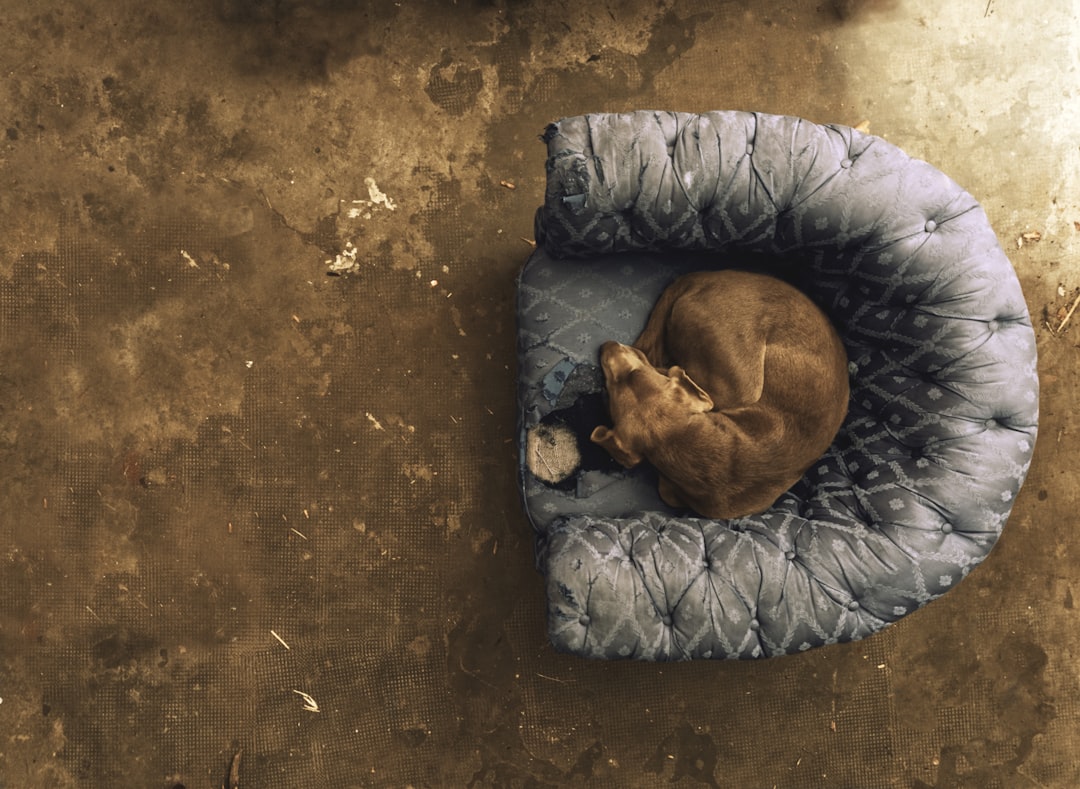
- Approach and sniff: The dog circles the area first with their nose down, gathering information about the spot.
- The spin begins: They start rotating, often in the same direction each time — many dogs have a preferred turning direction, much like humans favor one hand.
- Pawing or scratching: Some dogs will scratch at the surface mid-spin, a direct echo of the grass-flattening behavior.
- The drop: After a satisfactory number of rotations, they lower themselves — sometimes gracefully, sometimes with a dramatic thud that shakes the floor.
The number of circles varies by dog and by day. A relaxed, tired dog might do one or two. A dog that is anxious or overstimulated may spin considerably more before settling. If you notice your dog spinning far more than usual, or seeming unable to settle at all, that is worth paying attention to.

Common Mistakes Owners Make About This Behavior
Most people either ignore the spinning entirely or occasionally laugh at it, which is fine. But there are a few misunderstandings worth clearing up.
The first is assuming all spinning is the same. Pre-sleep nesting circles are slow, deliberate, and calm. They are very different from compulsive spinning, which tends to happen outside of sleep contexts, occurs repeatedly throughout the day, and may be accompanied by other signs of stress or anxiety. Conflating the two can cause owners to either dismiss a real problem or unnecessarily worry about a completely normal behavior.
Another common mistake is discouraging the spinning. Some owners find it annoying — especially when a dog is spinning on their lap or on a bed they are trying to sleep in — and will push the dog away or scold them mid-ritual. This rarely stops the behavior and can make your dog feel confused or anxious about settling down. The spin is self-soothing. Interrupting it repeatedly is a bit like pulling someone's comfort blanket away right before bed.
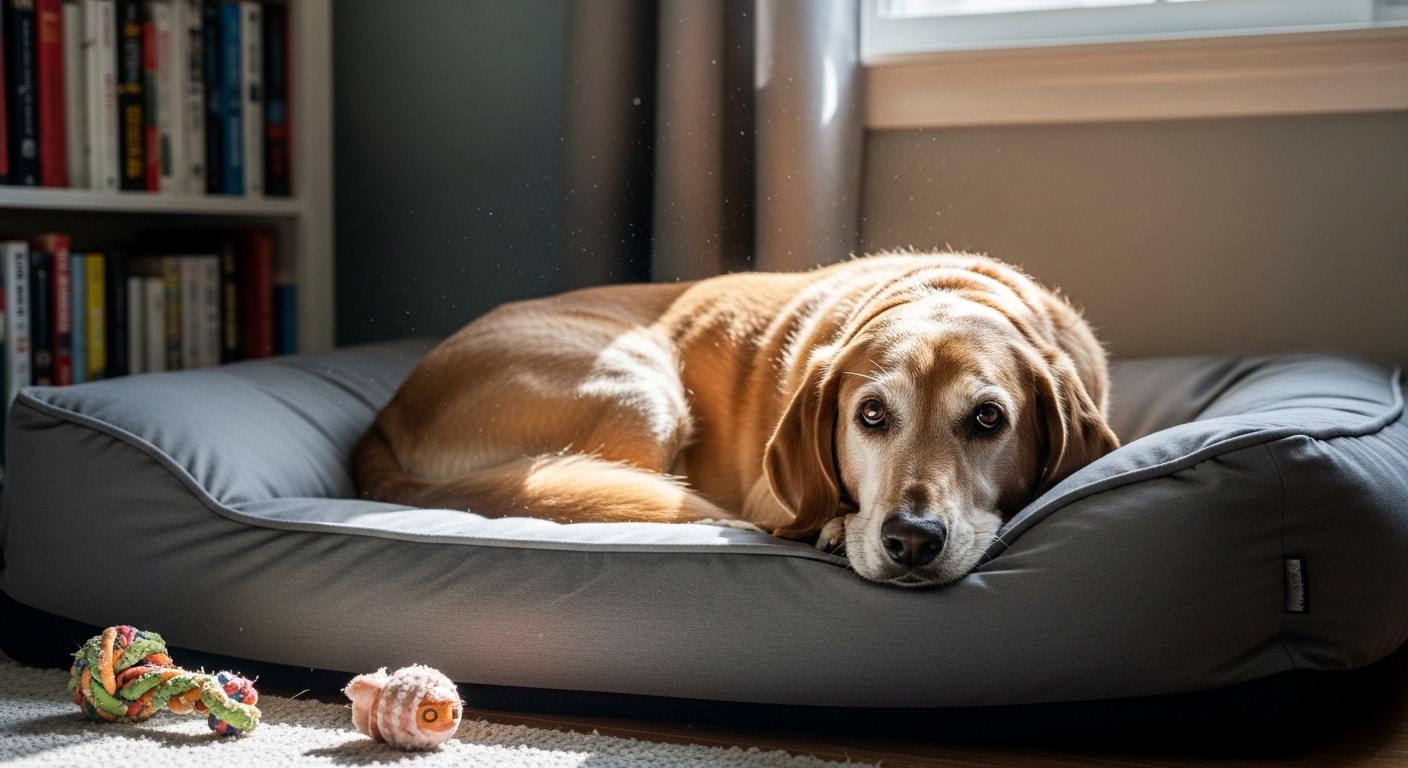
Finally, owners sometimes provide beds that are too firm or too small, and then wonder why their dog keeps spinning without settling. Dogs often spin longer when the surface does not feel right to them. A bed that allows some give — memory foam options tend to work well for older dogs especially — can reduce the spin count noticeably.

Expert Tips for Supporting Healthy Sleep Rituals
You do not need to train your dog out of spinning — and you probably could not even if you tried. What you can do is set up their environment so the ritual leads quickly and comfortably to actual rest.
- Choose the right bed size: Your dog should be able to complete a full circle without stepping off the bed. Too small and the spinning becomes frustrating for them.
- Use consistent sleep spots: Dogs settle faster in familiar locations. Rotating their bed around the house constantly can increase pre-sleep restlessness.
- Add a blanket they can rearrange: Many dogs love to paw and bunch up a blanket before lying on it. This gives the nesting instinct something to actually work with, and it saves your couch cushions from the scratching.
- Keep the sleep area calm: Loud environments or high foot traffic near their bed can increase the number of spins, since the dog is essentially re-checking for threats more frequently.
- Maintain a wind-down routine: Dogs are creatures of habit. A consistent pre-bed sequence — a short walk, a chew, quiet time — can reduce overall pre-sleep anxiety and shorten the spin ritual naturally.
One thing worth mentioning: older dogs sometimes spin more before lying down simply because finding a comfortable position takes longer when joints are stiff. If your senior dog has recently started spinning more, or seems to struggle to get comfortable after lying down, a conversation with your vet about joint health may be worthwhile.
When to See a Pro
Pre-sleep spinning is almost always harmless. But there are specific situations where the behavior shifts from instinctual ritual to something that warrants professional input.
See your veterinarian if your dog:
- Spins compulsively throughout the day, not just before sleep
- Appears dizzy, disoriented, or loses balance while spinning
- Spins and then cries or whimpers when lying down
- Has recently developed excessive spinning with no clear trigger
Compulsive spinning that occurs outside of sleep contexts may be linked to anxiety, neurological issues, or inner ear problems — none of which you should try to diagnose or treat at home. A veterinary behaviorist can be particularly helpful if the behavior seems obsessive and is interfering with your dog's quality of life.
Frequently Asked Questions
Is it normal for my dog to spin in the same direction every time?
Yes, many dogs have a preferred spinning direction and stick to it consistently. Research has suggested that dogs may show directional preferences in various behaviors, though the reasons are not fully understood. As long as the spinning itself is calm and pre-sleep, a consistent direction is not a cause for concern.
My dog scratches at the bed before lying down — is that related?
Absolutely. Scratching and spinning are part of the same nesting behavior package. The scratching mimics the motion of patting down grass or soil, and many dogs do both in sequence. If your dog is destroying their bed with the scratching, a tougher canvas or denim bed cover tends to hold up better than plush fabric — something you figure out after replacing a few beds.
Should I be worried if my puppy spins a lot before sleeping?
Puppies often spin more than adult dogs simply because everything is new and slightly overwhelming. The behavior typically settles into a more predictable pattern as they mature and become more comfortable in their environment. If a young puppy seems unable to settle at all or shows signs of distress beyond the spinning, consulting your vet is a reasonable step.
Dogs spin before lying down because some behaviors are simply older than the houses we have invited them into. The grass is long gone, the predators are not coming, and the wind direction does not matter in your kitchen — but the ritual remains, and it works for them. Give your dog a bed they can actually circle on, let them do their thing, and they will be asleep faster than you expect.
Comments
Post a Comment