You have just given your dog a bath. They smell like lavender, they look fluffy, and you are feeling pretty good about yourself. Then you let them outside for five minutes and they come back reeking of something dead. If you have lived with a dog for any length of time, this scene is painfully familiar. The rolling-in-gross-things behavior is one of those quirks that makes dog ownership genuinely humbling, and understanding why they do it does not make it any less disgusting — but it does help you manage it more effectively.
Why It Happens: The Science Behind the Stink
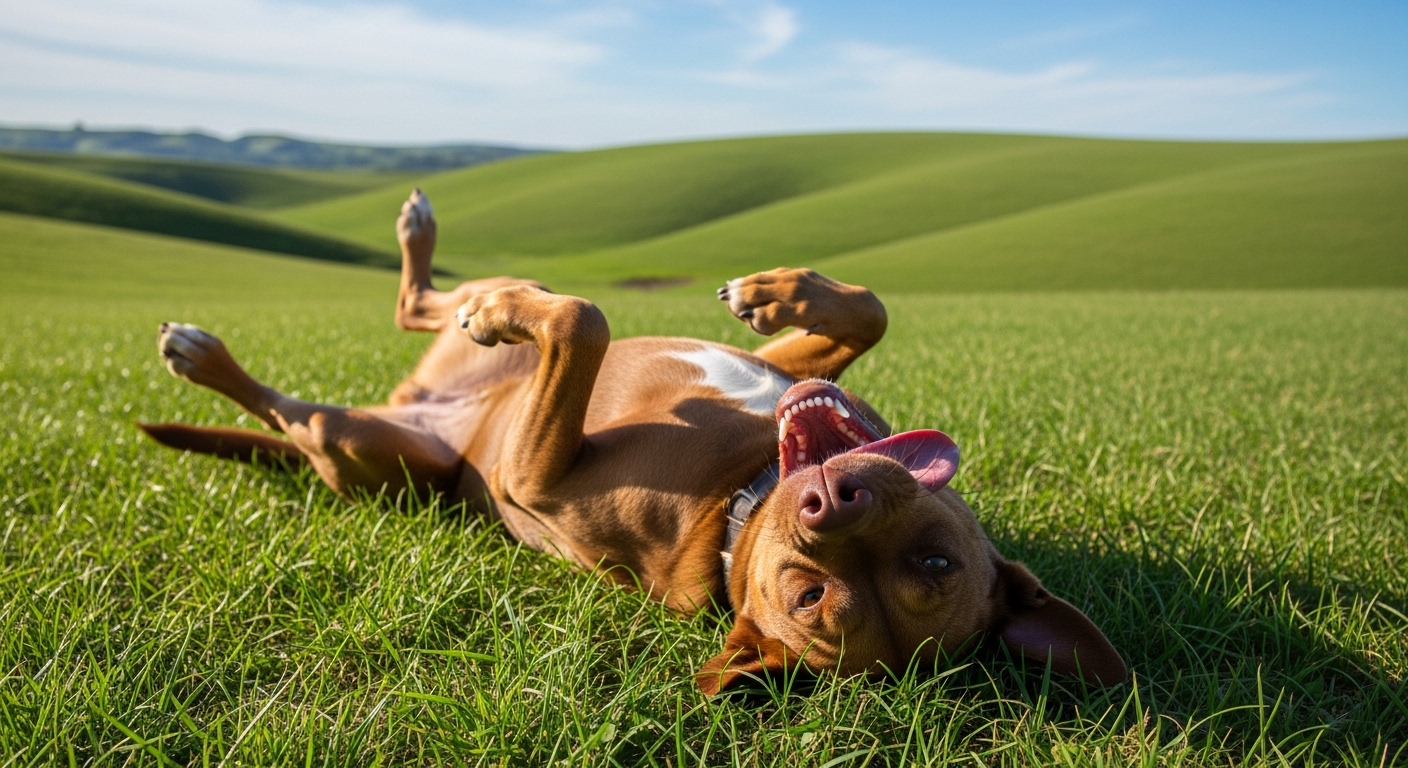
Dogs did not develop this habit to annoy you. The behavior is deeply rooted in instinct, and the leading theory among animal behaviorists is that it traces back to wild canid ancestors using scent as a hunting tool. By rolling in the smell of prey, carrion, or another animal's territory, a wolf or wild dog may have been masking its own scent — essentially wearing a disguise to get closer to prey without detection.
There is also a competing theory worth knowing: scent communication. Some researchers suggest that dogs roll in strong odors and then return to their pack to share information — essentially saying, "I found something interesting over here, come check it out." Both theories have merit, and the behavior likely serves more than one purpose depending on the individual dog and situation.
What makes this instinct so persistent is that it is self-rewarding. Dogs appear to find the act genuinely pleasurable — you can usually see it in their body language, that unmistakable look of pure satisfaction as they wriggle their shoulders into something foul. The reward is built in, which is exactly what makes it so hard to train away entirely.
Certain smells seem to be especially irresistible to dogs, and they tend to follow a predictable pattern of gross-to-grosser.
- Dead animals or decomposing organic matter
- Other animals' feces, particularly from wildlife like foxes or deer
- Fish or strong marine smells
- Heavily perfumed or chemically scented substances
- Mud with a strong organic smell
Step-by-Step: Managing the Rolling Habit
You are unlikely to eliminate this behavior completely, and honestly, trying to do so through punishment tends to backfire. What you can do is interrupt it reliably and reduce how often it happens through a combination of supervision, recall training, and environmental management.
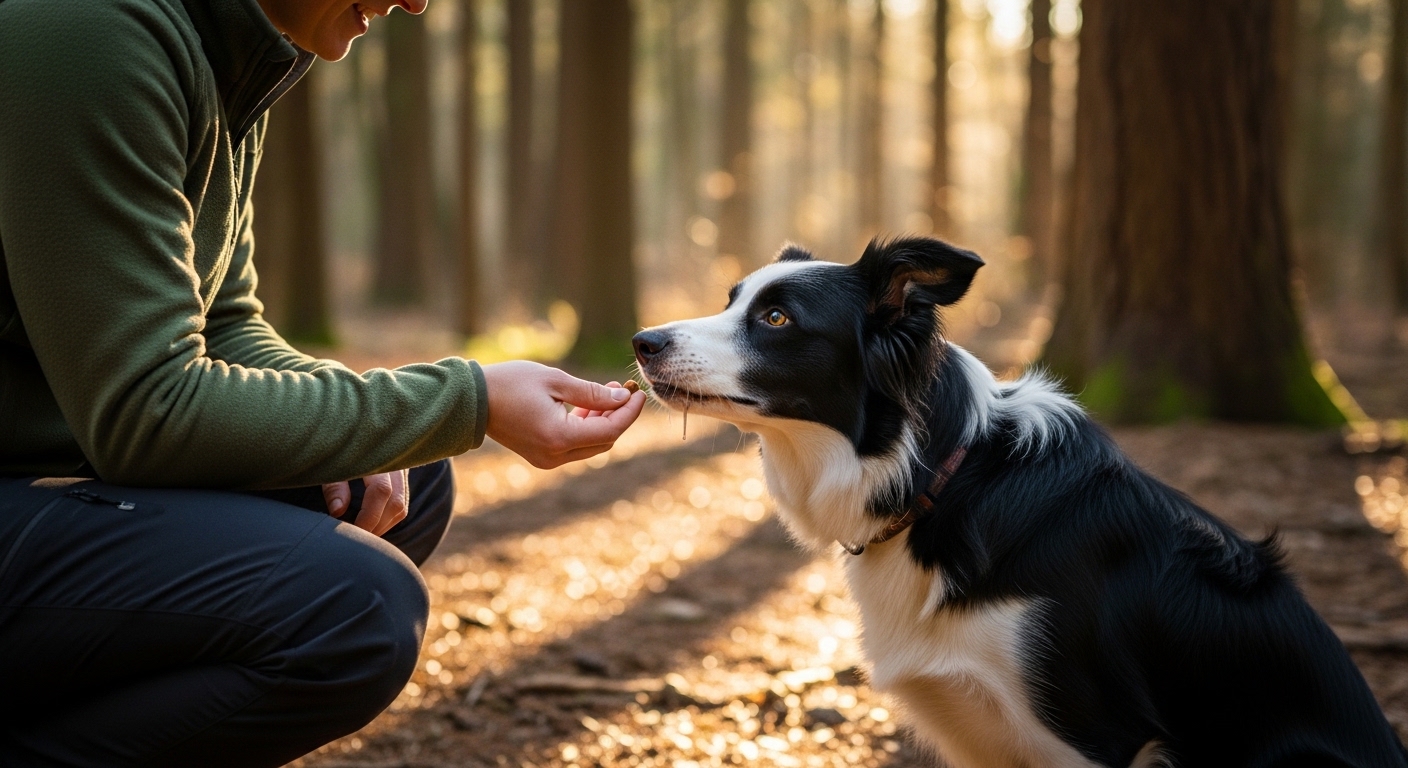
Step 1: Build a rock-solid recall. A dog that comes back to you immediately when called is your single most effective tool here. Practice recall in low-distraction environments first, then gradually work up to outdoor spaces where tempting smells exist. Use high-value rewards — real meat, not just kibble — because you are competing with one of the most powerful instincts your dog has.
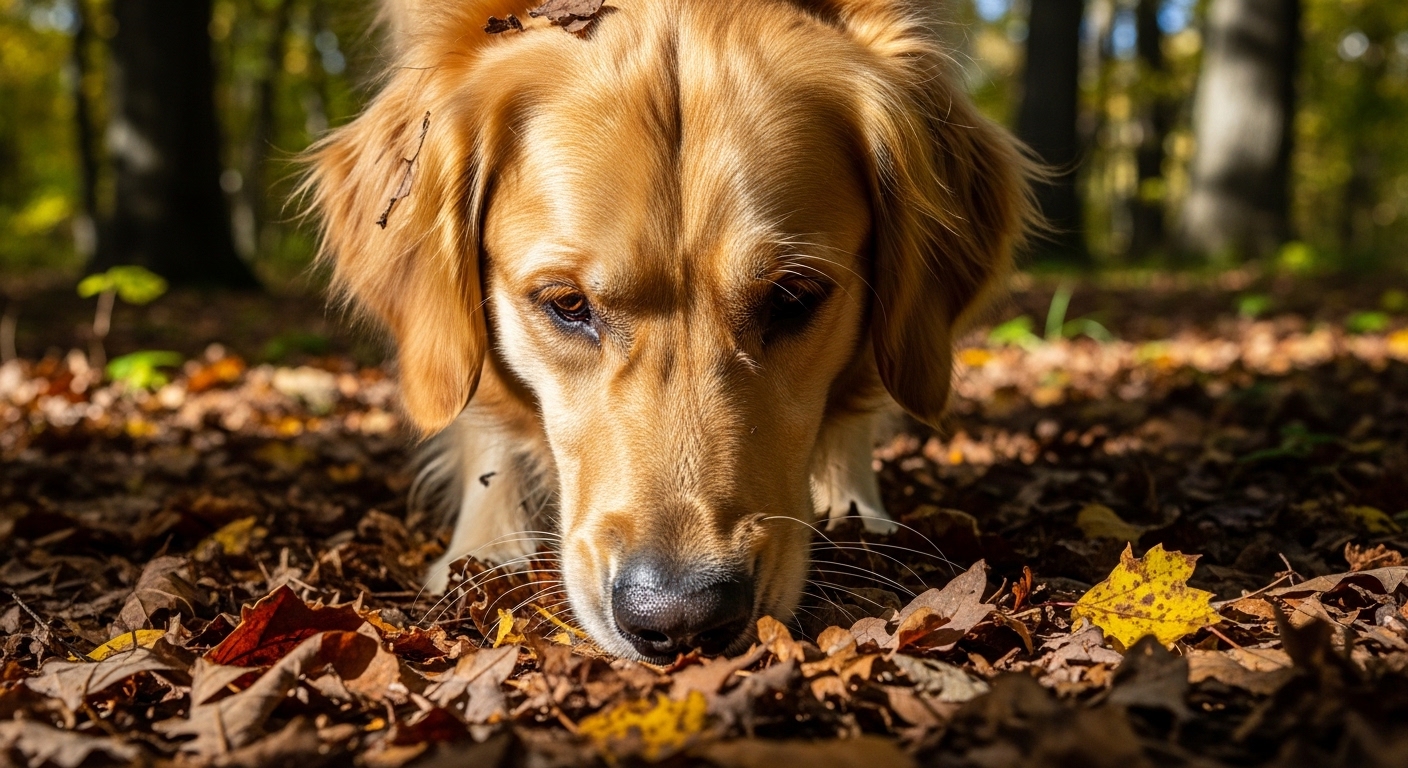
Step 2: Learn to read the pre-roll signals. Most dogs telegraph the behavior before they commit to it. Watch for a sudden slowing of pace, intense sniffing of one spot, a lowered head with the shoulders starting to dip, and that sideways lean. The moment you see those signals, call your dog away or redirect with a cue like "leave it."
Step 3: Use a long line in high-risk areas. If you are walking somewhere with known temptations — near water, in wooded areas, anywhere wildlife passes through — a 10 to 15 foot long line gives you physical backup when your recall is not yet reliable enough. It is not glamorous, but it works.
Step 4: Reward heavily for disengaging. When your dog sniffs something suspicious and then walks away on their own, or responds to your recall before the roll begins, that deserves a genuinely enthusiastic reward. You are reinforcing the choice to disengage from a very compelling urge.
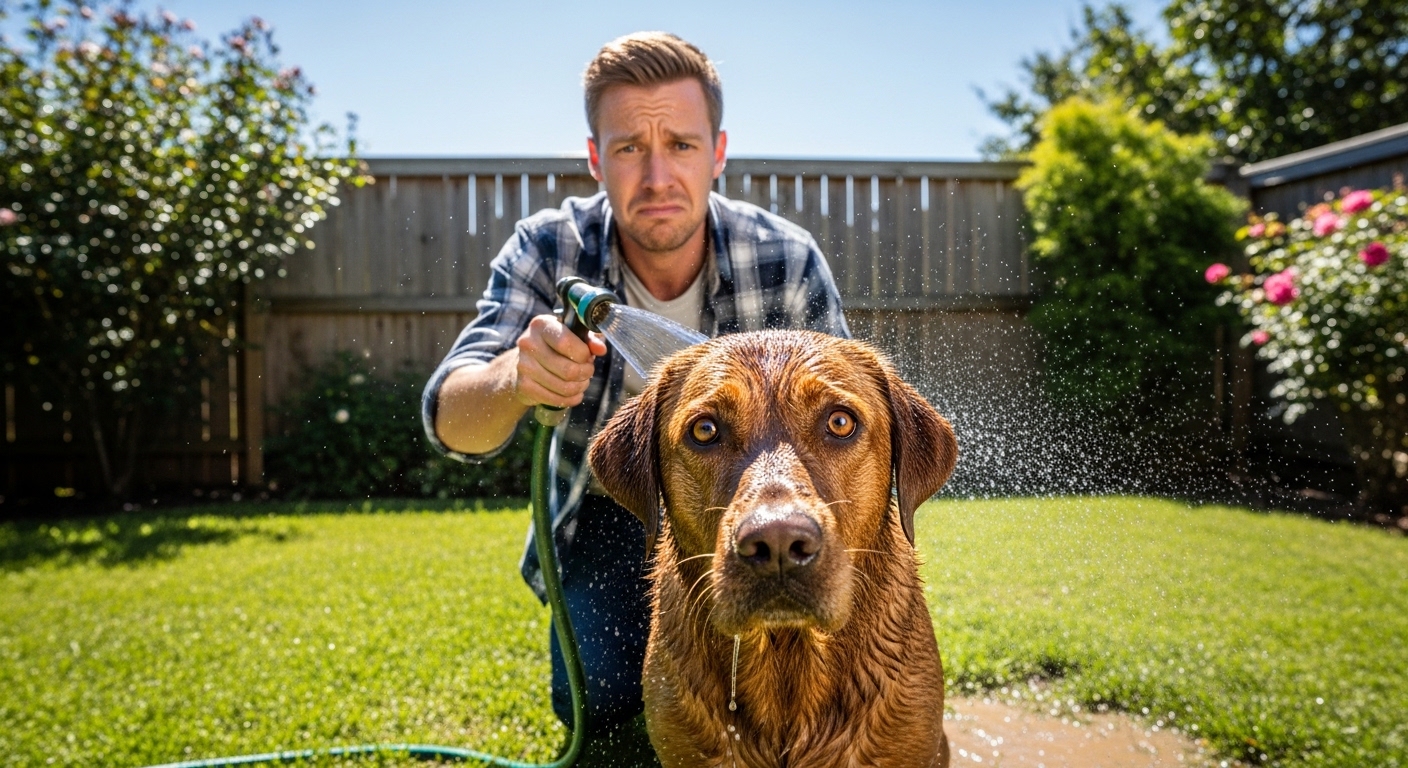
Step 5: Accept that you will not win every time. Especially in off-leash situations, some rolls will happen. Having a designated post-walk rinse routine — even just a quick hose-down of paws and shoulders — saves your furniture and your sanity.
Common Mistakes Owners Make
The most common mistake is reacting after the fact. Scolding a dog once they have already rolled accomplishes very little — they cannot connect your frustration to something that happened 30 seconds ago, and you mostly just confuse them. The window for any kind of meaningful feedback is extremely short, measured in seconds, not minutes.
Another frequent error is using punishment-based interruptions like yelling or leash corrections during the pre-roll phase. This can actually create anxiety around sniffing in general, which is a behavior dogs genuinely need for mental stimulation. You want to interrupt the rolling, not make your dog afraid to use their nose.
- Punishing after the fact — your dog has no idea what the scolding is for
- Skipping recall training and relying entirely on the leash to prevent rolling
- Using aversive sprays or collars to stop the behavior without addressing the underlying drive
- Bathing too frequently in response, which can irritate skin and strip coat oils without solving anything
- Assuming the dog is being defiant — this is instinct, not spite
Expert Tips That Actually Help
Many trainers and behaviorists suggest giving dogs a designated "sniff zone" during walks — a period where they are allowed to investigate smells freely with a loose leash. This kind of structured sniff time can reduce the frantic, obsessive quality that sometimes drives rolling behavior, because the dog is not constantly being hurried along.
A dog that gets adequate mental stimulation through sniffing, puzzle feeders, and nose work games may be less driven to seek intense sensory experiences on their own terms.
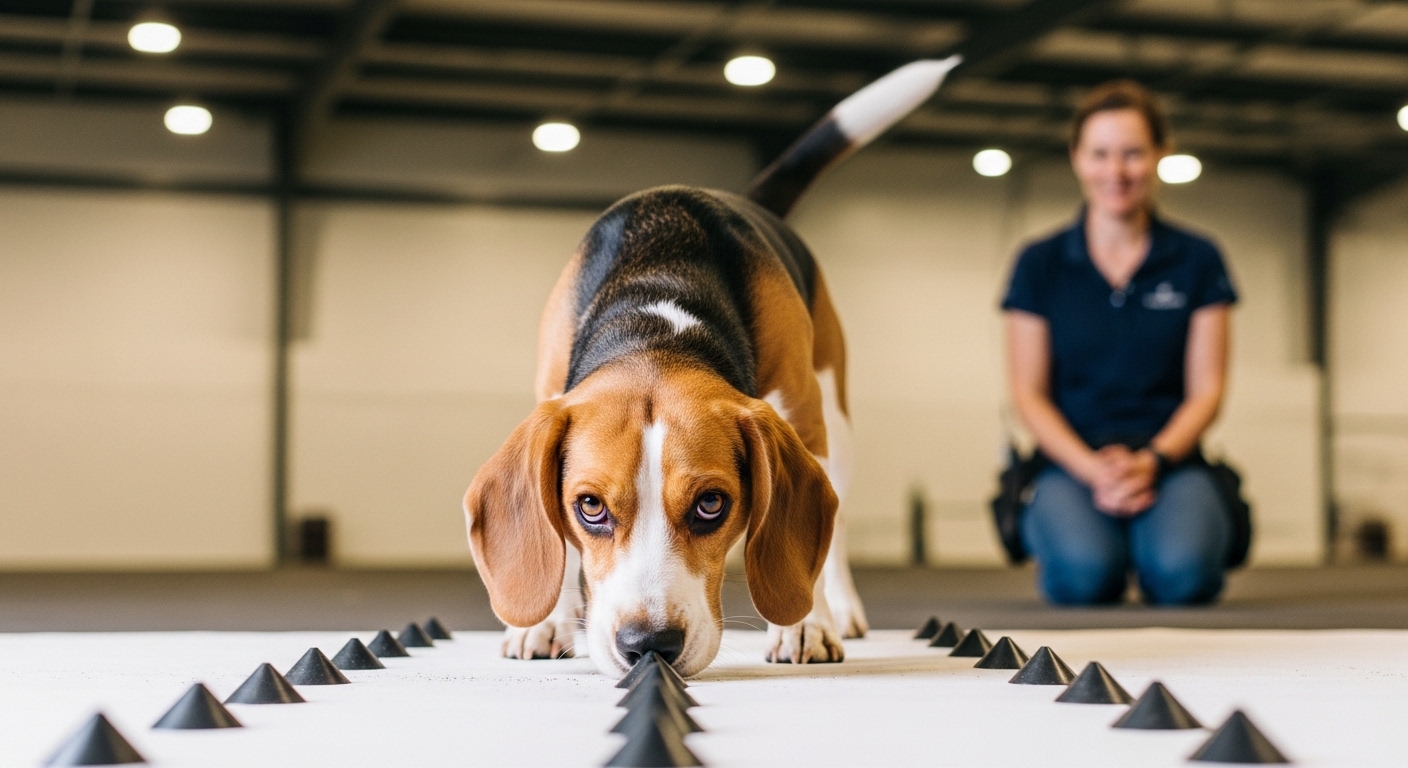
Nose work as a sport is worth mentioning here. Dogs trained in scent detection games tend to channel their olfactory obsession into a structured activity, and many owners report a noticeable reduction in random rolling once their dog has a proper outlet for that drive. It is also one of the more genuinely enjoyable things you can do with a dog — watching them work a scent problem is impressive.
If your dog tends to roll in the same spots repeatedly on a familiar route, simply varying your walking path can help. Dogs are creatures of habit, and removing access to the known temptation is sometimes the most practical solution available, especially while recall training is still in progress.
When to See a Pro
For most dogs, rolling in smelly things is a normal, if annoying, behavior that responds reasonably well to management and training. However, there are situations where bringing in a professional trainer or certified behaviorist makes sense.
If your dog's recall is so unreliable that they cannot be safely walked off-leash in any context, a trainer can help you build that foundation systematically. If the behavior is accompanied by other compulsive-looking patterns — repetitive circling, excessive licking, or anxiety-driven behaviors — consult your veterinarian, as compulsive behaviors sometimes have an underlying component that warrants professional evaluation.
Also worth noting: if your dog is rolling in substances and then immediately licking them off, that is a separate concern. Some outdoor substances, including certain animal droppings and decomposing matter, may pose health risks. Your veterinarian can advise on what to watch for in your specific environment.
Frequently Asked Questions
Will my dog ever stop rolling in smelly things on their own?
Most dogs do not outgrow this behavior — it is instinct-driven rather than a phase. Some dogs mellow with age and become slightly less frantic about it, but the drive typically persists throughout their life. Management and a reliable recall are more realistic goals than elimination.
Does rolling in smelly things mean my dog is unhappy or stressed?
Not usually. In most cases it simply reflects a strong, ancient instinct rather than any emotional distress. That said, if the behavior seems compulsive or is paired with other signs of anxiety, a conversation with your veterinarian is a reasonable next step.
Should I bathe my dog every time they roll in something?
A full bath every time can be hard on your dog's skin and coat over time, depending on the shampoo and frequency. Many vets suggest that a targeted rinse of the affected area — usually the neck and shoulders — is sufficient for mild incidents, reserving full baths for the truly spectacular ones. If you are unsure what your dog rolled in, consult your veterinarian about any health precautions.
Rolling in disgusting things is one of those behaviors that dogs have been doing for thousands of years, long before anyone had a couch to ruin or a car interior to protect. You will probably never fully stop it, and that is worth accepting early. What you can do is get faster at spotting the warning signs, build a recall that actually works under distraction, and keep a bottle of dog shampoo somewhere accessible. That, and maybe invest in washable car seat covers.
Comments
Post a Comment