If you have ever said a strange word out loud and watched your dog slowly rotate their head to one side like a confused little satellite dish, you already know how disarming that gesture is. Most people assume it is purely cute, and it is, but there is actually a fair amount going on beneath those floppy ears. The head tilt is one of those behaviors that sits right at the intersection of biology and social bonding, and understanding it makes you appreciate your dog a little differently — not just as an adorable moment to photograph, but as a window into how dogs actually process the world around them.
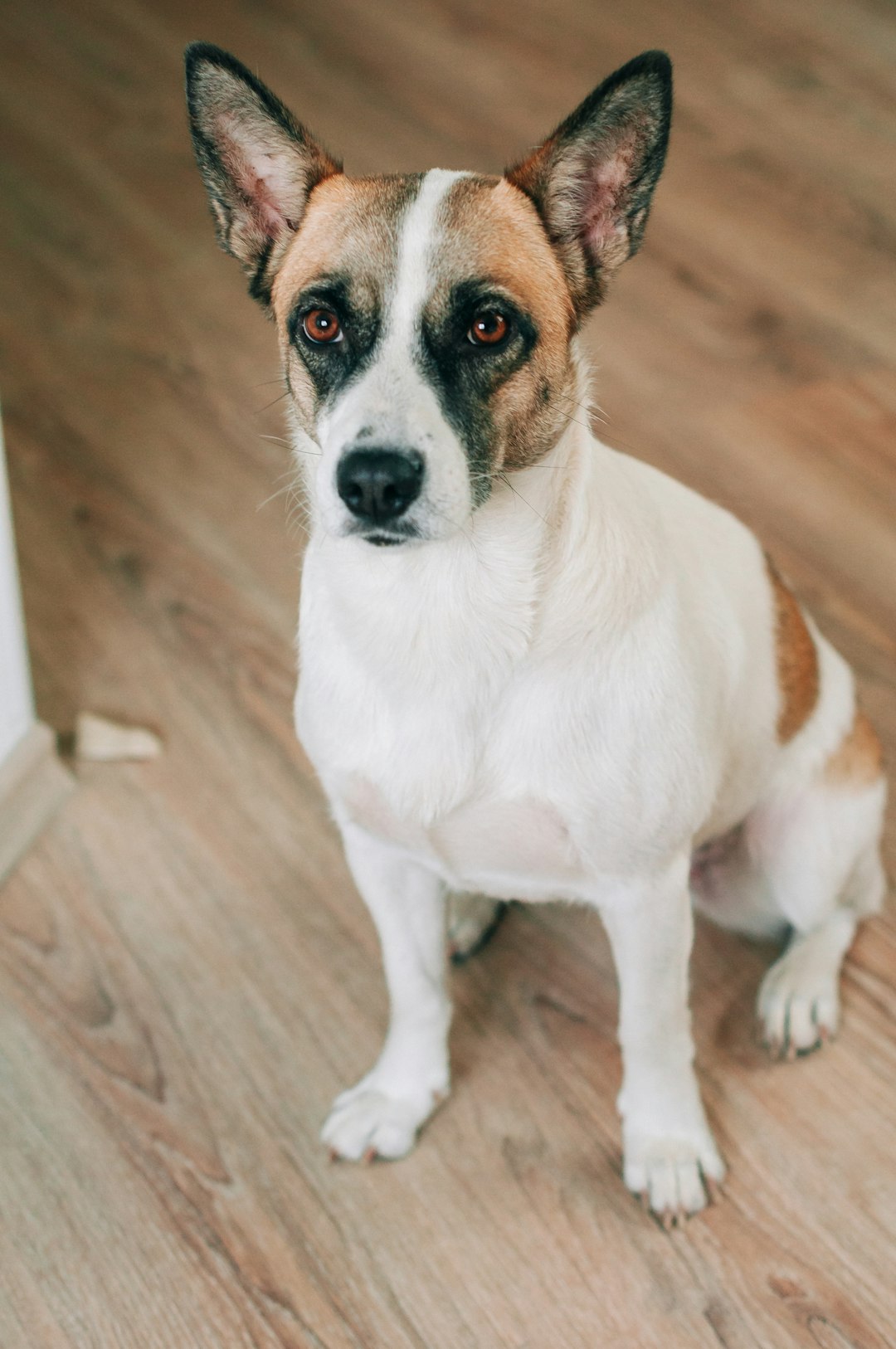
Why It Happens: Auditory Processing and Social Instinct
Dogs hear a much broader range of frequencies than humans do, but hearing a sound clearly and locating where it is coming from are two different challenges. When a dog tilts its head, many researchers believe it is actively adjusting the position of its outer ears — the pinnae — to better triangulate the source of an unfamiliar or interesting sound. Think of it like a person cupping a hand behind their ear, except dogs have evolved far more mobile ear structures to do this automatically.
There is also a strong case for a visual component. A 2021 study from Budapest suggested that dogs who had learned the names of specific toys tilted their heads far more frequently when asked to fetch them — implying the tilt may help dogs focus on a speaker's face and lip movements to extract meaning from speech. Dogs with longer muzzles may tilt more often simply because their snout partially blocks their view of a human's lower face. Short-nosed breeds like pugs and bulldogs reportedly tilt less, which supports this theory more than a little.
Beyond mechanics, the tilt almost certainly has a social dimension. Dogs are remarkably attuned to human emotional cues, and tilting the head may signal attentiveness — a way of communicating, "I am listening, keep going." Whether that is a learned behavior reinforced by human reactions or a genuine instinct is still debated, but the effect is real either way.
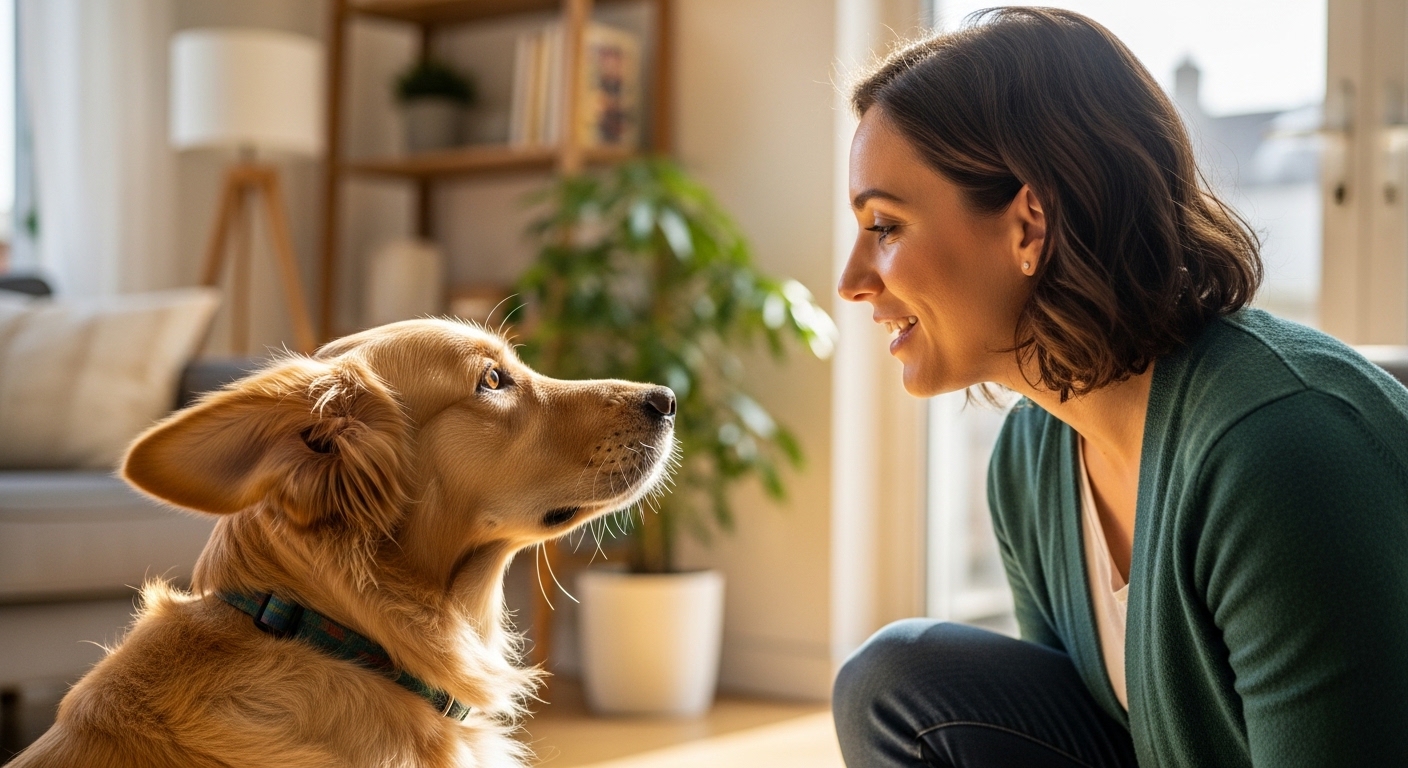
Step-by-Step: How to Observe and Encourage Healthy Tilting
You do not need to train the head tilt — it happens naturally — but you can use it as a tool to better understand your dog's engagement and cognitive state. Here is a simple framework for observing it meaningfully:
- Pick a quiet environment. Background noise makes it harder to isolate what is triggering the tilt. A calm room gives you a cleaner read on what your dog is actually responding to.
- Use novel words or sounds. Say a word your dog has never heard, or play an unfamiliar sound at moderate volume. Watch for the tilt and note how long it lasts before your dog loses interest.
- Try varying your tone. Dogs respond to prosody — the rhythm and pitch of speech — more than literal words. A rising question tone often triggers more tilting than flat statements.
- Observe which direction they tilt. Many dogs consistently tilt to one preferred side. This is normal and may reflect subtle differences in ear sensitivity or dominant hemisphere processing.
- Note the context. Is the tilt happening during training, during play, or when they hear something outside? Patterns across contexts can tell you a lot about what your individual dog finds cognitively engaging.
Keeping a casual mental log of when your dog tilts most frequently can actually help you tailor training sessions — if the tilt disappears, your dog may have mentally checked out, which is useful feedback.
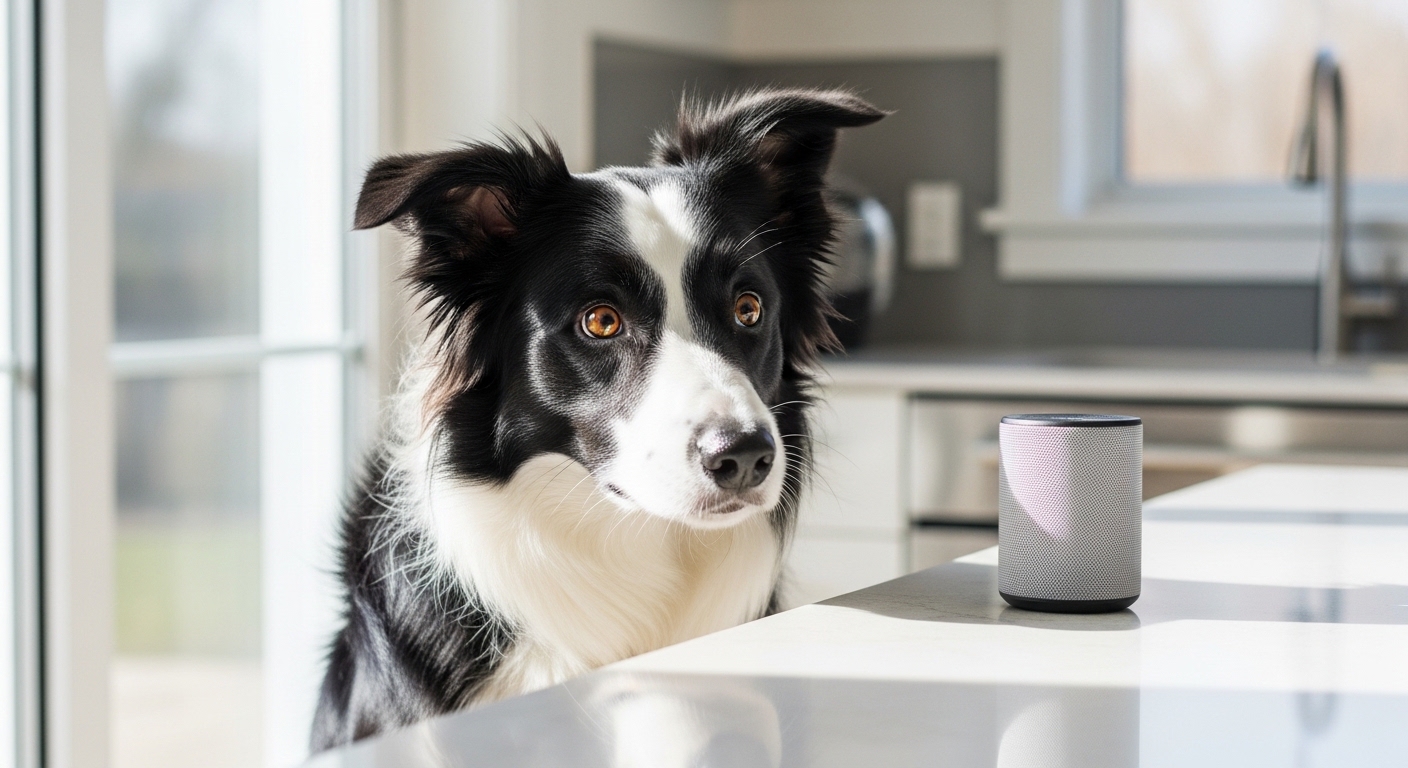
Common Mistakes Owners Make About the Head Tilt
The biggest mistake is treating every head tilt as identical. A dog tilting in response to a squeaky toy is doing something quite different from a dog tilting repeatedly with no clear trigger, or tilting persistently to only one side while also showing balance issues. Context matters enormously here.
A few other misconceptions worth clearing up:
- Assuming more tilting means higher intelligence. Tilt frequency varies by breed, individual personality, and ear shape — not raw smarts. A dog that rarely tilts is not less engaged or less clever.
- Deliberately over-triggering it for entertainment. Repeatedly making strange noises to get the tilt reaction can become mildly frustrating for some dogs, especially if they are trying to locate a sound and keep failing to find a source.
- Ignoring a sudden change in tilting behavior. If a dog that never tilted suddenly starts doing it constantly, or if the tilt is accompanied by head shaking, scratching at ears, or loss of balance, that warrants a vet visit rather than a social media post.
- Conflating the tilt with confusion or low comprehension. The tilt often signals active processing, not the absence of it. Your dog may understand more than you think.
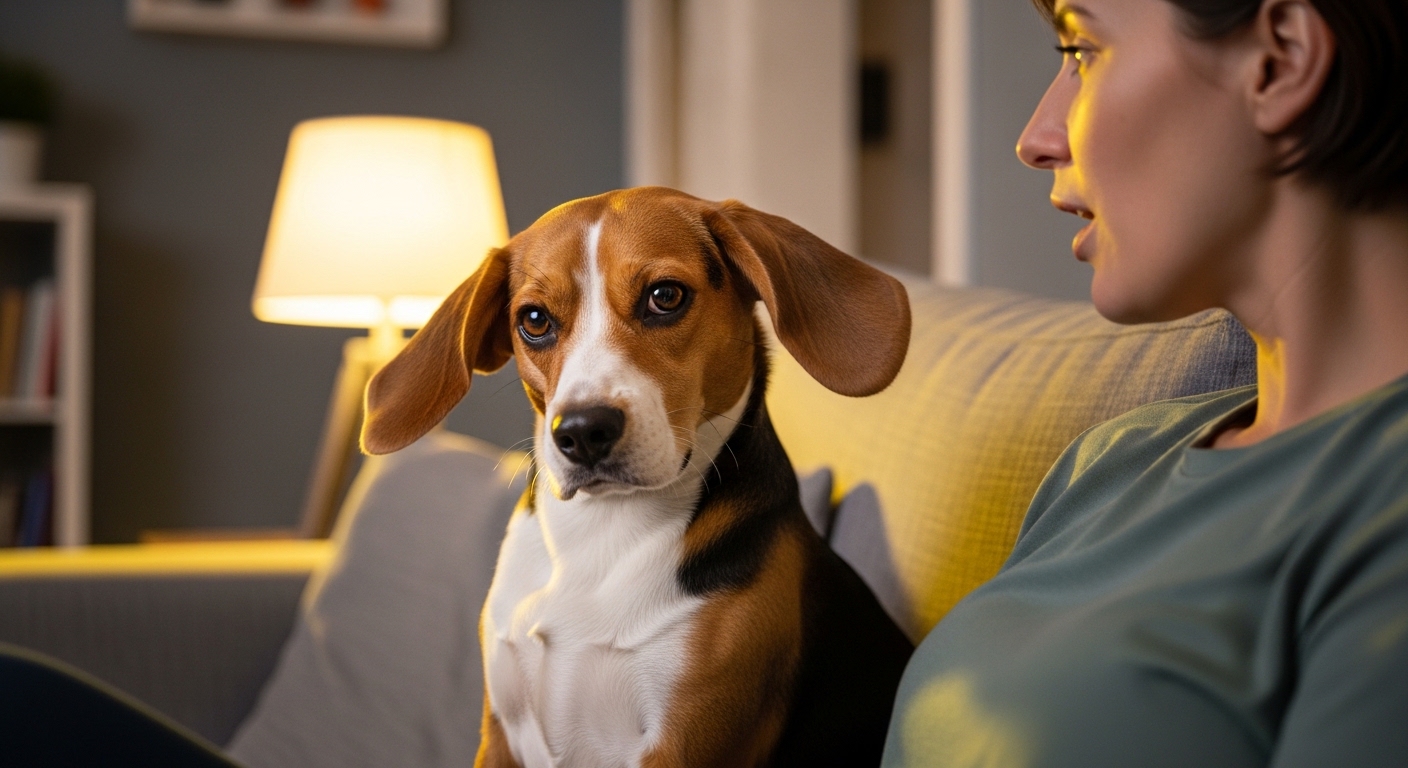
Expert Tips for Reading Your Dog's Head Tilt
Animal behaviorists often point out that the head tilt is best understood as part of a cluster of signals, not in isolation. A tilt paired with relaxed ears, a loose body, and soft eyes reads very differently from a tilt paired with stiff posture and a fixed gaze. Learning to read the whole picture takes time, but it is genuinely useful.
A dog's head tilt is rarely just one thing — it is auditory focus, social attentiveness, and learned communication all happening at once. Watch the whole dog, not just the head.
Some practical tips from experienced trainers and behaviorists:
- Use the tilt as a real-time engagement gauge during training — if it disappears mid-session, your dog may be overstimulated or fatigued.
- Dogs that tilt frequently during verbal commands may benefit from clearer, more consistent word choices rather than long sentences.
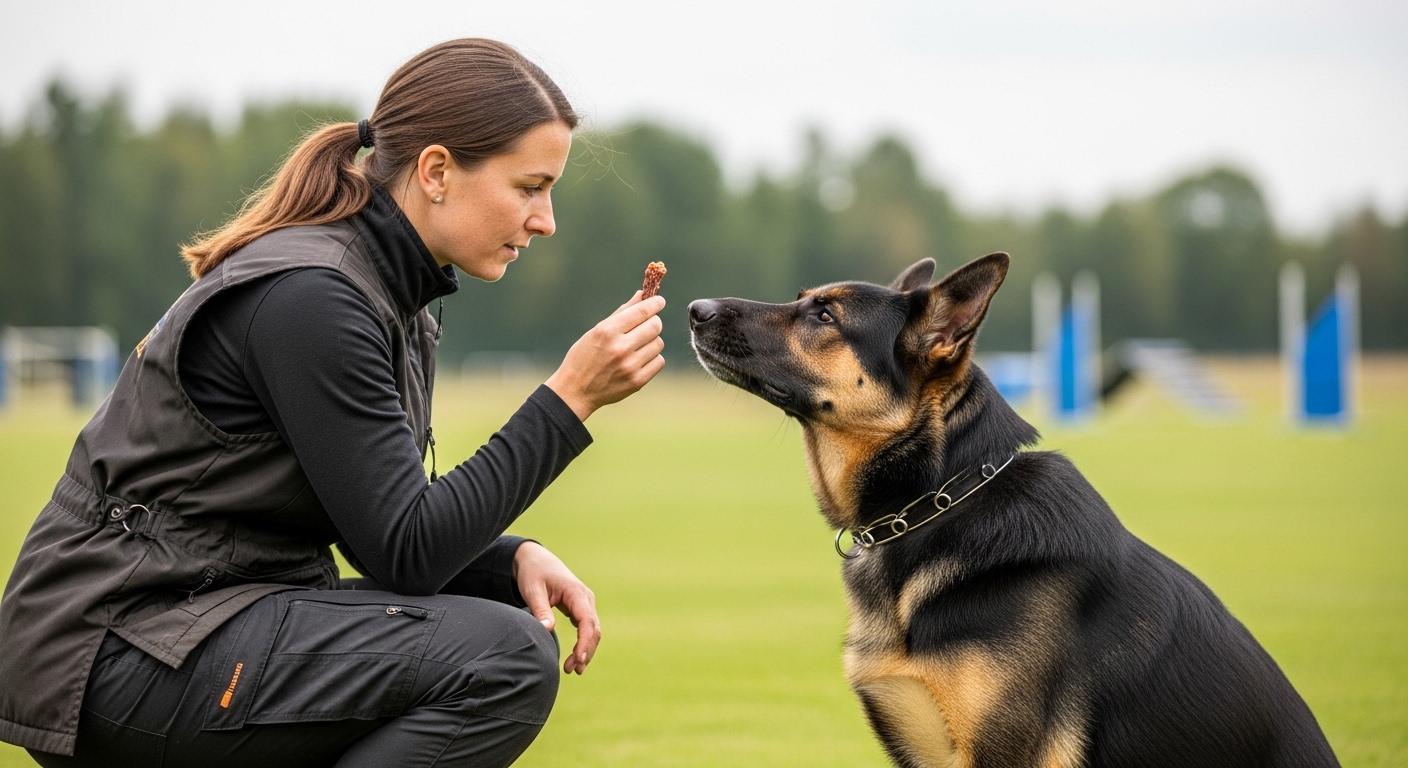
- If you want to encourage attentiveness, a slightly higher-pitched, varied tone tends to hold a dog's focus longer than a monotone delivery — something most experienced trainers figure out pretty quickly, even if they do not consciously plan it.
- Photographing or recording tilt moments across weeks can help you spot patterns, particularly if you are working with a trainer on communication or focus exercises.
One thing that catches many new owners off guard: once you start noticing the tilt, you will also start noticing all the times your dog is clearly listening without tilting at all — ears micro-adjusting, eyes tracking your face — and that is just as interesting.
When to See a Professional
Most head tilting is completely normal and requires nothing more than your appreciation. But there are specific situations where you should consult your veterinarian rather than assume everything is fine.
Reach out to your vet if you notice:
- A persistent tilt to one side that does not resolve, especially if it appeared suddenly
- The tilt is accompanied by rapid, involuntary eye movements (nystagmus)
- Your dog seems off-balance, is circling, or is having trouble walking straight
- There is visible ear discharge, a strong odor from the ears, or your dog is scratching at one ear repeatedly
- Vomiting or nausea alongside the tilt, which may suggest vestibular involvement
These signs may point to inner ear infections, vestibular disease, or other conditions that a vet needs to evaluate. Do not try to diagnose this at home — the head tilt alone is not enough information, and a professional examination is the only reliable way to rule out something that needs treatment.
Frequently Asked Questions
Do all dogs tilt their heads?
Most dogs tilt their heads at some point, but frequency and degree vary significantly by individual and breed. Dogs with upright, mobile ears may tilt more visibly than those with heavy drop ears. Some dogs are simply less reactive to auditory or verbal cues and may tilt rarely — this is not a sign of a problem.
Can I teach my dog to tilt on command?
In many cases, yes. Because dogs often tilt in response to specific sounds or words, you can pair a particular sound with a reward until the behavior becomes associated with a cue. That said, it works better with some dogs than others, and it requires patience — trying to force it tends to just produce a confused stare, which, admittedly, is also pretty endearing.
Is a head tilt ever a medical emergency?
A sudden, severe head tilt — especially when paired with loss of balance, falling, or rapid eye movement — may indicate vestibular syndrome or another neurological issue that warrants prompt veterinary attention. If the tilt came on abruptly and your dog seems disoriented or distressed, contact your vet the same day rather than waiting to see if it resolves on its own.
The head tilt is one of those small dog behaviors that rewards closer attention. It is not just a reflex or a party trick — it reflects how actively your dog is trying to make sense of you and the sounds around them. Pay attention to when it happens, what triggers it, and what the rest of your dog's body is doing at the same time. You will end up with a much clearer picture of how your particular dog communicates, which is more useful than any generic guide, including this one. And yes, it will still make you smile every single time.
Comments
Post a Comment