Most people assume a wagging tail means a happy dog. It is an easy assumption to make — you walk through the door, your dog's tail starts going, and you think, great, he is thrilled to see me. Sometimes that is exactly right. But tail language is considerably more layered than that, and misreading it can lead to some awkward moments, like reaching out to pet a dog who was actually signaling stress the whole time. Understanding what different tail positions and wag speeds actually communicate can change how you interact with your own dog and how you read unfamiliar ones.
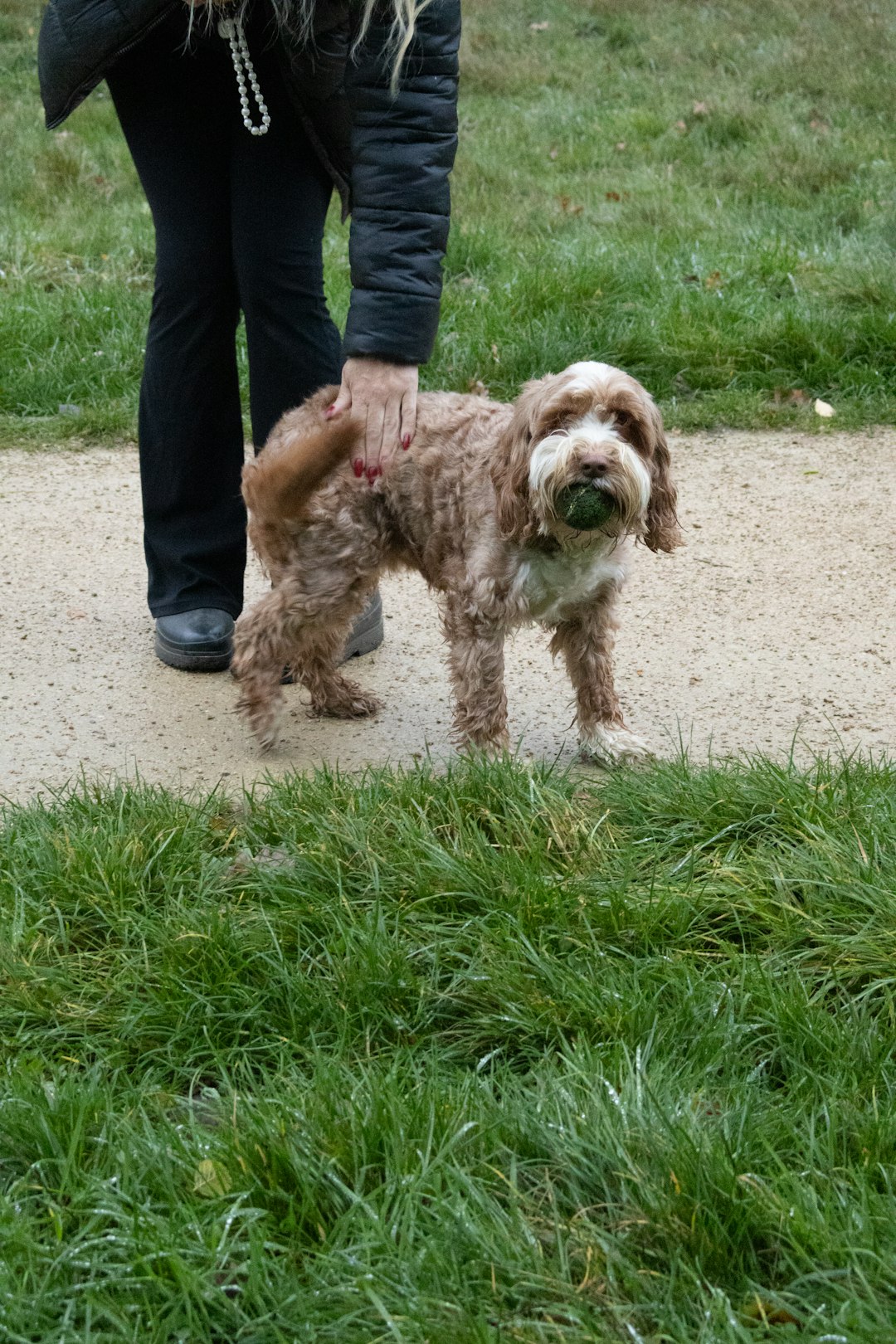
Why It Happens: The Science Behind the Wag
Tail wagging is fundamentally a social behavior. Puppies do not wag their tails at birth — they begin doing it around three to four weeks of age, roughly when they start interacting meaningfully with their littermates. That timing is not coincidental. The tail is a communication tool, and it only activates when there is someone to communicate with. Dogs living alone rarely wag at walls.
Neurologically, tail movement is controlled by the same emotional centers that govern arousal and social engagement. A 2007 study published in Current Biology found something genuinely surprising: dogs tend to wag more to the right side when they feel positive emotions (like seeing their owner), and more to the left side when they feel negative or uncertain emotions. Other dogs can apparently detect this asymmetry and respond differently depending on the direction of the wag. So your dog is broadcasting more nuanced emotional data than most people ever pick up on.
The tail also works in concert with the rest of the body. A wagging tail attached to a stiff, forward-leaning body is telling a very different story than a wagging tail on a loose, wiggly dog. Reading the tail in isolation is where most misunderstandings begin.
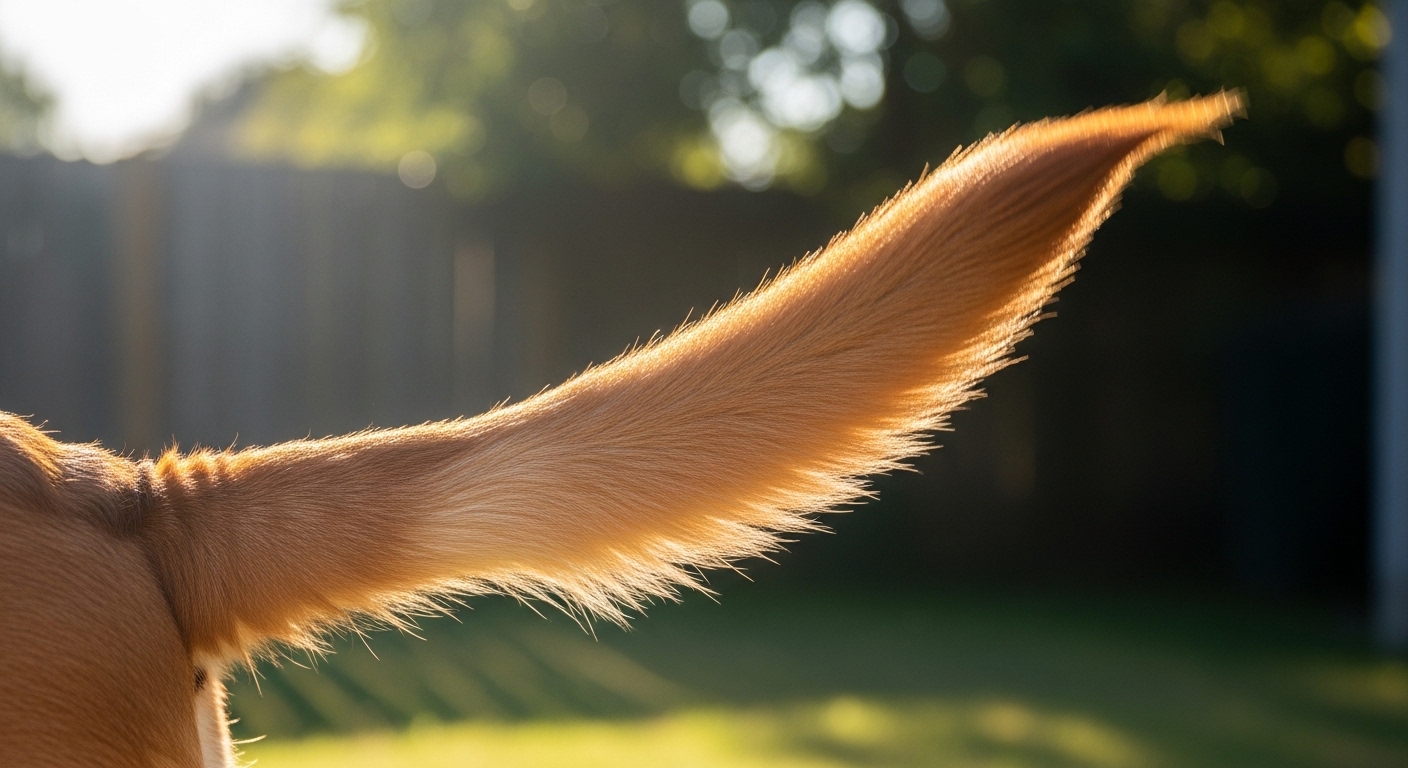
Step-by-Step: How to Read Tail Position and Wag Speed
Breaking tail language into two variables — position and speed — gives you a practical framework you can actually use in real situations.
Tail Position
- High and stiff: Signals alertness, confidence, or potential dominance. In an unfamiliar dog, this can precede assertive or aggressive behavior.
- Neutral or mid-height: The dog is relaxed. This is the baseline resting position for most breeds and usually means everything is fine.
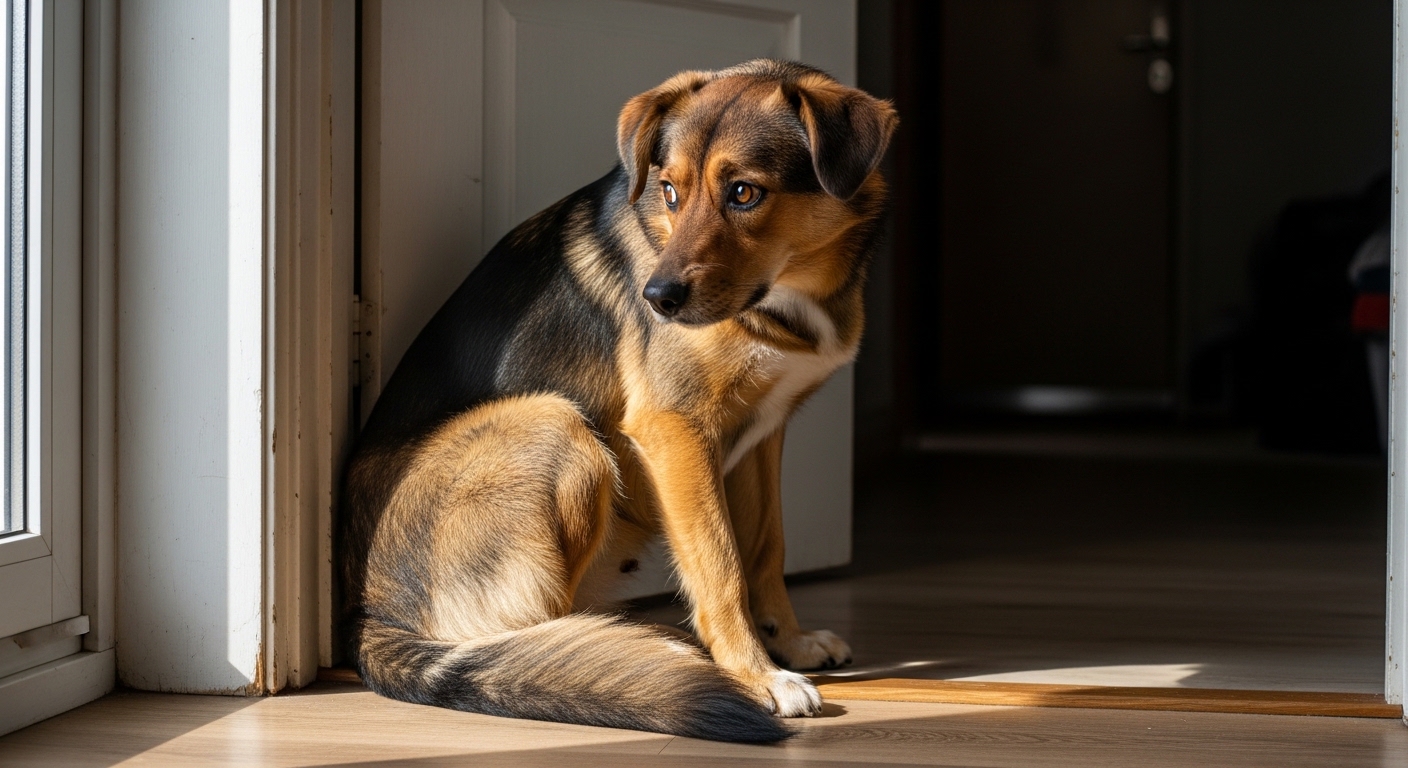
- Low or tucked between legs: Fear, submission, or significant stress. A tucked tail is a clear signal the dog is uncomfortable and should not be pushed into further interaction.
- Horizontal and slow: Focused attention or mild uncertainty — the dog is assessing a situation before committing to a reaction.
- Helicopter wag (circular motion): Typically seen in genuinely excited, happy dogs greeting someone they love. Hard to fake, honestly.
Wag Speed
- Fast, loose wag: High arousal combined with positive emotion — excitement, playfulness, eagerness to engage.
- Slow, deliberate wag: Caution. The dog is interested but not yet comfortable. Do not rush the interaction.
- Rapid, stiff wag held high: This is the one that catches people off guard. It looks enthusiastic but often signals agitation or a dog on the edge of reacting.
A fast wag is not always a friendly wag. Position tells you the emotional tone; speed tells you the intensity.
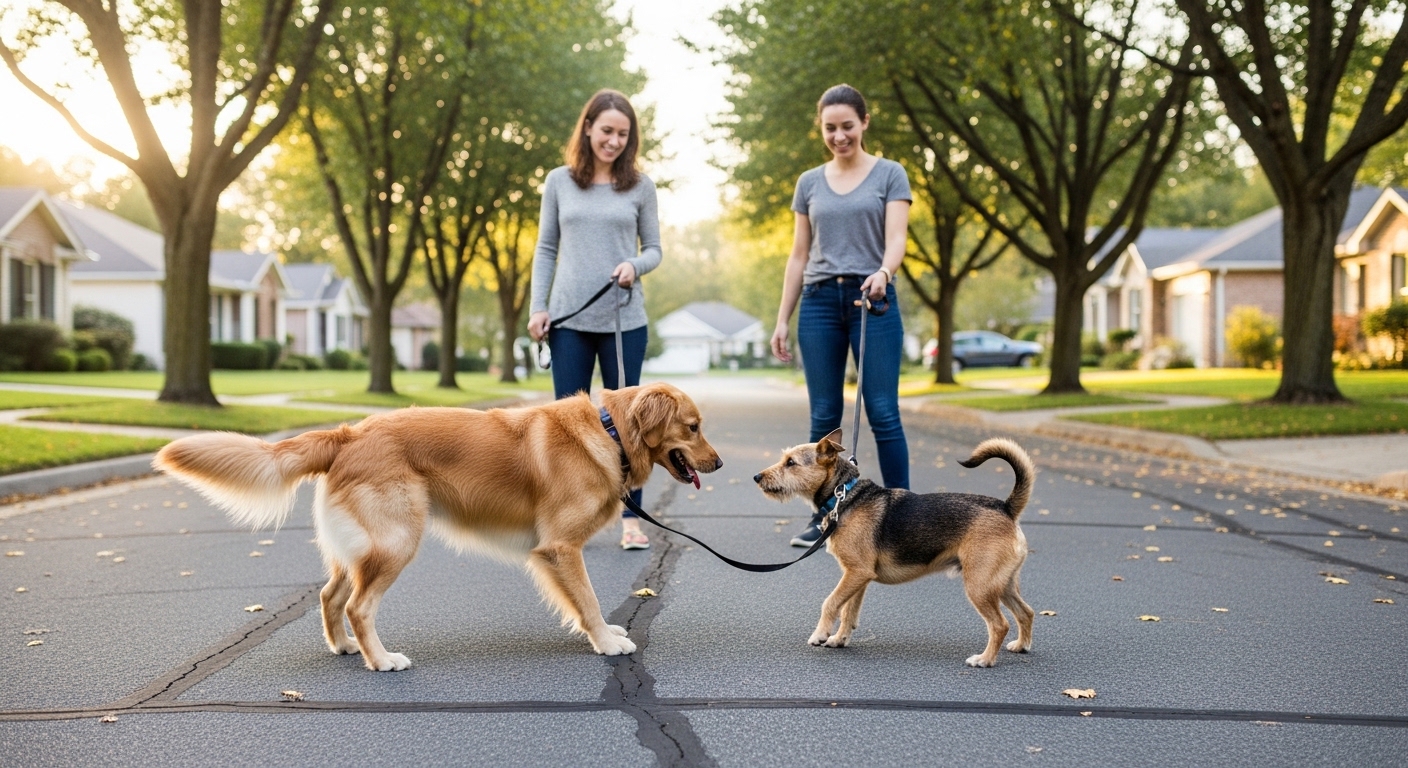
Common Mistakes People Make Reading Tail Signals
The single most common mistake is treating any wag as a green light. A neighbor's dog once approached a child with its tail moving rapidly — the parents relaxed because they saw the wag. The tail was held stiffly upright the entire time, and the dog's body was rigid. That combination deserved more caution than it got. Fortunately nothing happened, but it was a closer call than it needed to be.
Here are other frequent misreads:
- Ignoring body context: The tail is one channel of communication. Ears, posture, mouth tension, and eye contact all need to be read together.
- Breed bias: Some breeds carry their tails naturally high (Akitas, Chow Chows) or naturally low (Greyhounds, Whippets). Baseline tail carriage varies, so you need to know what is normal for that individual dog.
- Assuming a tucked tail means a bad dog: It means a scared dog. Responding with more pressure or forced interaction usually makes things worse, not better.
- Missing the wag direction: Most people never notice left-versus-right bias, but if you watch closely over time, you may start to see it in your own dog.
- Overlooking micro-wags: A very small, tight wag while the rest of the body is still can signal conflict — the dog is torn between approaching and retreating.
Expert Tips for Using This Knowledge Day to Day
Once you start paying attention to tail mechanics, you will notice things you never caught before. Your dog's tail probably drops slightly when you reach for the leash clip — not because they dislike walks, but because the click sound is mildly startling. It recovers within seconds. These tiny fluctuations are worth tracking over time because they build a picture of your individual dog's emotional baseline.
A few practical things that many experienced owners and trainers suggest:
- Photograph or video your dog in different situations — playful, tired, meeting strangers — and compare tail positions side by side. Patterns become obvious quickly.
- When introducing your dog to a new dog or person, watch for the tail to drop from its initial alert position. That drop often signals the dog is relaxing into the interaction.
- If your dog's tail is tucked during routine activities like eating or walking around the house, that may be worth mentioning to your veterinarian, as chronic stress or pain can sometimes manifest this way.
- Teach children in your household to look at the whole dog, not just the tail, before approaching any unfamiliar animal.
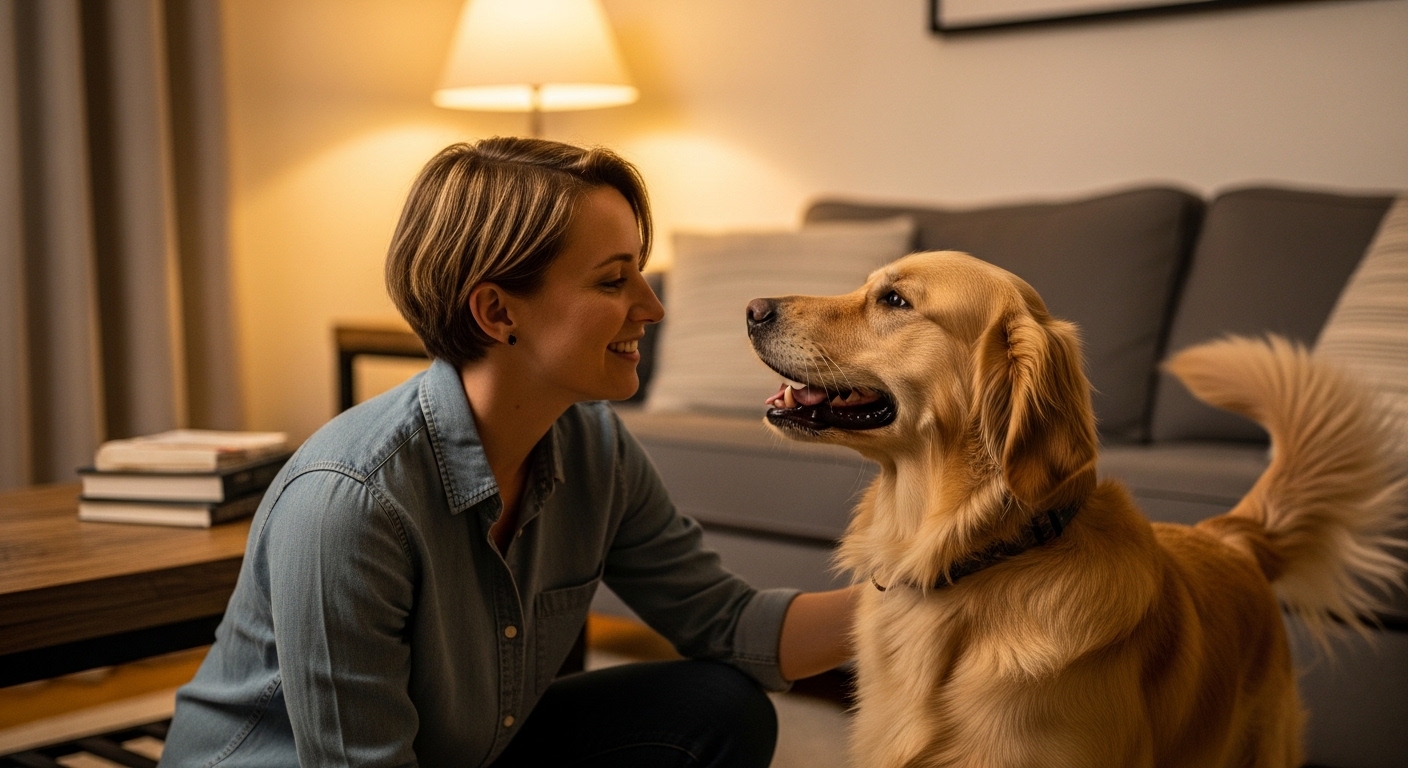
One thing that takes a while to internalize: your dog is reading your body language just as carefully as you are reading theirs. The communication runs both ways, all the time.
When to See a Professional
Tail language is usually something owners can learn to read on their own with a bit of practice. But there are situations where a certified animal behaviorist or a veterinary behaviorist is genuinely the right call.
If your dog's tail is consistently tucked even in familiar, safe environments, consult your veterinarian to rule out physical discomfort before assuming it is purely behavioral. Chronic low tail carriage can sometimes be associated with pain in the hindquarters or spine.
If you are seeing the high, stiff, rapid wag paired with growling, freezing, or snapping — especially around children or other pets — a professional trainer or behaviorist can help you work through the underlying triggers safely. Trying to manage escalating arousal signals without guidance can inadvertently reinforce the behavior.
Frequently Asked Questions
Can a dog wag its tail and still bite?
Yes, and this surprises a lot of people. A dog can be highly aroused and conflicted at the same time — the tail may be moving while the dog is also showing stress signals like a stiff body, hard stare, or tense mouth. A wag reflects emotional arousal, not necessarily friendly intent. Always read the full picture before assuming an interaction is safe.
Do all dog breeds wag their tails the same way?
Not exactly. Breed conformation affects tail carriage significantly — a Basenji's naturally curled tail or a Pug's corkscrew tail communicates differently than a Labrador's straight otter tail. The underlying emotional signals are consistent across breeds, but you need to calibrate your reading to what is anatomically normal for that specific dog. Getting to know an individual dog's baseline is more reliable than applying a one-size-fits-all interpretation.
Why does my dog wag its tail while sleeping?
Dogs in REM sleep may twitch, vocalize, and yes, wag their tails — most likely in response to dream activity. It is generally considered harmless and is probably a sign of an active dream state rather than anything to worry about. If the movements seem unusually violent or the dog seems difficult to rouse, mentioning it to your vet is a reasonable step.
Tail language is one of those things that seems simple until you actually start paying attention, and then it becomes genuinely fascinating. You will probably find yourself watching dogs differently at the park, at the vet's office, and in your own living room. That shift in attention tends to make you a more responsive owner — not because you have cracked some secret code, but because you are finally looking at the whole dog instead of just the part that is moving.
Comments
Post a Comment