You settle onto the couch after a long day, your dog curls up beside you, and then — a long, slow exhale that sounds almost human. Most owners laugh the first time they hear it. After a while, though, you start wondering whether your dog is genuinely relaxed, quietly annoyed, or just running a very effective guilt trip. Canine sighing is one of those small behaviors that gets overlooked because it seems so minor, yet it carries real communicative weight once you know what to listen for.
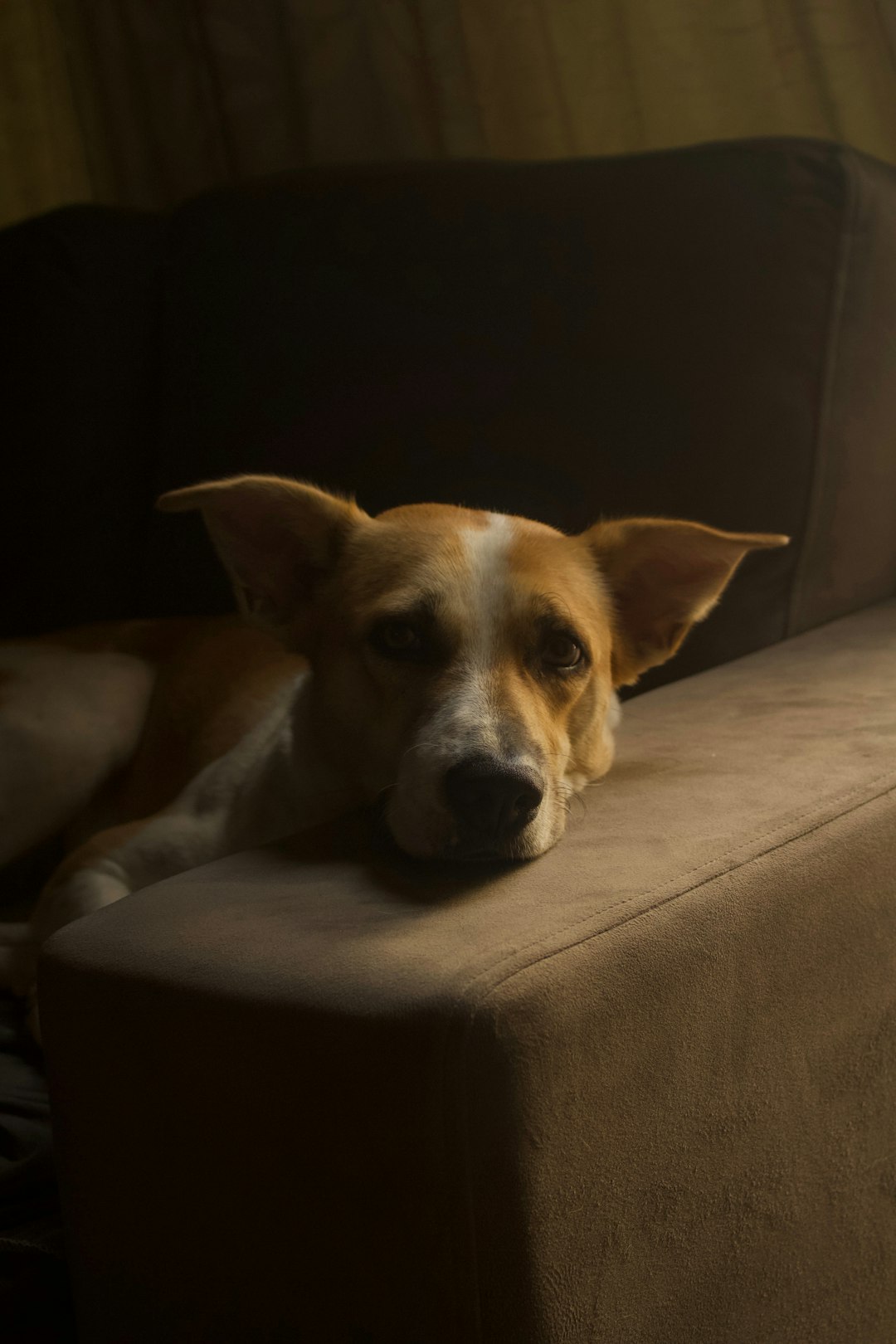
Why Dogs Sigh: The Science and Instinct Behind It
Dogs communicate almost entirely through body language and vocalizations, and sighing sits right at the intersection of both. Unlike barking or whining, a sigh is low-effort — it requires no real muscular tension and produces minimal sound. That low-cost quality is actually the point. Researchers who study animal communication suggest that soft, drawn-out exhalations in social mammals often signal a shift in emotional state rather than an urgent need.
In dogs specifically, sighing appears to be tied to the autonomic nervous system settling down. When a dog transitions from alert to relaxed — after a walk, after eating, or simply after you finally sit still long enough for them to feel safe — the body releases tension, and a sigh is often the audible marker of that release. Think of it less as a deliberate message and more as an involuntary broadcast of internal state.
That said, dogs are highly attuned to human reactions. If your dog sighs and you immediately look over, speak softly, or offer a scratch behind the ears, they learn quickly that the behavior gets a response. Over time, what started as a physiological reflex can become a practiced social tool — which is where the attention-seeking dimension comes in.
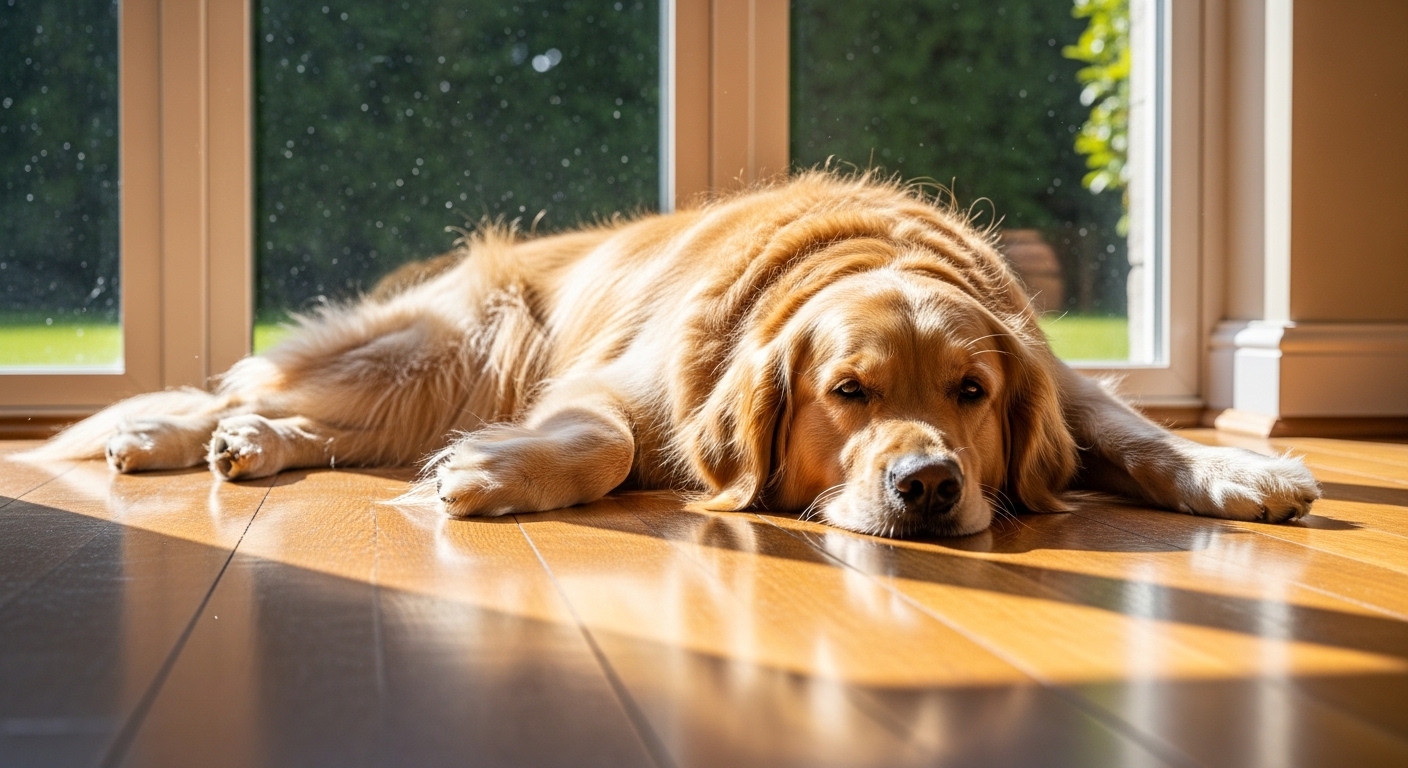
Reading the Sigh: Contentment, Frustration, or Manipulation?
Context is everything. A sigh means different things depending on what the rest of your dog's body is doing at the same moment, and getting that wrong can lead to some genuinely confusing interactions.
Contentment sighs are the most common. Your dog has just finished a meal, completed a play session, or finally gotten comfortable after circling the same spot four times. The body is loose, the eyes are soft or closing, and the sigh comes out slow and deep. This one is easy — your dog is simply comfortable.
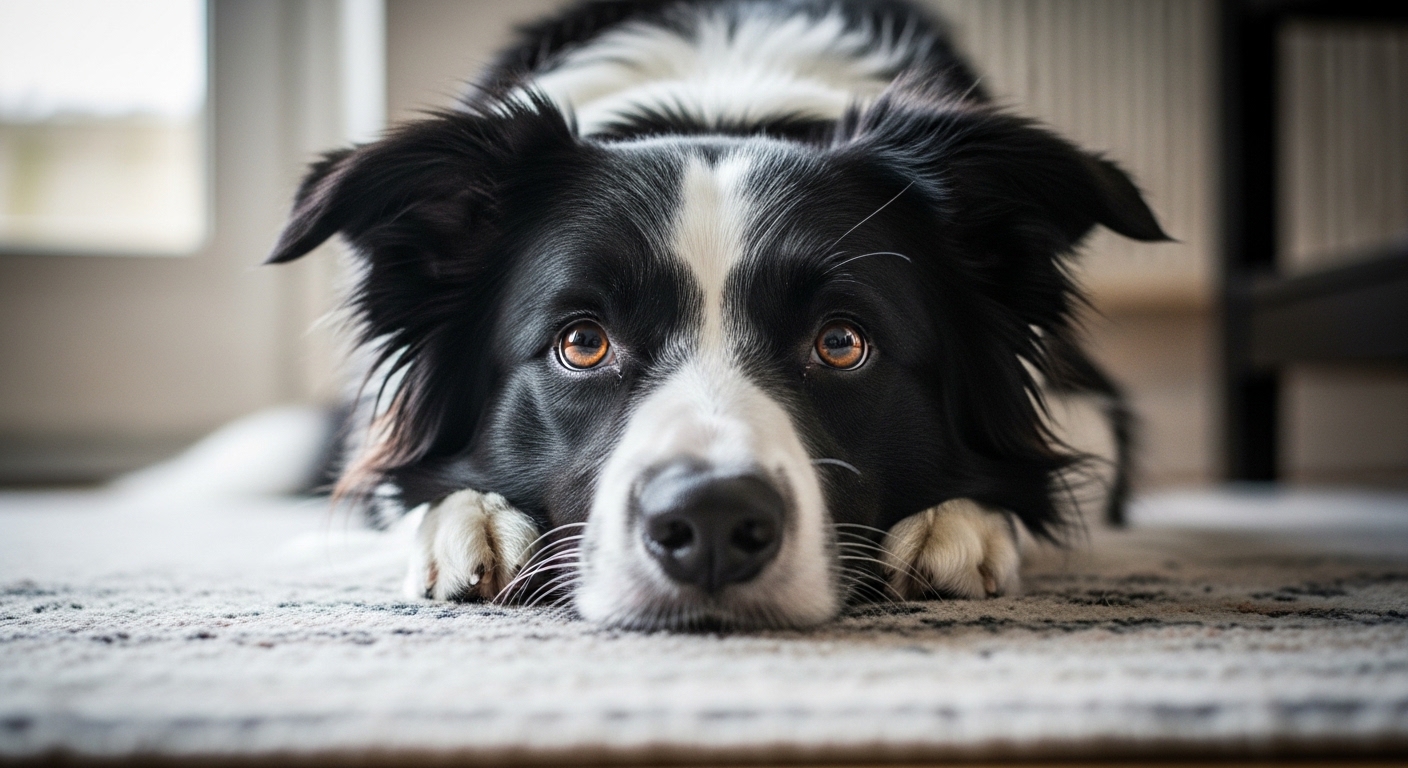
Mild frustration sighs look a little different. The dog may be lying down but with their chin flat on the floor and eyes still open, watching you. You have not thrown the ball. You have not moved toward the leash. You are just sitting there doing something on your phone, and your dog would like you to know that this is unacceptable. The sigh here tends to be slightly shorter and is often accompanied by a pointed stare.
Attention-seeking sighs are the theatrical ones. Some dogs — particularly those who have figured out that sighing gets results — will produce an almost comically exaggerated exhale, sometimes paired with a flop onto the floor for dramatic effect. If your dog has ever sighed loudly while making direct eye contact, you have witnessed this in its purest form.
Body language cues that help you tell these apart include:
- Muscle tension — relaxed body suggests contentment; stiff or alert posture suggests frustration
- Eye softness — half-closed eyes lean toward contentment; wide, focused eyes suggest a request
- Tail position — a loose, low tail often accompanies a genuine wind-down sigh
- Timing — does the sigh follow activity or does it appear when you stop paying attention?
Common Mistakes Owners Make When Responding to Dog Sighs
The biggest mistake is treating every sigh as an emergency. Dogs pick up on anxious owner energy faster than most people realize, and if you leap up every time your dog exhales, you may inadvertently teach them that sighing is a reliable alarm system. A dog who learns this will use it — often at inconvenient moments, like when you are on a work call or trying to sleep in on a Saturday.
On the other end, dismissing all sighs entirely is also a miss. A dog who sighs repeatedly during rest, especially if paired with restlessness or changes in normal behavior, may be signaling mild discomfort. Many vets suggest that behavioral changes — even subtle ones like increased sighing — can sometimes accompany underlying physical issues. If the sighing is new, frequent, and out of character, a vet visit is the sensible move.
Other common missteps include:
- Rewarding dramatic attention-seeking sighs with immediate treats or play, which reinforces the behavior on a predictable schedule
- Anthropomorphizing the sigh so heavily that you miss what the dog's body is actually communicating
- Ignoring the sigh entirely when it is a genuine signal that the dog needs more exercise or mental stimulation
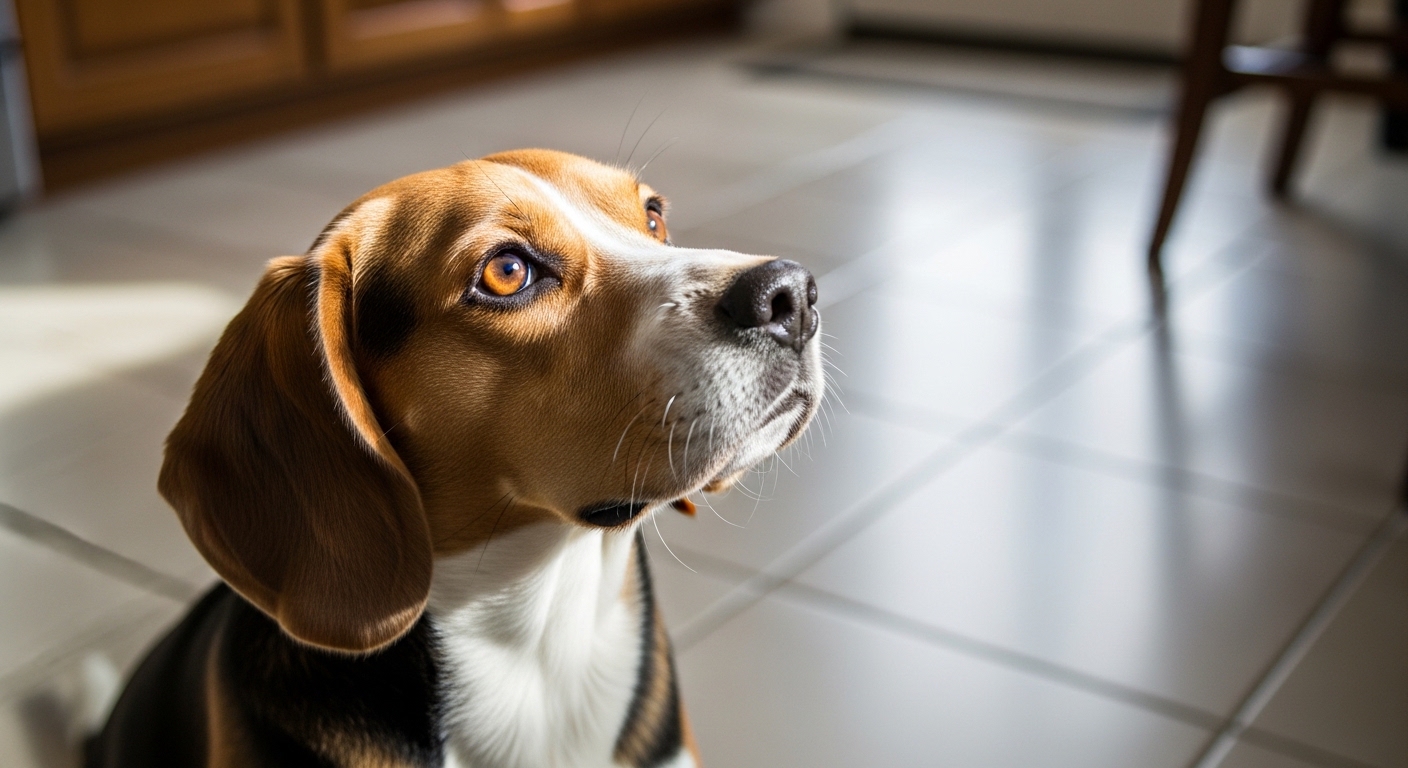
Expert Tips for Interpreting and Responding to Dog Sighs
Animal behaviorists generally recommend what might be called the 'pause and observe' approach. Before you respond to a sigh, take three seconds to look at the full picture — body posture, eye contact, recent activity, and time of day. That brief pause gives you enough information to respond appropriately rather than reactively.
A sigh is rarely just a sigh. Read the whole dog, not just the sound.
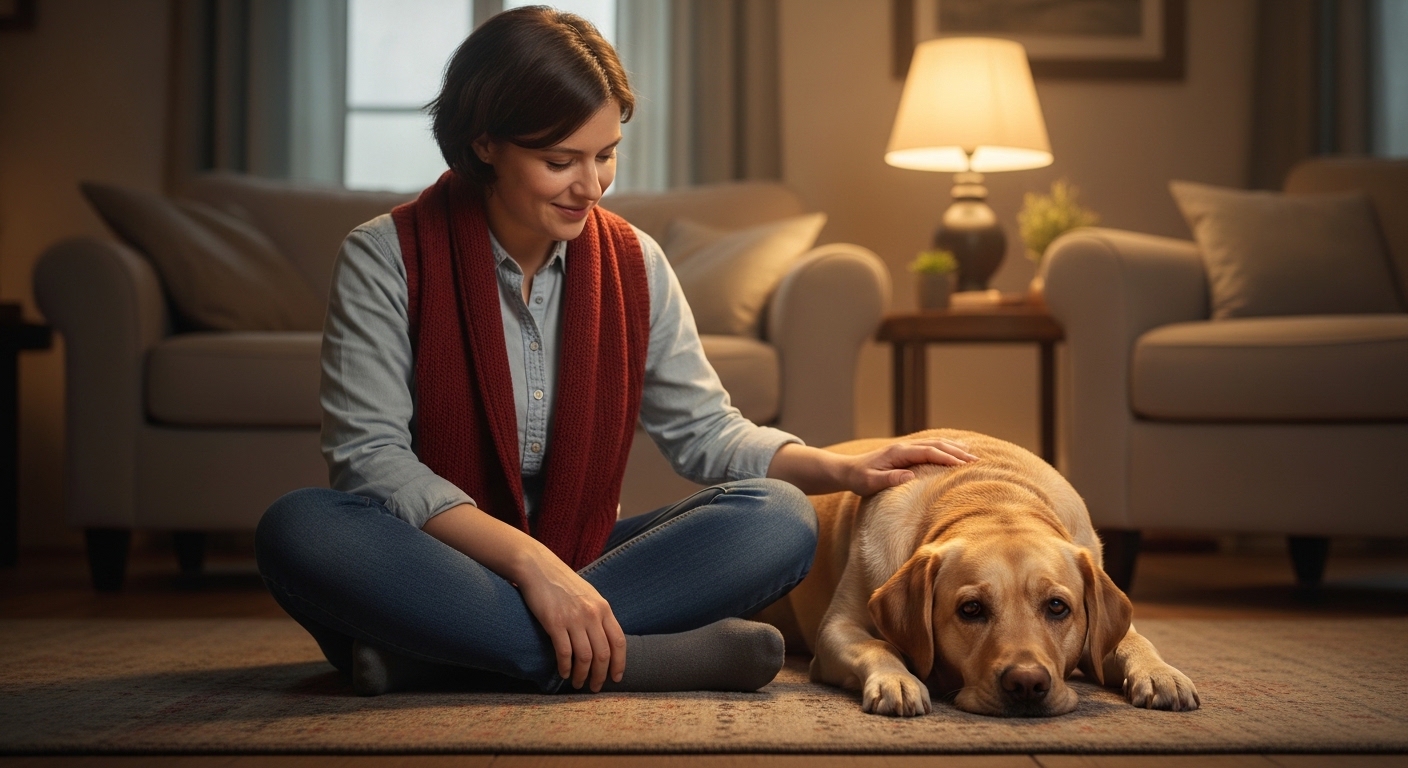
If the sigh is clearly contentment-based, the best response is often no response at all. Let your dog settle. Quiet acknowledgment — a gentle hand resting on their side — is fine, but launching into a full petting session can actually interrupt the relaxation process.
For frustration or attention-seeking sighs, the approach depends on whether the need is legitimate. If your dog has not had adequate exercise that day, the sigh is probably fair feedback and worth acting on. If your dog has already had a solid walk and two play sessions and is now sighing because you are eating dinner without sharing, that is a different conversation. Waiting a few minutes before responding — rather than immediately giving in — can help prevent the behavior from escalating into a full performance.
One practical habit worth building: keep a loose mental log of when your dog sighs most often. Many owners notice patterns after a week or two — always before dinner, always when the kids leave for school, always when the TV goes on. Those patterns tell you something real about what your dog finds stimulating, stressful, or simply boring.
When to See a Professional
Most sighing is completely normal and requires no intervention. However, there are situations where it makes sense to bring in outside help.
Consult your veterinarian if:
- The sighing is new and has appeared suddenly without an obvious behavioral trigger
- Your dog sighs frequently during rest and also shows changes in appetite, energy, or movement
- The sighing is accompanied by labored breathing, coughing, or any respiratory irregularity
Consult a certified applied animal behaviorist or a trainer with experience in canine communication if:
- Your dog's attention-seeking sighing has escalated into other demanding behaviors
- You are struggling to distinguish between emotional states and want a professional read on your dog's overall communication patterns
The sighing itself is rarely the problem. What matters is whether it fits your dog's normal baseline or represents a shift worth investigating.
Frequently Asked Questions
Is it normal for dogs to sigh a lot?
For many dogs, yes. Some breeds and individual personalities are simply more vocal in this low-key way than others. As long as the sighing is not paired with physical symptoms or behavioral changes, frequent sighing is generally just part of how your dog expresses themselves. If it suddenly increases without explanation, a check-in with your vet is a reasonable precaution.
Does my dog sigh because they are sad or depressed?
A single sigh is unlikely to indicate depression. However, if your dog is sighing more than usual and also seems withdrawn, less interested in food or play, or is sleeping significantly more than normal, those combined signals may suggest something worth discussing with your veterinarian. Sighing alone is not a reliable indicator of emotional distress — context and pattern matter far more than the sound itself.
Why does my dog sigh when I stop petting them?
This is one of the clearest examples of a contentment-to-mild-frustration transition. When petting stops, the pleasant stimulation ends, and the sigh is your dog's low-effort way of registering that fact. Many dogs have refined this into a reliable strategy for getting the petting to resume — and honestly, it works more often than not, which is exactly why they keep doing it.
Dog sighs are easy to over-interpret or under-interpret, and most owners land somewhere in the middle after living with a dog for a while. The short version: a relaxed dog sighing into a nap is not sending you a message. A dog sighing while staring at the leash hook is absolutely sending you a message. Learning to tell the difference takes a bit of attention, but it is one of those small skills that makes daily life with a dog noticeably smoother — and occasionally funnier, because some dogs are genuinely theatrical about it.
Comments
Post a Comment