A neighbor once told me she got a Husky because she wanted a dog that looked like a wolf but acted like a golden retriever. Six months later, she called to say her fence had been dismantled from the inside and her couch had been reupholstered — by the dog. The Siberian Husky is a genuinely magnificent breed, but the gap between the fantasy and the daily reality is wide enough to swallow unprepared owners whole. If you are researching this breed seriously, this guide will give you the honest picture alongside the genuinely great parts.
Origins & History
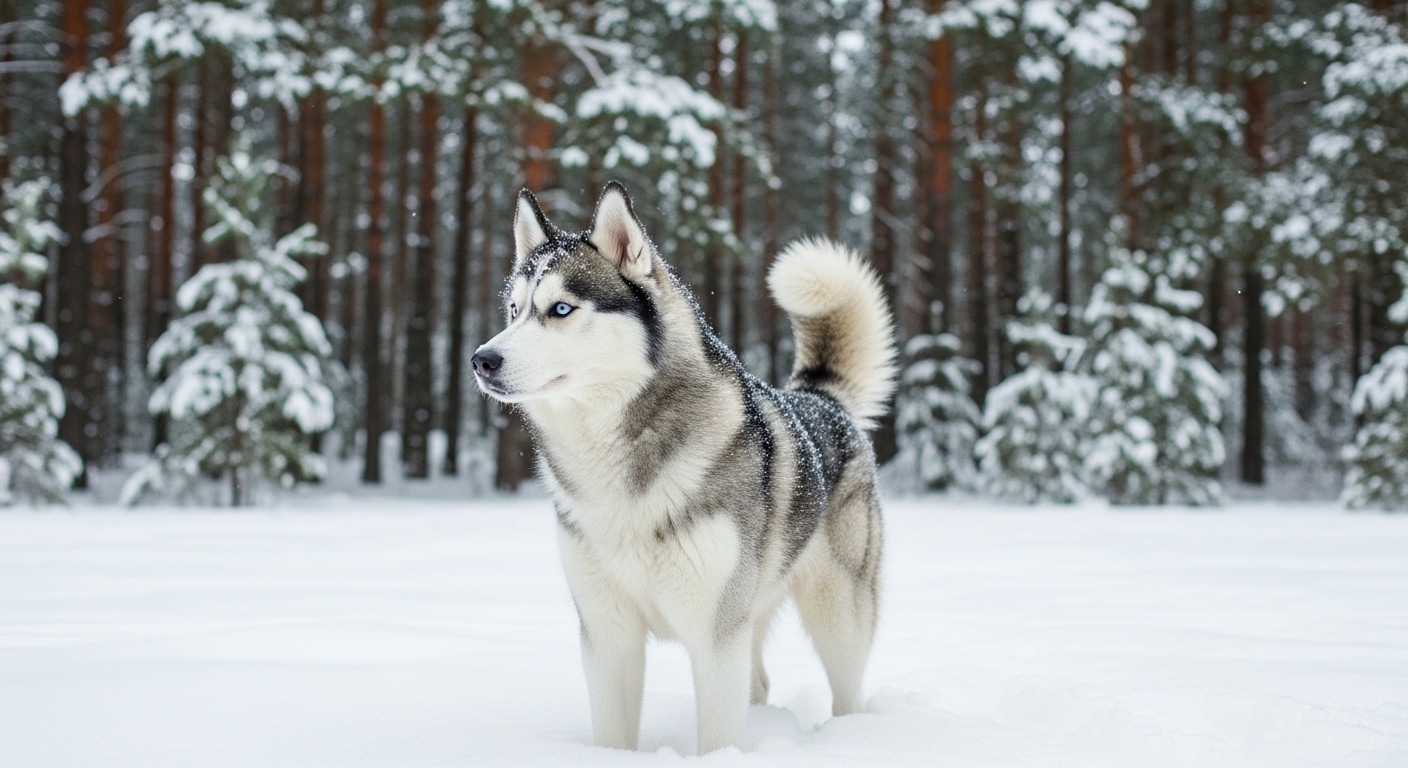
The Siberian Husky was developed over thousands of years by the Chukchi people of northeastern Siberia, bred specifically to pull light sleds over vast frozen distances on minimal food. That last detail matters more than most people realize — this is a dog engineered for extreme endurance and efficiency, not for lounging in a suburban living room waiting for a 20-minute walk.
The breed arrived in Alaska in 1908, introduced for sled racing, and became internationally famous after the 1925 serum run to Nome, when relay teams of sled dogs — many of them Huskies — delivered diphtheria antitoxin across 674 miles of brutal Alaskan terrain. Balto, the lead dog on the final leg, still has a statue in Central Park. The American Kennel Club recognized the breed in 1930, and the Siberian Husky Club of America was founded shortly after. Beneath every modern pet Husky, that working-dog DNA is completely intact. Centuries of selective breeding do not disappear because you live in a condo.
Appearance & Size
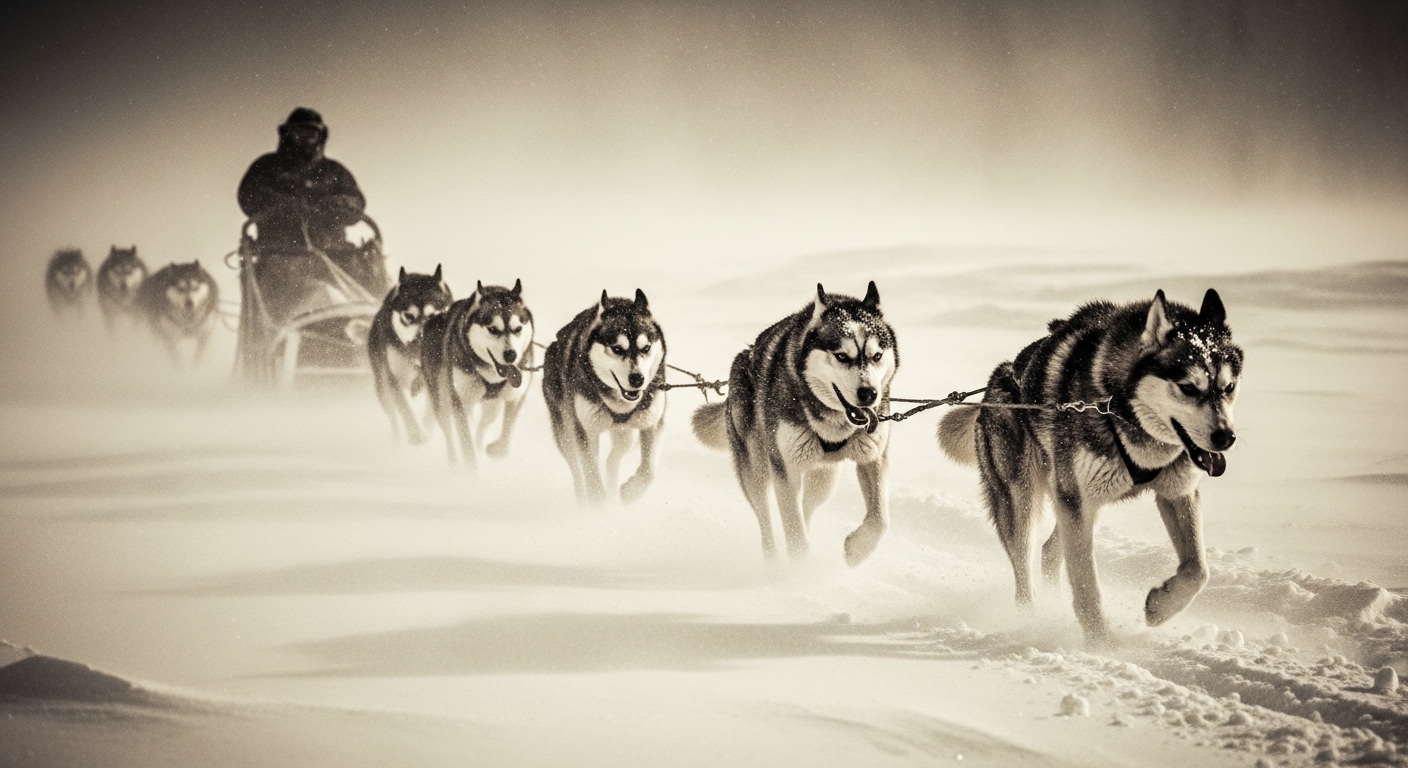
Huskies are medium-sized dogs — males typically weigh between 45 and 60 pounds and stand 21 to 23.5 inches at the shoulder, while females run slightly smaller at 35 to 50 pounds. The build is athletic and compact rather than bulky, which contributes to their deceptive agility. They can clear a six-foot fence with a running start, and many owners discover this before they have a chance to reinforce it.
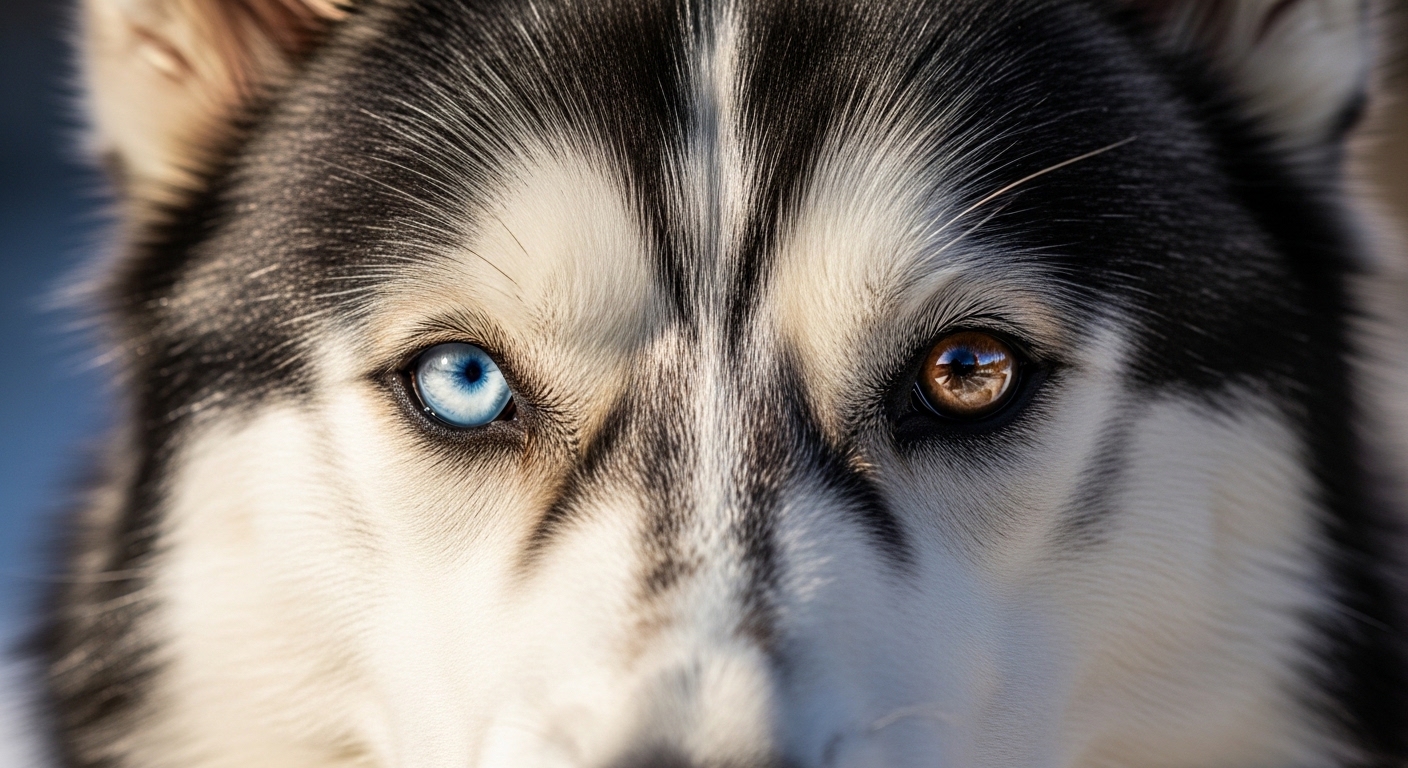
The double coat is dense and comes in a wide range of colors and patterns, from pure white to agouti to black and white. Eye color ranges from ice blue to amber to brown, and heterochromia — one blue eye, one brown — is common and accepted by breed standards. The coat sheds year-round at a moderate level, then twice a year during seasonal blowouts that produce enough loose fur to stuff a small pillow. A good vacuum cleaner is not optional equipment in a Husky household.
Temperament
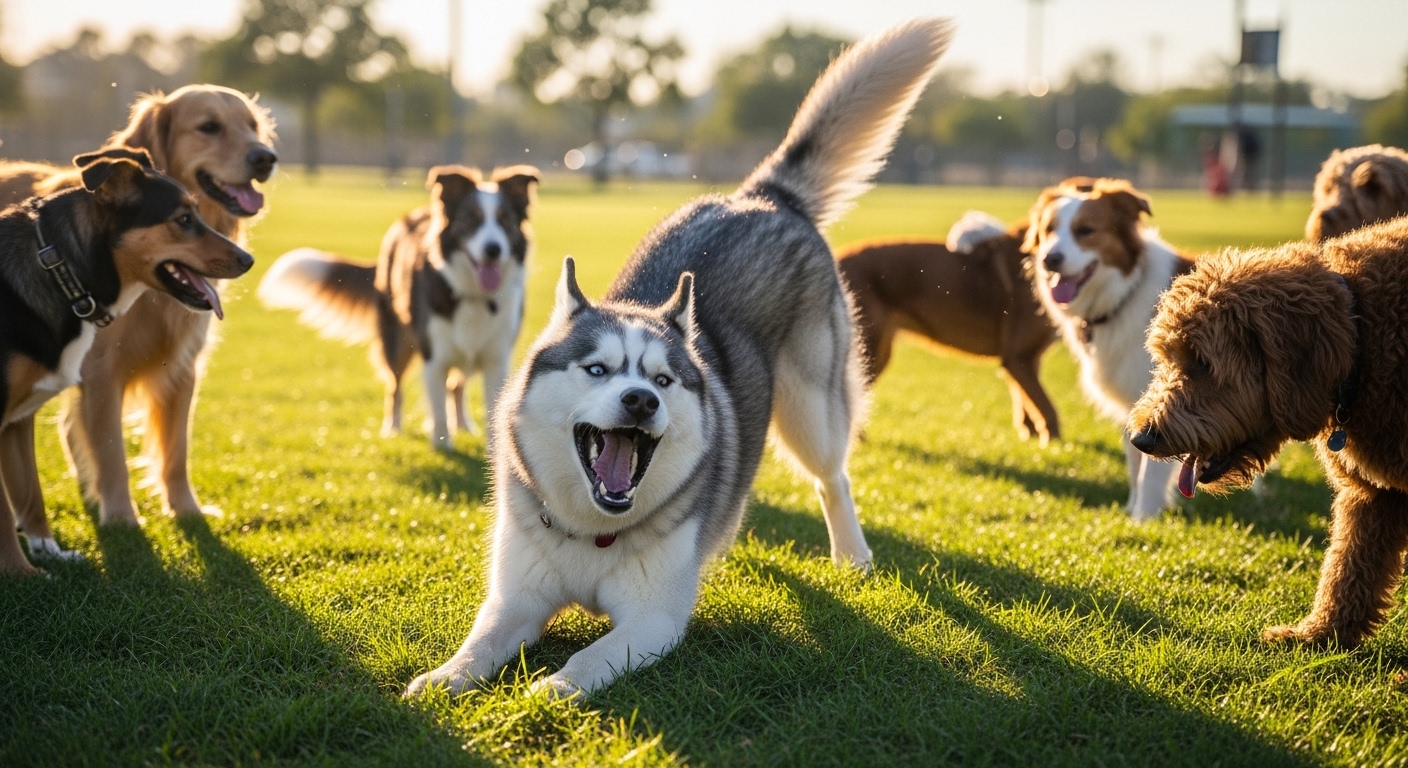
Huskies are social, curious, and genuinely friendly — sometimes frustratingly so, because they tend to greet strangers with the same enthusiasm as family members, which makes them poor guard dogs. They are pack animals at heart and typically do well with other dogs, though their prey drive can be high around smaller animals. Cats in the same household can work out fine if introductions happen early, but it is not guaranteed.
The breed is famously vocal. Not just barking — Huskies howl, whine, groan, and produce a range of sounds that owners describe as either hilarious or maddening depending on the day and the hour. Apartment neighbors tend to fall firmly in the second camp. They are also independently minded in a way that differs from, say, a stubborn terrier. A Husky often understands exactly what you are asking and simply weighs whether it seems worth doing. Training works, but it requires consistency, patience, and an honest acceptance that this dog will never be fully biddable.
A Husky is not disobedient so much as self-employed. Your job as an owner is to make cooperation feel like their idea.
Separation anxiety is common in the breed. A Husky left alone for long stretches without adequate exercise and mental stimulation will find its own entertainment, and the results are rarely good for your furniture, your walls, or your sanity.
Health & Lifespan
The Siberian Husky is generally a hardy breed with a lifespan of 12 to 14 years. Compared to many purebreds, they have a relatively clean health record, but there are conditions worth knowing about before you commit.
- Hip dysplasia: A malformation of the hip joint that may cause pain and reduced mobility; reputable breeders screen for this.
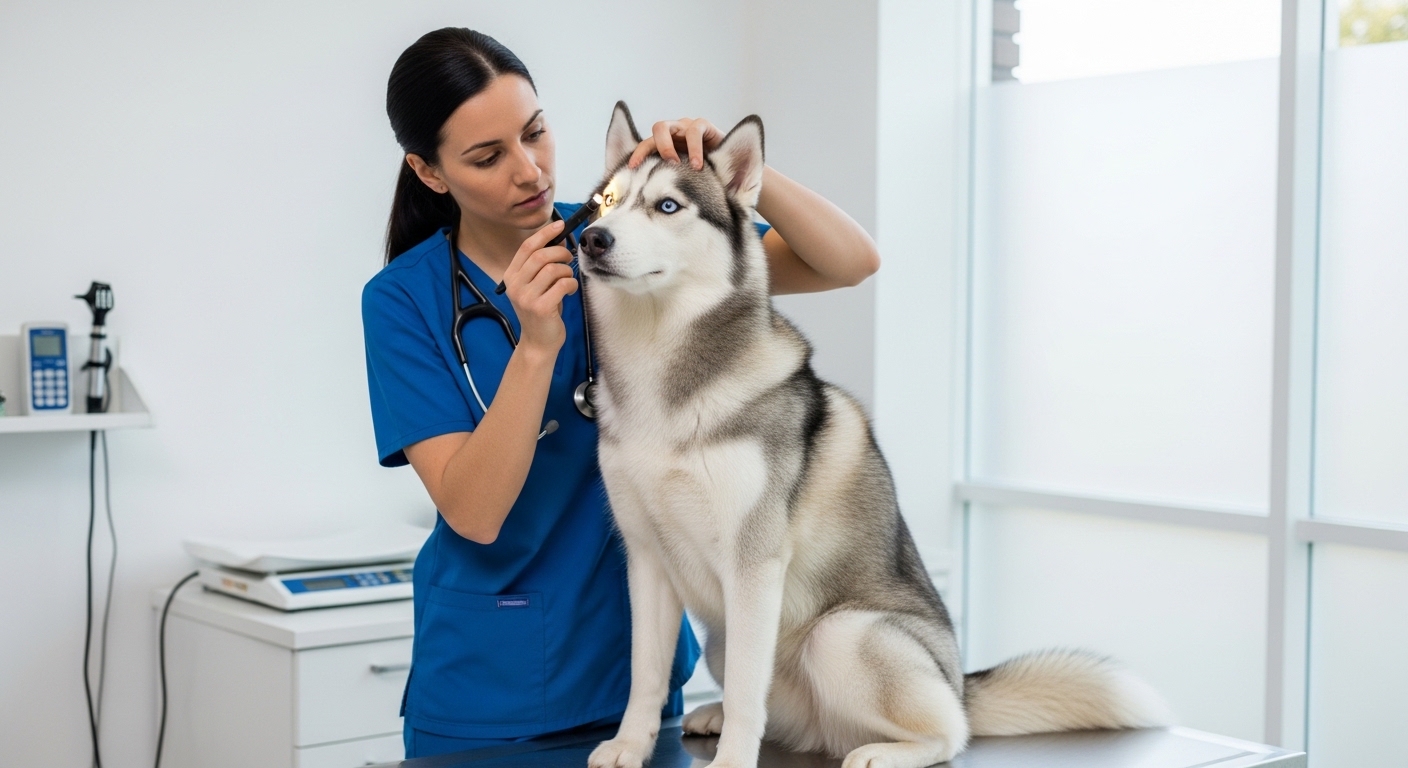
- Eye conditions: Hereditary cataracts, progressive retinal atrophy, and corneal dystrophy are seen in the breed; annual eye exams are commonly recommended by vets.
- Hypothyroidism: In some cases, Huskies may develop an underactive thyroid, which can affect weight and energy levels.
- Zinc-responsive dermatosis: A skin condition linked to zinc absorption issues that appears more frequently in this breed than in many others.
None of these are guaranteed, and a dog from health-tested parents has meaningfully better odds. Always ask breeders for OFA and CAER certifications. If you are adopting from a rescue, ask for any available health history and schedule a full veterinary checkup promptly. Any specific health concerns should be discussed directly with your vet — this list is for awareness, not diagnosis.
Is This Breed Right for You?
Here is the honest version. Huskies need significant daily exercise — most owners find that less than 90 minutes of genuine activity per day produces a destructive, restless dog. A backyard is helpful but not sufficient on its own, especially if the dog can escape it, which they will attempt. Underground electric fences are generally not recommended for this breed because many Huskies will run through the correction to get out and then refuse to cross back in.
The grooming commitment is real. Brushing two to three times per week is the baseline, and during shedding seasons you will be doing it daily and still finding fur in your coffee. The breed thrives in cooler climates and can struggle in sustained heat, so owners in hot regions need to plan exercise around cooler parts of the day and ensure access to shade and water at all times.
They are genuinely rewarding for the right owner — someone active, patient, experienced with dogs, and not precious about their interior decor. First-time dog owners can make it work, but the learning curve is steep and the margin for error is small. Families with older children generally do well; very young children should always be supervised around any dog, and a high-energy Husky is no exception.
Real Owner Reality: Most Husky owners will tell you the breed is simultaneously the best and most exhausting dog they have ever had. The running joke in Husky communities is that you do not own a Husky — you survive one. That is said with affection, but it is also said for a reason. If your lifestyle genuinely includes long hikes, trail runs, or other high-output activities, a Husky can be an exceptional companion. If your idea of exercise is a 15-minute stroll around the block, both of you will be miserable.
Frequently Asked Questions
Do Siberian Huskies make good apartment dogs?
Technically possible, but practically difficult. The breed's exercise needs, vocal tendencies, and separation anxiety make apartment living challenging for most owners. Some urban Husky owners manage well by committing to multiple long daily outings, dog daycare, and consistent training — but it requires serious logistical effort and considerate neighbors.
How much do Siberian Huskies shed, really?
More than you are imagining right now. The year-round shedding is manageable with regular brushing, but the twice-yearly coat blowouts — typically in spring and fall — produce an almost shocking volume of loose undercoat. Many owners use an undercoat rake and a high-powered dog dryer during these periods. Plan to clean your floors and furniture frequently, and accept that dark clothing will become a statement piece.
Are Huskies good off-leash?
Most experienced Husky owners and trainers advise against off-leash time outside of securely fenced areas. The breed has a strong prey drive and a deeply ingrained instinct to run, and recall — even in well-trained dogs — can become unreliable the moment something interesting crosses their path. This is not a training failure; it is breed-typical behavior that is worth taking seriously for the dog's safety.
The Siberian Husky is a breed that rewards honest research more than almost any other. They are striking, entertaining, and genuinely affectionate dogs who will also test your patience, your fences, and your vacuum cleaner on a rotating basis. Go in with clear eyes, a solid exercise plan, and a good lint roller, and the relationship can be a genuinely good one.
Comments
Post a Comment