Moving to a new home is one of life's most exciting milestones — but for your dog or cat, it can feel like their entire world has been turned upside down. The unfamiliar smells, the disappearing furniture, the strange new rooms: all of it may trigger stress responses in even the most easy-going pets. The good news is that with a little preparation and a lot of patience, you can guide your furry companion through every stage of the move — from the first cardboard box to the moment they finally curl up and feel at home. Here is everything you need to know about keeping your pets calm, safe, and happy during a move.
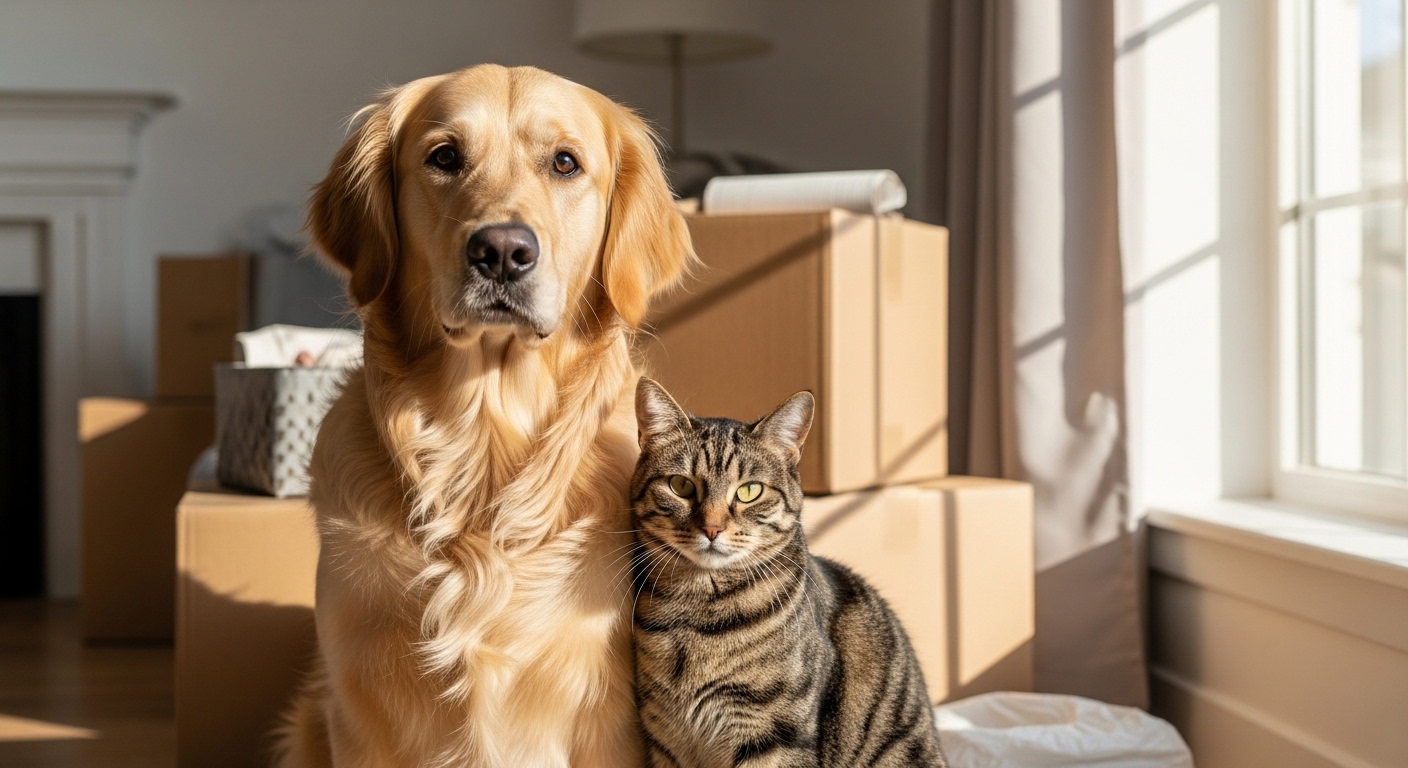
Why Moving Causes Anxiety in Dogs and Cats
To understand how to help your pet, it helps to understand why moving is so unsettling for them in the first place. Both dogs and cats are creatures of habit who rely heavily on their environment for a sense of security. Their world is defined not just by the people they love, but by familiar scents, sounds, and spatial layouts that signal safety.
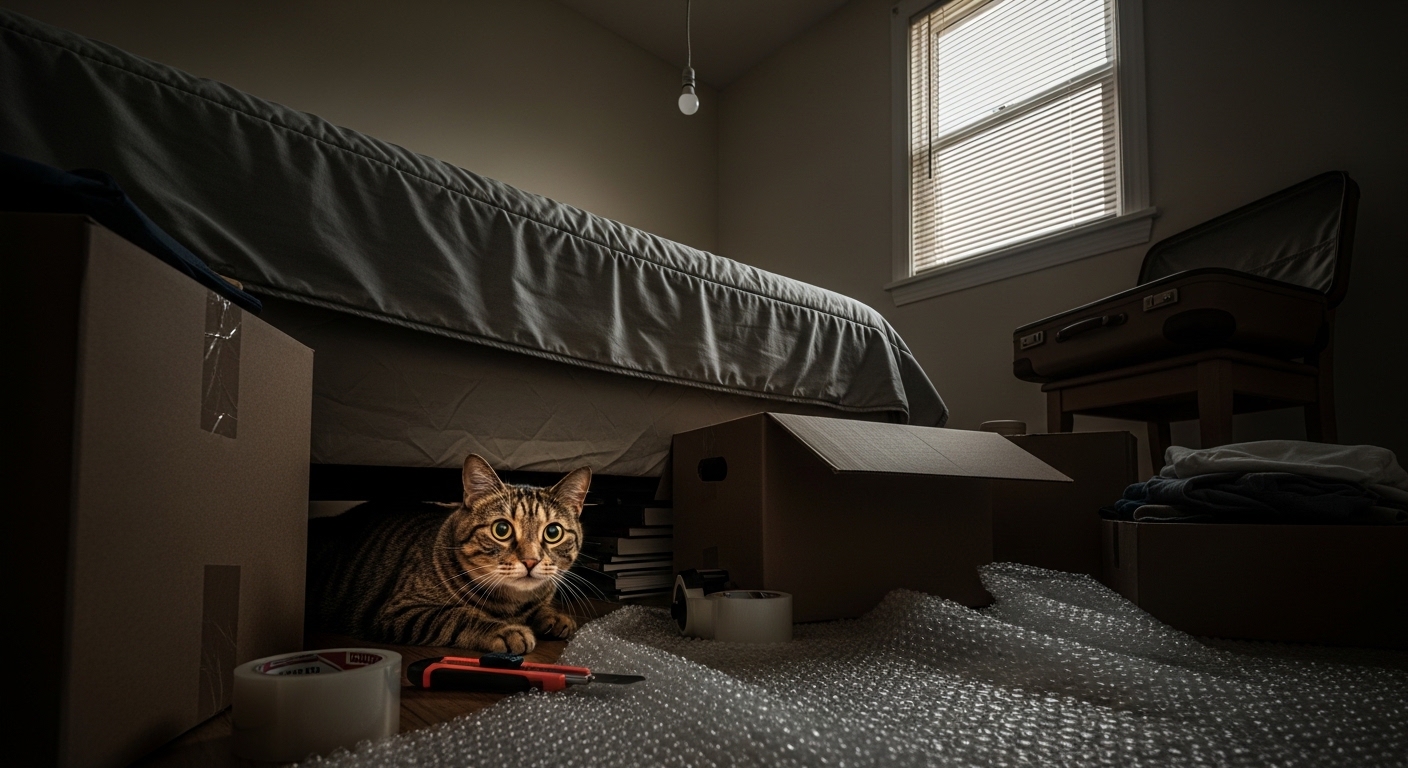
For cats, territory is everything. A cat's home range is deeply tied to their identity, and leaving it behind may cause genuine grief-like responses. Many cats will hide, stop eating, or over-groom when their territory is disrupted. For dogs, the anxiety is often more social — they pick up on their owner's stress, react to the chaos of packing, and may struggle with the loss of their familiar walking routes and neighborhood smells. Research in animal behavior suggests that the stress hormone cortisol can spike in pets during environmental upheaval, which is why some animals show physical symptoms like digestive upset or excessive shedding during a move.
Understanding these instincts helps you respond with empathy rather than frustration when your pet acts out during the process, as shown in the image below.
Step-by-Step Method: Packing, Transit, and Settling In
A calm move for your pet does not happen by accident — it is the result of deliberate, stage-by-stage preparation. Work through each phase with your pet's comfort as a priority.
Phase 1: Before the Move (Packing Stage)
- Introduce boxes early. Bring moving boxes into the home days or even weeks before packing begins so your pet can sniff and investigate them at their own pace.
- Keep routines intact. Feed, walk, and play with your pet at the same times every day — predictability is a powerful anxiety buffer.
- Create a safe room. Designate one room as a quiet, box-free sanctuary where your pet can retreat when the chaos feels overwhelming.
- Use calming aids. Many vets suggest pheromone diffusers (such as Feliway for cats or Adaptil for dogs) placed in the safe room to help maintain a sense of calm.
- Update ID tags and microchip info. Before moving day, ensure your pet's identification reflects your new address in case they slip out during the transition.
Phase 2: Moving Day (Transit Stage)
- Confine pets early. On moving day, settle your pet into their safe room or carrier before movers arrive and doors start opening frequently.
- Travel smart. Use a well-ventilated, appropriately sized carrier for cats and small dogs. For larger dogs, a secured crate in the back seat or a dog seatbelt harness is recommended.
- Never leave pets in a parked car. Even on mild days, car temperatures can rise dangerously fast.
- Bring a comfort kit. Pack a bag with your pet's favorite toy, their regular food, a water bowl, waste bags, and a worn item of your clothing to provide scent comfort.
- Take regular breaks on long drives. Offer water and allow dogs to stretch and relieve themselves every two hours.
Phase 3: Arriving at the New Home (Settling In)
- Start with one room. Let your pet explore a single, quiet room first — ideally set up with their bed, food, water, and litter box before they arrive.
- Gradually expand access. Over several days, slowly open up more rooms as your pet grows more confident.
- Reintroduce familiar scents. Place your pet's unwashed bedding and toys in the new space immediately to anchor them with recognizable smells.
- Resume routines immediately. Walk your dog at the same times, feed at the same schedule, and play the same games — consistency is deeply reassuring.
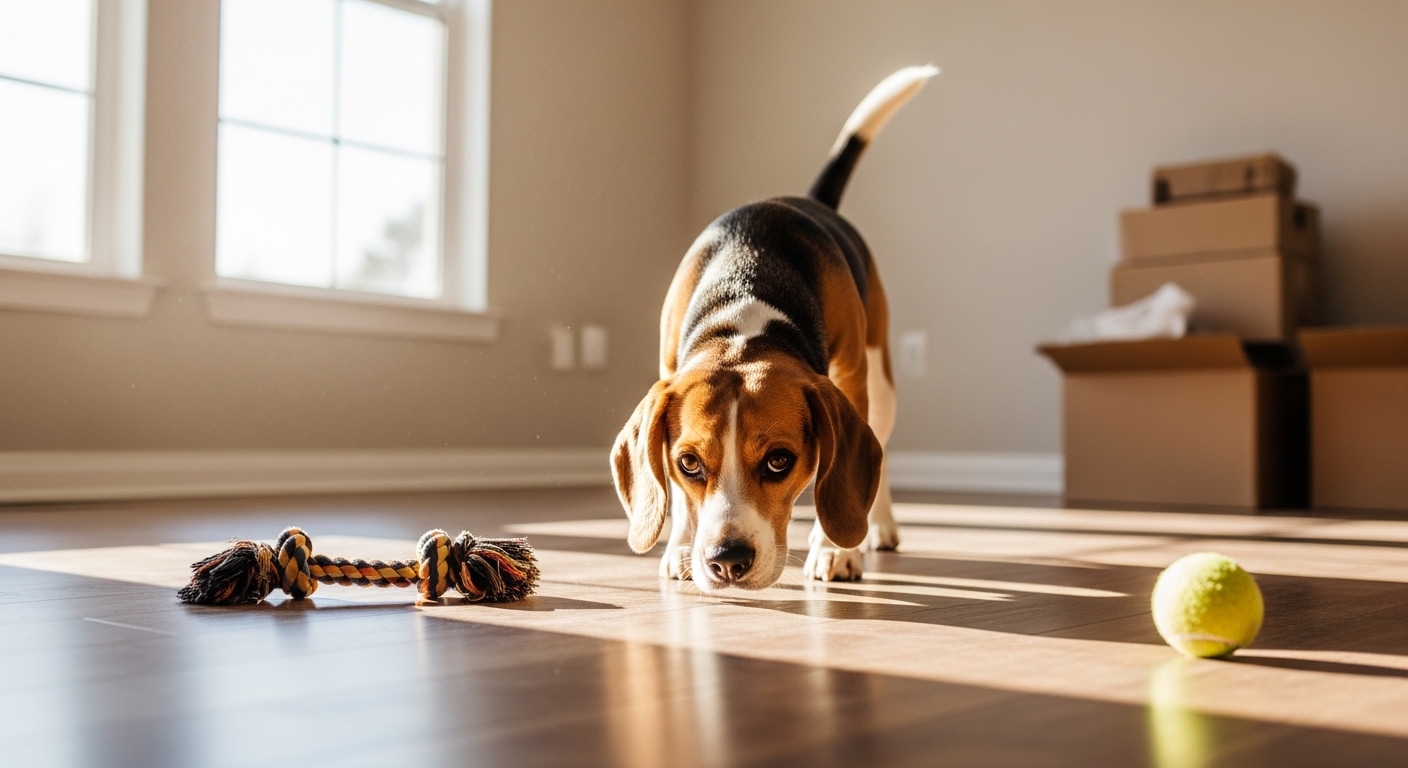
Watching a dog cautiously but curiously explore a new home for the first time is a reminder that with the right support, adaptation is absolutely possible.
Common Mistakes Pet Owners Make During a Move
Even the most devoted pet parents can unknowingly make the transition harder. Being aware of these pitfalls can save both you and your pet a lot of unnecessary stress.
- Letting pets roam free on moving day. Open doors and unfamiliar movers create a perfect storm for escape or injury. Always secure your pet before the action begins.
- Changing food or feeding schedules mid-move. Introducing a new diet on top of environmental stress may cause digestive upset. Stick to the same food and timing throughout the transition.
- Giving too much freedom too soon. Allowing a cat or anxious dog to roam an entire unfamiliar house on day one can be overwhelming. Gradual introduction is far more effective.
- Ignoring signs of stress. Hiding, refusing food, excessive vocalization, or house-training accidents are all signals your pet needs more support — not scolding.
- Neglecting your own calm energy. Dogs especially are highly attuned to human emotions. If you are visibly frantic or anxious, your dog will mirror that energy. Taking a few deep breaths before interacting with your pet genuinely helps.
- Skipping the vet check-in. If your pet has a history of anxiety or motion sickness, failing to consult your veterinarian before the move means missing out on potentially helpful guidance or support options.
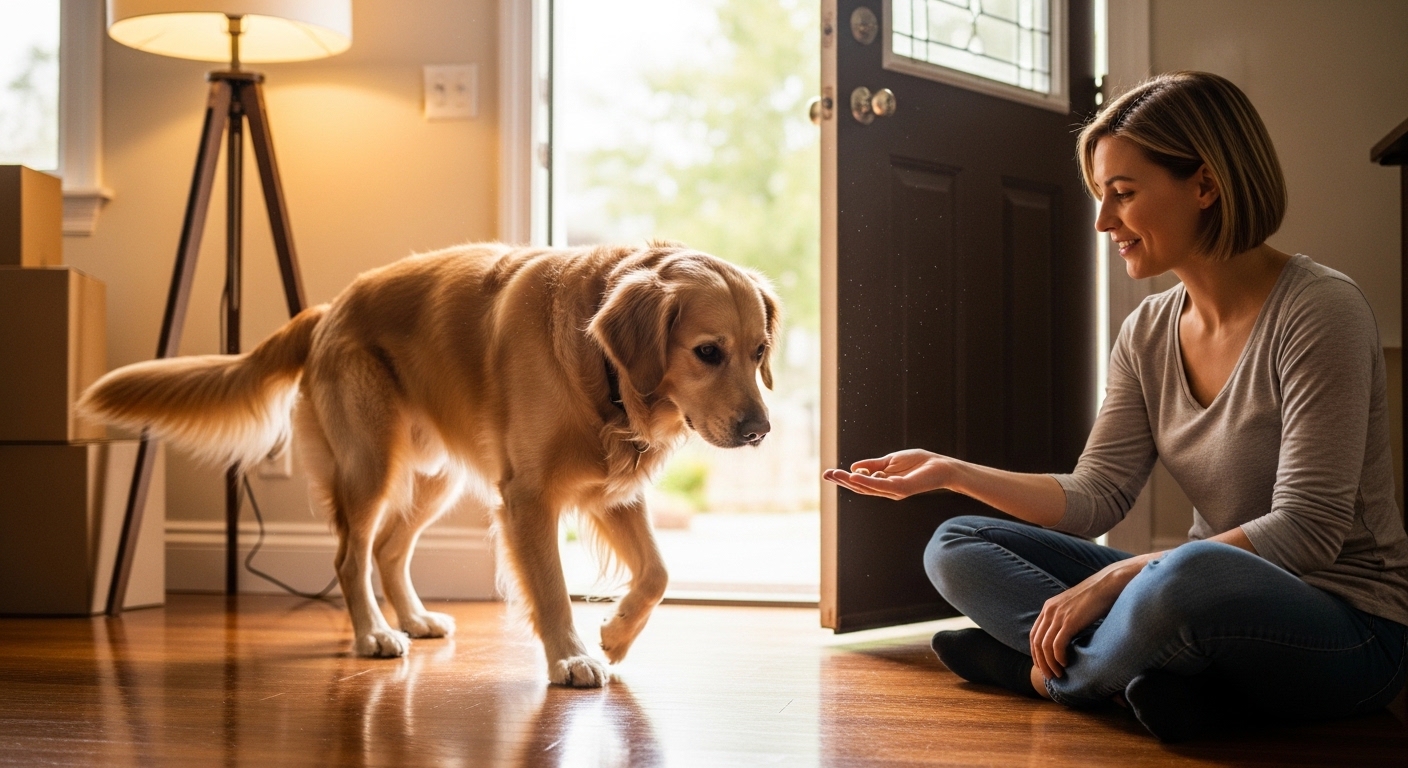
Avoiding these mistakes can make the difference between a pet who settles in within days and one who struggles for weeks, as illustrated by the contrast in the image below.
Expert Tips for a Smoother Transition
Beyond the basics, there are some tried-and-true strategies that experienced pet owners and animal behaviorists often recommend for easing the adjustment period.
"The single most powerful thing you can do for an anxious pet during a move is to be a calm, consistent presence. Your pet is not looking for a perfect new home — they are looking for you."
- Do a pre-move visit if possible. If you can bring your dog to sniff around the new property before moving day, even briefly, it may reduce the shock of arrival.
- Use food puzzles and enrichment. Keeping your pet mentally engaged during the settling-in period redirects anxious energy into positive activity.
- Try calming wraps for dogs. Products like anxiety wraps may help some dogs feel more secure during transit and in the first days at the new home.
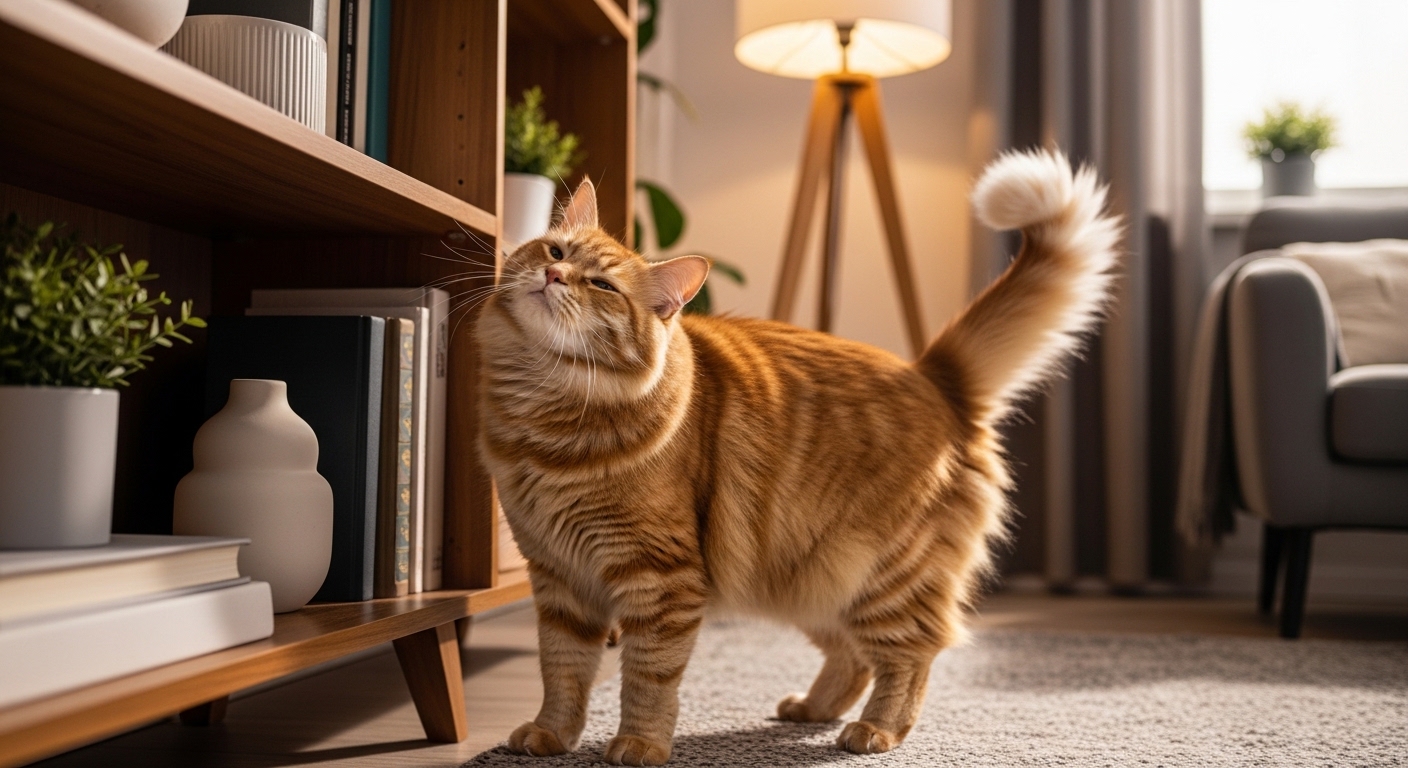
- Establish a new 'territory' for cats quickly. Rubbing a soft cloth gently on your cat's cheeks and then wiping it on furniture and doorframes in the new home distributes their own scent, which many cats find deeply reassuring.
- Maintain extra playtime. Dedicated one-on-one play sessions during the first two weeks in the new home can help rebuild your pet's confidence and reinforce your bond.
- Be patient with regression. Some pets may temporarily revert to behaviors they had outgrown — a previously house-trained dog may have accidents, or a confident cat may suddenly hide. This is normal and usually resolves with time and consistency.
A cat confidently exploring a new space and rubbing its face on furniture is one of the most satisfying signs that your patient approach is working.
When to See a Professional
Most pets adjust to a new home within a few days to a few weeks, but in some cases, the anxiety may be more persistent or severe. It is always wise to consult your veterinarian if you notice any of the following:
- Your pet refuses to eat or drink for more than 24 to 48 hours after the move.
- There are signs of physical illness such as vomiting, diarrhea, or significant weight loss.
- Your pet is self-harming through excessive scratching, licking, or chewing.
- Aggression that was not present before the move suddenly appears.
- Your pet remains completely withdrawn or unresponsive after two or more weeks.
Your veterinarian may recommend a referral to a certified animal behaviorist, or in some cases may discuss short-term supportive options to help your pet through an especially difficult adjustment. Never attempt to self-prescribe any calming medications — always seek professional guidance first. A certified professional dog trainer (CPDT) or a feline behavior consultant can also provide personalized strategies if your pet's anxiety is behavioral rather than medical in nature.
Moving is a big deal — for you and for your pet. But with thoughtful preparation, a steady routine, and a generous dose of patience, your four-legged family member can absolutely learn to love their new home just as much as you do. The boxes will be unpacked, the routines will be restored, and one day soon you will look over and see your dog sprawled contentedly on the new living room floor or your cat perched regally on a sunny windowsill — and you will know the hard part is behind you both.
Comments
Post a Comment